
ROAD TRIPS
3 Less-Visited Colorado National Parks, Conquered In One Grand Swing
Skip the crowds, find some peace
You’ve heard of Arches and Zion National Parks in Utah?
They’re great, but crowded.
Popular.
I’m the weirdo who by choice is off exploring the lesser-known Capitol Reef National Park instead. (Also in Utah.)
The Grand Canyon? Sure, it’s a must-see. But I’m holding out for the more obscure and harder-to-reach North Rim. Wanderlust has me looking off toward Saguaro National Park in less-visited southern Arizona.
Some might say I’m one of “those” travel snobs, deliberately contrarian.
Nope, Zion and the Grand Canyon are fantastic. But I enjoy direct experience with the lesser-known ones, for eternal variety.
Yosemite is dynamite. Sequoia National Park and the Redwood parks? Amazing. But have you been to Lassen Volcanic National Park in California’s remote northeast corner? Magical.
So with all of this in mind, my partner Eddie and I made the commitment to see three of Colorado’s harder-to-reach national parks all in one clip —
- Great Sand Dunes
- Mesa Verde
- Black Canyon of the Gunnison
Mesa Verde is the best known of the three, with multiple cliff dwellings accessible via wooden ladders. I became aware of the other two destinations during my years devouring Sunset Magazine, my go-to for affordable American West travel inspiration.
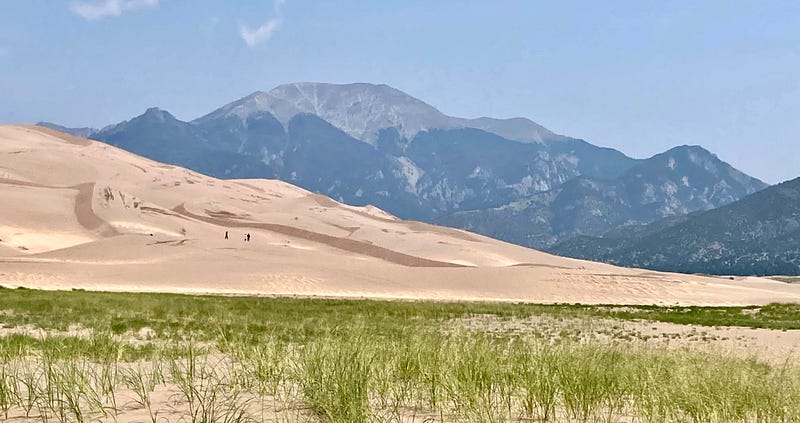
Great Sand Dunes looked like something from another continent. I couldn’t believe it was in America, let alone in southern Colorado. And Black Canyon of the Gunnison? Only die-hard national park enthusiasts had a slight notion it even existed.
But alas, the journeys just sat there, the articles remaining dogeared and highlighted, not acted upon, for a good seven to eight years.
The reason? All three parks are a haul from major airports.
Great Sand Dunes is a good 3.5 hour drive from Denver on a good-traffic day, and about the same distance from Albuquerque. Santa Fe and Colorado Springs are both closer but involve more expensive airports. Mesa Verde is a four-hour drive from Albuquerque and six hours from either Salt Lake City or Denver. Black Canyon, kind of closer to Denver, but no direct route through the Rocky Mountains.
So, puffing out our chests, it was decided — if we were going to see one, we were going to see all three at the same time.
A sister-in-law living in Colorado Springs provided our springboard starting point, so I designed a massive circular journey.
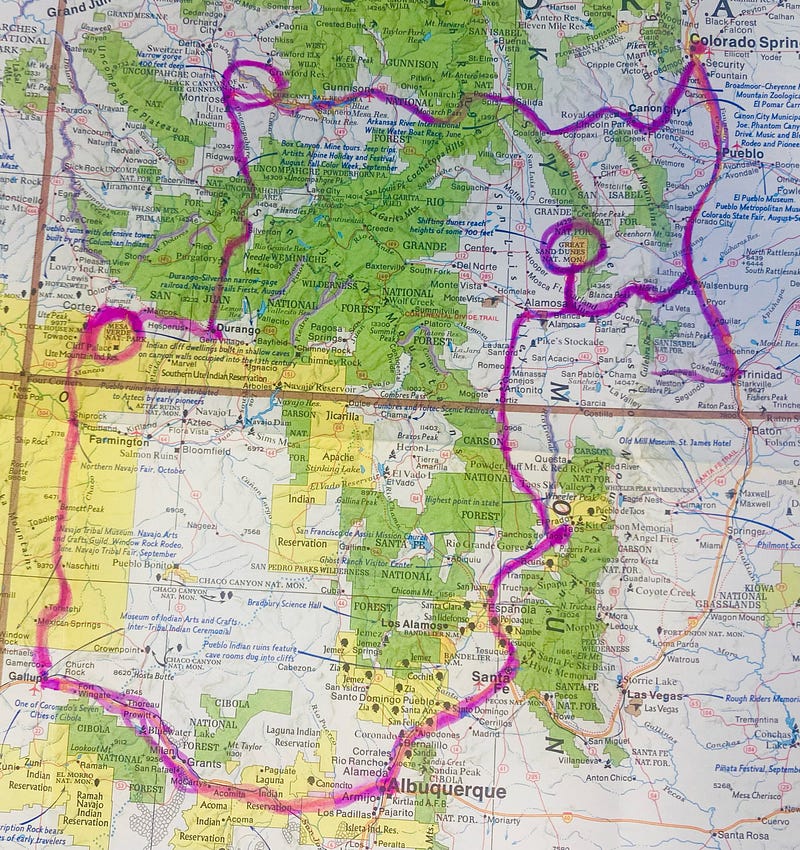
The Route
Colorado Springs to Great Sand Dunes.
Then a side jaunt to Taos and Albuquerque.
Next, a drive through Native American monuments to Mesa Verde. On to Durango, Silverton and Ouray, followed by Black Canyon of the Gunnison (the South Rim) and a final drive across mid-Colorado to our starting point.
It was nuts, it was ambitious, but it was time to check so many things off my Sunset Magazine wish list in one fell swoop.
Great Sand Dunes National Park
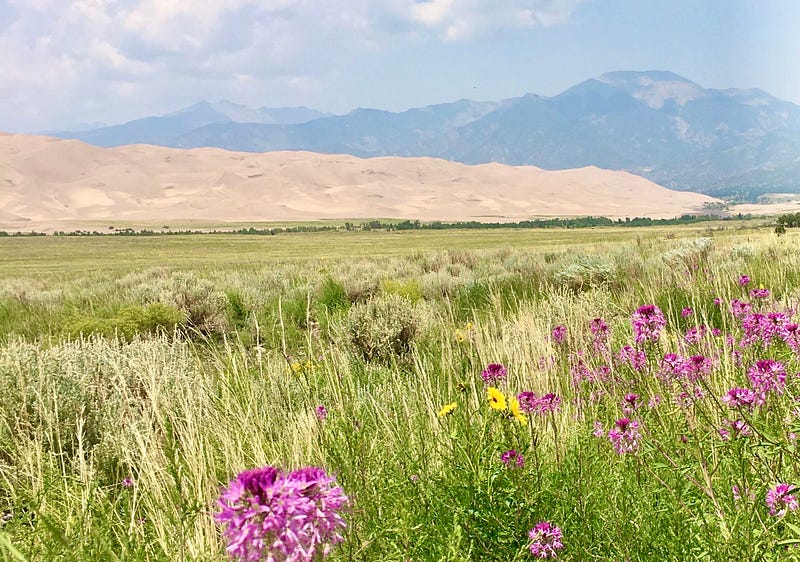
Wait, are we in the Sahara? Somehow transported to Algeria?
There’s a ton of sand here.
But it’s not just sand. Depending on the time of year there are wildflowers, a heavily-flowing creek at the base of the dunes, and what I deemed “Heidi-like” mountain views surrounding this freak of nature that makes your brain itch a bit — how is it here?
But the main attraction is the mountainous dunes, rising 750 feet tall. There are no trails because… it’s sand. The top of the crest was calling our names. We were virile men ready to scale great heights.
Those of you who’ve gone jogging in sand know we were kidding ourselves.
It was beautiful, but whew, it was work. Being Colorado, we’d forgotten about the 7,500-ft starting elevation at the base of the dunes. We Southern California dudes weren’t yet used to exertion at higher elevations. There was some panting and plodding.
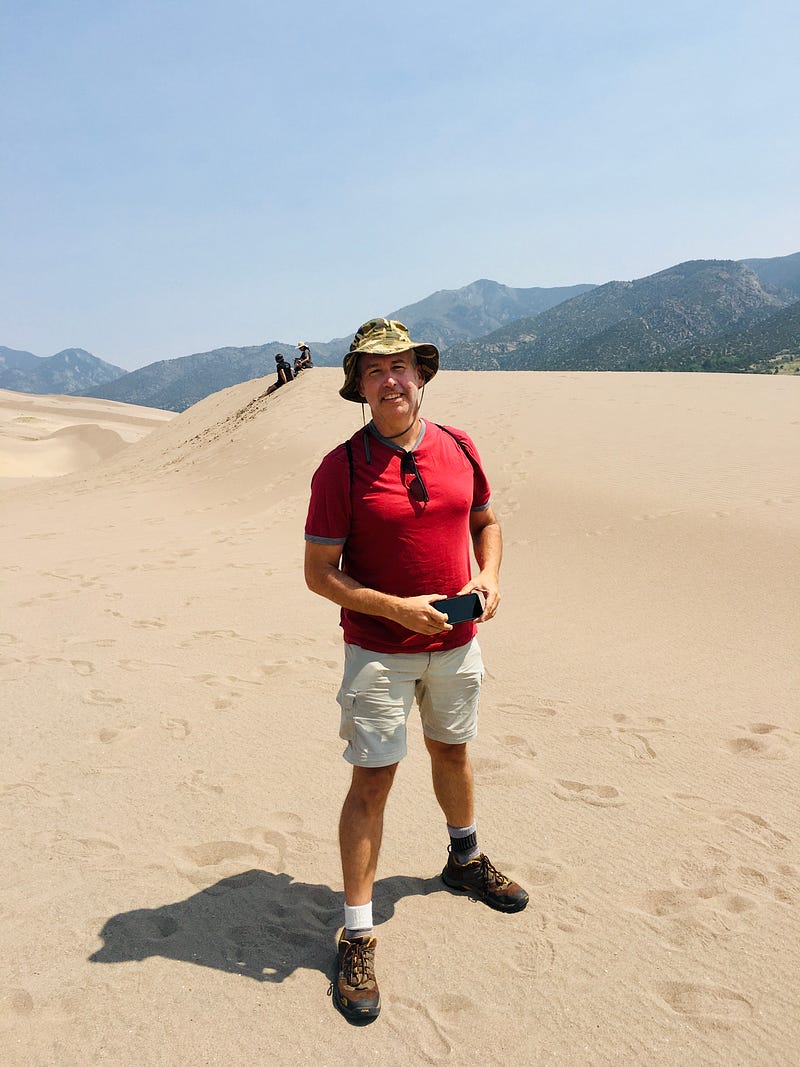
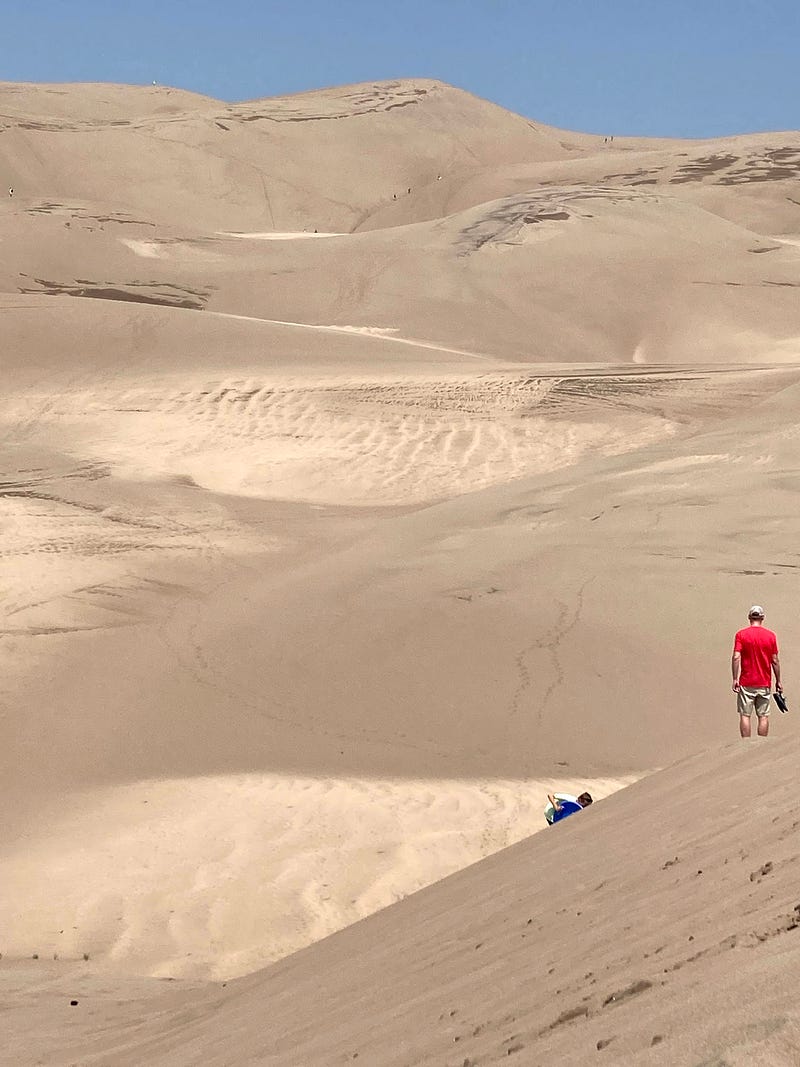
But it was worth it. We got to ride a sand board down like gleeful kids.
What is sand boarding, you ask? No, it’s not “snowboarding on sand.” In fact, you don’t stand up. Instead you plop down on it like a snow sled then whisk down the face of the dunes. We loved it, but in truth only rode down three or four blissful times. It’s not like there’s a ski lift just waiting for you at the bottom — it’s a long walk back up for that exhilaration.
Sand boards can be rented right outside the park entrance — certainly worth it for the memories.
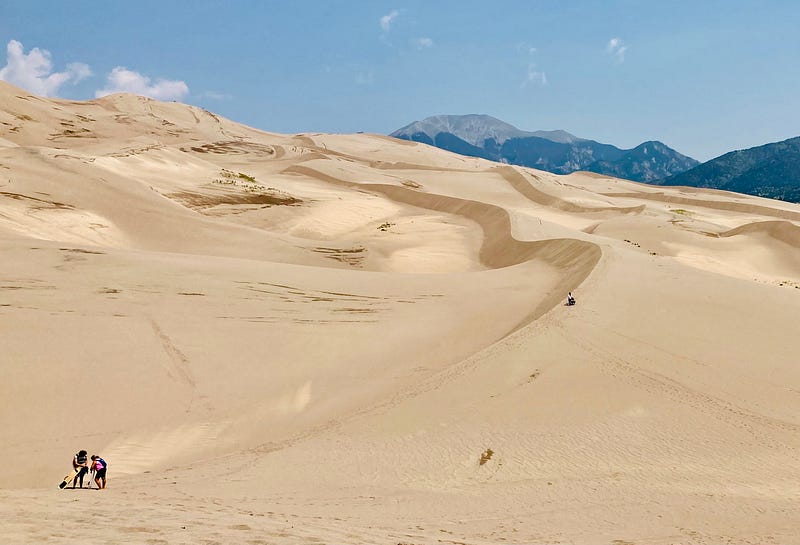
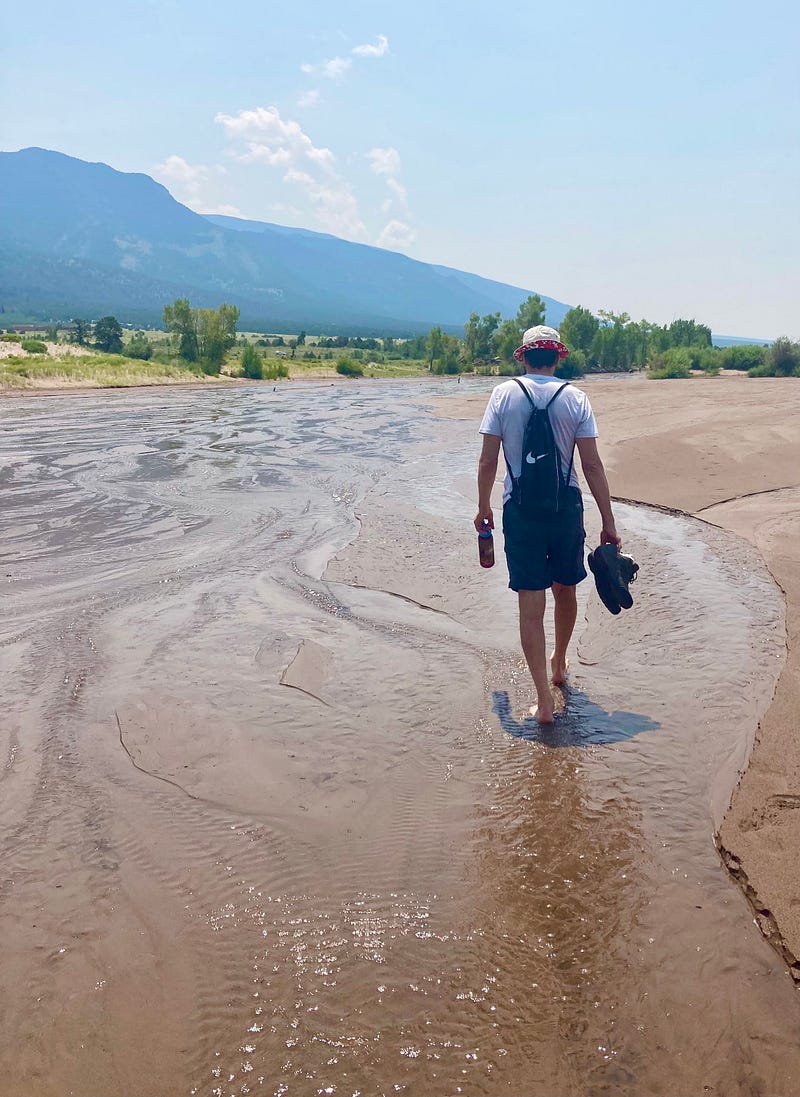
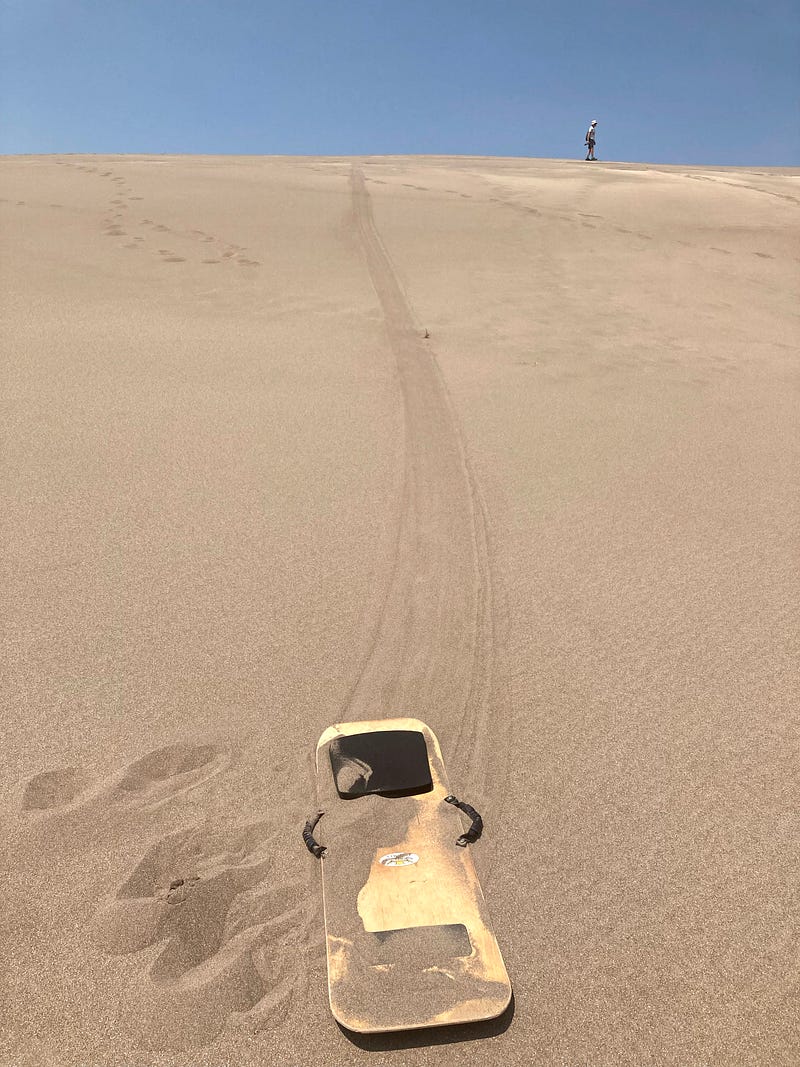
This visit was in August, so if we ever return we’ll be aiming for late spring/early summer, when the main stream through the park isn’t just a trickle but is actively flowing, giving visitors a chance to wade and float in the refreshing water at the base of this unique place — giant sand dunes in one direction, European-looking mountains on the other. Bliss!
Continuing along our loop, we headed into New Mexico to visit friends and see some favorite southwestern haunts in Taos, Santa Fe and Albuquerque. But soon it was back to our quest — those quieter Colorado National Parks.
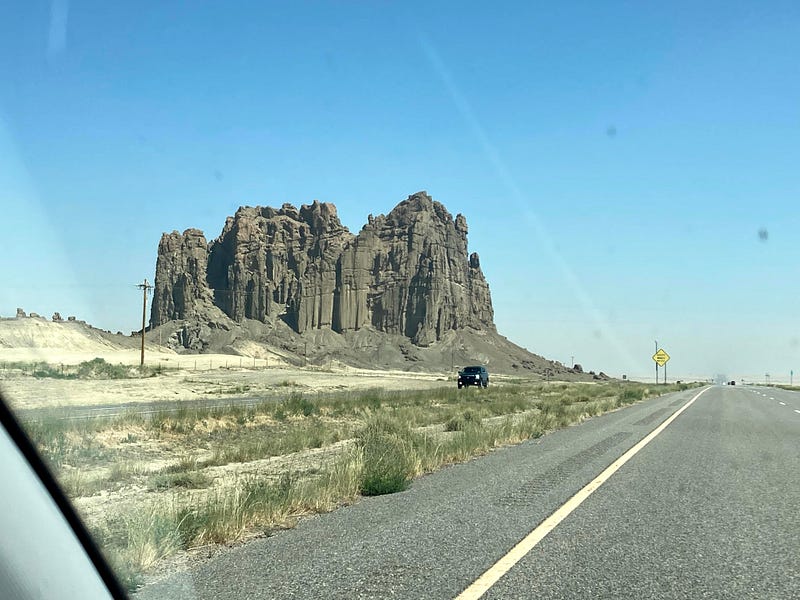
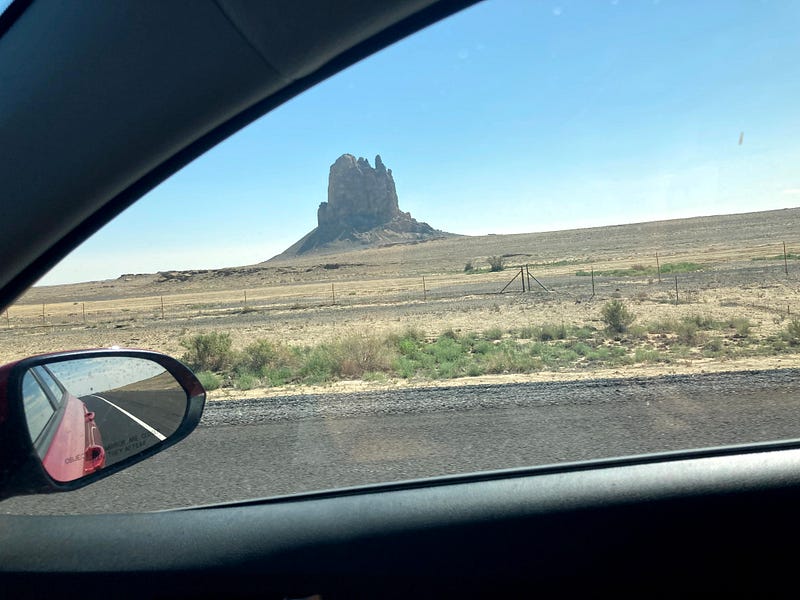
We headed north toward Colorado’s southwestern corner, appreciating awesome rock formations near Shiprock as we journeyed to Mesa Verde.
Mesa Verde National Park
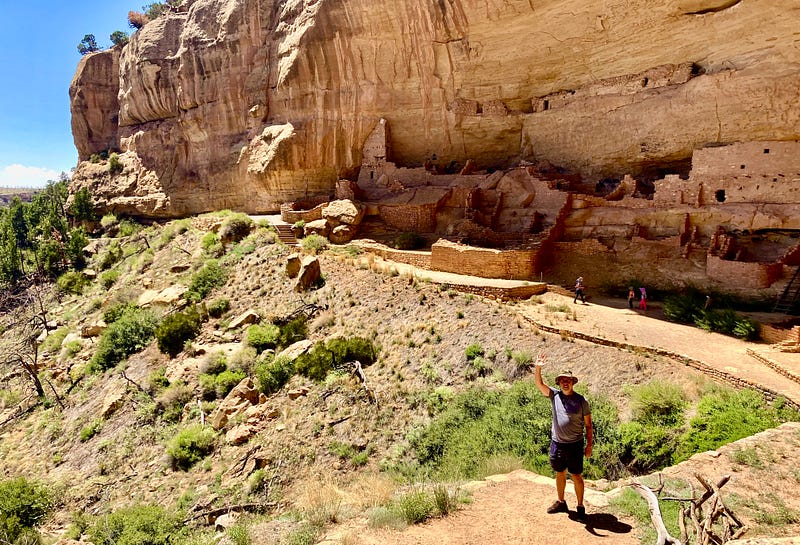
In this special place it’s all about the wide-open space atop mesas and in cliff dwellings and there are a total of 4,500 archeological sites in the park. In a word, Mesa Verde is vast and involves a lot of driving — the main cliff dwellings are a good 40-minute drive from the park’s only entrance.
So, don’t grumble; take it in.
With the wind in our hair, we imagined the Ancestral Pueblo people experiencing the majesty of this open space daily, navigating the open fissures, knowing the places to find shade, to claim water. We were taken by the light, the open skies and the mix of dusty trees and orange earth.
Sadly the most popular areas like the Cliff Palace and Balcony House loops were closed for road refurbishments. Oh well, that made any decision-making a lot shorter.
To Step House and Long House areas it is!
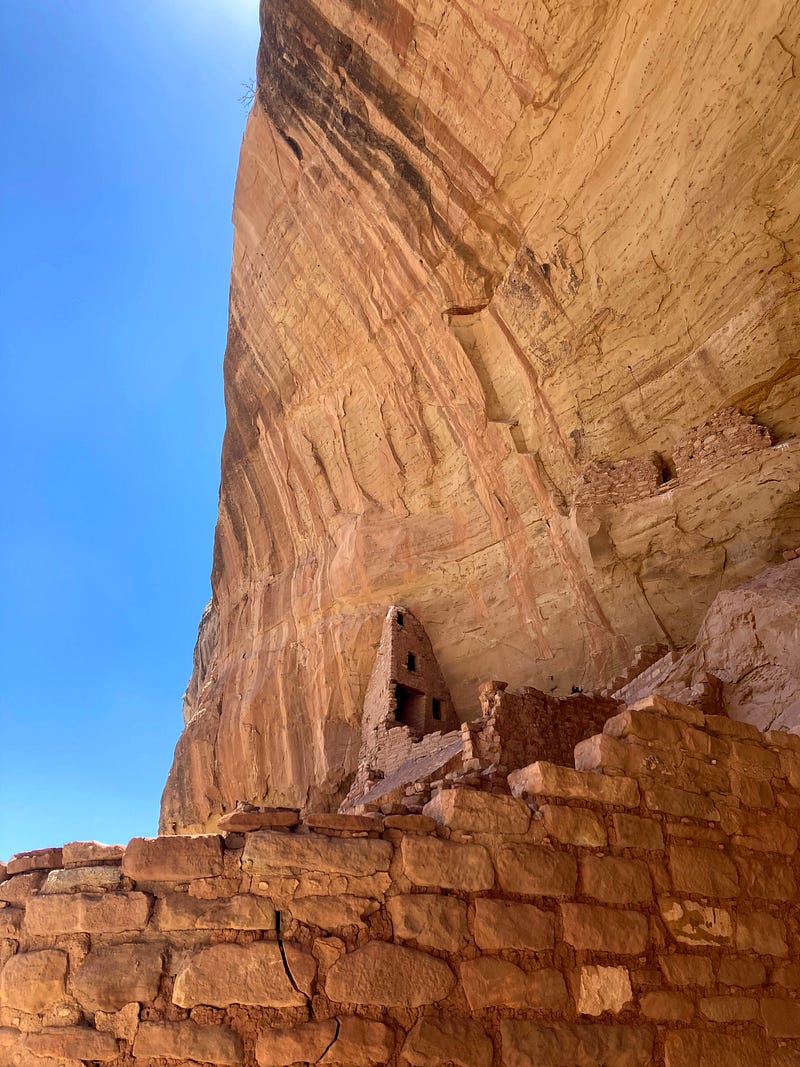
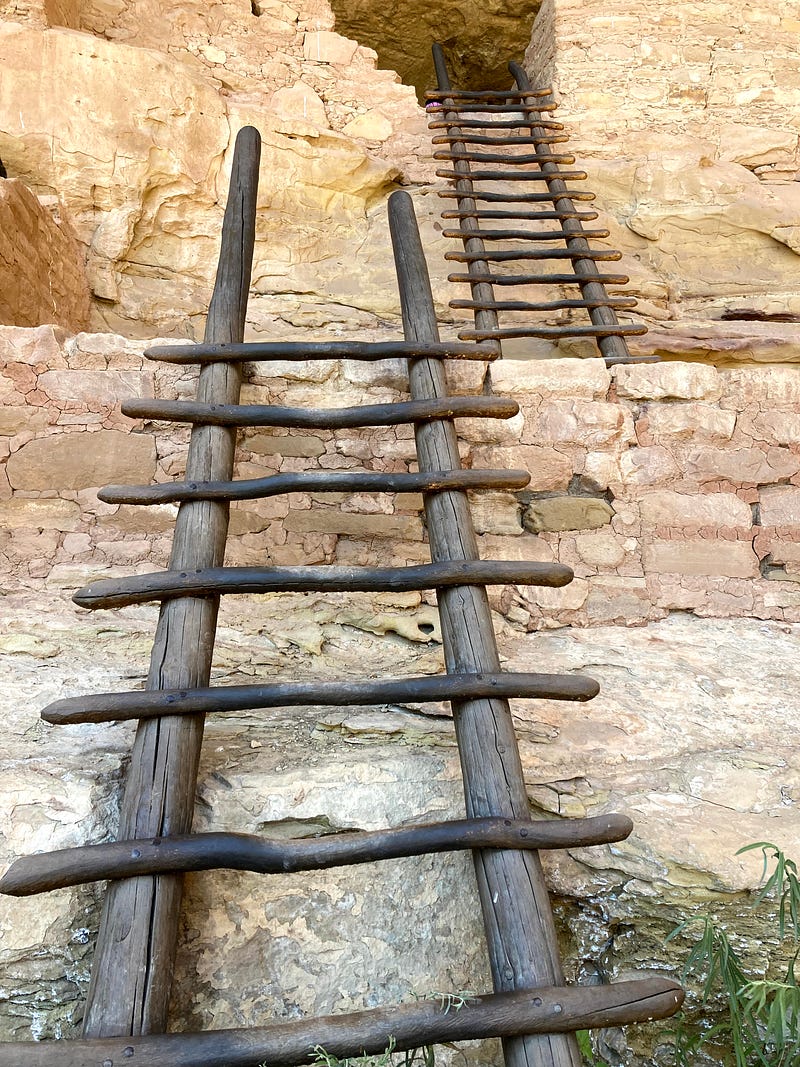
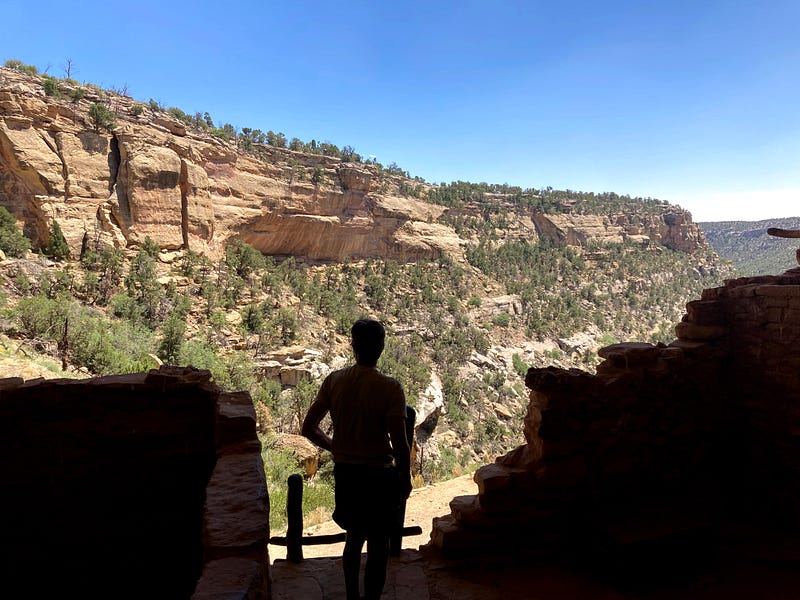
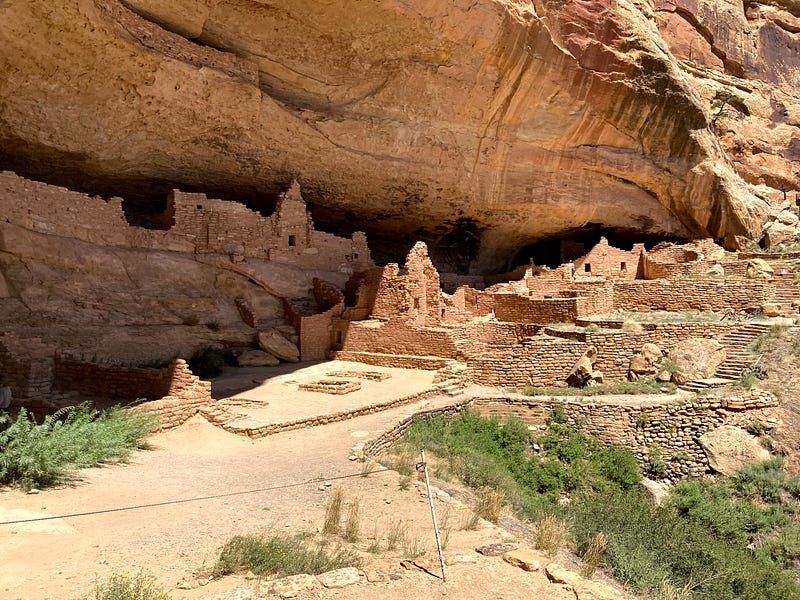
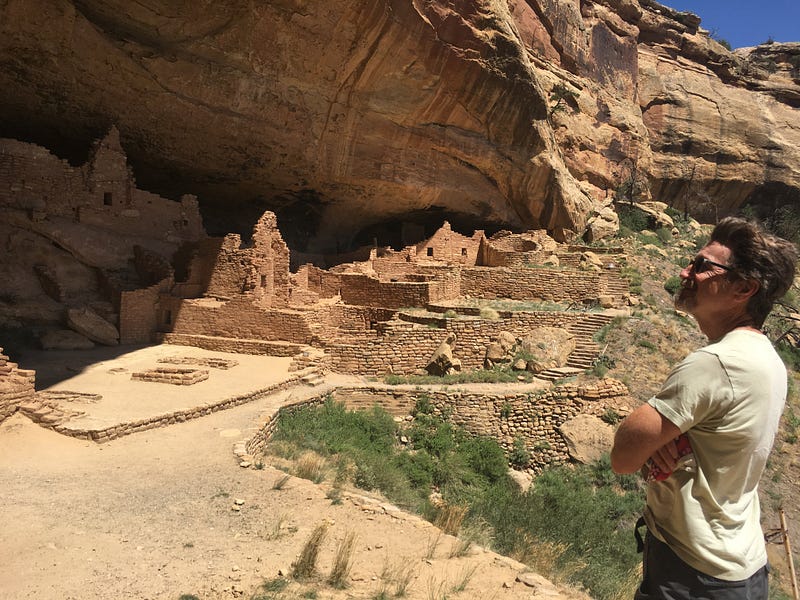
We got to stretch our legs in the walk down, but oh how I gasped when the first cliff dwelling came into sight. They’re a lot larger than I imagined. Not just a cave for a family, but a village for dozens of people.
We appreciated the well-placed park rangers to keep visitors safe, to answer questions and to stop any daredevil risky behavior.
We didn’t wait in line to climb up every ladder but ascended a few and ahhh, the views looking out from within the caves and kivas brought home the foresight and wise planning these natives took in protecting their tribes from the elements and from invaders.
There absolutely are spirits here, and we enjoyed communing with them.
Our continuing quest took us to Durango, Colorado for the night. The next morning we participated in a bucket-list item — riding the Durango-Silverton Narrow Gauge Railroad.
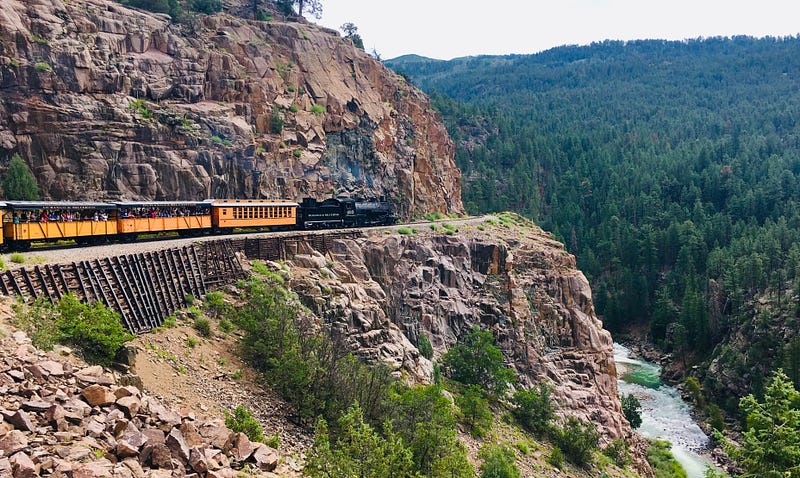
Who knew this section of Colorado was so beautiful? I always imagined the mountains of this state one way — perhaps granite, like Yosemite. But my eyes were opened to Colorado’s variety, for sure. This magical portion of the trip didn’t involve but absolutely deserves its own separate story, which I’ll be penning soon.
After all those mountain views, and after a zig-zagging drive to Ouray, the “Switzerland of the US,” we were off for our final stop, the most obscure of our Colorado parks.
Black Canyon of the Gunnison National Park
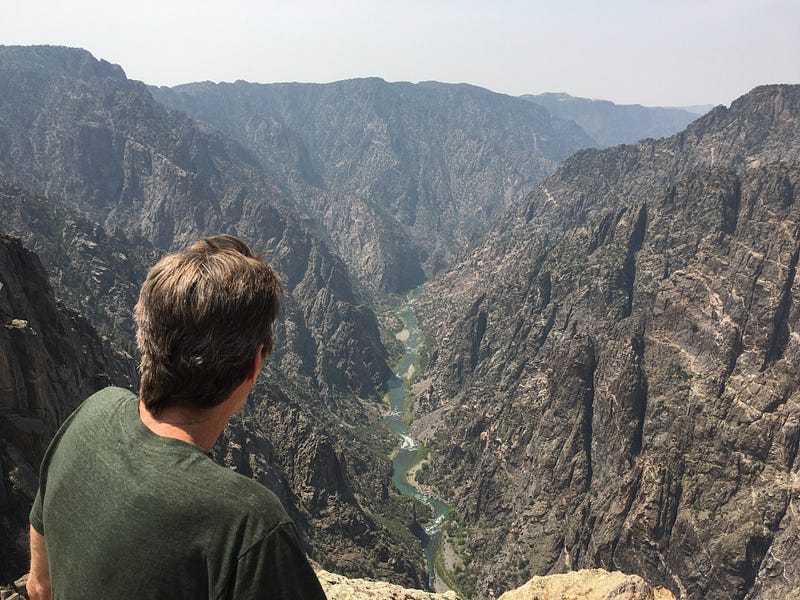
More decisions. Just like a visit to The Grand Canyon, visitors need to choose — are you going to the North Rim or the South Rim? Because apart from how the crow flies, it’s a good 2.5-hour drive between the two.
But unlike the Grand Canyon, in this corner of Colorado you’d have no clue, zero warning that there’s a gigantic hole in the earth nearby. You can zip by on a nearby lane without knowing this hole in the earth is over that unassuming beige hill. Imagine being a settler in a wagon and coming upon this unexpected and vast canyon with no way around. Bummer!
We opted for the South Rim as it was closer to our already-long-enough route. The Rim Road provides easy drives to multiple overlooks and cliff-wall viewing locations. Each time we got out of the car to approach a lookout I thought, “Okay, we can’t be overwhelmed yet again,” but I was wrong. Ooooh wow, was exclaimed from our lips, over and over.
Consider our breath adequately taken away.
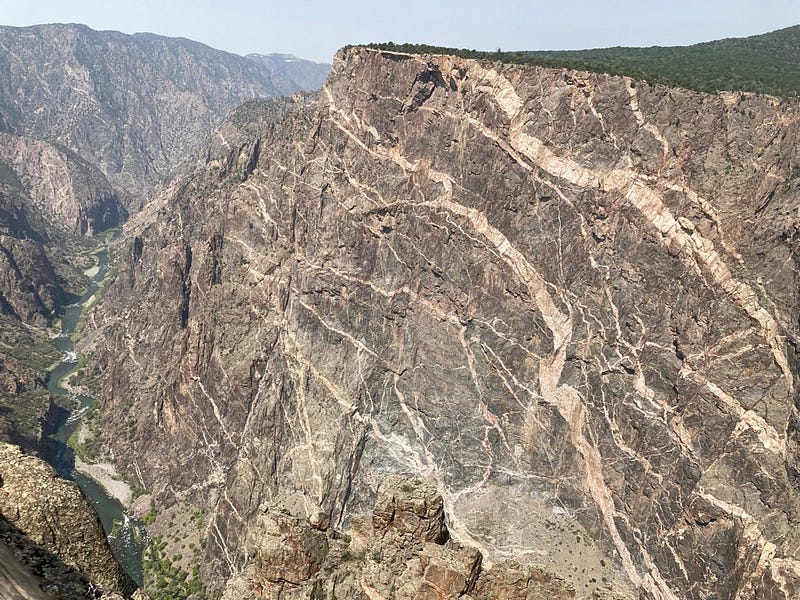
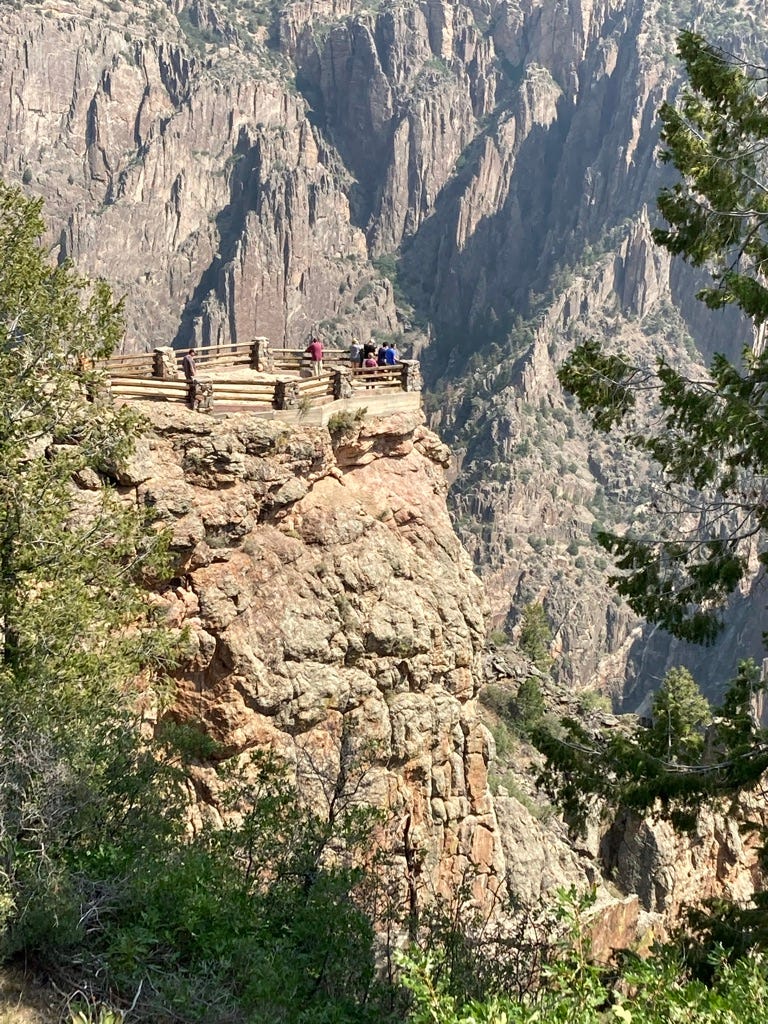
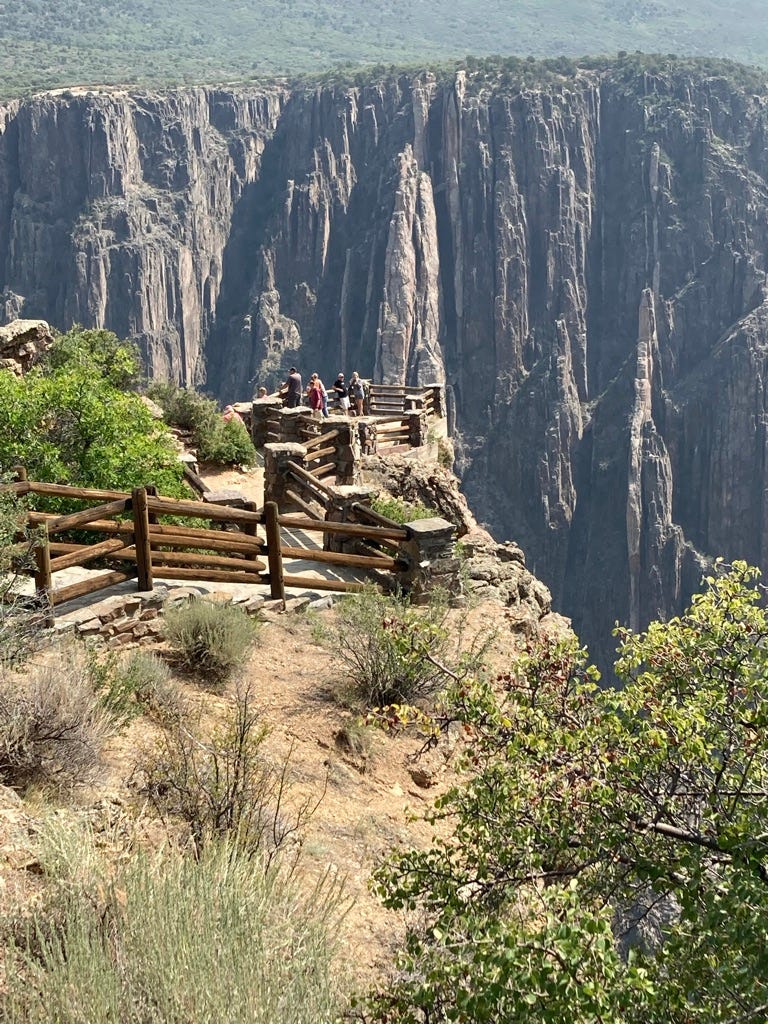
The Canyon is named Black due to the part of the canyon where the north and south rim are so close (but with no bridge between them) that down in the gorge there are only 33 minutes of direct sun per day, with some portions being deeper than the chasms of the Grand Canyon.
But oh, foiled again! The lone road down into the depths of the canyon was closed. Oh how I wanted to gaze up upon the rock faces, how I wanted to stand by the green Gunnison River and imagine life below the rim.
But alas, we may just have to return.
We’d done it! We’d taken in the three less-visited parks in mighty Colorado.
The grand darling of the state is Rocky Mountain National Park, north of Denver, attracting close to five million people a year. James Dalman’s recent stories about the Estes Park region near there have since tempted me with oh-so-seductive photos.
We’ll have to plan a visit there when we’re ready to face the crowds.
Are you ready to have some national parks all to yourself? To see true night skies in total darkness, with stargazing that’ll knock your socks off? Here are a few more to consider.
- Great Basin National Park, Nevada
- Capitol Reef National Park, Utah
- Lassen Volcanic National Park, California
- Big Bend National Park, Texas
It takes some determination, some planning and a willingness to road-trip, but your soul, oh, your soul will be rewarded.
Thank you, editor Darren Weir for your keen eye and helping me keep on track with the storytelling. Your help made all the difference.
Another fun local travel piece by this author —


