
OUTDOORS
3 Important Tips for a Successful Camping Trip
Don’t forget sunscreen and bug spray
“There’s no wi-fi in the mountains, but you’ll find a better connection.” — Unknown
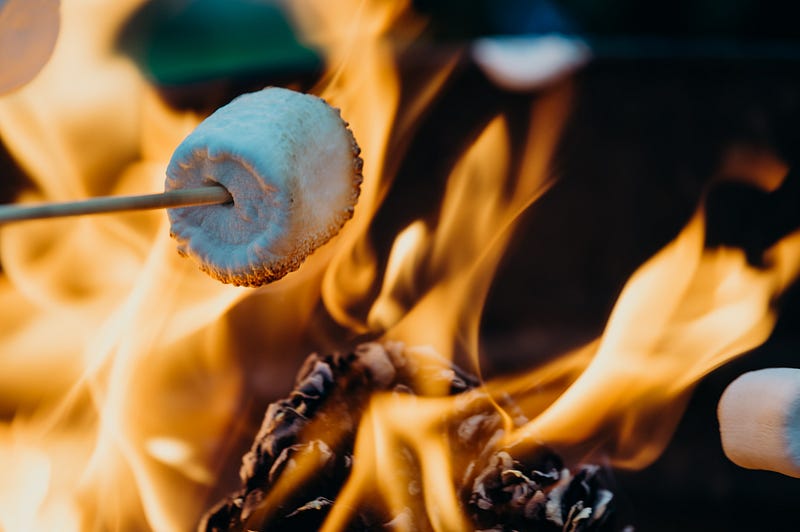
Camping is a great way to spend time outdoors with the family. Roasting marshmallows and sleeping under the stars make unforgettable childhood memories.
A successful camping trip takes some work. Planning, packing the right supplies, and staying safe are important.
Here are three ways to help make your camping trip a success.
Make reservations
Taking the time to make a reservation will give you peace of mind. You’ll know where you’re staying, and you’ll know that you have a campsite waiting. There is usually a reservation fee, so plan for that too.
Note the check-in and check-out times for your campground. Some campgrounds can hold a campsite for late arrivals, but they need to be notified. Otherwise, your campsite might be re-sold to someone else. (Ask me how I know.)
Not all campgrounds take reservations, so they can be full without warning. If you choose a “first-come, first-served” campground, have a Plan B in mind.
If the campground is full, where will you go? It’s no fun to be driving around at night, looking for somewhere to pull off the road and get some sleep.
Be prepared and pack wisely
Pack a roll of toilet paper and carry it with you to the bathroom. Thank me later.
Sunscreen and bug spray are essential. Bring and use both. Mosquito bites and sunburns are uncomfortable. I’ve had my share of severe sunburns and they are not fun. You won’t notice that you’re getting sunburned until you are sunburned. By then, it’s too late.
Nights are chilly, even in the summer, so bring long pants and sweaters. Throw in extra blankets, just in case.
Plan to keep dogs leashed and bring extra plastic bags to clean up after them. This is not only respectful towards other campers, but it will keep your pets safe from wildlife.
I recently heard a story about a small dog that was blind and deaf wandering away from a campsite. Thankfully, the owner found his dog quickly, but that story could have had a sad ending.
“The glories of a mountain campfire are far greater than may be guessed.” — John Muir
Practice campfire safety
If you’re planning to have a campfire, pack an extra lighter or extra matches. Newspaper and kindling will help the fire get going. You can even use a small amount of charcoal lighter fluid to help get the fire started.
Know your campground’s rules regarding a fire. Most places don’t allow firewood gathering around the campsite, so they either sell firewood or let you bring your own. Firewood can be purchased at many grocery and convenience stores.
Have a shovel and a bucket of water nearby. Never go to bed while the fire is burning, or leave the fire unattended. Make sure everything is cooled off for the night.
Smokeybear.com advises,
Don’t burn dangerous things like aerosol cans, pressurized containers, glass or aluminum cans. They could explode, shatter and/or create harmful fumes or dust.
Final thoughts
When your camping trip is over and it’s time to head home, try to leave your campsite better than you found it. Pack up all trash and food scraps. Throw them in the garbage can if there is one available. If not, take it home and put it in your own garbage.
You’ll probably never meet the next campsite visitors, but they will appreciate your efforts.
Following these tips may not guarantee a successful camping trip, but they will get you started in the right direction.


