3 Important Lessons I Learned From a Former Monk With 7 Billion YouTube Views
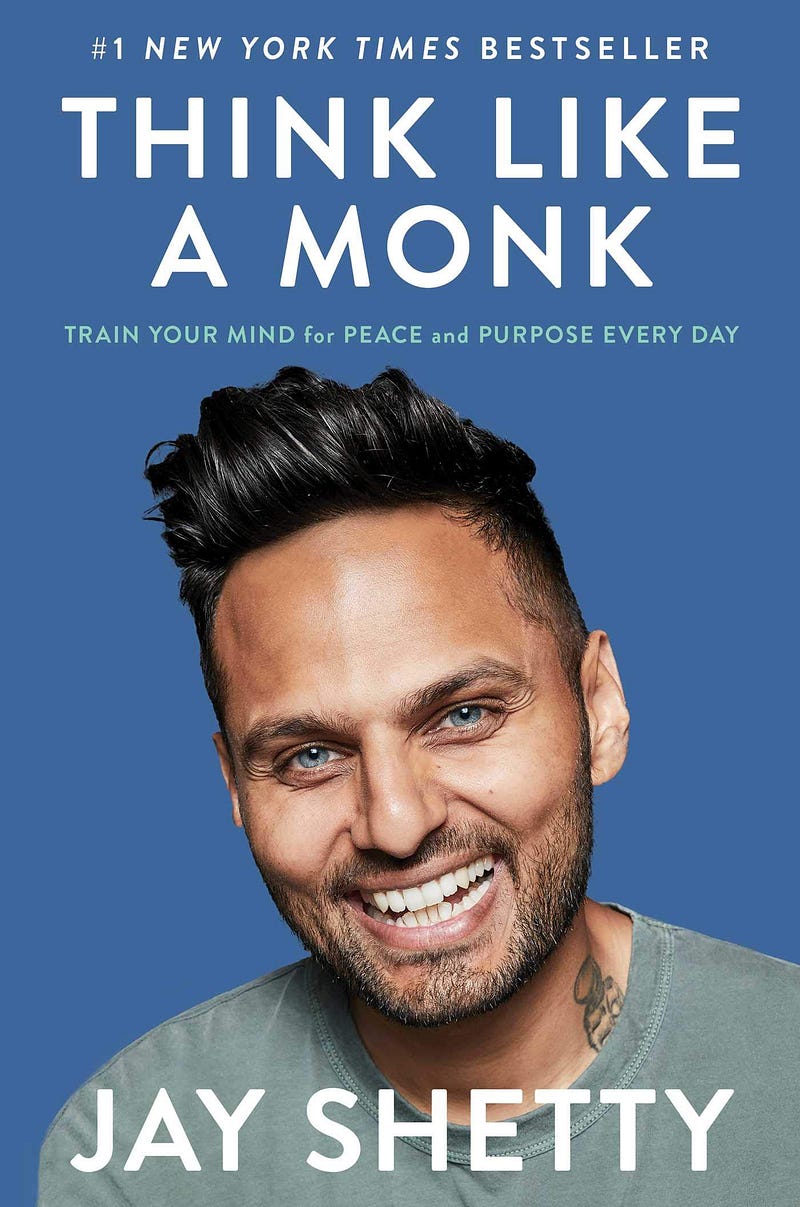
Jay Shetty’s #1 New York Times Bestseller, “Think Like a Monk” wasn’t what I expected.
I thought Jay’s book would change my life.
Jay is one of the most viral content creators on the planet — On Purpose is the world’s #1 Health Podcast, and he’s got 7 billion YouTube views. I thought his book would teach me secret monk-techniques to live successfully and mindfully in today’s chaotic society. While the book is full of golden snippets, my three takeaways were unexpected.
Wherever you are in your life, you can live with purpose, and you don’t need to become a monk to do it.
Monks Have the Same Problems We Do, Just Monk-ified
I grew up adoring Paolo Coelho’s books on self-actualization and adventure-spirituality. I re-read The Alchemist every year. Those books are all about realizing how the power of the universe is available to all of us — yet I still read as if someone else holds the secret.
I thought monks lived peaceful, purposeful lives. They rose above mundane things like job satisfaction, relationship compatibility, and what to do with their future.
Think Like a Monk showed me that monks are just as petty as the rest of us. Monks aren’t born monks. They come from all walks of life and become monks for a variety of reasons. Some become dissatisfied with their previous lives, some find a new calling, some are escaping from their past.
Monks are human, just like you and me.
Instead of obsessing over salary and office politics, monks flaunt who meditated deepest.
Instead of peacocking their career achievements and accolades, monks brag about knowledge of sutras and scriptures.
Instead of envying others’ perfect relationships, monks are jealous of other monks’ inner peace.
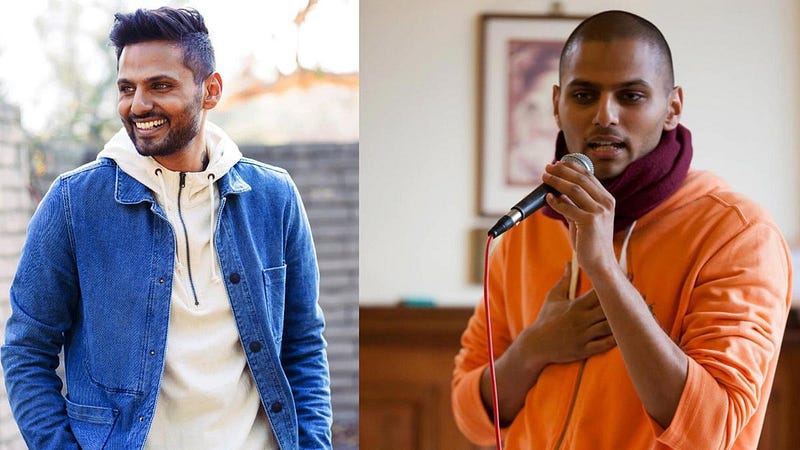
Jay complains about the five-minute showers in the ashram. How they were expecting ancient practices and instead ordered to re-design monastery brochures on PowerPoint. Less secret wisdom, more washing the toilet.
Sometimes when I’m not happy with my life, I dream of leaving it all behind. I fantasize about heading to an ashram, renouncing all my possessions, and living carefree forevermore.
But the fantasy is just that — a fantasy.
Monks aren’t carefree. They have to wake up at 4 am every day and their days are structured with chores, study, and menial tasks. It’s not like the movies. They worry about the same stuff we all worry about. Whether they can wake up on time, whether they’ll have enough to eat, whether they can withstand another boring day of the same-old…
Being a monk isn’t salvation. It’s not any simpler or harder than my present life. It’s just another one.
Before reading Think Like a Monk, I thought monks were special. Maybe they were privy to mystic secrets. Maybe their mindful, spiritual environment unlocked new levels of consciousness.
Sure, meditating at an ashram is easier than at home — but that’s because meditating is part of an ashram’s routine.
Monks’ butts itch when they sit too long, too.
We Love Reading About Other People Because It Reminds Us of Ourselves
Think Like a Monk shares a lot of principles from the epic Hindu Bhagavad Gita in a modern context. Reading the book, I was surprised by how the principles themselves mattered less to me than Jay’s own story. By reading about Jay’s middle-class, finance-focused upbringing, to his workplace disillusionment, monkhood, and eventual transition of purpose… I ended up following Jay’s hero’s journey.
Fascinating, because the Bhagavad Gita is itself a narrative framework. It reminded me we learn best through stories, not facts.
Humans love a good tale.
When reading Jay’s Think Like a Monk, I could relate most to his own feelings and experiences. His empty feeling at bars and nightclubs. Wondering if “this was all there was to life”. Walking the same road every day and trying to find something new about the rocks and leaves. The pointlessness of doing menial tasks that supposedly build character and appreciation. The ego attached to the selfless action of becoming more spiritual to help others…
Reading about others’ stories reminds us of our own.
Jay didn’t become a monk for the purpose of writing this book. He lived. And the book came about from his experiences and lessons. The boring every-day life that he experienced eventually became the fuel, content, and catalyst for his career as a successful content creator.
Every day, we live our own lives. Our stories are just as valuable as the incredible ones we follow on social media or read in books. Maybe, as Derek Sivers reminds us, what seems obvious to us may be amazing to others. Don’t discredit your life. Don’t be afraid to share what you’ve learned, it may change the world.
In pursuing purpose, don’t neglect to live your own life.
Nobody Has It Figured Out
I spent four years at the University of Toronto studying Ethics, Society, and Law, Philosophy, and Semiotics. I left university knowing less than when I started.
I studied all that nonsense because “truth” obsessed me. I wanted to understand why life made no sense. I grew up in a religious household and I was an angry kid. Everything I learned at church seemed arbitrary, agenda-driven and designed to influence people to follow rules and think in a particular way.
I know that there are no secrets. But I want to be fooled. I want to believe in magic.
Every time I read a new book, I wonder if this will be the one. If this book will teach me how to figure life out. If my fruitless search will finally end. At last, I’ll have found my grail.
Nope.
Think Like a Monk is not that book. That book does not exist.
Upon finishing Jay’s book, I felt inspired and deflated. Inspired because I learned that monks are human and that I need not live in an ashram for years to learn what Jay just shared with me in a few hours. Deflated because I was expecting something life-changing, and I realized that no matter what I read, no matter what I learn, no matter where I go, I can’t escape myself.
This is my life, and I haven’t figured it out. Nobody has.
So think like a monk. Read the book. Apply what’s useful, discard what’s not. But remember, you don’t have to be a monk to know or use any of this stuff.
Monks are only human. You’re already there.