avatarKristoffer Becker

Free AI web copilot to create summaries, insights and extended knowledge, download it at here

2146

Abstract

sponsible for transporting oxygen and nutrients to muscles.</p><p id="07b1">Additionally, they assist in eliminating wastes and toxins from cells that can lead to cellular damage.</p><p id="385d">Dr. Hatfield explains that a person is able to drastically increase the presence and extensiveness of capillaries within muscles.</p><p id="d219">By doing so, more nutrients and oxygen can be carried in to the muscle and toxins can be eliminated more quickly and efficiently.</p><p id="f8a4">This can result in greater muscular performance and growth.</p><p id="b3f7">Dr. Hatfield recommends high repetition, continuous tension resistance training to increase the presence and extensiveness of capillaries.</p><figure id="956e"><img src="https://cdn-images-1.readmedium.com/v2/resize:fit:800/1*C1RHRn9kKzOJIxjZd5n9NA.jpeg"><figcaption>Image credit brgfx — freepik.com</figcaption></figure><h1 id="aab6">Mitochondrial Growth</h1><p id="3b74">The mitochondria within cells are responsible for manufacturing ATP and performing essential oxidative functions.</p><p id="9e5d">By increasing the size and quantity of mitochondria, a person can expect to see an increase in muscular endurance, reduced recovery time and greater contractibility of muscles.</p><p id="09b7">Additionally, Dr. Hatfield notes that that mitochondria take up space and have mass; therefore, by increasing their size and quantity, the muscle cells themselves will become larger.</p><p id="d636">The net result can be greater muscle hypertrophy carried over from the growth and proliferation of mitochondria.</p><p id="a1b0">High repetition resistance training is the recommended means to achieve mitochondrial growth.</p><figure id="1d92"><img src="https://cdn-images-1.readmedium.com/v2/resize:fit:800/1*rrH_GYpz0h-v2daTtotO6Q.jpeg"><figcaption>Image Credit UNM.edu</figcaption></figure><h1 id="5b8d">Motor Unit Recruitment</h1><p id="cf41">By utilizing as many muscle fibers as possible simultaneously, the ability to generate limit strength and subsequent muscle hypertrophy is enhanced.</p><p id="cb03">Achieving maximum fiber recruitment will ensure that adequate stress is pla

Options

ced on muscle fibers and the extensiveness of muscular growth is increased.</p><p id="566e">Dr. Hatfield suggests performing controlled ballistic resistance training and various forms of light resistance training to achieve the desired result.</p><h1 id="4b2f">Sources</h1><p id="34cd">Frederick C. Hatfield. <i>Hardcore Bodybuilding: A Scientific Approach</i>. Published by Contemporary Books 1991.</p><p id="25c7">Frederick C. Hatfield. <i>Power: A Scientific Approach</i>. Published by Contemporary Books 1994.</p><p id="4d36"><b>If you learned something here, leave a comment with your thoughts and use your muscle fibers to clap!</b></p><h1 id="2e3d">More on Muscle Building</h1><div id="4aae" class="link-block"> <a href="https://medium.com/@kris.lee.becker/build-bigger-arms-8-essential-tips-for-noticeable-muscle-growth-aade14ed5a57"> <div> <div> <h2>Build Bigger Arms: 8 Essential Tips for Noticeable Muscle Growth</h2> <div><h3>Read these tips carefully, apply the techniques I describe in this post and watch your upper arms grow beyond your…</h3></div> <div><p>medium.com</p></div> </div> <div> <div style="background-image: url(https://miro.readmedium.com/v2/resize:fit:320/0*dvJEq5qE4a677hxn)"></div> </div> </div> </a> </div><div id="63c0" class="link-block"> <a href="https://medium.com/@kris.lee.becker/10-simple-tips-to-start-a-successful-bodybuilding-program-eb035f31e8ac"> <div> <div> <h2>10 Simple Tips to Start a Successful Bodybuilding Program</h2> <div><h3>This post provides ten valuable tips on how to start a bodybuilding program and what is needed to build a significant…</h3></div> <div><p>medium.com</p></div> </div> <div> <div style="background-image: url(https://miro.readmedium.com/v2/resize:fit:320/0*n9AiEGpqbpf1adBx)"></div> </div> </div> </a> </div></article></body>

3 Important Factors That Contribute to the Development of Muscle Tissue

Please give this article a good, slow read, offer some claps and leave a comment with your thoughts.
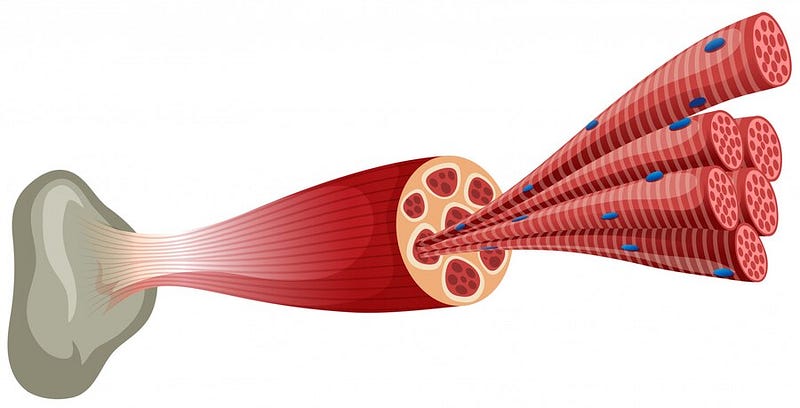
Image Credit brgfx — freepik.com

If you are looking to increase your muscularity through strength training and nutritional manipulation alone, you may be overlooking some of the more critical contributing factors to developing muscle mass.

According to Dr. Frederick C. Hatfield, PhD, some factors, such as muscle fiber arrangement and musculoskeletal leverage are genetically determined and are, therefore, unable to be modified.

Several other factors, however, can be addressed and modified to a degree which may result in noticeable gains in muscularity.

Image credit kjpargeter — freepik.com

Ratio of Muscle Fiber Types

In his book, Hardcore Bodybuilding: A Scientific Approach, Dr. Hatfield explains that, while the ratio of muscle fiber types on the human body are largely controlled by genetics, there are ways to manipulate the growth and development of existing muscle fibers.

By engaging in explosive weight training, selective stress is placed on fast-twitch muscle fibers, which have a greater capacity to hypertrophy.

Utilizing techniques through weight training, biomechanics training and light resistance training is the recommended activities of choice to manipulate the growth and development of existing muscle fibers.

Image creidt macrovector — freepik.com

Extensiveness of Capillarization

Capillaries are responsible for transporting oxygen and nutrients to muscles.

Additionally, they assist in eliminating wastes and toxins from cells that can lead to cellular damage.

Dr. Hatfield explains that a person is able to drastically increase the presence and extensiveness of capillaries within muscles.

By doing so, more nutrients and oxygen can be carried in to the muscle and toxins can be eliminated more quickly and efficiently.

This can result in greater muscular performance and growth.

Dr. Hatfield recommends high repetition, continuous tension resistance training to increase the presence and extensiveness of capillaries.
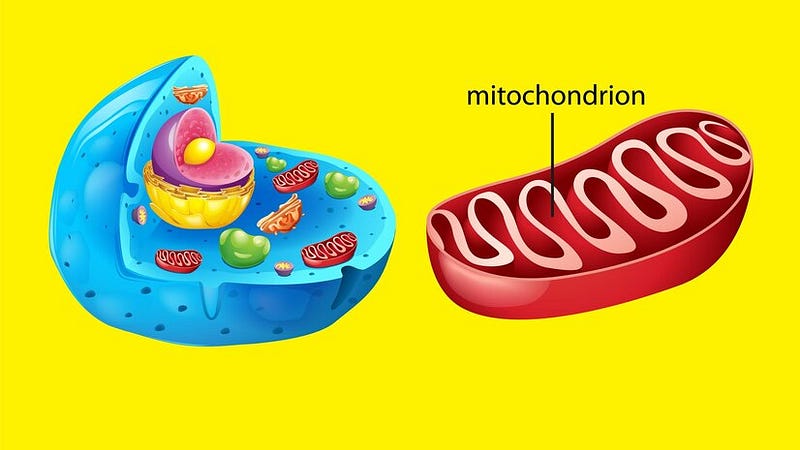
Image credit brgfx — freepik.com

Mitochondrial Growth

The mitochondria within cells are responsible for manufacturing ATP and performing essential oxidative functions.

By increasing the size and quantity of mitochondria, a person can expect to see an increase in muscular endurance, reduced recovery time and greater contractibility of muscles.

Additionally, Dr. Hatfield notes that that mitochondria take up space and have mass; therefore, by increasing their size and quantity, the muscle cells themselves will become larger.

The net result can be greater muscle hypertrophy carried over from the growth and proliferation of mitochondria.

High repetition resistance training is the recommended means to achieve mitochondrial growth.
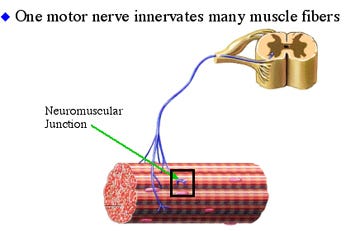
Image Credit UNM.edu

Motor Unit Recruitment

By utilizing as many muscle fibers as possible simultaneously, the ability to generate limit strength and subsequent muscle hypertrophy is enhanced.

Achieving maximum fiber recruitment will ensure that adequate stress is placed on muscle fibers and the extensiveness of muscular growth is increased.

Dr. Hatfield suggests performing controlled ballistic resistance training and various forms of light resistance training to achieve the desired result.

Sources

Frederick C. Hatfield. Hardcore Bodybuilding: A Scientific Approach. Published by Contemporary Books 1991.

Frederick C. Hatfield. Power: A Scientific Approach. Published by Contemporary Books 1994.

If you learned something here, leave a comment with your thoughts and use your muscle fibers to clap!

More on Muscle Building

Bodybuilding
Muscle Building
Workout
Fitness
Gym
Recommended from ReadMedium