
3 Hidden Ways to Make Money From Real Estate

In the world of investing, real estate has long been hailed as a cornerstone of wealth creation. From the bustling streets of Manhattan to the tranquil suburbs of the Midwest, properties of all shapes and sizes have served as vehicles for prosperity for centuries. But for many investors, the traditional image of real estate ownership — with its hands-on management, tenant headaches, and hefty down payments — can seem daunting, if not downright prohibitive. Enter passive real estate investment strategies: a diverse array of options that allow investors to reap the rewards of real estate ownership without the hassle of day-to-day management.

Imagine this scenario: you’re a busy professional with a demanding career and a growing family. You’ve always been intrigued by the idea of real estate investing, but the thought of dealing with late-night maintenance calls and tenant disputes sends a shiver down your spine. Enter rental properties. With the rise of property management companies and online platforms like Airbnb, investing in rental properties has never been more accessible — or passive. By leveraging the services of a trusted property manager, you can enjoy the benefits of rental income without the headaches of being a landlord. Plus, with the potential for long-term appreciation and tax benefits like depreciation deductions, rental properties can be an attractive addition to your investment portfolio.

But what if you’re not ready to commit to the responsibility of owning a physical property? That’s where real estate crowdfunding comes into play. Picture this: you’re scrolling through your favorite investment app when you come across an opportunity to invest in a luxury apartment complex in a booming market. With just a few clicks, you can become a partial owner of the property, sharing in the potential profits and appreciation alongside other investors. Real estate crowdfunding platforms like Fundrise and RealtyMogul offer investors access to a diverse range of projects, from residential developments to commercial properties, with varying levels of investment minimums and risk profiles. By pooling your capital with other investors, you can diversify your real estate holdings and enjoy the benefits of passive income without the hassle of property management.
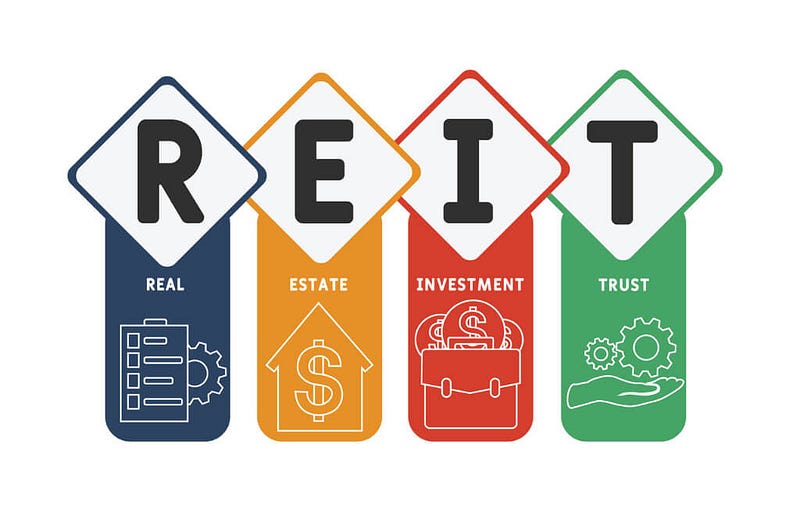
Of course, no discussion of passive real estate investment strategies would be complete without mentioning real estate investment trusts, or REITs. Imagine this: you’re sitting at your desk, sipping your morning coffee, when you receive an email notification: your quarterly dividend from your favorite REIT has just been deposited into your account. With REITs, investors can gain exposure to a diversified portfolio of income-generating properties, from office buildings to shopping malls to apartment complexes, all without the headaches of property management. Plus, with the added liquidity of publicly traded REITs, investors can buy and sell shares with ease, making it a flexible option for investors of all stripes.

But what are the potential benefits and challenges of passive real estate investment strategies? Let’s start with the benefits. For starters, passive real estate investments offer the potential for attractive returns and steady cash flow, making them an appealing option for income-oriented investors. Additionally, real estate has historically served as a hedge against inflation, providing investors with a tangible asset that can appreciate over time. Plus, with the rise of online platforms and investment vehicles, passive real estate investing has never been more accessible, allowing investors to diversify their portfolios and build wealth with ease.

However, it’s essential to recognize that passive real estate investing is not without its challenges. One potential downside is the lack of control that investors have over their investments, particularly with crowdfunding and REITs, where decisions are made by third-party managers. Additionally, real estate investments can be illiquid, meaning that it may be challenging to sell your investment quickly in the event of an emergency or financial need. Plus, like any investment, real estate carries inherent risks, including market volatility, economic downturns, and changes in local market conditions, which can impact property values and rental income.
GAME CHANGER MOMENT
So, what’s the bottom line? Passive real estate investment strategies offer investors the opportunity to diversify their portfolios, generate passive income, and build wealth over the long term. Whether you’re a busy professional looking for alternative sources of income or a seasoned investor seeking to expand your holdings, there’s a passive real estate investment strategy to suit your needs and goals. By weighing the potential benefits and challenges, conducting thorough due diligence, and seeking guidance from financial professionals, you can make informed decisions that align with your investment objectives and risk tolerance.
If you found this article insightful and want to learn more about passive real estate investment strategies, including rental properties, real estate crowdfunding, and REITs, be sure to subscribe to our newsletter for regular updates and exclusive content. Together, we can explore the world of real estate investing and unlock the potential for financial freedom and prosperity.