
3 GREAT TIPS TO CARE FOR WINTER FINCHES
For the backyard bird enthusiast
Before reading on, please make sure to scroll all the way down to the bottom of this page (yes, even past all of the other “suggested articles”) in order for it to be counted as a true “read.” Then you can come back up and read the article. For a more detailed explanation of this, please read my article Views vs. Reads on Medium. Thanks!
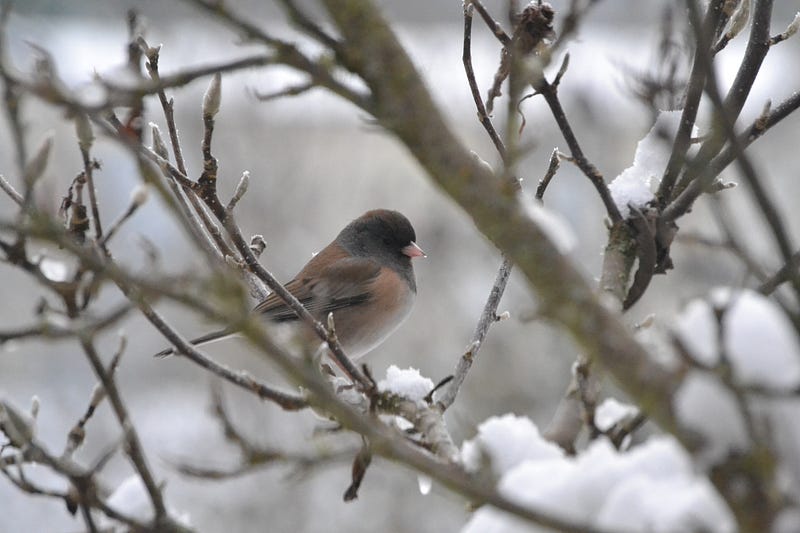
Finches are entertaining to watch, donned with vibrant, beautiful feathers. In the winter, however, goldfinches become a dull green or gray, making them more difficult to spot. With the right combination of wild bird food, water, and shelter, you’ll create an ideal environment to attract these small, feathered friends.
Table of Contents
- Reliable Shelter and Water
- Feeding Finches
- Finch Feeders
Reliable Shelter and Water
Not all small birds migrate South for the winter months. Some varieties, like winter finches, will stay in more temperate climates all through the winter season and are considered easy to attract if your yard meets their seasonal survival needs. That means providing reliable sources of food, water and shelter. They will likely migrate away from scarce food supplies and frozen habitats. If you live in a region where the water frequently freezes, you can invest in a Birdbath De-Icer. For nesting, winter finches enjoy coniferous trees and shrubs. Dead trees can be left intact, as they can use the hollows as shelter. Leaving birdhouses up through the winter will help too.
Feeding Finches
Finches prefer smaller seeds like Nyjer and Sunflower Chips because they are high in oil and easier to eat. If you mix it with a larger seed or put it in a regular seed feeder, a lot of the smaller pieces may fall out onto the ground and you’ll be wasting seed. For finches, it is best to use a specifically designed finch or Nyjer feeder.
Finch Feeders
These specific types of feeders have narrow slits to keep in the Nyjer seed or chips, while still allowing the finches to use their small beaks to pluck out the seed. They also help prevent other larger birds and animals from eating up all the seed. There are specially designed Spiral Nyjer Feeders that work perfectly.
I hope that these tips will keep you and your backyard finches happy! You can also check out a video from “Bird Man Mel” for more tips here.
Originally published for Pleasant Hill Pet & Livestock
Thank you for reading! If you enjoyed this article, please click the clap button (as many as 50 times, if you choose) and leave a comment as well. Comments are helpful to know what content readers might enjoy in future articles. Follow me if you would like to receive updates whenever new posts are published.


