3 Essential Tips to Boost Your Focus and Productivity
Imagine the following:
Over Sunday lunch, Jason talked to Nathan, who looked unusually tired. ‘What’s up, Nath? You look tired. Have you been working and playing hard this week’?
‘I wish I were playing hard, but I’m tired even before Wednesday comes, and the last thing I want to do is go out midweek and feel bad the next day, especially before an important client meeting’, said Nathan.
Nathan worked in the construction industry and on a high-profile project in the City of London. He is managing a team of 5 direct and 50 indirect reports.
Nathan hadn’t told Jason that he’d been struggling to sleep recently. He thought nothing of it and put it down to work stress. Nathan repeatedly woke up between 2 am and 4 am and fell asleep until the alarm went off at 6 am. He wasn’t getting enough good sleep and felt permanently ‘jet lagged’.
He needed a good night’s uninterrupted sleep, and he’d be back to his usual self.
Jason asked a few following questions:
- What time do you usually get to sleep?
- Was Nathan worried about something?
- What did he do before going to sleep?
‘Oh, I see why you might struggle to sleep, Nath. You’re spending too much time on your phone,’ said Jason, who knew about the link between screen time and sleep problems.
He’d read an article by Pervin Shaikh, an Executive Coach, who wrote about the downside of mobile scrolling late into the night. Pervin talked about the link between mobile phones and high blood pressure.
Jason quickly forwarded the article, and Nathan opened it while waiting for their coffees. Nathan and Jason were pals at University and previously worked at the same company, albeit in different departments.
They enjoyed meeting monthly, but Nathan recently postponed the last two meetings, and Jason was concerned.
Jason was telling Nathan about how everyone is dealing with an Always-On Culture.
How Does An Always-On Culture Impact You?
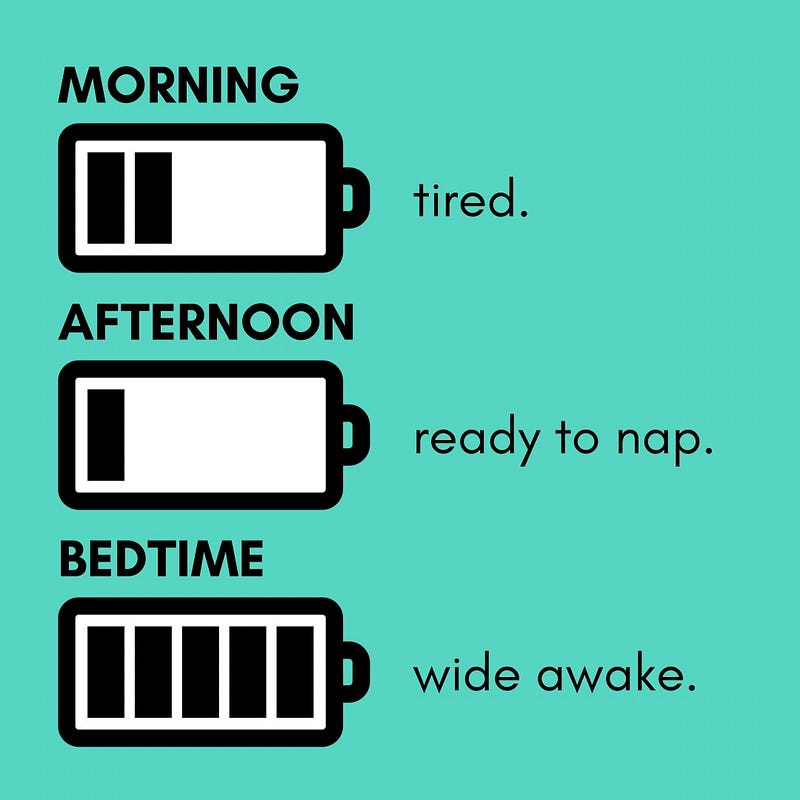
Always-on means connected and potentially always available. It impacts your ability to switch off and recharge, especially at the end of each day. If you’re in the habit of picking up your phone first thing of the day and the last, then you might find relaxing, recharging, or even sleeping a little more challenging. Why? Your brain is still working because it thinks it needs to process information or produce results.
Being continuously on social media can elicit both negative and positive outcomes
Some positives include feeling connected with family and friends, making new connections with other people around the world, and having an outlet for creativity and self-expression, to name a few. Negative impact: FOMO (fear of missing out) or checking your phone if the notifications are turned on. Both can mentally drain you.
Jason suggested he follow Pervin Shaikh’s three tips.
Three Tips To Boost Focus and Productivity
- Monitor Your Smartphone Usage
- Eliminate Distractions
- Self Care
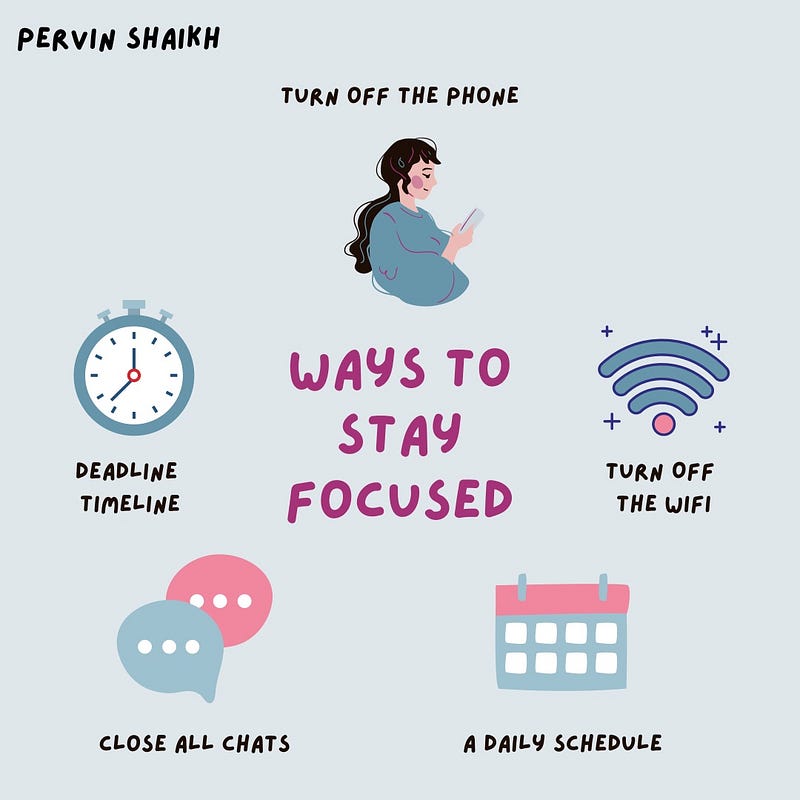
- Monitor Your Smartphone Usage
Do you know where your time goes each day? Doing a Time audit is a great way to understand what you spend your time on and how. When you know what consumes your time, self-awareness equips you to make the necessary changes. For example, if you’re not careful, it’s easy to pick up your phone or tablet while away for a few hours.
That’s not to say don’t enjoy yourself or deprive yourself, but if you’re trying to achieve great goals and accomplish tasks, be mindful of where your attention goes. It’s easy to waste time on activities that could zap your energy and time. If you set specific times for activities during your day, you will have better control over your time.
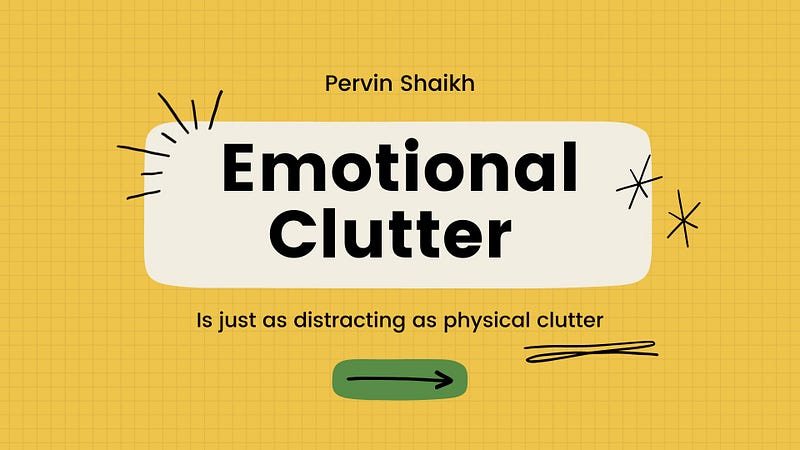
2. Eliminating Distractions
Tune out of External Noise. We’re bombarded all the time with information online and offline. As a result, it can be challenging to focus and concentrate. That’s why it’s important to limit what you expose yourself to daily, especially since most people are willing to expose themselves to the news, radio, social media, and mobile phone calls.
It’s important to tune out so you can tune into things that matter. This way, you’ll be able to focus more on your goals, get more done, and feel better. You’ll also develop better ideas and execute bigger and better plans.
The more awareness you have around this, the better because you’ll be able to see the impact external noise has on you. It could be in several ways, from procrastination, impacting your moods, influencing your thinking and shaping your behaviour, to name a few.
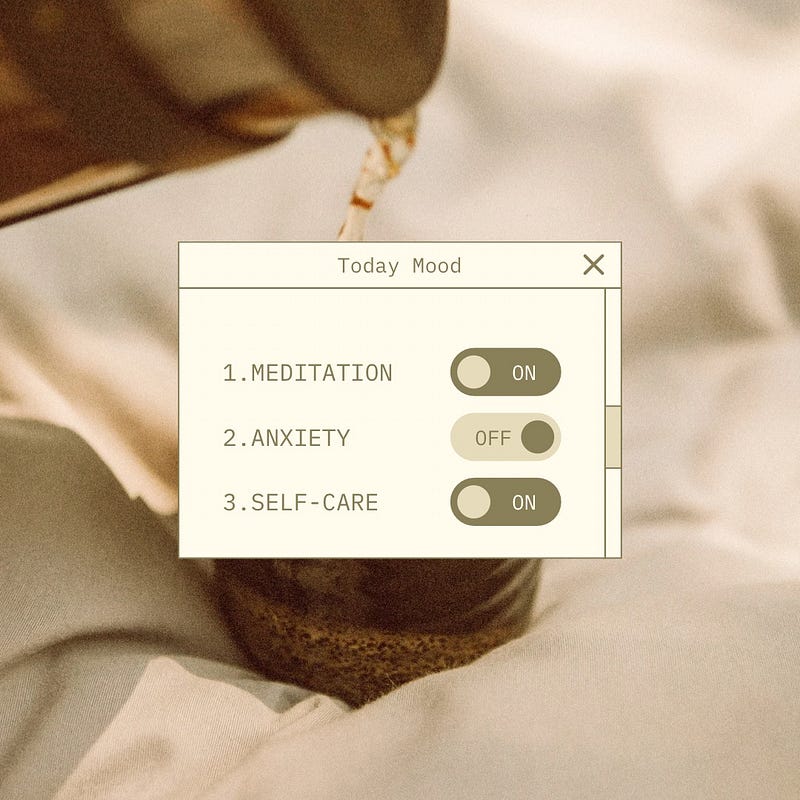
3. Self Care Matters
I’m a big fan of self-care and wellness. It matters on a personal, business, community and society level.
Self-care isn’t some woo-woo 21st-century airy-fairy speak either. Being concerned about yourself should be a top priority. Why? No one will do it for you either, not because they don’t care, but because they don’t know what you need. Making self-care your daily responsibility is essential, especially when you don’t feel like it.
To thrive, look after yourself well, internally and externally. Why? It impacts how you think and feel and determines your choices, the opportunities you choose, and the relationships you build.
If you’re too tired or feel overwhelmed and exhausted, you might be tempted to pass over a new opportunity/execute a new project/ formulate a new idea just because you didn’t feel it.
Tips
To get a healthier balance in life, follow these top 10 tips on Breaking Free From Social Media
❇️Set specific time limits: Allocate a predetermined amount of time each day for social media use and stick to it. Use apps or features that can remind you or automatically limit your usage.
❇️Create a schedule: Designate specific times during the day for checking social media. Avoid opening social media apps outside of those scheduled times.
❇️Establish tech-free zones: Designate certain areas or times in your home as tech-free zones, such as during meals or before bedtime.
❇️Turn off notifications: Disable non-essential notifications from social media apps to reduce the constant urge to check them.
❇️Identify triggers: Recognise the situations or emotions that prompt you to turn to social media excessively and find healthier alternatives to cope with them.
❇️Find offline hobbies: Engage in activities that interest you and help you disconnect from the digital world. This could be reading, exercising, painting, or any other hobby you enjoy.
❇️Prioritise real-life connections: Focus on spending quality time with friends and family in person rather than relying on social media to maintain relationships.
❇️Use productivity tools: If you need social media for work or communication, use productivity apps that block access to distracting features.
❇️Practice mindfulness: Be aware of your social media usage and how it makes you feel. Regularly take breaks to check in with yourself and assess if you’re using it mindlessly.
❇️Set goals and rewards: Establish realistic goals for reducing social media usage, and reward yourself when you achieve them. The rewards should be non-digital to avoid reinforcing the addiction.
Call to Action
Go for a walk, but don’t take your problems with you. Learn to leave your phones behind and focus on the moment. Pay attention to what you see, hear and smell. It will help to get perspective. Who knows, it might trigger new ideas and opportunities. Don’t push or force yourself to think. Instead, go with the flow.
Parting Comments
You’ll vibe at a higher level when you feel inner peace and have the brain space to think instead of always flitting from one thing to another.
However, it’s worth remembering that developing good habits is a journey, and being patient and consistent in your efforts is essential.
Thank you for your attention.
Follow me for more valuable tips.
Pervin
linktr.ee/AimHighLtd


