
Public Speaking
3 Essential Ingredients of an Engaging Presentation
Impress an audience like you never have before

You’ve been working on this presentation for months. Blood, sweat, and tears went into this PowerPoint on ‘why you should use Salesforce as an interface’. The success of this performance determines whether or not you get the promotion of your dreams.
Your boss is in the audience, taking notes on your ideas. You wonder what’s going through their mind as you scan the crowd. Your gaze slowly pans left to right, eventually focusing on the back corner by the exit door. Your heart stops. Your worst nightmare comes to life. Barbara from sales is gently closing her eyes to take a snooze as you speak. Barbara is the most engaged and supportive listener you could have in an audience — this is not good.
No matter what stage of life you are in, there will come a time when you’ll be tasked with creating and performing a presentation. It could be a school project, a pitch at a conference meeting, an educational course; every human must know the basics of public speaking.
As a Professional Communication graduate and national silver medalist in Job Skill Demonstration, public speaking is a huge passion of mine. An effective presentation makes my heart warm, and throughout schooling and my occupational experience, it’s become evident to me that there are three key aspects of a successful presentation.
Participation

One of the most engaging strategies a speaker can utilize is interacting with their audience. Interaction doesn’t necessarily mean getting someone from the crowd up on stage to participate in an activity — working with your audience could mean something as simple as asking a question and getting a response from a listener.
There are countless benefits to interacting with your crowd. The creator of VoxImpact, a public speaking and voice coach expert explains in her publication, “when you ask a question or start a conversation with your audience, you show that you care about their concerns, experiences, and opinions.”
There’s a big difference between simply throwing information at a person and having a guided discussion with an audience. Integrating audience opinion into a presentation allows the listener to feel important and more motivated to take interest the information you are providing.
“As much as you would love to be the smartest person… involving your audience is a way of harvesting the collective intelligence in the room.” You may be an expert on the topic of what you are presenting, but this doesn’t remove the importance of continuing to build your repertoire even further when you are a presenter.
Welcoming advice from your audience motivates them to engage even deeper. Encouraging them to think critically about your presentation — correlate their life experience with your ideas. Not only does this strategy help you grow as a person, it helps your audience remember who you are and what you have to say.
The biggest issue presenters have with the concept of participation is getting audience members to participate. As an experienced audience member, I still get nervous about participating during a presentation because I don’t want to provide an answer or opinion that is wrong or comes across as unintelligent.
My number one tip for presenters to encourage their crowd to commit is to provide rewards. Whether its giving participants candy when they provide feedback, offering them a perk after the presentation if they answer a question, or ensuring you praise the crap out of them when they decide to speak up, rewarding your audience is the easiest and best way to start a conversation.
I personally am much more enticed to share my voice when there is a KitKat on the line!
Audio/visuals
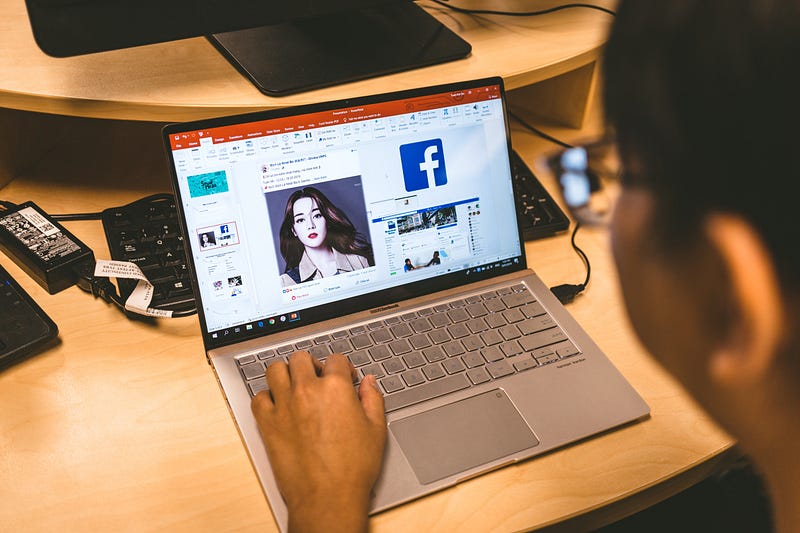
This aspect of a presentation is specific to presenters who are utilizing the assistance of a PowerPoint or other slideshow interface. Incorporating audio/visuals into a presentation is essential to a project’s success.
Audio/visuals can mean a lot of different things — videos embedded into a slide, slides that are entirely an infographic or photo, a sound bite to compliment a slide, or a song playing in the background during your presentation.
The two biggest reasons why audio/visuals in a presentation encourage success are because of its impact on engagement and memory.
Did you ever have that one super boring class in school, with the teacher who refused to put anything on a slide besides an overwhelmingly larger amount of tiny black text? How awful was that class to attend? I had a prof like this in university, no matter how hard I tried to keep my eyes open and read the entirety of each slide, it seemed impossible.
There is science behind this experience, Venngage, a marketing design company explains in an article focused on visual design that, “presentations with visuals are 43% more persuasive, and 65% of us are visual learners.” It’s not our fault that we feel exhausted and drained when a presenter only shows us text, it is a natural reaction and is simply a reflection of how our brains work. Therefore, engagement of an audience is best seen with visual presentations.
This doesn’t mean that you should bombard your audience with visuals, flashy videos, and insane noises, all this is going to do is cause information overload. Instead, consider audio/visuals as an extremely delicious and effective condiment to your presentation hamburger.
Regarding memory, there are multiple studies that support the idea that visuals assist with information retention. According to education consultant Dr. Lynell Burmark, “unless our words, concepts, ideas are hooked onto an image, they will go in one ear, sail through the brain, and go out the other ear. Words are processed by our short-term memory where we can only retain about seven bits of information (plus or minus 2) […] Images, on the other hand, go directly into long-term memory where they are indelibly etched.”
No matter how hard we try to remember the words a person is saying during their snow tire sales pitch, we are most likely to remember the company or consider using their product in the future if they show us a picture of the snow tire or a fun video that explains how the product works.
I still remember a presentation that was given every year at my elementary school, focused on the hazards of smoking. The presenter always used this one contraption to show how smoking affects human lungs. The device and segment of the presentation were very similar to this video I found on YouTube.
I remember this presentation so vividly, specifically because of this demonstration. If the presenter had just listed off the reasons why you shouldn’t smoke, I most definitely would not have that information in my memory today.
Eye Contact

The final ingredient to an engaging presentation is eye contact. This sounds extremely easy to accomplish, however, many presenters fail to nail this skill.
There are many reasons why a presenter may fail to gaze into your eyes during their performance — maybe they are extremely nervous and feel awkward looking at you, maybe they are focusing too strongly on their notes or PowerPoint, or maybe they are staring solely at one person or area of the room. No matter the case, avoiding or struggling with eye contact directly affects the success of a presentation.
Similar to the benefits of interacting with a crowd, giving audience members kind eyes and a fairly equal amount of eye contact, allows the audience to feel connected to you and feel important to you. Virtual Speech, a soft-skills training company explains in an article that, “sustained eye contact is an invitation to turn your talk into a conversation. It creates a bond between speaker and listener, a connection that is beneficial to both parties.”
Think about when you are having a conversation with your friend or partner. If you are trying to tell them something important and they are not looking at you, chances are you don’t feel fully heard or understood by them. You may even say their name or ‘hey’ in order to get their gaze directed at you once again. This is the same case with presenters and their audience. If you aren’t looking at your audience members and engaging with them, why would they feel the need to look at you?
Even if audience members aren’t looking at you and you feel disheartened, continue to provide slow scans back and forth across the room, and continue to connect your gaze with audience members. When the time comes that the person looking away decides to look at you, there is a chance that you two will catch eyes, and they will then feel obligated to continue watching you.
An interesting study was conducted by the Journal of Environment and Behaviour at Cornell University. The project focused on eye contact in correlation to consumer behaviour. Researchers, “manipulated the gaze of the cartoon rabbit on Trix cereal boxes and found that adult subjects were more likely to choose Trix over competing brands if the rabbit was looking at them rather than away.”
The results of this study can be translated into the situation of presenting to an audience. Audience members are more likely to like who you are and what you are saying if you give them attention with your eyes. Participants may even be more likely to purchase a product that you are promoting if you successfully use this strategy.
With the integration of audience interaction, audio/visuals, and eye contact, you are on your way to becoming a masterful public speaker. Remember that your audience members are your friends — the more relaxed and natural you are in speaking with them, the better your presentations will go.
As much as the traditional advice of picturing everyone naked may be of help to some, I would recommend these ideas much before the former.


