
Food/Health & Wellness
3 Effective Ways To Remove Pesticides From Fruits & Vegetables
Most people wash their fruits and vegetables under running tap water
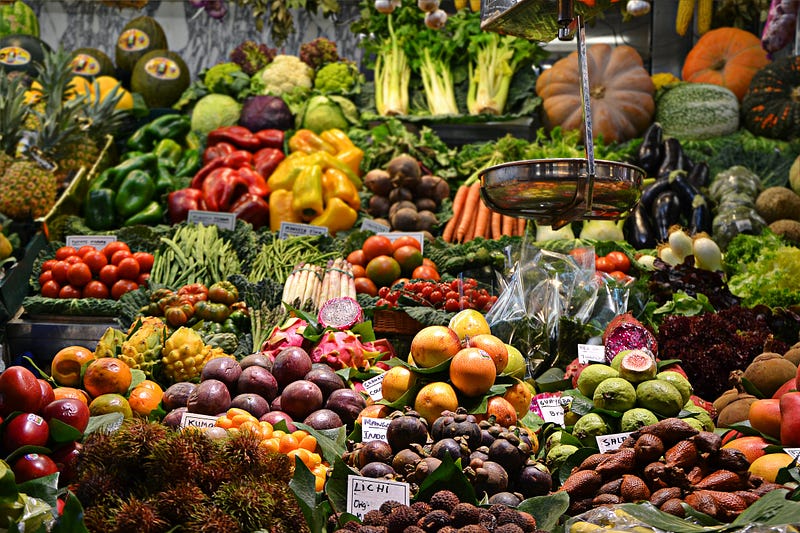
Eating more fruits and vegetables is one of the best healthy habits to cultivate, however, because of the pesticides used in virtually all farming, it is ideal to ensure we wash thoroughly before eating.
Pesticides are used to protect crops, especially in the early state to rid them of insects, bacteria and some typical crop diseases. Some fruits are more susceptible than others due to the thinness or thickness of the skin.
We can however get rid of residue by removing the skin, but this is not recommended because of the micronutrients in the skin, therefore washing your fruits and vegetables before eating is essential.
Customary Pesticides Used In Fruits & Vegetables
The most common pesticides used on fruits and vegetables are fungicides, insecticides, herbicides and bactericides. As the names suggest, they primarily kill the fungus, weeds, insects and micro-organisms that can endanger the crop.
All pesticides are pollutants, although not all are biodegradable. Some are easily broken down, some do take years, and others are resistant to degradation(known as POPs — Persistent Organic Pollutants), and can remain in the environment for years.
POPs are banned in many countries, including in the UK, but because they have been used for a long time, their effect is still felt in the environment. POPs are said to cause cancer, hormonal disruption, diabetes, and some neurological diseases. That is how bad POPs are.
Pesticides Have Negative Effects On Health
There was this particular pesticide that was commonly used by farmers in the nineties because of its effectiveness. Its name is Dichlorodiphenyltrichloroethane,(DDT). It was later found to be highly toxic and unsafe., so many countries now banned them, including, The UK.
Most pesticides contain these four toxins:
- Heptachlor is said highly toxic to bees, aquatic animals, and birds. It can cause cancer of the liver, upset the tummy and cause neurological issues like dizziness.
- Atrazine is a known disruptor of normal pregnancy causing low fetal weight, limb defects, and heart and urinary complications.
- Glyphosate commonly called Roundup, affects the endocrine. It is also a carcinogen, with a link to liver, disease, reproductive and birth defects, and DNA damage in developing foetus.
- Chlorpyrifos is said to cause autoimmune disorders, respiratory issues in adults and neurological problems in foetuses.
3 Effective Ways To Remove Pesticides
- Soak in diluted vinegar water (one part of vinegar to four parts of water) — for at least twenty minutes. Caution is essential here, do not soak delicate fruits like berries for too long, otherwise it might be soggy.
- Soak in bicarbonate of soda (sometimes called baking soda) — one teaspoon of baking soda to two cups of water, and thoroughly for at least 15 minutes.
- Soak in salt water — use sea salt or Himalayan salt (10% salt water solution), and wash thoroughly for at least twenty minutes.
The Takeaways
- Washing bag salad is also essential, even if it reads, ‘WASHED, READY TO EAT.’ You cannot be sure how the bagged salad is washed.
- Toxic chemicals can remain on fruits and vegetables unless they are washed off, so make it a duty to wash all vegetables, including the organic ones.
DISCLAIMER
Although great research has gone into this post to give the genuine substance to it, nevertheless it does not still represent professional advice in any way. Please consult your professional health expert about concerns that you have. It is therefore given for readers’ interest and entertainment only. Thank you.😑
💔If you are inspired and looking to start writing on Medium, why not jumpstart your writing journey by using this link? If you love what you read, you can personally support me here. Thank you.💔


