
3 Eating Habits I Want to Raise My Kids On
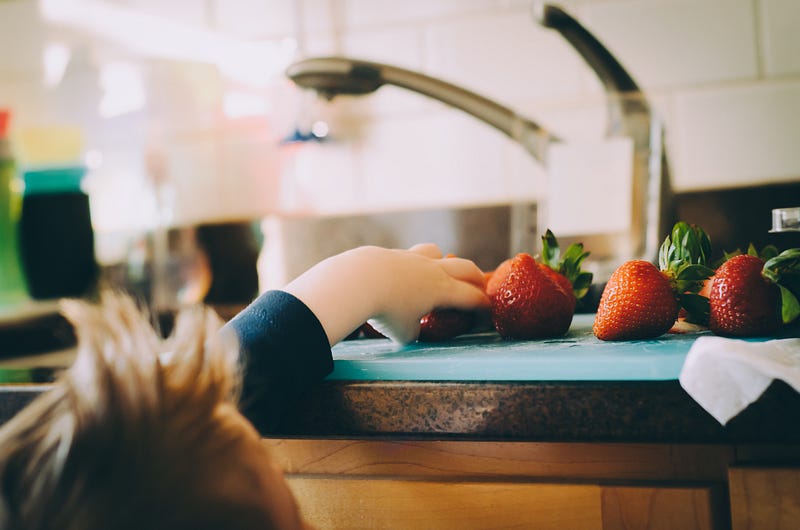
Food in a country like Malaysia is everything. And I say that seriously. Growing up, I remember how we’d shun the person who didn’t want to eat at a family event or express grave concern for the poor soul who chose a salad from the menu.
“Is there something wrong?”
“Are you okay?”
“Are you on a diet?”
These were the questions that would arise if anything but rice, deep-fried chicken, or rich and spicy curry were selected.
Don’t get me wrong, a part of me still feels this is the way to go. When this pandemic settles down, I urge you to make a trip to Malaysia and try the local food. Or Google it. There’s nothing like it; not even food from Singapore can compare (cue angry Singaporeans).
But a large part of Malaysian cuisine isn’t health-based; it’s taste based. Don’t talk to us about fresh vegetables unless you’re adding salt, sugar, and oil to it. And our national dish Nasi Lemak, which literally translates to ‘fat rice’, yeah we can have that for breakfast, lunch, and dinner.
Which is why obesity is so rampant in Malaysia. We have the highest obesity rates among adults in South East Asia.
Seeing my parents suffer from weight and diet-related illnesses like diabetes and hypertension made me think about our food choices.
My parents brought us up on close to 4 meals a day — breakfast, lunch, tea, and dinner. And if there wasn’t refined sugar or carbs in at least 3 of those meals, I’d be surprised. But that’s what’s normal to them. My mom still thinks I’ll die if I don’t eat rice for a week. It’s traditional thinking because my grandmother says the same thing.
But there’s no excuse now. The amount of information available to make healthier decisions about food means we have to rethink what we consume. And if I don’t start now, I can’t build the right habits for myself or my children. New traditions need to take root, and consciousness needs to grow.
- Enjoy everything, but err on the side of healthy food
While I’m sure I won’t be the parent who says “I let my child eat whatever they want”, I also doubt I’ll be one of those “don’t ever eat French fries, cake, or fried chicken” kind of parent. I’d be too fearful of being called out by my kids or having to sneak around after a Maccas run.
I’d like for them to be adventurous with all the kinds of food that exist in this world. We get a taste of diverse cultures through cuisines, and if there were hard ‘no’s and labels on some foods as being ‘bad’ or ‘wrong’, it would kill their curiosity and openness.
Instead, I’d like for them to have an understanding of what foods are good for our body and how eating them makes us healthier and stronger. Why fruits instead of pastries for tea time? Or nuts instead of crisps for a snack? Because it’s good for our digestion and metabolism and they make us feel better and live longer.
They’re simple everyday choices, but they normalize healthy eating. And it doesn’t imply that if you’re at a friend’s home and they serve you cake that you’ll now have to excuse yourself.
Enjoy all the flavors of this world, but take care of your body first.
2. Think about the type and amount of sugar you’re consuming
Sugar is a big one for me. As Malaysians, you can’t escape boba teas or sweetened milk in every other drink. Seeing my parents’ health deteriorate because of diabetes, I lost a lot of love for anything with sugar. And some pounds too.
It also sent me into research mode. I wish I knew much sooner the amount of sugar I’ve put into my body over the years — especially for breakfast.
So for my kids, bye-bye to Frosty’s, Koko Krunch and Honey Stars for breakfast. These artificially colored and sugar-filled cereals are delicious, but we know they’re a deceiving bowl of good looks. I’ll spare the details about sugar content and calories.
Again, I avoid the labels so sugar isn’t ‘bad’. It exists in different forms — natural ones in fruit or highly refined ones like in colas and candies. It comes down to which ones we’re choosing, and how much of it we’ll take.
If the kids are choosing to get sugar from an apple over a strawberry lollipop, I’ll say I’ve done my job.
3. Meat is the side chick, not your main
I’m thankful for the rise in awareness of the harmful impacts of meat consumption on the environment. While I’m not vegetarian, learning about the conditions of animal farming and the environmental impact of it has seriously reduced the amount of meat on my plate.
That’s no easy feat. Meat is always the main in our culture. But I’m determined to change that.
Because eating habits need to be about our health as much as they are about the health of other people and the environment. Have we weighed what we’re losing when we cut down forests to make room for cattle ranches?
That’s the thought process I’d like my kids to have. To be so conscious of the things we eat that we see how they affect the world around us.
Idealistic? Maybe. But I think this habit will lead to other good habits like reducing waste, recycling, or even urban farming.
I’m wary to think in extremes or sweeping statements of we should do this and don’t do that because I’m not an expert nor a parent (yet) and don’t have all the answers. But eating habits all come down to one thing: your mindset.
If our kids have a mindset of wanting to eat healthier to live better and not harm the earth, then their habits and choices will follow suit.
I’m also curious about what will happen to our culture as we place more emphasis on eating healthier. I hope for the next generation of Malaysians, that sense of adventure and consciousness will lead them to creations that are as wonderfully tasty as they are healthy.


