
3 Disapointing Vintage Lens Fails
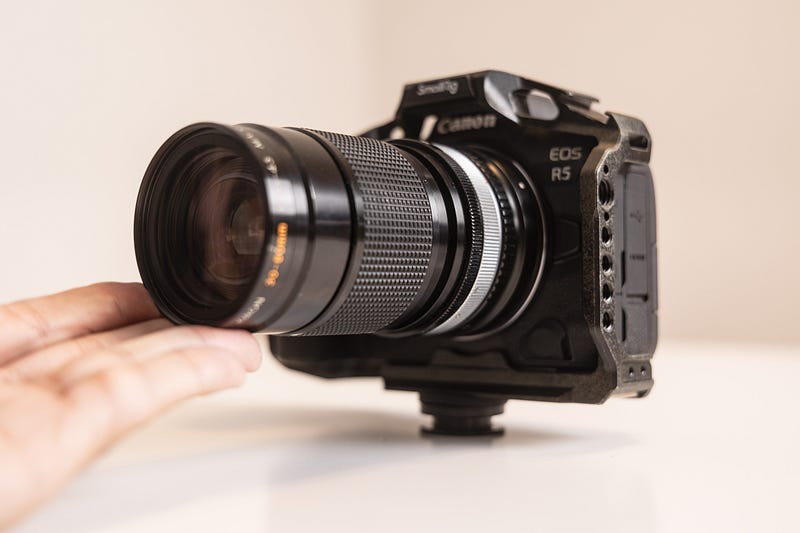
3 vintage lenses from brands I adore, that just didn’t deliver like usual.
Sometimes we try something new, and if it sucks, then it sucks.
That’s kinda fine, its expected, it's new, and we bake in realistic expectations.
When we get burned by something new, it’s sorta a “meh” feeling or a written off as wash.
“Oh well, at least now I know”
However, when you get disappointed by something you’ve established as already adequate, good, or exceptional. It hurts a bit.
It might even cause you to doubt yourself a bit too. Was I wrong about the prior examples of excellence? Did I do something wrong this time? Were my good experiences just a fluke?
Sorta like being betrayed by a close friend.
Its the same with vintage lenses, if maybe even a bit more. Sometimes this comes from how they were treated, causing unique coatings to fade or focus rings to stick and grind. Sometimes the original manufactures weren’t consistent with their standards. Sometimes things just suck more as time goes on. It’s hard to say.
I think this is however what makes the hunt for those spectacular vintage finds so exciting for some of us.
It’s like dating and finding “the one”. Your forever partner, no one else has one, they’re special to you, and by this point in their life, there’s no one else remotely like them.
She’s perfect as she is, and she’s yours, and she’s Hungarian and see’s the world a bit different from everyone else…and okay I’m not talking about lenses anymore.
Oops. Love ya Julia (she’s gonna kill me for this part).
Alright, anyways, uhm, monologue over.
I think you get the point. I like my vintage lenses, and I’ve come to expect a certain quality from certain brands. Maybe that’s my mistake, but today you’ll get to learn from them, and find a few models of lenses I should’ve avoided so you don’t have too.
All of these below examples hurt a bit to even explain (yes, I’m being dramatic). This is because I adore almost every Super Takumar I’ve used, and I’ve used multiple versions of each focal length I’ve sampled as well. Likewise, I started my vintage lens journey with the Kiron family of lenses, a dirt cheap but underrated set of vintage zooms. Lastly, Jupiter is sorta revered in the vintage community as an admittedly overpriced, but equally hard to find (a clean one) gem and bokeh monster.
SO WHAT WENT WRONG?
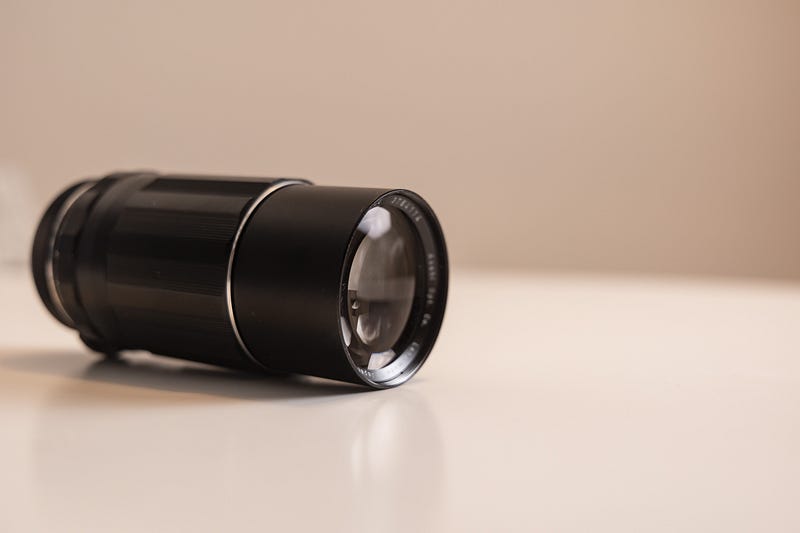
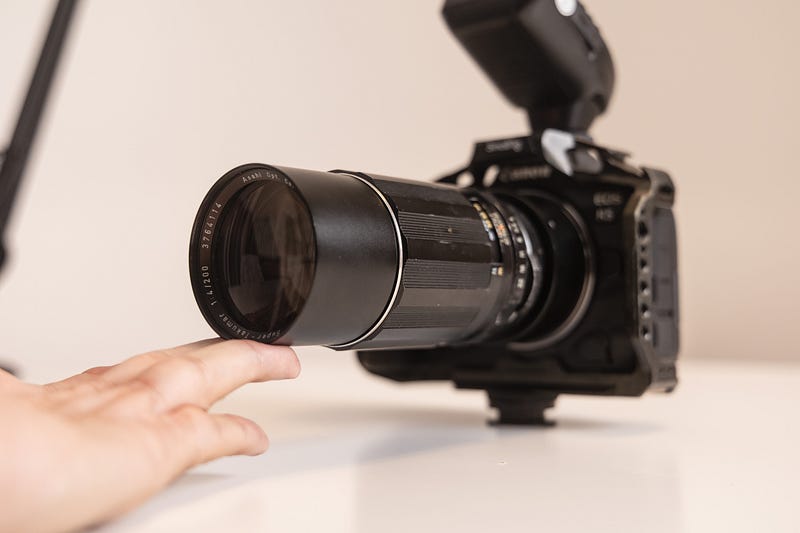
#1 Super Takumar 200mm F4 — I really wanted to love this lens. A 200mm F4 already sits in my camera bag full time, and it’s called the Jupiter Mk21 200mm F4. It’s a heavy tank of a lens (I dropped it 8 feet onto stone and it only scuffed up the focus ring, otherwise it was fine) and super easy to nail focus with. Also the Jupiter produces the most lovely “flame” bokeh in the right conditions. Full Jupiter 200mm review with sample images here.
Okay, so what about the Takumar, why am I talking about the Jupiter? Because the Jupiter does everything better (except for the weight and size) than the Takumar. Worse, the Takumar lenses in my experience have often been consistently better than their Jupiter counterparts in every comparison. The Takumar “should’ve” won this matchup, and that’s disappointing. EVEN WORSE, it has terrible chromatic aberration, dull lens character, minimal bokeh, soft wide open, and difficult to focus with. None of which sounds like what many have come to expect from a vintage Takumar. Next please.
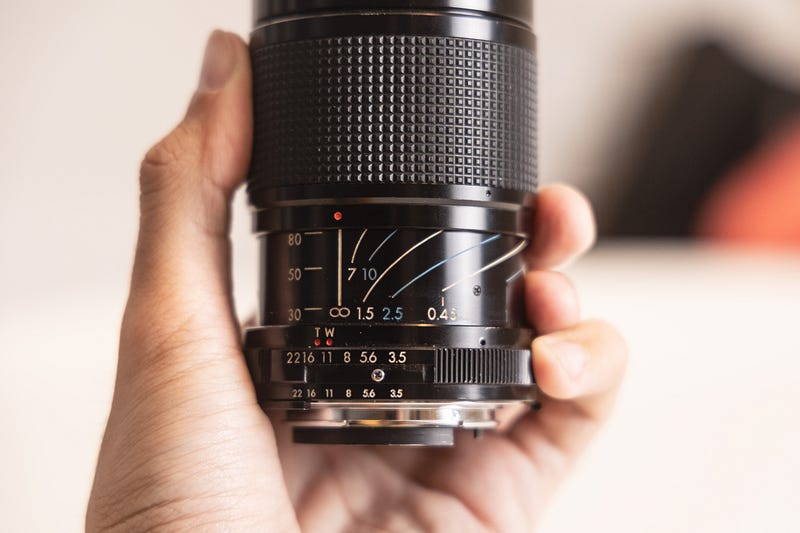
#2 Kiron 80–200mm F??? — I love the deceptively basic Kiron 30–80mm F3.5–4.5 Macro lens. I generally don’t recommend vintage zooms, the primes of the times were often much much better, and now their price difference is negligible The Kiron 30–80mm however gives an amazing value (often on ebay for $40 or less) and shockingly good image quality. It won’t beat out a Canon or Nikon prime, but you’ll get a medium speed zoom with unique focal length range and macro capabilities.
There will be unsightly chromatic aberration in harsh light. Notably, the soft blacks, lower contrast colors and gradual focus fall-off give the most “film like” photos straight out of camera and I adore the 30–80mm for this. All five copies I own operate the same way across both the Nikon F and Canon FD mounts. All have been a pleasure to use. Just stick to the Nikon F versions if you plan to adjust the aperture at all, because the FD versions won’t adjust with modern adapters. Full review with sample photos from Kiron 30–80mm here.
So, what about the 80–200mm? Well, to put it nicely, if I had one still, and I at one point had two of them, I would throw it in the trash, again. It’s hard to focus, has none of the strengths of it’s 30–80mm sister, and the front element seems to crack and chip if you even look at it harsly. The Kiron 80–200mm seems to have originally been designed as a counterpart to the 30–80mm, but it has never achieved that goal for me. Seriously, such a let down. The 80–200mm is so disappointing that it sometimes somehow even taints my opinion of its otherwise perfect 30–80mm sister.
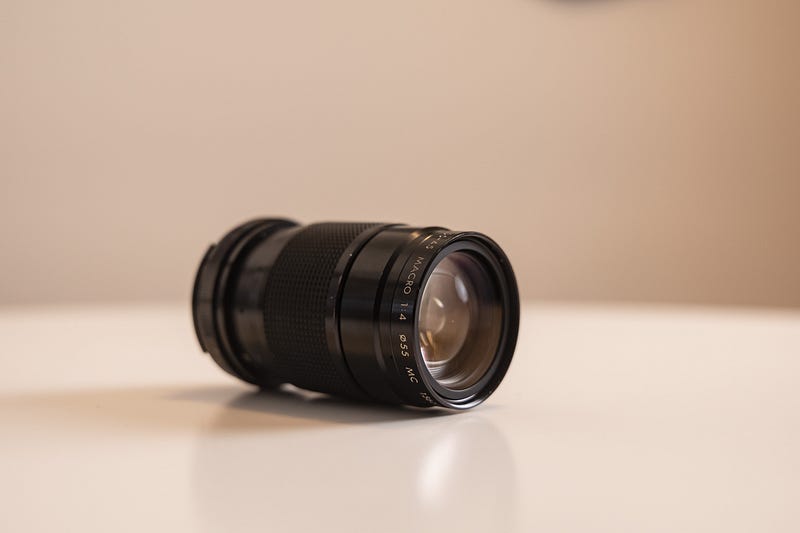
#3 Jupiter Mk8 50mm F2— Okay, I’ll be a bit nicer and shorter in this roasting. I’ve already sung the praises of the Jupiter Mk21 200mm F4 above. The Jupiter Mk8 mostly suffers in my opinion due to the fact that it has two siblings (Mk9 85mm and Mk21 200mm) that are just hands down better at their intended purposes than the Mk8 50mm is at its purpose. The Mk8 isn’t terrible when reviewed on its own.
The abnormally far minimum focus distance (like 3 meters) is strange for a 50mm, but I believe this is a side effect from this lens model originally being a rangefinder lens. Maybe someone can correct me on this? This far minimum focusing distance also inhibits the otherwise AMAZING bokeh effects coming from the Jupiter 50mm.
In fact, at the time I got my copy, it was the most amazing and stunning bokeh I’d ever seen from a vintage lens. Very busy, like a supernova exploding thousands of times in your background. Highly recommend.
Again though, the minimum focus distance makes that subject separation and bokeh hard to achieve reliably. It often felt like an afterthought, not a selling point of the shooting experience. Also again, the Jupiter Mk21 200mm just is a better 200mm than the Mk8 50mm is a 50mm. Does that make any sense?
It is very retro looking, tiny, even cute some might say. So point to that. I want to like it, but I just never use it. If someone was looking to pick up a vintage 50mm I’d recommend the classic “nifty fifty” Canon 50mm F1.8 or a Super Takumar 50mm F1.4 instead.
Reviews and images can be found in those links too.

This wraps up my vintage fails. I sorta stole this article idea (with permission) from Gareth Willey , so go check out his original article next!
Cheers!
Thank you for reading; follow us and clap a couple of times (it’s free).
Also, if you like what we’re doing, consider supporting us by signing up for a Medium subscription, part of your subscription fee goes to us each month and also supports all the other writers you read on the platrform as well. All at no extra cost to you.