avatarSamyu Varsh

Summary

The website emphasizes the importance of incorporating blank space in creativity, particularly in design, interior design, and writing, to enhance user experience, readability, and overall impact.

Abstract

The article "3 Best Practices of Blank Space in Creativity" discusses the critical role of blank space, or white space, in various creative fields. It argues that the strategic use of empty space is not merely an absence of content but a deliberate element that contributes significantly to the presentation and effectiveness of design and writing. In graphic design, white space frames the elements and facilitates a clear user experience. In interior design, it allows for better human movement and contributes to the mood and health of the occupants. In writing, the spaces between words and paragraphs guide the reader's flow, making the content more digestible. The article suggests that a well-planned visual hierarchy with ample blank space helps readers comprehend the context more quickly and engage with the content on a more intuitive and sensual level. The author concludes that without blank space, the impact of the content would be lost amidst too many competing ideas.

Opinions

  • The author posits that blank space is essential for bringing out the best in creative work, comparing it to the "essential soul" in user experience.
  • Overcrowding of information is seen as counterproductive, leading to a lack of focus and impact.
  • White space in design is likened to a "sacrificial metal" that humbly rules the composition, bringing cohesiveness and life to the content.
  • The article suggests that rhythmic eye movements, invited by the presence of blank space, engage the mind and enhance the interface interaction.
  • The importance of subscribing to the content is highlighted, implying that readers can benefit from continued exposure to such insights.

3 Best Practices of Blank Space in Creativity

The significance of presentation in design and writing
Freepik

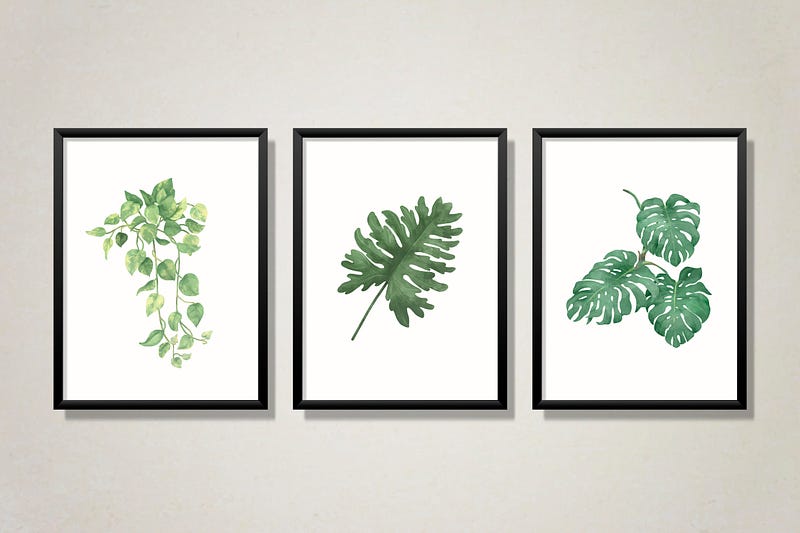
All the essence of the entailed is brought to its best effect only by the empty spaces in between. We are often terrified of silences and emptiness. Even sometimes the blank pages seem jarring. We should remember only lengthy amounts of them is intimidating. So are heavily scribbled sheets and drawings which stir madness. Information architecture makes a huge difference.

White space is vital

  • Graphic design — The white spaces form an integral part of a design. It acts as the essential soul of the user experience process. Making way for the other elements to speak for themselves. Backed and enveloped by negative space.
  • Interior design — The empty spaces between the furniture creates a fluidity for an ambiance. Human movement through it enhances mood and health.
  • Writing — The blank spaces in between words. And the visual structure of whole pages from print media to screens. Brings a read flow to the whole picture.

Ultimately, the format’s visual hierarchy offers simple comprehension. Well planning the blank spaces when tweaking will help readers grab the context in less time. Resonating with an intuitive interface and sensual fulfillment.

Key takeaway

If all details are too congested. There would be plenty of ideas in want of praise and attention at the same time. Importance to everything will shatter all. There will be no impact. The absence of text makes the print be noticed. Rhythmic eye movements invite the mind to engage with the interface. White space is like a sacrificial metal but it rules humbly to make it all come alive together with cohesiveness. The same applies to our vocalized words, with powerful pauses.

Want more?

Subscribe to receive the stories first. Hearty thanks for the read.

Information Architecture
Graphic Design
Visual Design
Interior Design
Writing
Recommended from ReadMedium