
3.11—The Day The Great East Japan Earthquake Revealed Our Fragility
Everything was out of service: phones, trains, and electricity.
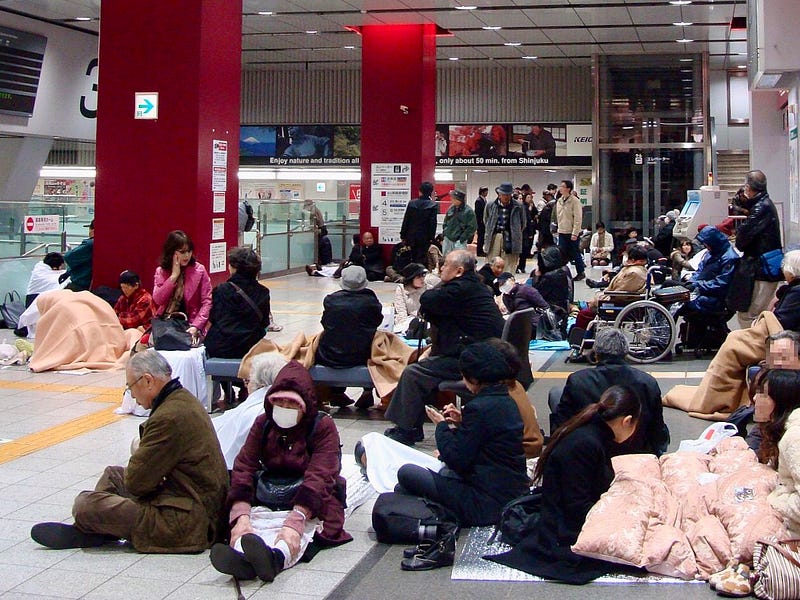
The Great East Japan earthquake hit us on March 11, 2011. The magnitude was 9.0—it was one of the biggest earthquakes to ever occur in Japan.
According to the National Police Agency, 15,900 people lost their lives and 2,523 remain missing due to this earthquake and the massive tsunami it triggered.
I was in Tokyo that day, so my story is totally different from what people in the Tohoku region experienced. My environment was so much safer. However, it was still chaotic even in Tokyo.
What I Experienced That Day
On March 11, I was working at a Japanese machinery parts manufacturer. My workplace was on the second floor of an eight-story building.
It was Friday afternoon. Everyone in the international sales division was in a relaxed mood, getting ready for the weekend.
At 2:46 p.m., hard vertical shaking struck. My colleagues and I had no idea what was happening. The big and long swaying told us that an earthquake of unprecedented magnitude was in full swing.
Holding ourselves in place by gripping our desks tightly, all we could do was wait till the shaking ended. It felt like it went on forever.
Five or six minutes later, the shaking finally died down. We sighed with relief and checked the news, and tried to wrap our heads around what had happened.
I immediately tried to call the Singapore office to inform them of the situation, but the line was dead. Everyone was trying to check on their loved ones and overloaded the phone lines. While I was emailing our overseas colleagues and distributors, someone yelled, “The trains are not working. We can’t go home.”
Tokyo Without Trains
The office was barely within walking distance of my home, so I wanted to head home early before the streets got dark. I tried calling my parents, but the phone line was still out of service.
The head of the department looked clueless. He kept saying, “The CEO’s checking the situation, so please don’t leave the office yet.” Though some members insisted that it would be fine to let us go home, he kept repeating the same line.
Around 5:00 p.m., the speaker on the wall finally delivered the CEO’s message. “The security around the building is confirmed now, and employees can leave the office.” It was almost our regular closing time.
I grabbed my bag and sprinted outside. The main roads connecting neighboring prefectures were filled with people. It was unreal. Some people were wearing helmets. I walked over an hour surrounded by fellow commuters before finally arriving home. It was already dark and I was exhausted but grateful to be alive.
Later, I learned some of my colleagues stayed overnight at the office, and my father walked home all the way from his workplace, which took over four hours. That was nothing, however, compared to the lost lives in Tohoku and the accident at the nuclear power plant.
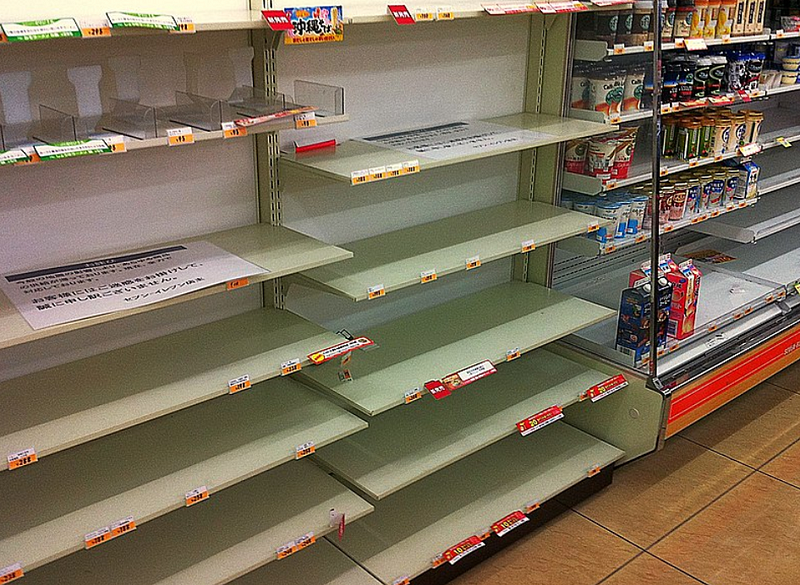
Nuclear Disaster and Power Shortages
Due to the Fukushima Daiichi nuclear power plant disaster, over 36,000 residents had to evacuate and eventually relocate from their hometowns in Fukushima.
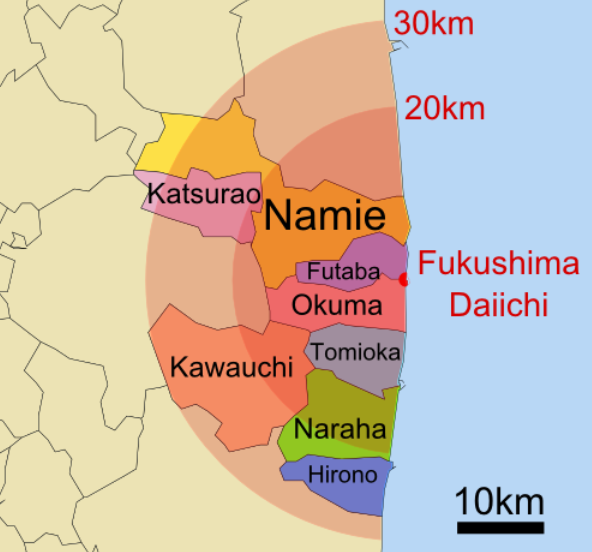
Although the official number of evacuees released by Fukushima prefecture is 36,000, local municipalities use different calculation methods to count displaced people; some include those who have registered their residences outside the cities and towns as evacuees because it doesn’t mean they returned, and some don’t.
One source tells using the local municipalities’ data, the total number of evacuees could be over 67,000.
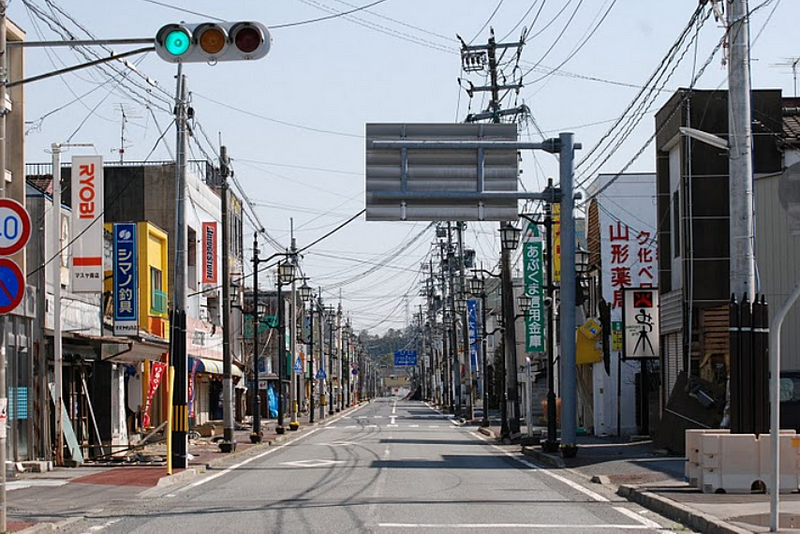
Even after 11 years, the cities and towns around the power plant are designated as “difficult-to-return zones.” A few evacuation orders will be lifted this year, but many houses and businesses have been abandoned too long and are no longer habitable.
The shortage of electricity became a serious issue right after the earthquake. Starting from Mar. 14, some prefectures mainly in the Kanto region had rolling power outages to conserve electricity.
In the summer of 2011, the Japanese government announced the power-saving target of 15% at the peak in eastern Japan.
My employer ordered all employees to come to work one hour earlier than usual—from 7:30 a.m. to 4:30 p.m.—to support this policy during that summer. But nobody could actually leave the office before 5:00, so we had no idea how much electricity the company really saved. Everything was unprecedented and disorganized.
My Thoughts
Living in Japan always entails the risk of earthquakes.
My grandmother, who lived in Niigata, once developed mild PTSD symptoms after the Mid-Niigata Prefecture Earthquake in 2004.
We all know there’s no one-fits-all solution for earthquakes and nuclear power plants. Nature is bigger than human beings, and we’re still crazy enough to step into war when a dictator rules a nation.
But now, people who know Japan well can convey these stories to raise awareness of nuclear accidents. Call me naïve, but I still believe human beings live to be better.
Mr. Children—one of the most popular bands in Japan—released a song titled Kazoe-Uta (Counting Song) in April 2011. The band donated the proceeds to fund the reconstruction of Tohoku. Even today, its lyrics resonate with me:
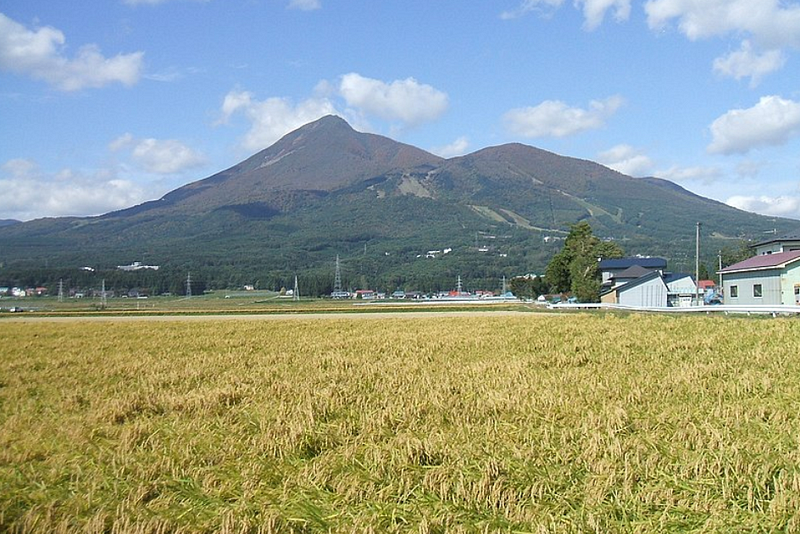
僕らは思っていた以上に 脆くて小さくて弱い でも風に揺れる稲穂のように 柔らかくたくましく強い そう信じて We are more fragile, smaller, and weaker than we thought But we are soft, resilient, and strong like rice-ears swaying in the wind Believing in us
Only on Mar. 11 (Japan time), Yahoo! Japan and LINE will make a ¥10 donation to the Tohoku region for each person who searches on ‘3.11’ on the Yahoo website or LINE app.
So please search on ‘3.11’ on Yahoo!Japan or the LINE Search on your LINE app to remember this day and support people suffering from the aftermath of this terrible tragedy.
Please follow me for more stories about Japanese culture, travel, and parenting. You can also subscribe from the referral link which will support me from a portion of your fee without any additional cost. Mediumの購読は、ぜひこちらのリンクからどうぞ。


