
Why It’s Hard to Identify Toxic from Productive Content
Using mindfulness to be better about the content we pay attention to
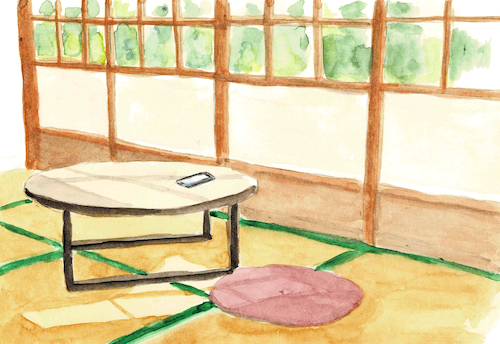
We were visiting my grandma at her house, a rundown and old house, where the floors are tatami, the doors and walls are wood, the only air conditioning is a big fan, and there is no wifi.
Yet that didn’t stop my siblings and I from pulling out our phones and scrolling through social media on 4G, browsing through different accounts and seeing what other people were up to. Seeing us lying down on the floor just staring at our phones, my grandma scoffed, “Why do you spend so much time on that? Your attention is better served elsewhere.”
“I’m reading important information! Not all social media is bad.”
She shrugged, “Okay, if you say so.”
Why It’s hard to identify toxic from productive content
That girl who endlessly scrolls through social media doesn’t sound like me anymore. Some of my friends think I’m funny because I never know what’s going on in pop culture, others think I’m pretentious because I think I’m too good for mainstream media.
But I just got off social media because it was messing with my values.
When I was overweight I used to scroll through fitness and weight loss accounts, a weird sort of indulgence in self-comparison. I saw other people in their lean bodies, with their healthy salads, and thought about how I wished I lived that life.
It’s not that I hated myself, but the tricky thing was that the content was often disguised as “healthy” information — detailed captions on how to meal prep, healthy snack ideas, vegetables good for weight loss, apartment-friendly exercise routines, or yoga for building a strong core — and I thought I was inspiring and educating myself.
Yet if you pay attention the images are generally the same and eventually blends into each other: Flat abs, toned arms, long hair, perfect makeup, perfect poses, and happy smiles. It was slow, but I found myself beginning to care more about looking good in a bikini than literally just feeling good in my skin.
Productive information or toxic content?
As humans, we always act in accordance with what we believe is best for ourselves, but when we begin to value the wrong things, we can do more harm and good. The outer skin of the content we consume can be different — from personal finance, entrepreneurship, makeup, fashion, or parenting — but we tend to follow the content that feeds into our worries and insecurities, and sometimes this misleads us to caring about the wrong things.
What we can do about It
At the time I thought my grandmother was just being an old bag, but she was right: I knew my attention could be better served elsewhere.
Recalibrate
First, I unfollowed those accounts which just looked toxic, no matter how useful I thought the information may be — I needed to prioritize protecting my values first. I blocked and reported sponsored ads, and was ruthless in recalibrating my algorithm.
I didn’t care if they were sharing healthy recipes or helpful workouts — if they were doing it while posing in a bikini, I knew that I would be priming myself for the wrong goals.
Delete
When I still found myself tempted, I just deleted the whole thing. The explore page or sponsored ads still knew I cared, and some things I just couldn’t stop. With deletion, I regained complete control of my attention.
Reconnect
After several years, I found myself online again. But I was a lot more mindful about how I re-entered the space, and my reasons for being there: I have a private social media account, but I only have my closest friends there. I also have one for my online public presence, where I share helpful health information and tools, but you won’t see me flaunting my body because that’s not how I want to influence people and not how I want to share my definition of health.
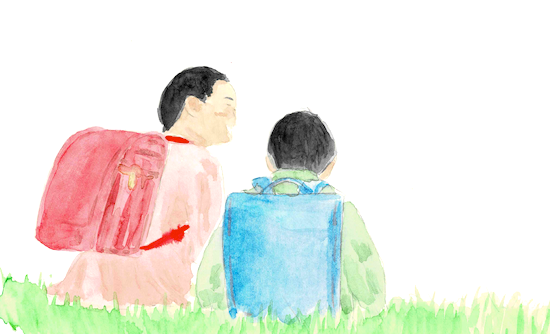
So I won’t tell you social media is evil or all of the content we find online is terrible for our wellbeing — I think online communities can be great spaces for learning, connecting, and finding others who share our values and interests — but like everything in life, we have to be mindful about who, where, and what we occupy our time with. If you find yourself dealing with problems stemming from values that feel very unlike yourself, consider that maybe your attention is better served elsewhere.
Recalibrate, delete, reconnect. Whatever you need to do.
Learn to be healthier, inspired by life in Japan:
I teach about health inspired by simple Japanese philosophies and lifestyle practices, so you can learn to find peace, fulfillment, strength, and health in your own body. Stay in the loop and get access to free resources: Sign up here!


