avatarJennifer Clinehens

Free AI web copilot to create summaries, insights and extended knowledge, download it at here

3041

Abstract

/a> by showing three choices, with one clearly inferior choice that makes your other two choices seem more appealing, like the <a href="https://subscribenow.economist.com/">Economist</a>.</p><figure id="9236"><img src="https://cdn-images-1.readmedium.com/v2/resize:fit:800/0*a0-ZjGQFvIwlddyN.png"><figcaption></figcaption></figure><p id="cffc">10. Use the scarcity principle by highlighting the limited availability of your product or service, like <a href="https://www.target.com/c/deal-days/-/N-xgolj">Target</a>.</p><figure id="facf"><img src="https://cdn-images-1.readmedium.com/v2/resize:fit:800/1*WYzIrJg11QbkVPIIBsivqg.png"><figcaption></figcaption></figure><p id="d640">11. Use the compromise effect to make it easy for customers to pick an option that’s “in the middle,” like <a href="https://www.apple.com/uk/iphone/compare/">Apple</a>.</p><figure id="920c"><img src="https://cdn-images-1.readmedium.com/v2/resize:fit:800/1*x2-6U5otKIXb9asFcUm9ow.png"><figcaption></figcaption></figure><p id="f03f">12. Use the sunk cost fallacy by reminding customers of the time and resources they have invested in your product or service, like the Guardian (below).</p><figure id="7649"><img src="https://cdn-images-1.readmedium.com/v2/resize:fit:800/1*CP6xKRwzdAIT-GQsCs8JSA.png"><figcaption>“You’ve read 44 articles this year”; Source: The Guardian</figcaption></figure><p id="4611">13. Use the <a href="https://www.choicehacking.com/2020/10/13/what-is-the-mere-exposure-effect/">Mere Exposure Effect</a> by consistently running ads in a steady stream so that potential customers see you more often, like Coca-Cola’s famous sign in Sydney, Australia.</p><figure id="27a0"><img src="https://cdn-images-1.readmedium.com/v2/resize:fit:800/1*8R0_W0X-eQw5zuKOjpTEoA.png"><figcaption></figcaption></figure><p id="4287">14. Use the <a href="https://www.choicehacking.com/2022/05/10/serial-position-effect/">Primacy Effect</a> by placing important information at the beginning of your message.</p><p id="e8d8">15. Use the <a href="https://www.choicehacking.com/2022/05/10/serial-position-effect/">Recency Effect</a> by placing your most persuasive bits of information at the end of your pitch to a potential client.</p><p id="0e20">16. Use the <a href="https://www.choicehacking.com/2020/06/30/what-is-the-halo-effect-examples/">Halo Effect</a> to drive demand with a brand collaboration, like Fortnite.</p><figure id="0fa6"><img src="https://cdn-images-1.readmedium.com/v2/resize:fit:800/0*H4orRaR6y8oCn5Eq.jpg"><figcaption></figcaption></figure><p id="5712">17. Use the <a href="https://www.choicehacking.com/2020/08/28/ikea-effect/">IKEA Effect</a> by making customers feel like they’ve co-created your product with customization options, like Converse.</p><figure id="ed6d"><img src="https://cdn-images-1.readmedium.com/v2/resize:fit:800/1*eF0UAWRWH1IvE9kYJignpA.png"><figcaption></figcaption></figure><p id="2541">18. Use the <a href="https://www.choicehacking.com/2020/08/14/selfreferenceeffect/">self-reference effect</a> by featuring people yo

Options

ur customers can relate to in your marketing.</p><figure id="3a0b"><img src="https://cdn-images-1.readmedium.com/v2/resize:fit:800/0*_7rv9G4G-4nPT9Y4.png"><figcaption></figcaption></figure><p id="8c6c">19. Use the Bandwagon Effect by highlighting the popularity of your product or service, like Barnes & Noble.</p><figure id="17df"><img src="https://cdn-images-1.readmedium.com/v2/resize:fit:800/0*K1GiPAc0Taib0Y7W"><figcaption>Source: <a href="https://twitter.com/bntempe/status/1417696667269144576">Twitter</a></figcaption></figure><p id="85de">20. Use the <a href="https://www.choicehacking.com/2020/06/30/what-is-the-halo-effect-examples/">Halo Effect</a> by pairing well-loved celebrities to endorse your product, like Aviation Gin (Please note: this tactic is cheaper if the celebrity already owns the brand).</p><figure id="ff28"><img src="https://cdn-images-1.readmedium.com/v2/resize:fit:800/0*opYdNZ8zpsdOnL5D.png"><figcaption></figcaption></figure><p id="3102">21. Use <a href="https://www.choicehacking.com/2020/08/06/loss-aversion/">loss aversion</a> to highlight what your customers will lose if they cancel your product or service, like Facebook (but consider if this is ethical for your brand and customer first).</p><figure id="ff4f"><img src="https://cdn-images-1.readmedium.com/v2/resize:fit:800/0*9lDZ7FAW2-BZ6vOu.png"><figcaption></figcaption></figure><p id="b086">22. Use the principle of cognitive ease by making it easy for customers to process and understand the information about your product or service like Miller Lite (“Great Taste, Less Filling”).</p><figure id="bae4"><img src="https://cdn-images-1.readmedium.com/v2/resize:fit:800/0*A1hVzyeyTIh2wNdo.png"><figcaption></figcaption></figure><p id="e43a">23. Use the principle of cognitive fluency by sharing simple marketing messages that are easy to understand, like Apple.</p><figure id="b43c"><img src="https://cdn-images-1.readmedium.com/v2/resize:fit:800/0*prDeBtauCTKsGmC5.png"><figcaption></figcaption></figure><p id="6abe">24. Avoid <a href="https://www.choicehacking.com/2023/04/14/decision-fatigue/">Decision Fatigue</a> by pitching your services to a potential client earlier in the day.</p><p id="3910">25. Avoid <a href="https://www.choicehacking.com/2020/07/08/the-choice-overload-effect/">Choice Overload</a> by reducing the number of product options available to customers once it’s time to make a decision, like Netflix.</p><figure id="e915"><img src="https://cdn-images-1.readmedium.com/v2/resize:fit:800/1*KKaCx87a1vKsjR6lRgWnYg.png"><figcaption></figcaption></figure><p id="aa46">26. Use the strategy of <a href="https://www.choicehacking.com/2023/01/01/customer-behavior-change/">Prompts</a> to remind your customers to rebuy, like Sephora:</p><figure id="ed7f"><img src="https://cdn-images-1.readmedium.com/v2/resize:fit:800/0*IXuOSK9Ezk00BrTU.png"><figcaption></figcaption></figure><p id="666c"><i>Liked this list? Join my free newsletter, <a href="https://www.choicehackingideas.com">Choice Hacking Ideas</a>.</i></p></article></body>

26 Ways to Use Psychology in Your Marketing (with Examples)

Do you have a good grasp on the basics of marketing psychology and behavioral science, but just need a few thought starters to get going?

Here are 26 ideas and examples that can help:

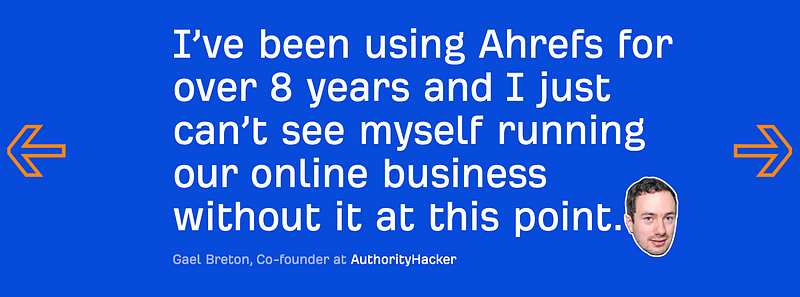
  1. Use social proof by displaying customer reviews and testimonials on your website and in your marketing materials, like Ahrefs.
2. Use the scarcity principle by offering limited-time product features and benefits, like Apex Legends.

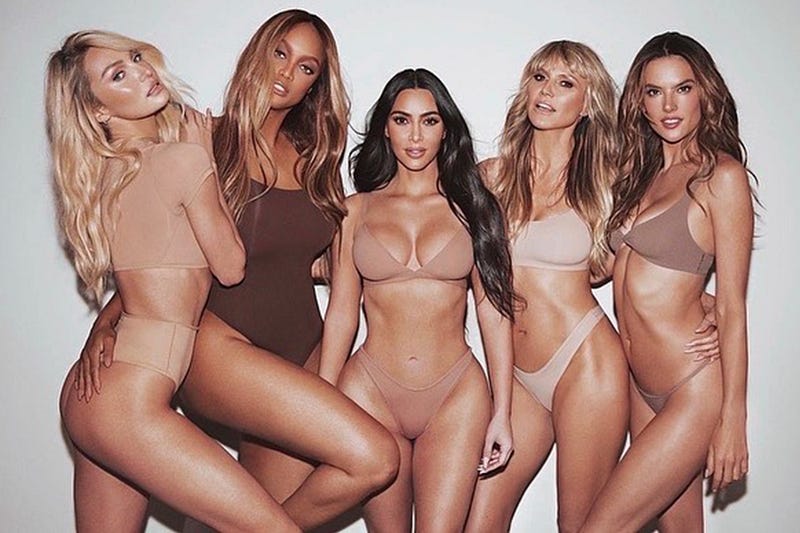
3. Use the Authority Principle by featuring industry experts in your marketing, like Kim Kardashian and Skims (she also owns the company, which helps):
4. Use the commitment and consistency principle by asking customers to make small commitments, like signing up for your newsletter, before asking for a larger commitment, like buying a course.

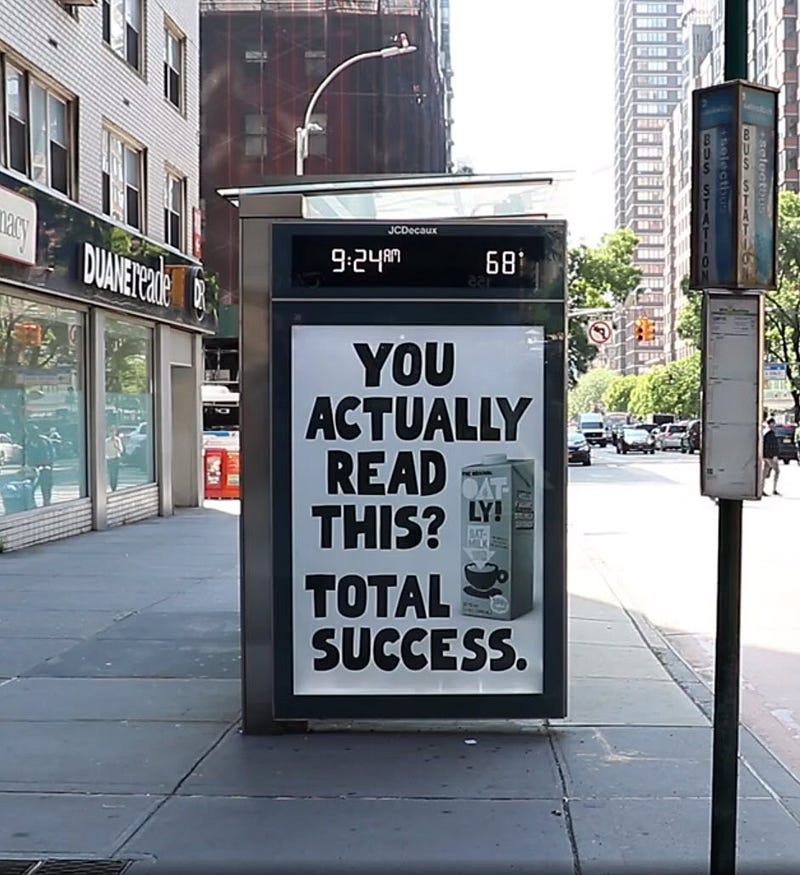
5. Use the liking principle by showing off your, or your brand’s, personality in your marketing message, like Oately.
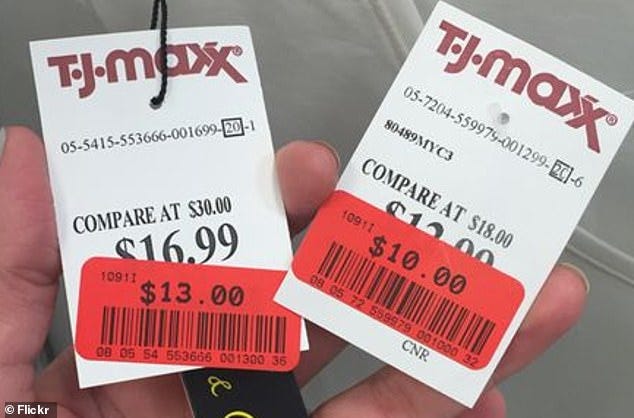
6. Use anchoring bias by showing customers your product’s normal price right next to its sale price.
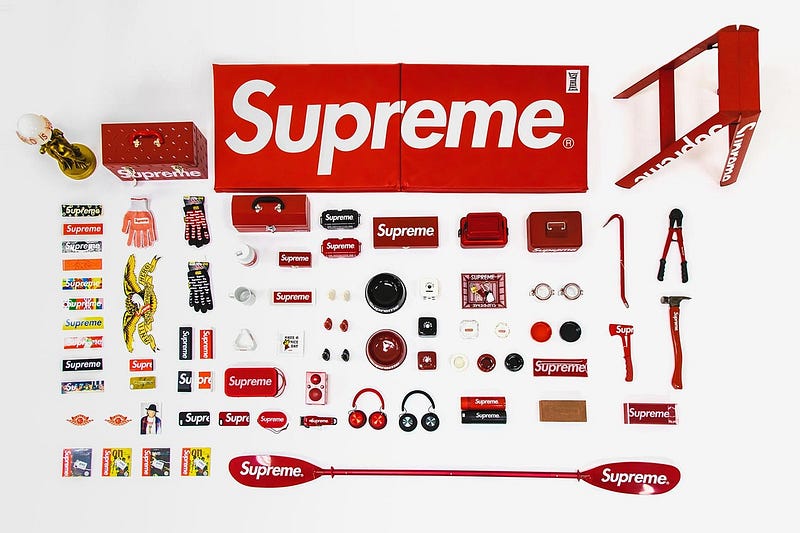
7. Use the scarcity principle by offering limited edition products, like Supreme.
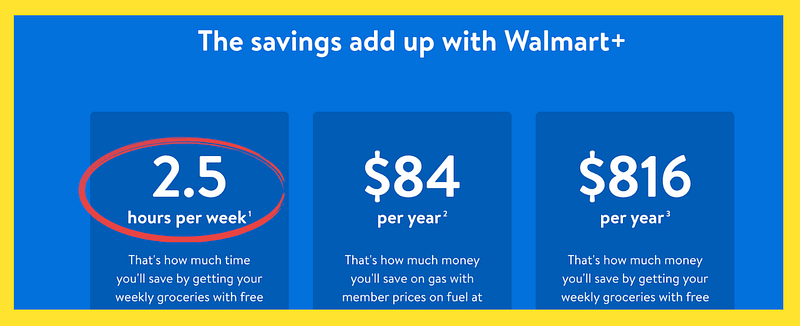
8. Use the framing effect to present your product’s benefits as time-saved instead of money-saved, like Walmart.
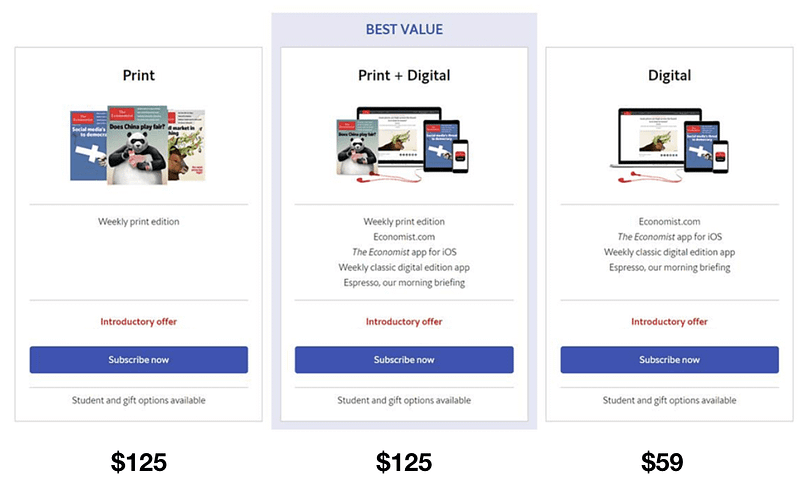
9. Use the Decoy Effect by showing three choices, with one clearly inferior choice that makes your other two choices seem more appealing, like the Economist.
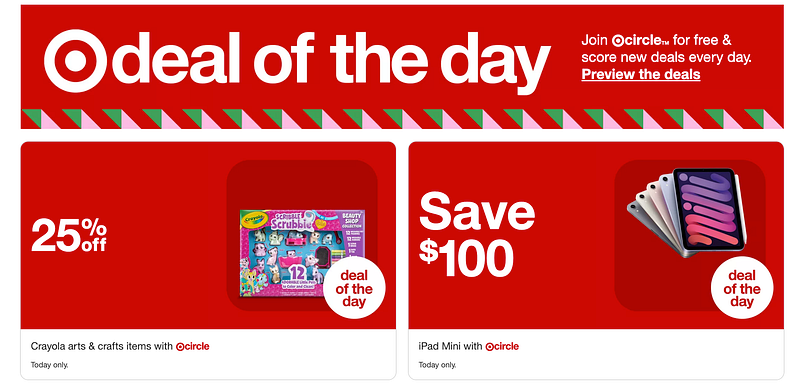
10. Use the scarcity principle by highlighting the limited availability of your product or service, like Target.
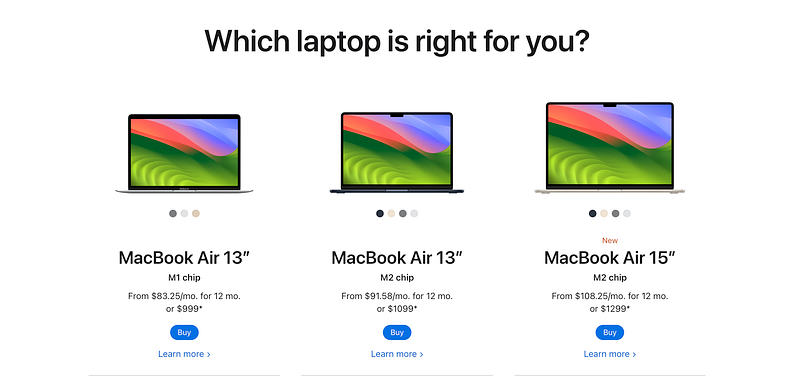
11. Use the compromise effect to make it easy for customers to pick an option that’s “in the middle,” like Apple.
12. Use the sunk cost fallacy by reminding customers of the time and resources they have invested in your product or service, like the Guardian (below).
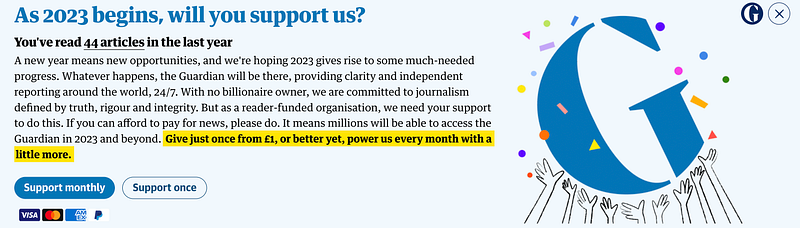
“You’ve read 44 articles this year”; Source: The Guardian

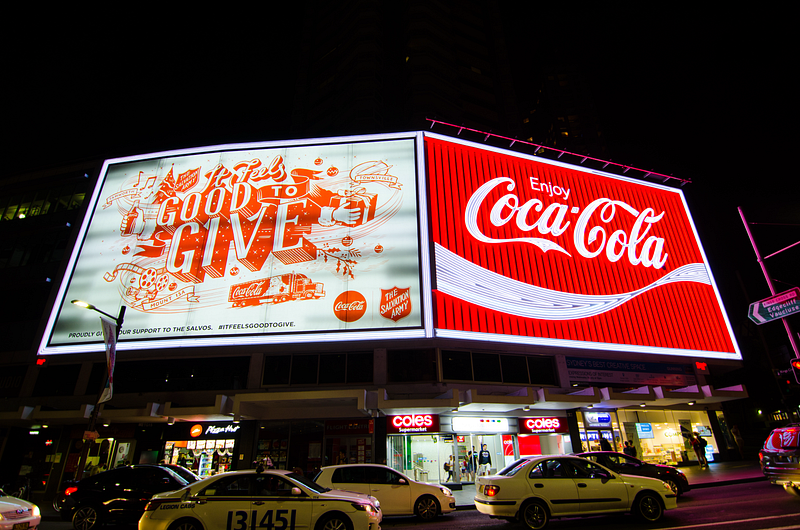
13. Use the Mere Exposure Effect by consistently running ads in a steady stream so that potential customers see you more often, like Coca-Cola’s famous sign in Sydney, Australia.
14. Use the Primacy Effect by placing important information at the beginning of your message.

15. Use the Recency Effect by placing your most persuasive bits of information at the end of your pitch to a potential client.

16. Use the Halo Effect to drive demand with a brand collaboration, like Fortnite.

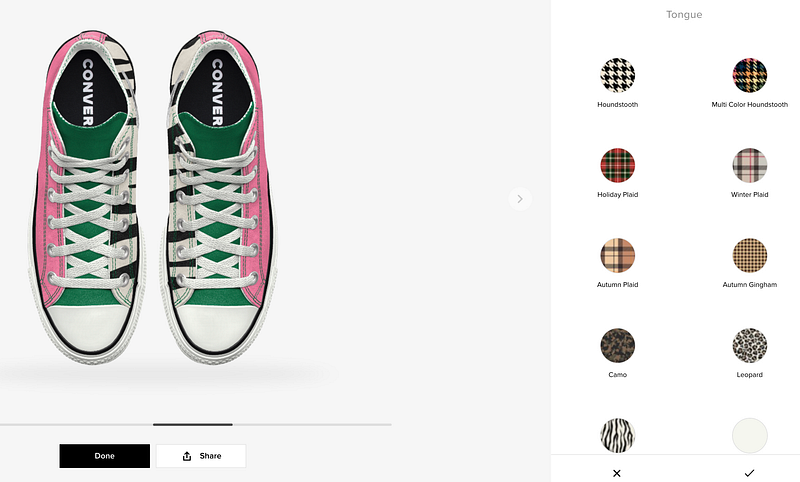
17. Use the IKEA Effect by making customers feel like they’ve co-created your product with customization options, like Converse.
18. Use the self-reference effect by featuring people your customers can relate to in your marketing.

19. Use the Bandwagon Effect by highlighting the popularity of your product or service, like Barnes & Noble.

Source: Twitter

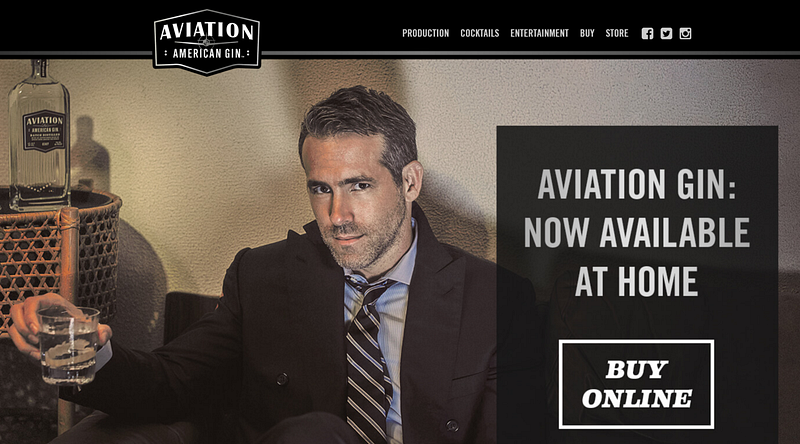
20. Use the Halo Effect by pairing well-loved celebrities to endorse your product, like Aviation Gin (Please note: this tactic is cheaper if the celebrity already owns the brand).
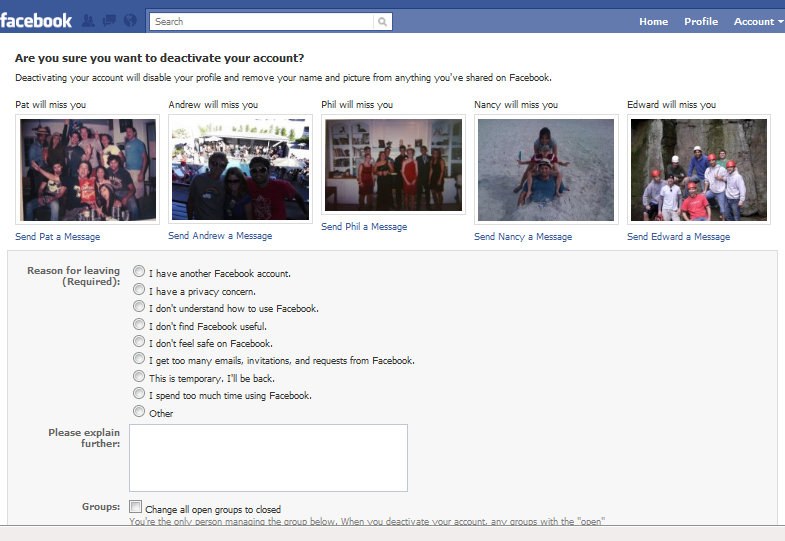
21. Use loss aversion to highlight what your customers will lose if they cancel your product or service, like Facebook (but consider if this is ethical for your brand and customer first).
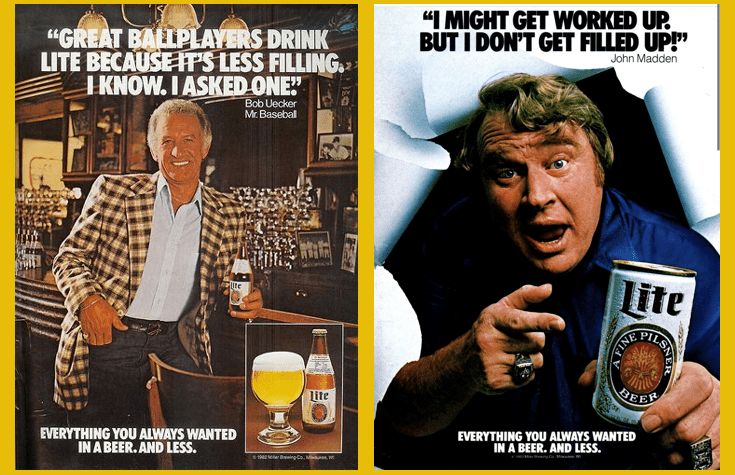
22. Use the principle of cognitive ease by making it easy for customers to process and understand the information about your product or service like Miller Lite (“Great Taste, Less Filling”).
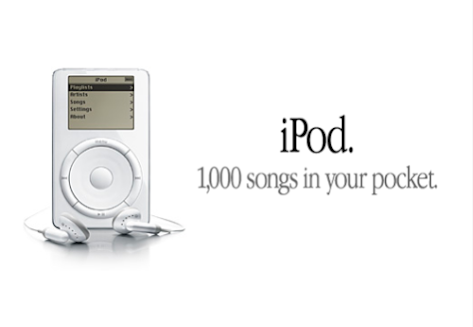
23. Use the principle of cognitive fluency by sharing simple marketing messages that are easy to understand, like Apple.
24. Avoid Decision Fatigue by pitching your services to a potential client earlier in the day.

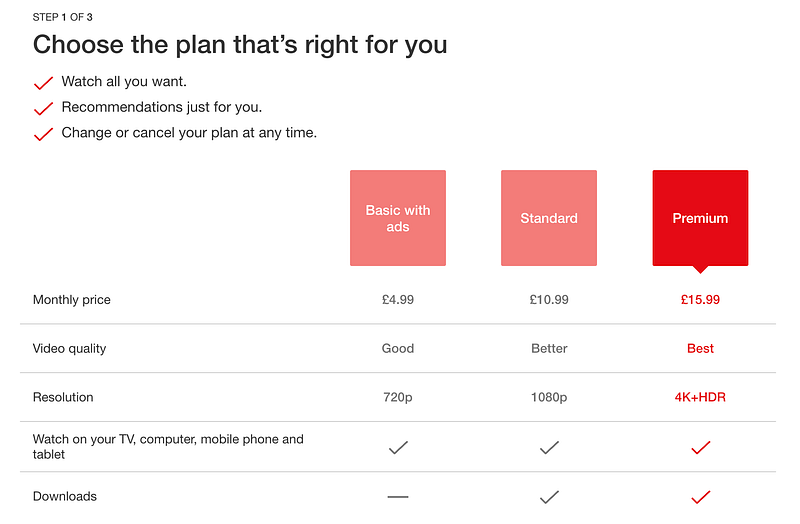
25. Avoid Choice Overload by reducing the number of product options available to customers once it’s time to make a decision, like Netflix.
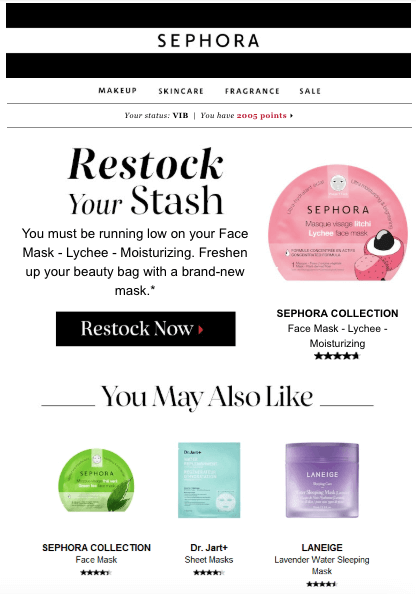
26. Use the strategy of Prompts to remind your customers to rebuy, like Sephora:
Liked this list? Join my free newsletter, Choice Hacking Ideas.

Marketing
Psychology
UX
Business
Startup
Recommended from ReadMedium