25 Years On, Northern Ireland’s Peace Looks Permanent
But is peace alone enough for such a broken society?
In the 1960s, Northern Ireland entered vicious conflict following a peaceful civil rights campaign by Irish Catholics who were oppressed by the British Protestant majority.
The early 1970s witnessed the worst of the violence, with almost 2,000 killed between 1970–1976 (in a region of only 1.5 million people), but frequent bombings, shootings and torture continued for decades.
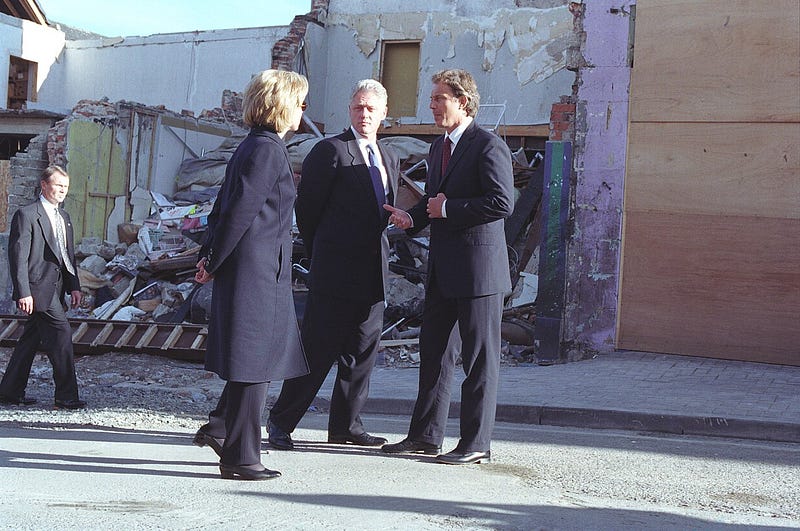
Finally, after several attempted ceasefires, the conclusive one was struck on 10 April 1998, 25 years ago. Peace had arrived.
It didn’t necessarily arrive quickly; some paramilitary factions continued or stepped up their killings in the following years, and the most powerful one (the Irish Republican Army, or IRA) didn’t officially disarm until 2005. I remember seeing that news on TV and my Protestant mother asking my Catholic father if he thought they had actually given up all their weapons. He snorted.
But all things considered, Northern Ireland’s peace process has been remarkably successful — much more so than most expected at first.
When the deal was signed, many were skeptical that paramilitary members (often underemployed young men from working-class backgrounds) would abandon the guns and glamour of that life and go back to their day jobs — if they even had them.
Over 400 paramilitary members serving prison sentences were released, on the condition that their paramilitaries supported the ceasefire. My driving instructor once admitted that he voted against the peace deal, describing this particular provision as insanity.
But much to his pleasant surprise, disaster didn’t ensue. He isn’t embarrassed by how he voted, and still believes it was the logical way to react at the time, but today he cheerfully admits that he was wrong.
I’m occasionally asked by outsiders if I could ever see violence returning to Northern Ireland, and my honest answer is “No”. Almost everyone I know from the older generations agrees. “Who’d ever want to go back to them days?” is a response I hear a lot, and I think that sentiment was key to ending the conflict.
When my parents talk about growing up in the 1970s and 80s, it’s clear that the generation before them thought peace would be lovely, but that it wasn’t as important as justice. Attempts at peace were made, and they failed because people weren’t willing to support the status quo for the sake of something as minor as peace.
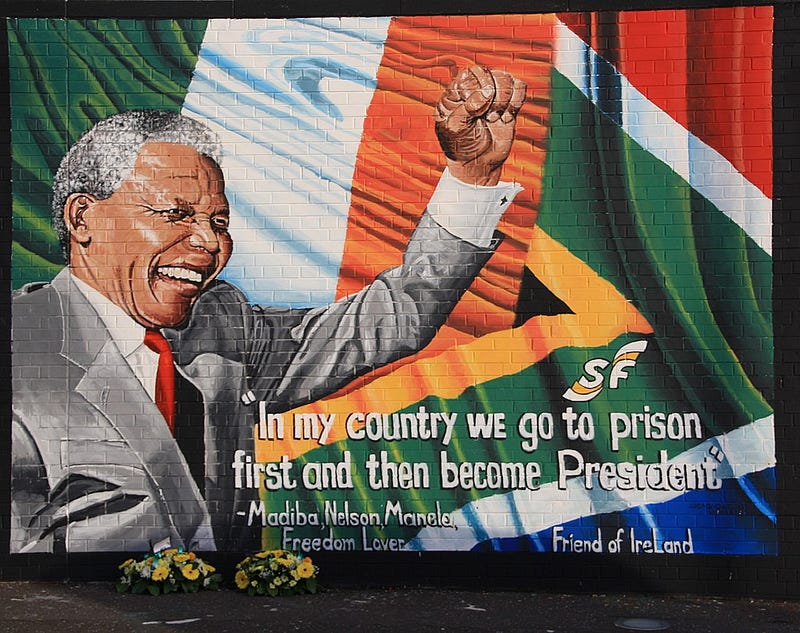
But by the 1990s everyone, even the most senior paramilitary figures, was simply burned out. It was clear that violence was achieving nothing by that point.
Since the peace, there have been scares along the way, even when the violence finally began to fade away after 2001, and even after the British army withdrew in 2007. Our governments regularly collapse due to the bitter hatred between political factions, so we usually don’t have one. Brexit certainly didn’t reduce the tension between communities, and troubling riots took place during the COVID lockdowns.
Civil unrest is a guarantee every summer. We joke that our years are divided in four: winter, spring, autumn, and riot season.
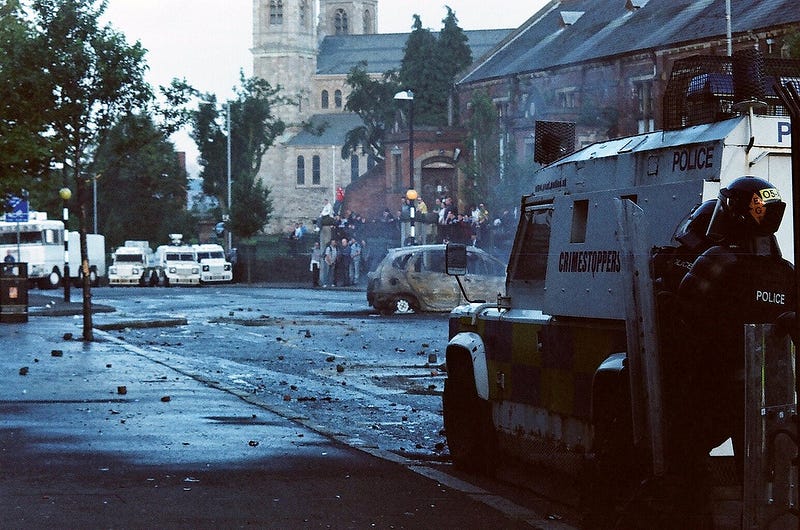
But there are good reasons to believe that serious violence is a distant memory. It’s not just that most people want peace; you only need a small number of troublemakers to drag everyone into a conflict.
More importantly, the root causes of the violence are mostly gone.
In the 1960s, Catholics were systematically discriminated against in almost every element of Northern Irish society: voting rights, jobs, healthcare, housing, education, and policing. Catholics could be searched, arrested and imprisoned without a warrant or a trial thanks to something called the Special Powers Act.
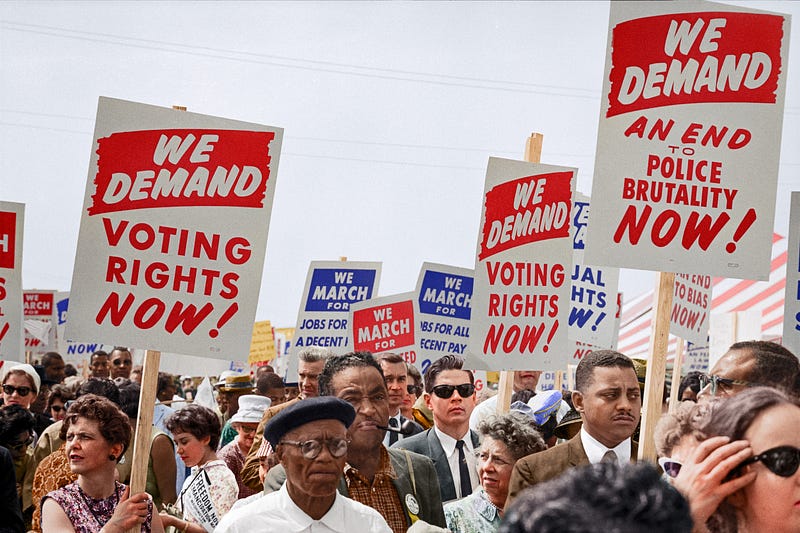
Today, formal discrimination is a thing of the past. Catholics and Protestants make up an equal share of the population and enjoy broadly equal representation in most aspects of society.
As for violence, there’s the occasional bomb scare or sectarian killing, but in scale, it’s closer to the violence you might see in London or Chicago than to a civil war. It’s confined to certain towns and neighbourhoods, and doesn’t affect most people.
The only difference between Belfast and Dublin / Edinburgh / Liverpool that a tourist might notice is that police in Northern Ireland carry guns.
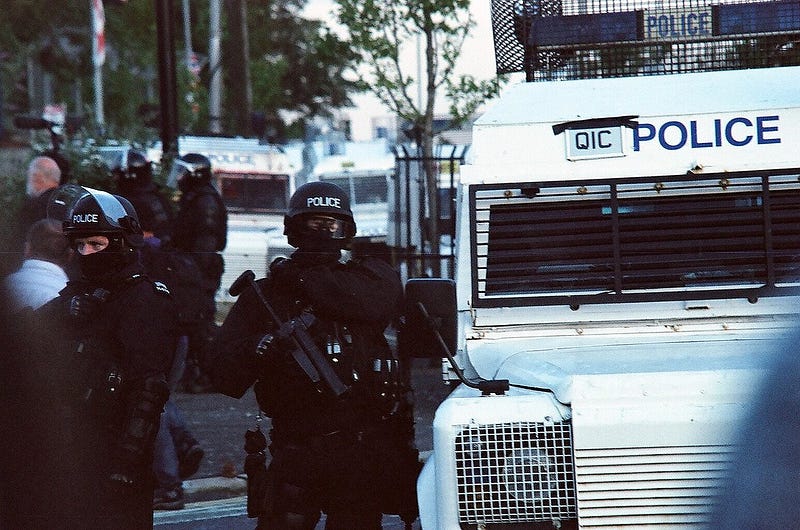
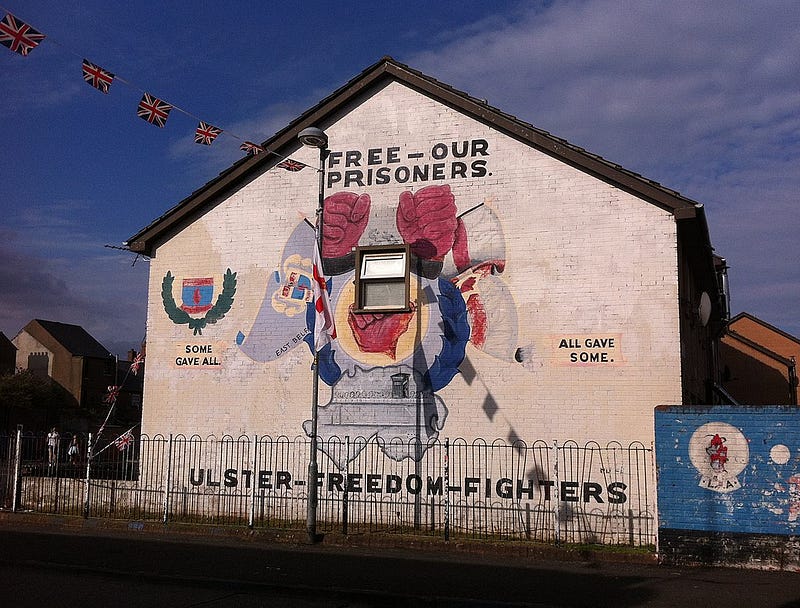
Paramilitaries still exist, and exert considerable sway in some areas, but the remaining ones are simply not as capable or sophisticated as those from the bad old days.
During the Troubles, groups like the IRA and the UVF were dangerous forces: they enjoyed the support of governments, advanced weaponry, deep pockets, and had plenty of experience in preventing infiltration. Those capabilities no longer exist.
Put another way, the UVF had plenty of British army veterans in its ranks, and the IRA had anti-aircraft weaponry that downed multiple attack helicopters. Modern paramilitaries have hockey sticks and crowbars. If there was a serious attempt to reignite the Troubles, I think state security forces would have a rather easier job dealing this time around.
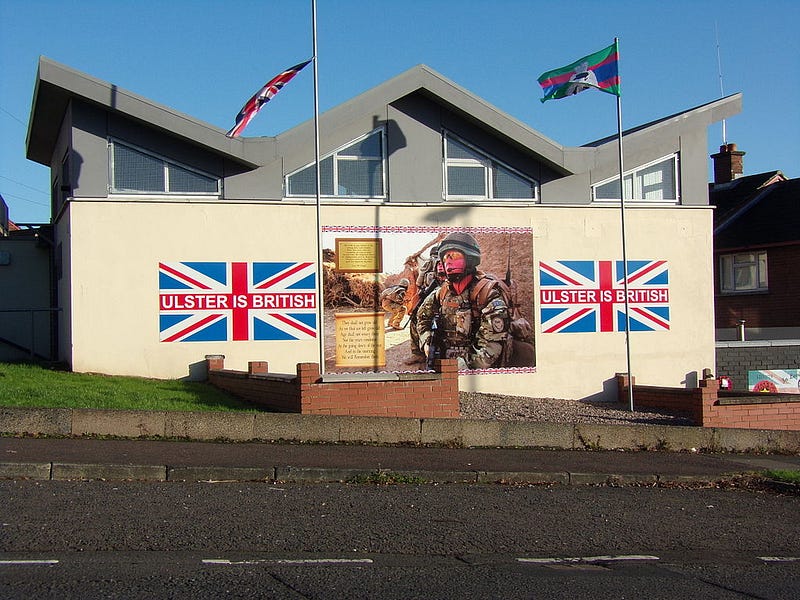
It’s possible to imagine a situation that might lead to violence returning. Some people believe a referendum on a United Ireland might do the trick, and a Brexit-related hard border between Northern and Southern Ireland would almost certainly resurrect the IRA.
Until such an event happens, however, there’s an even more pressing worry: poverty and trauma-related depression.
A few years ago, a Northern Irish journalist called Lyra McKee became famous for an article titled “Suicide Among the Ceasefire Babies”. Lyra was tragically murdered by a paramilitary member almost exactly 4 years ago, but her most celebrated work ends with this line:
“The tragic irony of life in Northern Ireland today is that peace seems to have claimed more lives than war ever did.”
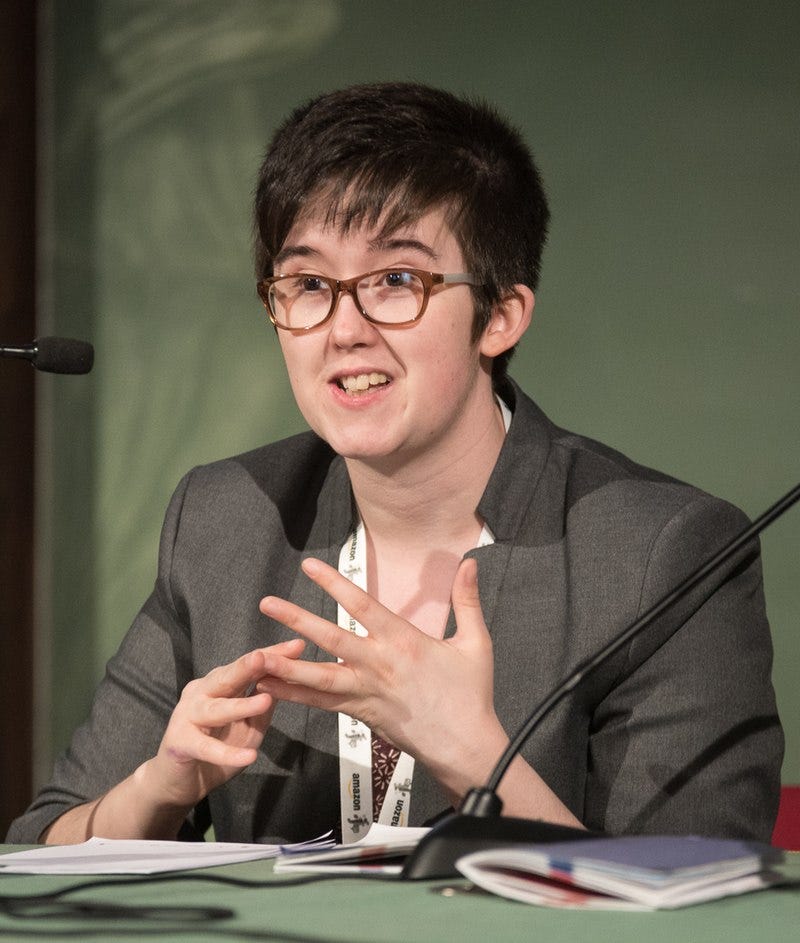
Her article investigated Northern Ireland’s suicide rate, which began to skyrocket soon after the war ended and is now about double that of the rest of the UK. She connected it with Northern Ireland’s levels of PTSD, which are even higher than societies like Lebanon or Israel.
Some 39% of Northern Irish people have experienced trauma related to the conflict — and we “ceasefire babies” were in turn brought up by that uniquely traumatized generation.

My mother’s parents didn’t talk to her for 8 years after she married a Catholic. My Catholic father was repeatedly harassed and detained by police for having potential bomb-making equipment — as an electrician, he usually had cables in the back of his van.
On one occasion, a paramilitary roadblock asked him to leave the vehicle while they inspected it. Shortly after leaving, he slowed down sharply before a speed bump, only for a gun to slide forward from under the seat. He kicked it out and drove on, to find an official British army checkpoint around the next corner.
The soldiers and an accompanying police officer searched frustratedly for the gun they’d obviously been told to expect.
I didn’t experience any of this. But when my mother remarried, to an alcoholic who had spent time in the UDR and often flew into violent drunken rages, I was indirectly impacted anyway, like so many others from my generation.
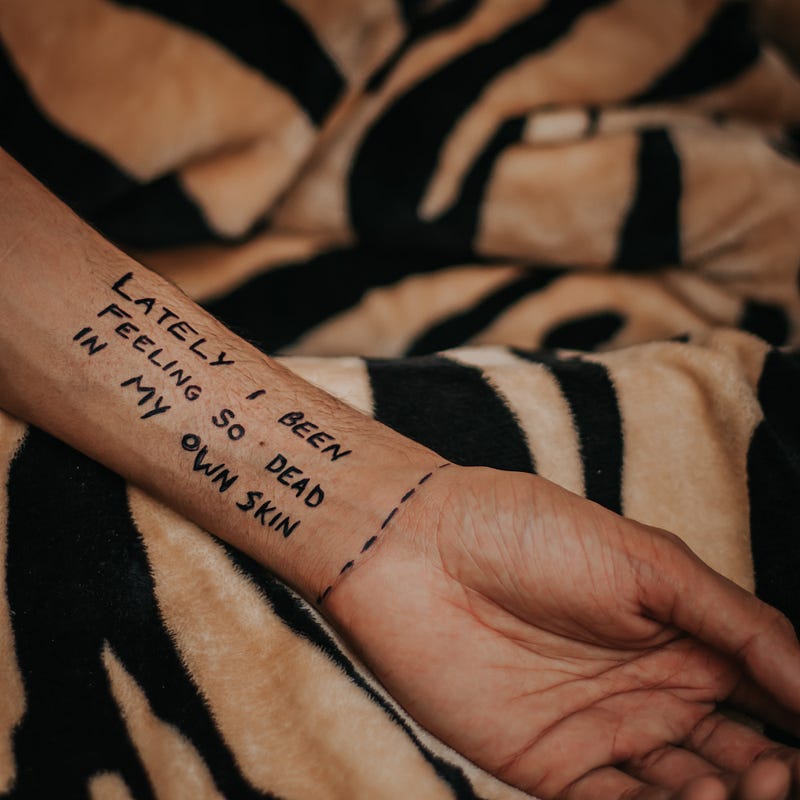
A few weeks after I moved to England to begin university, my best friend killed herself. It could have happened anywhere, like Dublin or London — but statistically, it was much more likely to happen in Northern Ireland.
Sophie didn’t live through the Troubles, but her dysfunctional alcoholic parents did, and I doubt that helped. We know that trauma significantly increases the likelihood of suicide, particularly conflict-related trauma, but also the intergenerational kind so pervasive in Northern Ireland today.
In 2007, Al-Jazeera wrote this:
“But what Northern Ireland has now is not so much peace as an absence of conflict.”
Their piece pointed out that segregation between Catholics and Protestants actually increased after the conflict ended.
Dozens of “peace walls” separate Catholic and Protestant communities in places like Belfast to maintain an uneasy peace between them; nearly all schools are still segregated; the two communities play different sports, celebrate different holidays, and avoid living together.
Many people don’t have a single friend from the other side.
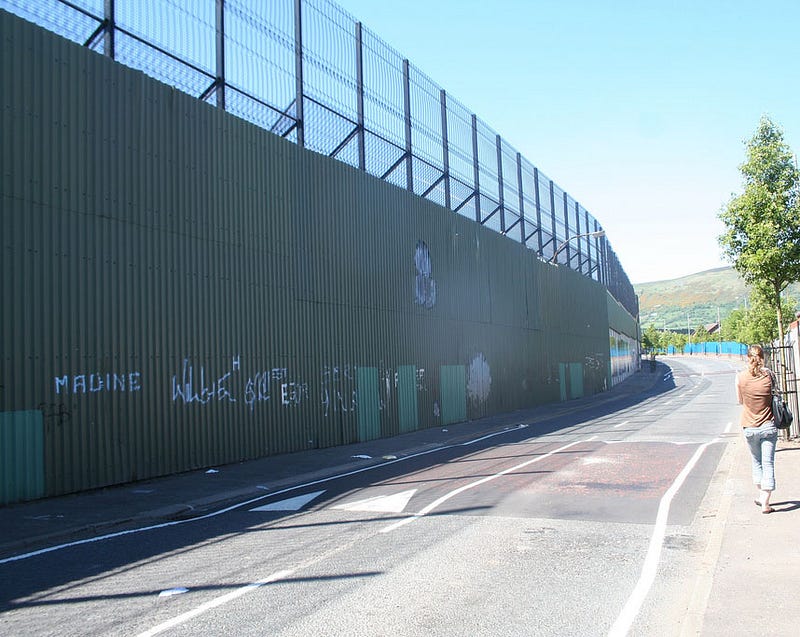
I think we can now say Northern Irish peace looks safe, but it’s true that our society is still deeply divided, and that we all suffer because of it.
Northern Ireland is the UK’s poorest region, and has a higher educational attainment gap than any OECD country. Few people expect much more than work in a bar or a call-centre, although things have certainly improved even within my lifetime.
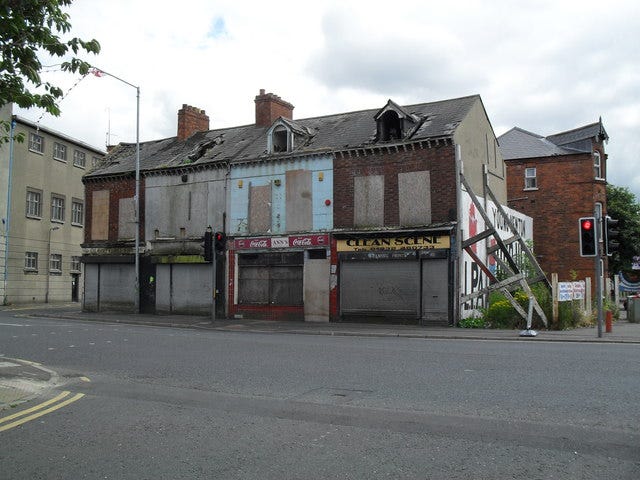
So there’s still a lot of work to do. I love Northern Ireland with all my soul, but it’s a spectacularly flawed society, and everyone knows it. Some even go as far as to blame the peace process for that, arguing that the power-sharing system of governance has reinforced sectarian divisions and made it harder for society to move on.
Talking to my father this weekend, I mentioned that we’ve done a great job of ending the violence in the past 25 years, but that we haven’t fixed many of our other problems, like segregated education, housing, and so on. His response was a great one:
“If creating peace took 25 years, it was time well spent. Now we’ll have 25 years of stability to get all the other stuff fixed too.”