avatarNovel Nest

Free AI web copilot to create summaries, insights and extended knowledge, download it at here

7884

Abstract

ble to communicate.</p></blockquote><blockquote id="b559"><p>Once they could talk, the first question was ‘Why did you start this thing?’ and the answer was ‘Me?”</p></blockquote><blockquote id="fdf0"><p>― Joe Haldeman, The Forever War</p></blockquote><figure id="2f01"><img src="https://cdn-images-1.readmedium.com/v2/resize:fit:800/1*a-TQdHIpok3wIQIAK0NdYQ.jpeg"><figcaption></figcaption></figure><h1 id="8de2">9. “Dune” by Frank Herbert</h1><p id="6055">“Dune” by Frank Herbert is a sweeping epic set on the desert planet of Arrakis, where noble houses vie for control of the valuable resource known as spice. The novel follows young Paul Atreides as he becomes embroiled in political intrigue, prophecy, and ecological struggle.</p><blockquote id="81f9"><p>“I must not fear. Fear is the mind-killer. Fear is the little-death that brings total obliteration. I will face my fear. I will permit it to pass over me and through me. And when it has gone past I will turn the inner eye to see its path. Where the fear has gone there will be nothing. Only I will remain.”</p></blockquote><blockquote id="e847"><p>― Frank Herbert, Dune</p></blockquote><figure id="086a"><img src="https://cdn-images-1.readmedium.com/v2/resize:fit:800/1*bcILsstw_VfcMHYCf9kzgQ.jpeg"><figcaption></figcaption></figure><h1 id="8bd1">10. “The Golden Globe” by John Varley</h1><p id="a2d3">In “The Golden Globe,” John Varley introduces readers to Sparky Valentine, a talented performer navigating a future solar system filled with adventure and danger. As Sparky travels from one world to another, the novel explores themes of art, fame, and the human desire for self-expression.</p><blockquote id="30ff"><p>“Humans have this need to name everything, no matter how little that thing may deserve it.”</p></blockquote><blockquote id="96a8"><p>― John Varley, The Golden Globe</p></blockquote><div id="69b8" class="link-block"> <a href="https://readmedium.com/the-ultimate-digital-reading-journal-my-first-digital-product-0f33de6e30b1"> <div> <div> <h2>The Ultimate Digital Reading Journal (My First Digital Product)</h2> <div><h3>How I Organize Every Single Book I’ve Read</h3></div> <div><p>medium.com</p></div> </div> <div> <div style="background-image: url(https://miro.readmedium.com/v2/resize:fit:320/1*EHMvRixn023Qbes_Jh1xAA.png)"></div> </div> </div> </a> </div><figure id="b51a"><img src="https://cdn-images-1.readmedium.com/v2/resize:fit:800/1*kIvTfUo22vFlqbQQKi0nDA.jpeg"><figcaption></figcaption></figure><h1 id="c778">11. “The Martian Chronicles” by Ray Bradbury</h1><p id="7894">Ray Bradbury’s “The Martian Chronicles” is a collection of interconnected stories that paint a vivid and poetic picture of humanity’s efforts to colonize Mars. As Earthlings venture to the red planet and encounter enigmatic Martians, the novel delves into themes of colonization, cultural clash, and the fragility of human existence.</p><blockquote id="f87c"><p>“We earth men have a talent for ruining big, beautiful things.”</p></blockquote><blockquote id="9d80"><p>― Ray Bradbury, The Martian Chronicles</p></blockquote><figure id="db74"><img src="https://cdn-images-1.readmedium.com/v2/resize:fit:800/1*lAN5ZlT21p_dHNHx_J68Qw.jpeg"><figcaption></figcaption></figure><h1 id="9318">12. “2001: A Space Odyssey” by Arthur C. Clarke</h1><p id="fae9">“2001: A Space Odyssey” is a collaborative masterpiece by Arthur C. Clarke and Stanley Kubrick. The novel and film follow humanity’s encounter with an ancient extraterrestrial intelligence and the journey of the spaceship Discovery One to Jupiter. As the crew grapples with the enigmatic monolith and the AI entity HAL 9000, the narrative delves into themes of evolution, artificial intelligence, and the mysteries of the cosmos.</p><blockquote id="83ea"><p>“It was the mark of a barbarian to destroy something one could not understand.”</p></blockquote><blockquote id="06ce"><p>― Arthur C. Clarke, 2001: A Space Odyssey</p></blockquote><figure id="b03f"><img src="https://cdn-images-1.readmedium.com/v2/resize:fit:800/1*x-IAlvS884nMiPbZiVox_w.jpeg"><figcaption></figcaption></figure><h1 id="0205">13. “Contact” by Carl Sagan</h1><p id="5668">Carl Sagan’s “Contact” takes readers on a thought-provoking exploration of humanity’s first contact with an advanced alien civilization. The novel follows Dr. Ellie Arroway, a radio astronomer who intercepts a mysterious message from the star Vega. As humanity deciphers the message and embarks on an interstellar journey, Sagan examines the intersection of science, faith, and the search for extraterrestrial intelligence.</p><blockquote id="0cff"><p>“You’re an interesting species. An interesting mix. You’re capable of such beautiful dreams, and such horrible nightmares. You feel so lost, so cut off, so alone, only you’re not. See, in all our searching, the only thing we’ve found that makes the emptiness bearable, is each other.”</p></blockquote><blockquote id="4d14"><p>― Carl Sagan, Contact</p></blockquote><figure id="5b08"><img src="https://cdn-images-1.readmedium.com/v2/resize:fit:800/1*xnmu6koRaa2YLdJ3tTye3g.png"><figcaption></figcaption></figure><h1 id="6d03">14. “The Lazarus Effect” by Frank Herbert</h1><p id="831c">Set in a future where the process of bringing the dead back to life is a reality, the novel follows the moral dilemmas faced by scientists, individuals, and society as a whole.</p><blockquote id="6edd"><p>“Life is not an option, it is a gift. Death is the option.”</p></blockquote><blockquote id="9d42"><p>― Frank Herbert, The Lazarus Effect</p></blockquote><figure id="b65a"><img src="https://cdn-images-1.readmedium.com/v2/resize:fit:800/1*PFqNd9XzGjlzvXJSRSGShw.jpeg"><figcaption></figcaption></figure><h1 id="209c">15. “The Fall of Hyperion” by Dan Simmons</h1><p id="96cc">As the second book in the Hyperion Cantos series, “The Fall of Hyperion” continues the epic saga with a tapestry of interconnected stories, weaving together diverse characters and intricate plotlines. Dan Simmons skillfully navigates themes of time travel, artificial intelligence, and cosmic conflict while exploring the motivations of both human and alien beings.</p><blockquote id="3989"><p>“I know what cancer was. How is it like humankind?”</p></blockquote><blockquote id="4031"><p>Sek Hardeen’s perfectly modulated, softly accented tones showed a hint of agitation. “We have spread out through the galaxy like cancer cells through a living body, Duré. We multiply without thought to the countless life forms that must die or be pushed aside so that we may breed and flourish. We eradicate competing forms of intelligent life.”</p></blockquote><blockquote id="a921"><p>― Dan Simmons, The Fall of Hyperion</p></blockquote><figure id="7275"><img src="https://cdn-images-1.readmedium.com/v2/resize:fit:800/1*Ot7Fid2aUSq2C5gCkBCLbA.jpeg"><figcaption></figcaption></figure><h1 id="418f">16. “Bicentennial Man” by Isaac Asimov</h1><p id="b5e8">Isaac Asimov’s “Bicentennial Man” delves into questions of identity and humanity through the story of Andrew Martin, a robot who embarks on a quest to become more human over the course of two centuries.</p><blockquote id="19d6"><p>“There is no right to deny freedom to any object with a mind advanced enough to grasp the concept and desire the state.”</p></blockquote><blockquote id="0d09"><p>― Isaac Asimov, The Bicentennial Man and Other Stories</p></blockquote><figure id="a6fe"><img src="https://cdn-images-1.readmedium.com/v2/resize:fit:800/1*Zon4TwmrrnzbOfDPle3IhA.jpeg"><figcaption></figcaption></figure><h1 id="3784">17. “Neuromancer” by William Gibson</h1><p id="31a8">William Gibson’s groundbreaking novel “Neuromancer” introduced the world to the cyberpunk genre and its exploration of techno

Options

logy, artificial intelligence, and the blurring boundaries between reality and virtual reality. Set in a dystopian future, the narrative follows Case, a washed-up computer hacker, as he navigates a world of corporate intrigue and digital espionage.</p><blockquote id="737f"><p>“Cyberspace. A consensual hallucination experienced daily by billions of legitimate operators, in every nation, by children being taught mathematical concepts… A graphic representation of data abstracted from banks of every computer in the human system. Unthinkable complexity. Lines of light ranged in the nonspace of the mind, clusters and constellations of data. Like city lights, receding…”</p></blockquote><blockquote id="70d6"><p>― William Gibson, Neuromancer</p></blockquote><figure id="f6c2"><img src="https://cdn-images-1.readmedium.com/v2/resize:fit:800/1*ZR960z4s3OHKcCM6s76LKw.jpeg"><figcaption></figcaption></figure><h1 id="a6ab">18. “Altered Carbon” by Richard Morgan</h1><p id="da4a">In “Altered Carbon,” Richard Morgan presents a future where human consciousness can be transferred between bodies, known as “sleeves.” This exploration of identity, mortality, and the commodification of life follows Takeshi Kovacs, a former soldier turned investigator, as he navigates a world of intrigue and corruption.</p><blockquote id="2c4c"><p>“The human eye is a wonderful device. With a little effort, it can fail to see even the most glaring injustice.”</p></blockquote><blockquote id="c751"><p>― Richard K. Morgan, Altered Carbon</p></blockquote><figure id="7215"><img src="https://cdn-images-1.readmedium.com/v2/resize:fit:800/1*Nt1CBC--lhzb93-pvkMaUw.jpeg"><figcaption></figcaption></figure><h1 id="b185">19. “Lilith’s Brood” by Octavia Butler</h1><p id="f4be">Octavia Butler’s “Lilith’s Brood” trilogy offers a thought-provoking exploration of alien contact and the complexities of genetic manipulation. As humanity grapples with the aftermath of an alien intervention, the narrative delves into themes of adaptation, hybridity, and the clash of cultures.</p><blockquote id="97c2"><p>“You are horror and beauty in rare combination.”</p></blockquote><blockquote id="f8ad"><p>― Octavia E. Butler, Lilith’s Brood</p></blockquote><figure id="5291"><img src="https://cdn-images-1.readmedium.com/v2/resize:fit:800/1*1937-Ku0xdspD5u922nvWg.jpeg"><figcaption></figcaption></figure><h1 id="99dc">20. “The Andromeda Strain” by Michael Crichton</h1><p id="fc71">Michael Crichton’s “The Andromeda Strain” presents a gripping tale of a team of scientists racing against time to contain a deadly extraterrestrial microorganism. As they uncover the secrets of the Andromeda Strain, Crichton explores the tension between scientific discovery and the potential for catastrophic consequences.</p><blockquote id="56f3"><p>“The rock, for its part, is not even aware of our existence because we are alive for only a brief instant of its lifespan. To it, we are like flashes in the dark.”</p></blockquote><blockquote id="156b"><p>― Michael Crichton, The Andromeda Strain</p></blockquote><figure id="66ee"><img src="https://cdn-images-1.readmedium.com/v2/resize:fit:800/1*8xtLeyugLXAwP5eschngYA.jpeg"><figcaption></figcaption></figure><h1 id="db17">21. “Foundation” by Isaac Asimov</h1><p id="9380">Isaac Asimov’s “Foundation” introduces readers to a sprawling galactic empire and the concept of “psychohistory,” a mathematical discipline that predicts the future of civilizations. As the empire faces collapse, Hari Seldon, the creator of psychohistory, sets in motion a plan to minimize the period of chaos and create a new era of stability.</p><blockquote id="defe"><p>“If you’re born in a cubicle and grow up in a corridor, and work in a cell, and vacation in a crowded sun-room, then coming up into the open with nothing but sky over you might just give you a nervous breakdown.”</p></blockquote><blockquote id="ebf7"><p>― Isaac Asimov, Foundation</p></blockquote><figure id="ed83"><img src="https://cdn-images-1.readmedium.com/v2/resize:fit:800/1*x--e1vi3g_K_edSVKnHi2A.jpeg"><figcaption></figcaption></figure><h1 id="9532">22. “The Jesus Incident” by Frank Herbert</h1><p id="954b">“The Jesus Incident,” co-authored by Frank Herbert and Bill Ransom, continues the exploration of the Pandora universe. Set on the planet Pandora, the novel delves into the survival and evolution of humanity after crash-landing on an alien world.</p><blockquote id="0ee8"><p>“Myths are not fiction, but history seen with a poet’s eyes and recounted in a poet’s terms.”</p></blockquote><figure id="8bdf"><img src="https://cdn-images-1.readmedium.com/v2/resize:fit:800/1*LALjL5vcKMuhLD_9U2iRXA.jpeg"><figcaption></figcaption></figure><h1 id="2d66">23. “Hyperion” by Dan Simmons</h1><p id="0ac1">The first book in the Hyperion Cantos series, “Hyperion,” weaves together the stories of seven pilgrims as they embark on a journey to the distant world of Hyperion, each sharing their unique experiences and motivations.</p><blockquote id="a9a9"><p>“In the beginning was the Word. Then came the fucking word processor. Then came the thought processor. Then came the death of literature. And so it goes.”</p></blockquote><blockquote id="84f3"><p>― Dan Simmons, Hyperion</p></blockquote><figure id="0d39"><img src="https://cdn-images-1.readmedium.com/v2/resize:fit:800/1*KxdPrjONFb2bHLCT8WGPUA.jpeg"><figcaption></figcaption></figure><h1 id="6e54">24. “Do Androids Dream of Electric Sheep” by Philip K. Dick</h1><p id="a3a3">Philip K. Dick’s thought-provoking novel “Do Androids Dream of Electric Sheep” introduces readers to a dystopian future where humans and androids coexist, blurring the lines between what is real and what is artificial. As bounty hunter Rick Deckard hunts down rogue androids, the narrative delves into questions of empathy, identity, and the essence of humanity.</p><blockquote id="9c81"><p>“You mean old books?”</p></blockquote><blockquote id="066b"><p>“Stories written before space travel but about space travel.”</p></blockquote><blockquote id="33e2"><p>“How could there have been stories about space travel before — “</p></blockquote><blockquote id="e57c"><p>“The writers,” Pris said, “made it up.”</p></blockquote><blockquote id="5481"><p>― Philip K. Dick, Do Androids Dream of Electric Sheep?</p></blockquote><figure id="f155"><img src="https://cdn-images-1.readmedium.com/v2/resize:fit:800/1*mBqRqMnwTskc7aO452KJ_A.jpeg"><figcaption></figcaption></figure><h1 id="de5a">25. “Blindsight” by Peter Watts</h1><p id="b255">Peter Watts’ “Blindsight” takes readers on a mind-bending journey to the edge of human understanding and beyond. Set in a future where humans encounter an enigmatic alien intelligence, the novel explores themes of consciousness, perception, and the nature of intelligence itself. As a team of scientists investigates the alien presence, Watts delves into the concept of blindsight — a phenomenon where visual perception occurs without conscious awareness.</p><blockquote id="ad6e"><p>“People aren’t rational. We’re not thinking machines, we’re — we’re feeling machines that happen to think.”</p></blockquote><blockquote id="87d2"><p>― Peter Watts, Blindsight</p></blockquote><p id="9812">I hoped you have found this article useful. If you did, it would be awesome if you gave me a clap or left a response!</p><p id="aeb8">If you enjoyed this article and want to support Novel Nest, <a href="https://medium.com/@NovelNestBooks/subscribe">click this link</a> to get notified whenever I publish something new.</p><p id="1529">If you enjoyed these book recommendations, check out the rest of my book lists on my blog- <a href="https://www.thenovelnest.com/blog">https://www.thenovelnest.com/blog</a></p><p id="0ef0"><i>Affiliate Disclaimer: This post features Amazon affiliate links, which means I may earn a small commission if you make a purchase through these links.</i></p></article></body>

25 Monumental Sci-Fi Books That Book Clubs Can’t Stop Talking About
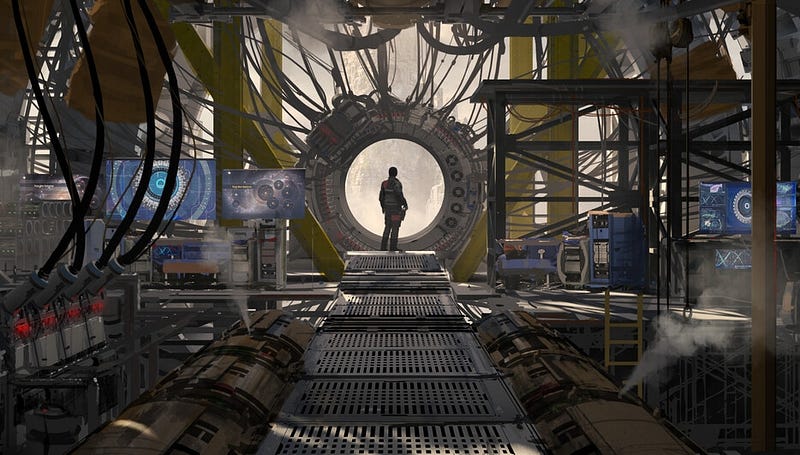
Here is a gigantic big fat list of monumental Sci-Fi books I believe deserves more recognition

There are definitely some books here you have never seen before

I Hope you find something new to add to your TBR

Enjoy.

I’ll provide a short summary on the book and my favourite quote from it :)
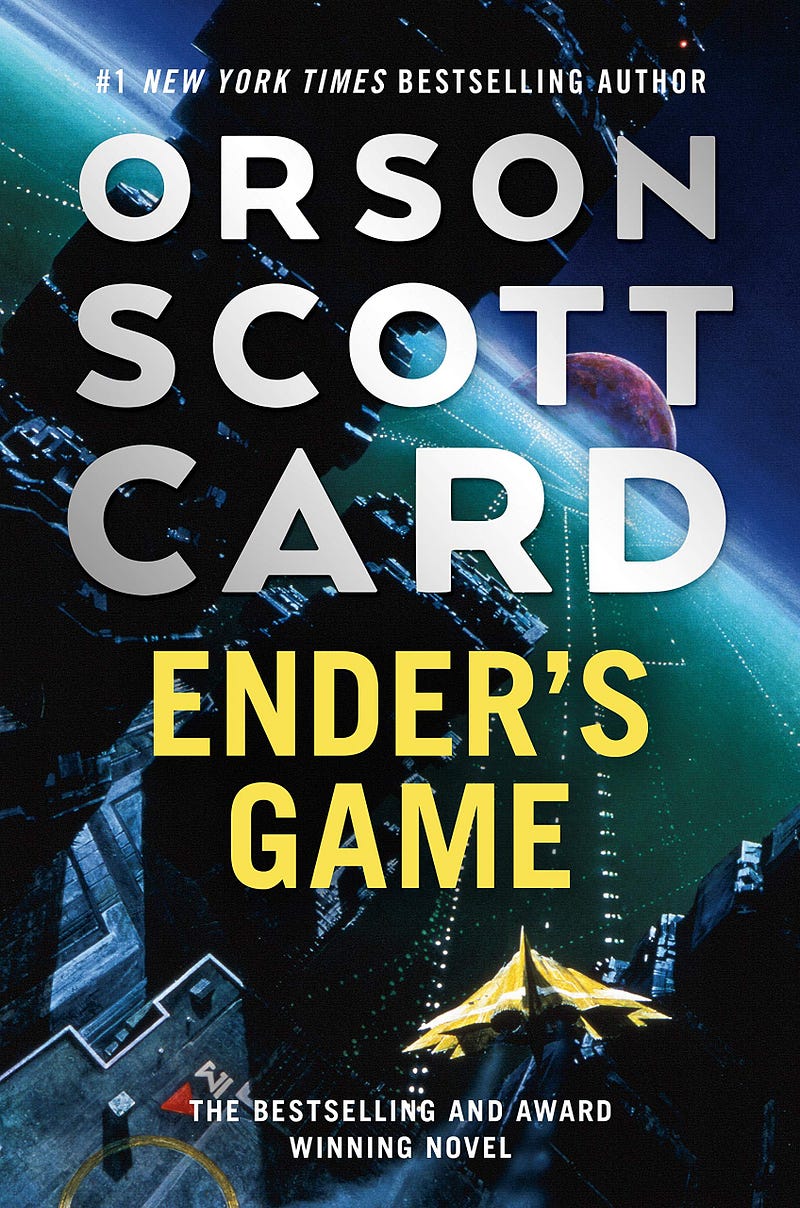
1. “Ender’s Game” by Orson Scott Card

“Ender’s Game” thrusts readers into a future where Earth faces an imminent threat from an alien race. Enter Ender Wiggin, a brilliant young strategist drafted into a military training program to prepare for the impending war. As Ender navigates through a series of increasingly complex challenges, the novel delves into themes of leadership, empathy, and the moral complexities of conflict.

“In the moment when I truly understand my enemy, understand him well enough to defeat him, then in that very moment I also love him. I think it’s impossible to really understand somebody, what they want, what they believe, and not love them the way they love themselves. And then, in that very moment when I love them…. I destroy them.”

― Orson Scott Card, Ender’s Game
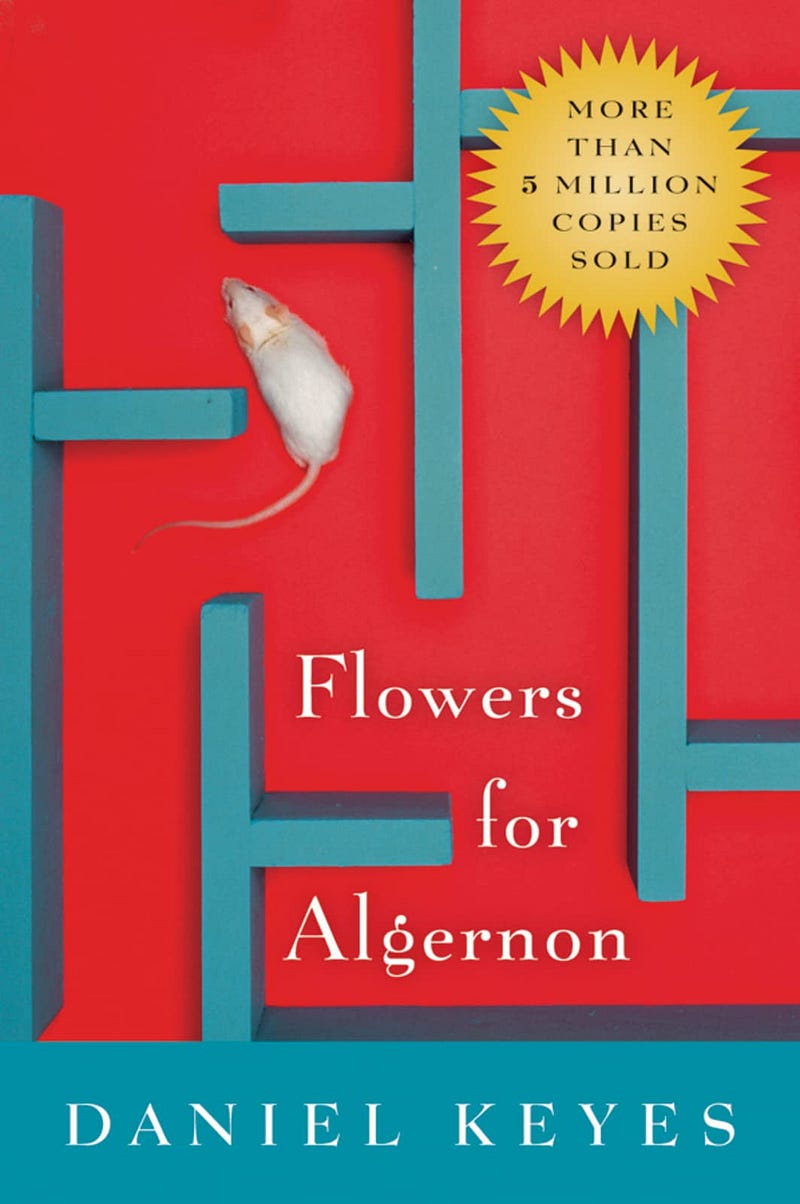
2. “Flowers for Algernon” by Daniel Keyes

In “Flowers for Algernon,” Daniel Keyes takes readers on an emotional rollercoaster through the life of Charlie Gordon, a mentally disabled man who undergoes an experimental procedure to enhance his intelligence. As Charlie’s IQ rapidly rises, he experiences both the joys of intellectual exploration and the heartbreak of realizing the limitations and prejudices of those around him.

“I don’t know what’s worse: to not know what you are and be happy, or to become what you’ve always wanted to be, and feel alone.”

― Daniel Keyes, Flowers for Algernon
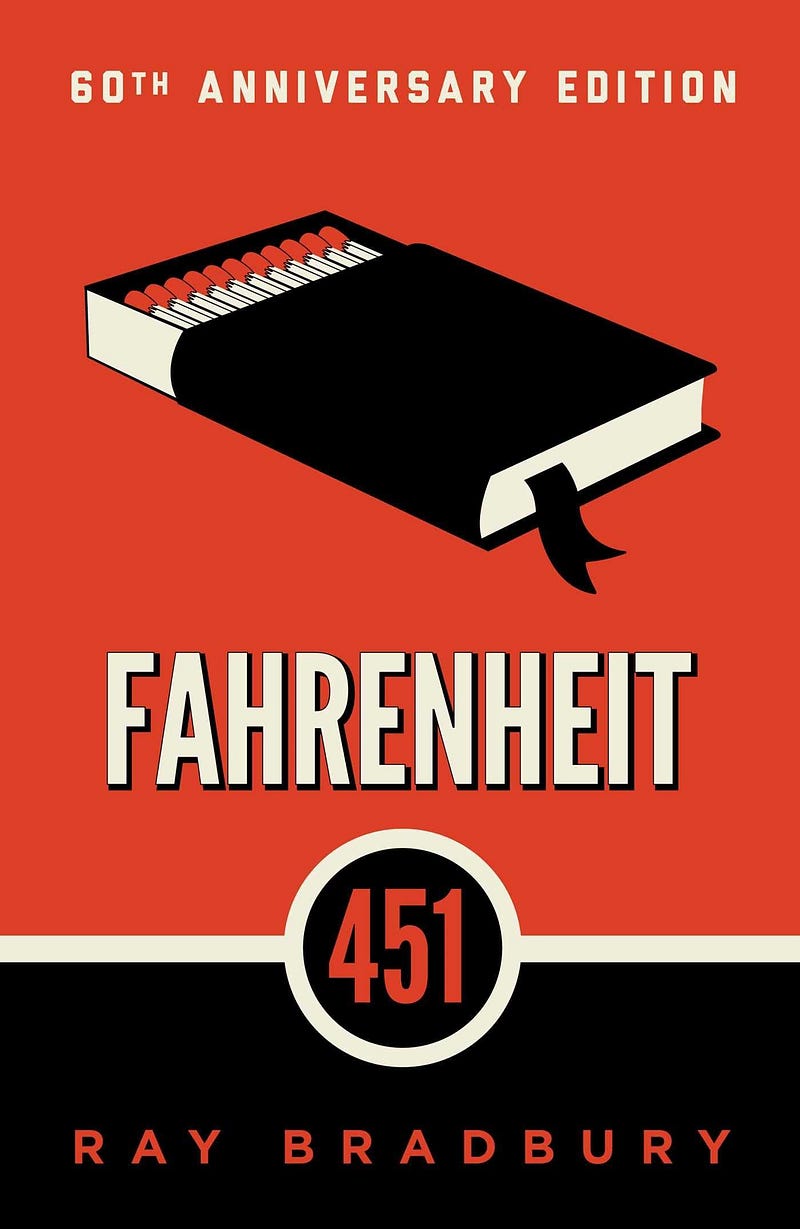
3. “Fahrenheit 451” by Ray Bradbury

Ray Bradbury’s dystopian masterpiece, “Fahrenheit 451,” paints a chilling portrait of a future society where books are outlawed and “firemen” burn them to control knowledge and free thought. The novel follows Guy Montag, a fireman who questions his role in a society that suppresses individuality and critical thinking.

“Why is it,” he said, one time, at the subway entrance, “I feel I’ve known you so many years?”

“Because I like you,” she said, “and I don’t want anything from you.”

― Ray Bradbury, Fahrenheit 451
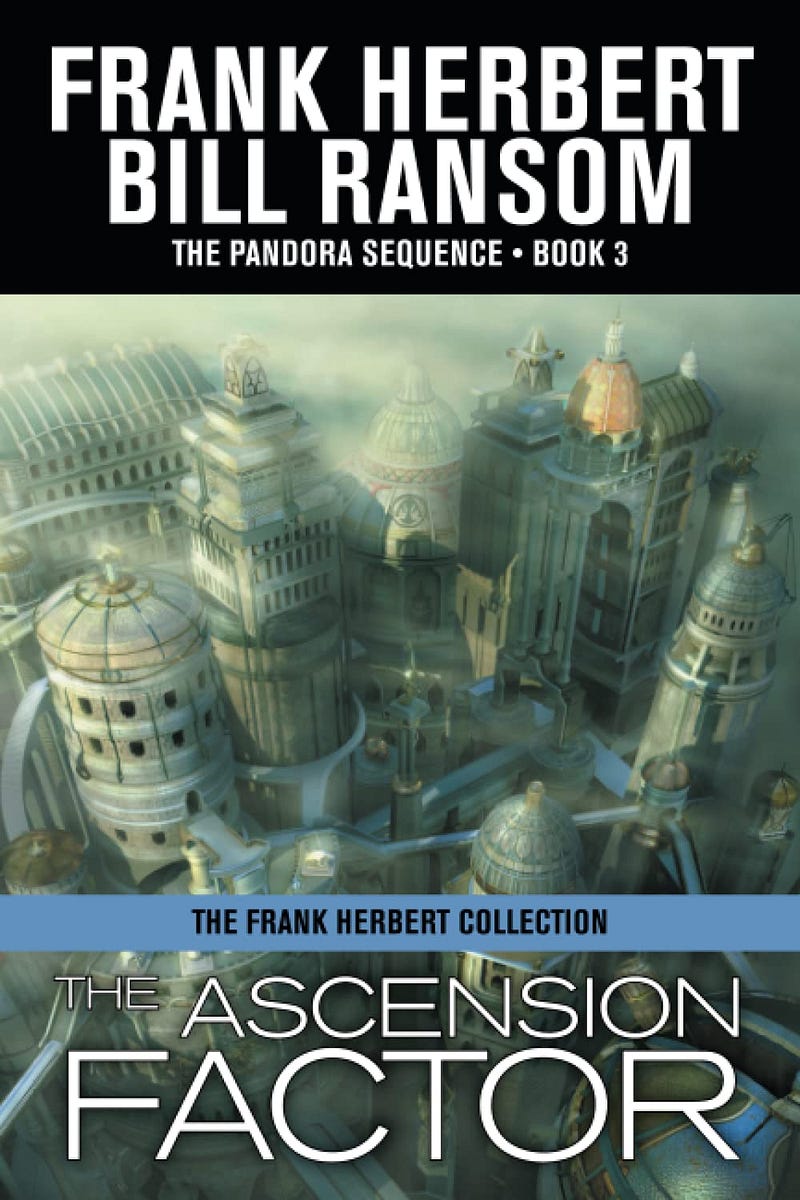
4. “The Ascension Factor” by Frank Herbert

“The Ascension Factor” by Frank Herbert explores the intricacies of human evolution and transformation through the lens of advanced technology. Set in a universe where mind-enhancing technology opens up new dimensions of consciousness, the novel delves into the consequences of such advancements on society, ethics, and identity.

“If you take any activity, any art, any discipline, any skill, take it and push it as far as it will go, push it beyond where it has ever been before, push it to the wildest edge of edges, then you force it into the realm of magic. — T. Robbins”

― Frank Herbert, The Ascension Factor
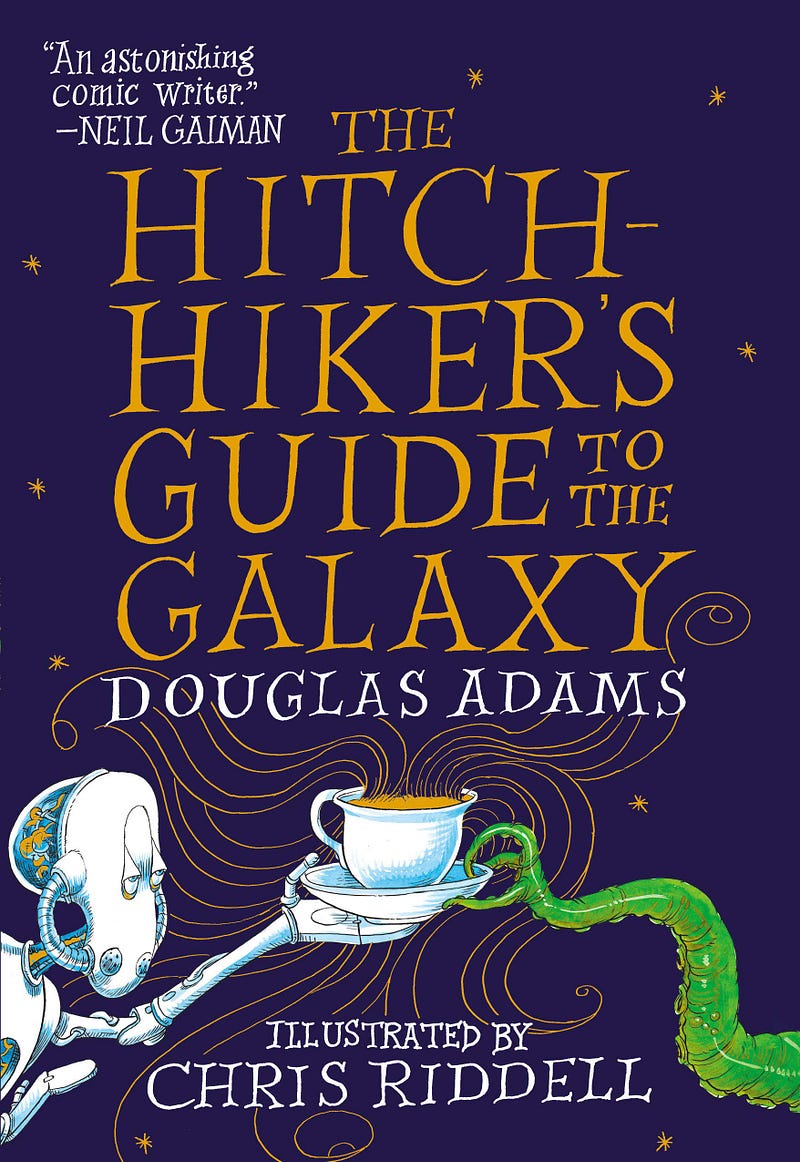
5. “The Hitchhiker’s Guide to the Galaxy” by Douglas Adams

Prepare for a side-splitting cosmic adventure in “The Hitchhiker’s Guide to the Galaxy.” Douglas Adams introduces us to Arthur Dent, a hapless Earthman who finds himself embroiled in a series of absurd escapades after the Earth is unexpectedly demolished to make way for a hyperspace bypass.

“For instance, on the planet Earth, man had always assumed that he was more intelligent than dolphins because he had achieved so much — the wheel, New York, wars and so on — whilst all the dolphins had ever done was muck about in the water having a good time. But conversely, the dolphins had always believed that they were far more intelligent than man — for precisely the same reasons.”

― Douglas Adams, The Hitchhiker’s Guide to the Galaxy
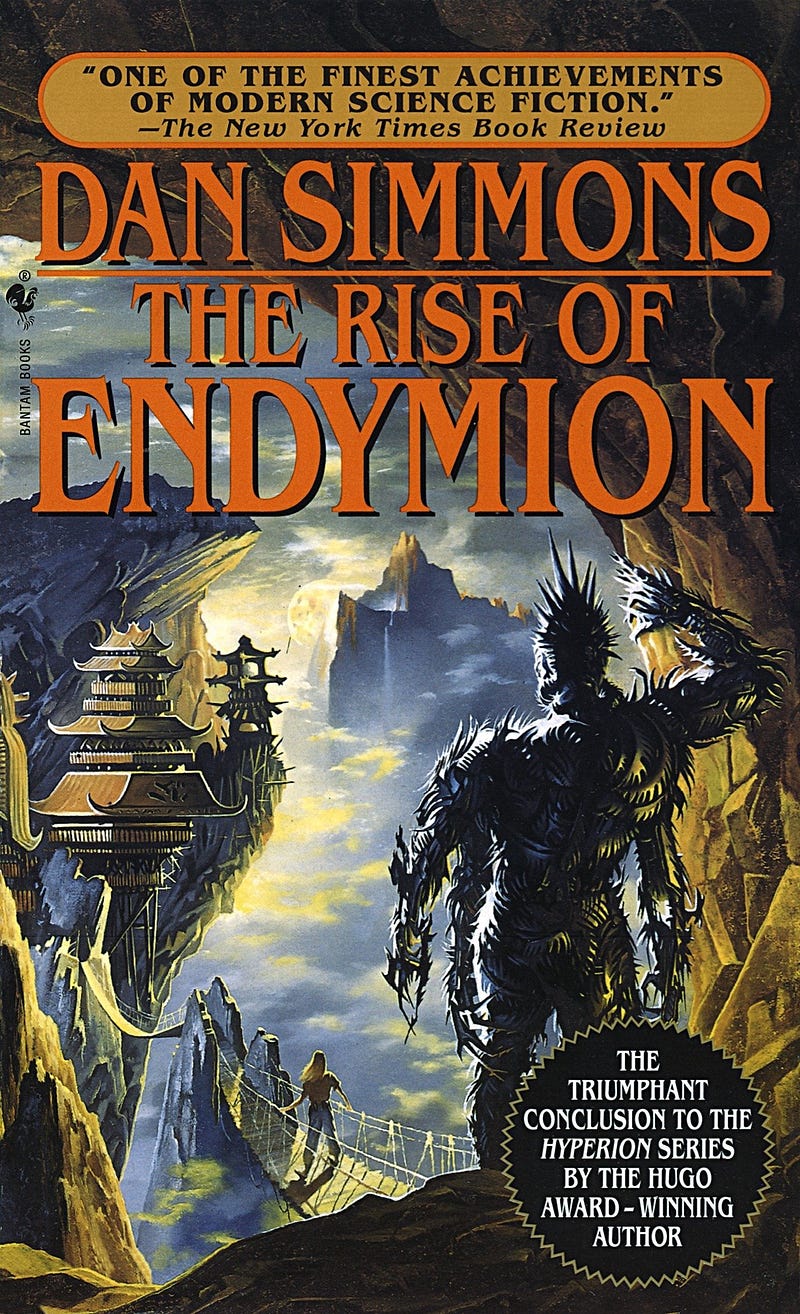
6. “The Rise of Endymion” by Dan Simmons

“The Rise of Endymion” is the fourth book in the Hyperion Cantos series by Dan Simmons. The narrative continues to explore the epic tale of humanity’s struggle against interstellar powers and artificial intelligence. With richly developed characters and intricate world-building, Simmons weaves a captivating saga that delves into themes of love, religion, and the fate of civilizations.

“It has been my experience that immediately after certain traumatic separations — leaving one’s family to go to war, for instance, or upon the death of a family member, or after parting from one’s beloved with no assurances of reunion — there is a strange calmness, almost a sense of relief, as if the worst has happened and nothing else need be dreaded.”

― Dan Simmons, The Rise of Endymion
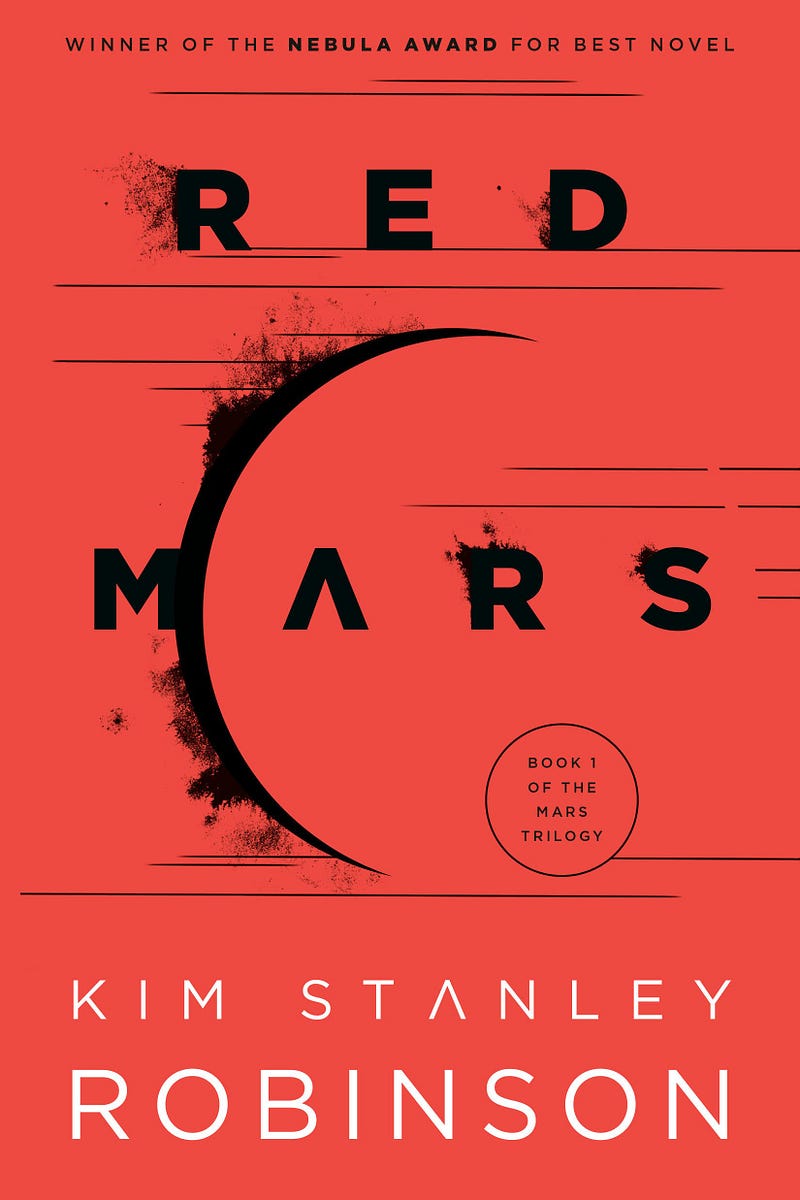
7. “Red Mars” by Kim Stanley Robinson

Kim Stanley Robinson’s “Red Mars” transports readers to a meticulously detailed vision of humanity’s colonization and terraforming efforts on the red planet. Through the eyes of a diverse cast of characters, the novel explores the scientific, political, and ethical challenges of transforming an alien world into a second Earth.

“Science was many things, Nadia thought, including a weapon with which to hit other scientists.”

― Kim Stanley Robinson, Red Mars
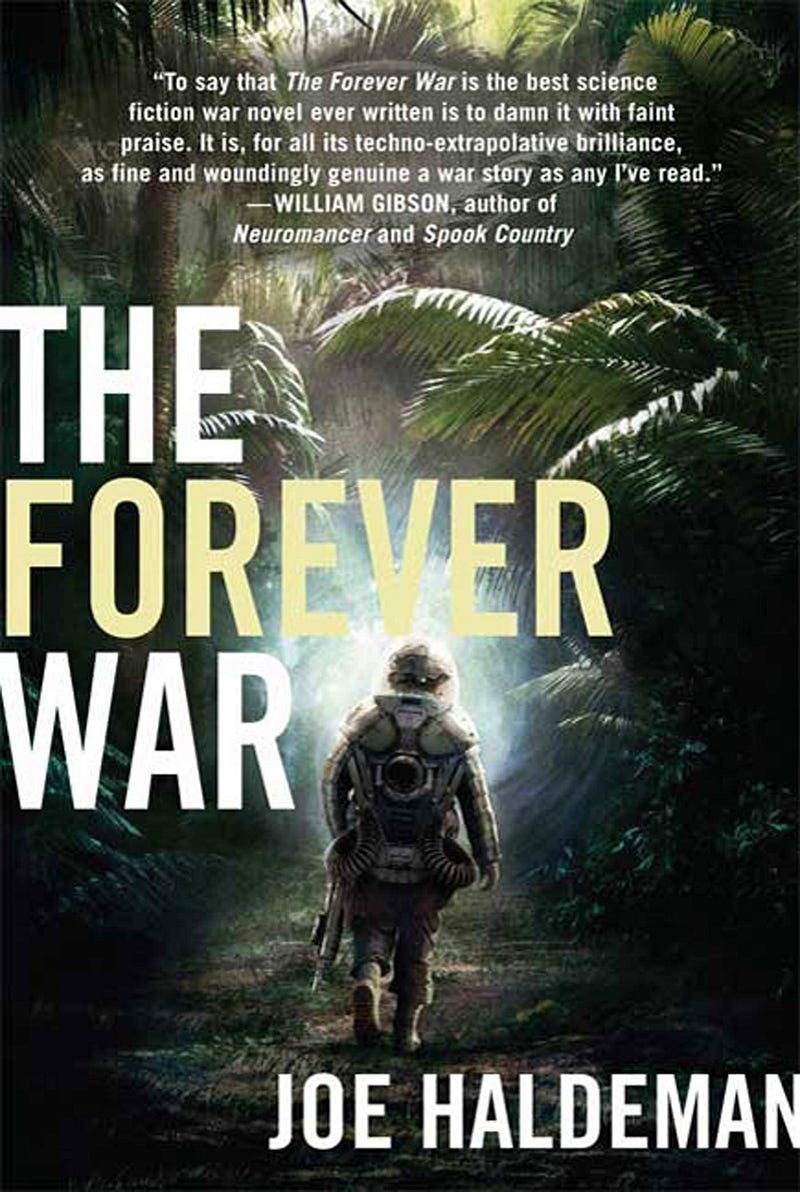
8. “The Forever War” by Joe Haldeman

Joe Haldeman’s “The Forever War” offers a unique take on interstellar conflict. In a universe where time dilation causes soldiers to experience centuries while only a few years pass on Earth, the novel follows protagonist William Mandella as he navigates through the psychological and emotional challenges of fighting an endless war.

“The 1143-year-long war hand begun on false pretenses and only because the two races were unable to communicate.

Once they could talk, the first question was ‘Why did you start this thing?’ and the answer was ‘Me?”

― Joe Haldeman, The Forever War
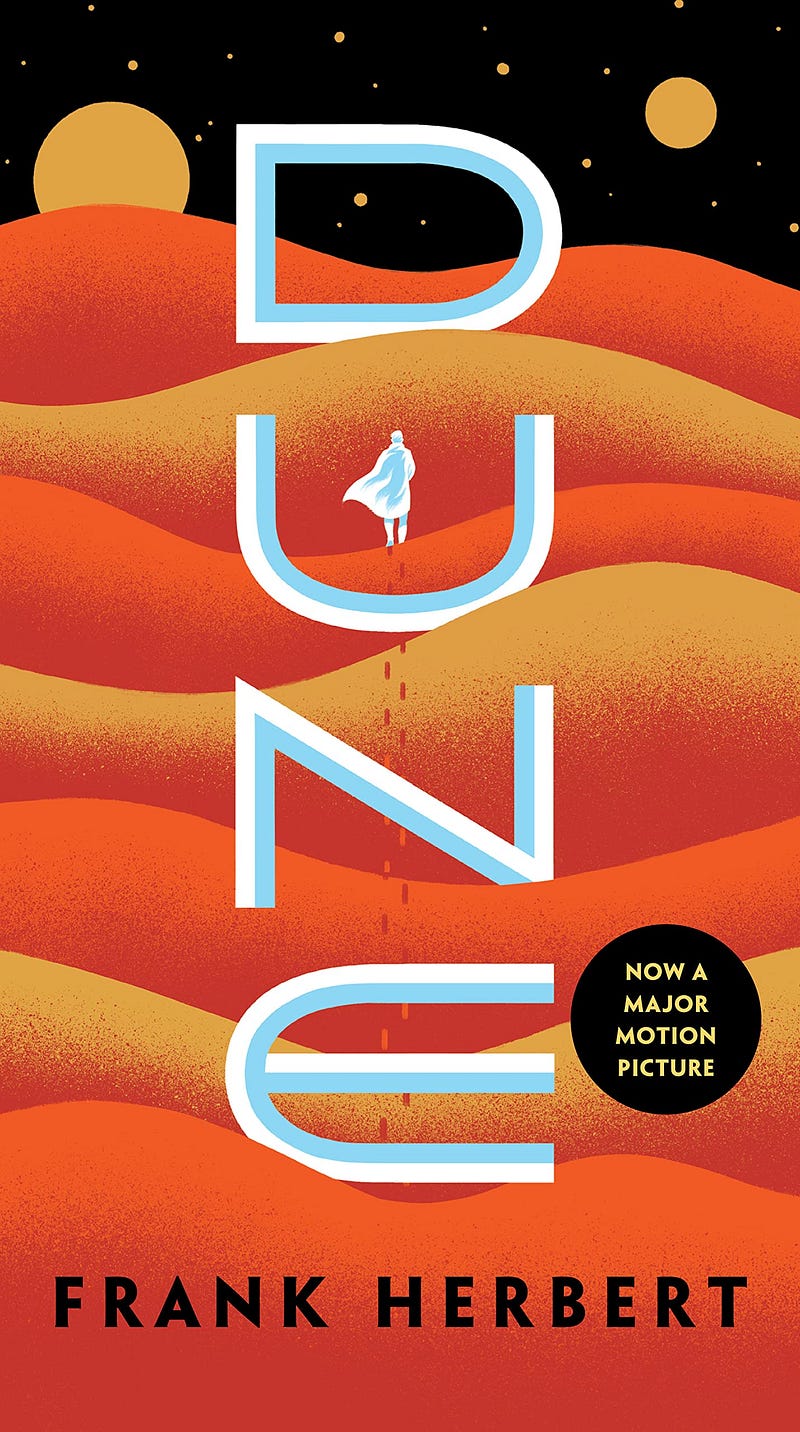
9. “Dune” by Frank Herbert

“Dune” by Frank Herbert is a sweeping epic set on the desert planet of Arrakis, where noble houses vie for control of the valuable resource known as spice. The novel follows young Paul Atreides as he becomes embroiled in political intrigue, prophecy, and ecological struggle.

“I must not fear. Fear is the mind-killer. Fear is the little-death that brings total obliteration. I will face my fear. I will permit it to pass over me and through me. And when it has gone past I will turn the inner eye to see its path. Where the fear has gone there will be nothing. Only I will remain.”

― Frank Herbert, Dune
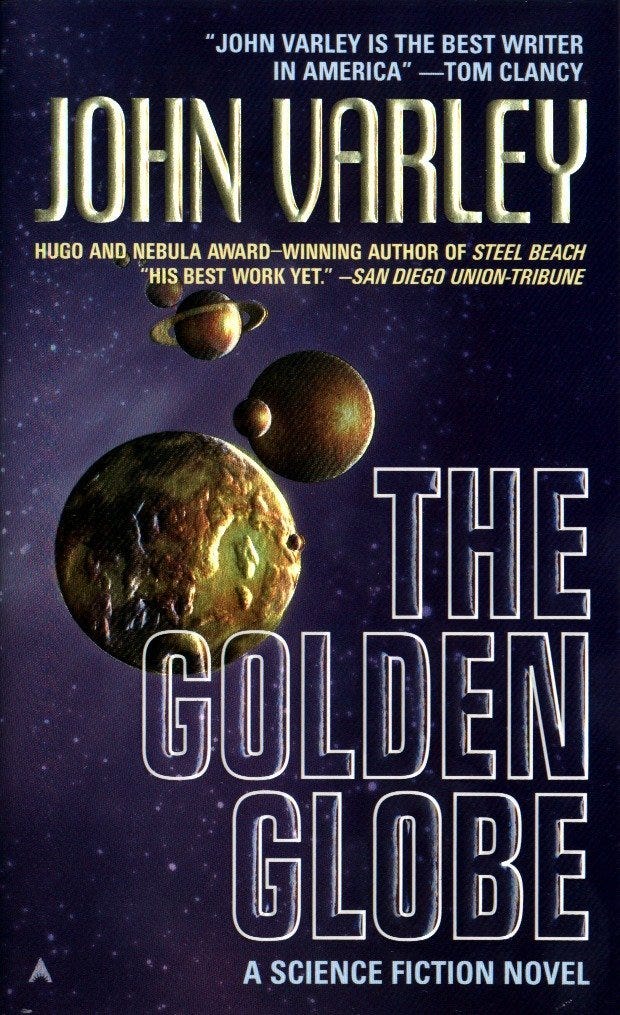
10. “The Golden Globe” by John Varley

In “The Golden Globe,” John Varley introduces readers to Sparky Valentine, a talented performer navigating a future solar system filled with adventure and danger. As Sparky travels from one world to another, the novel explores themes of art, fame, and the human desire for self-expression.

“Humans have this need to name everything, no matter how little that thing may deserve it.”

― John Varley, The Golden Globe
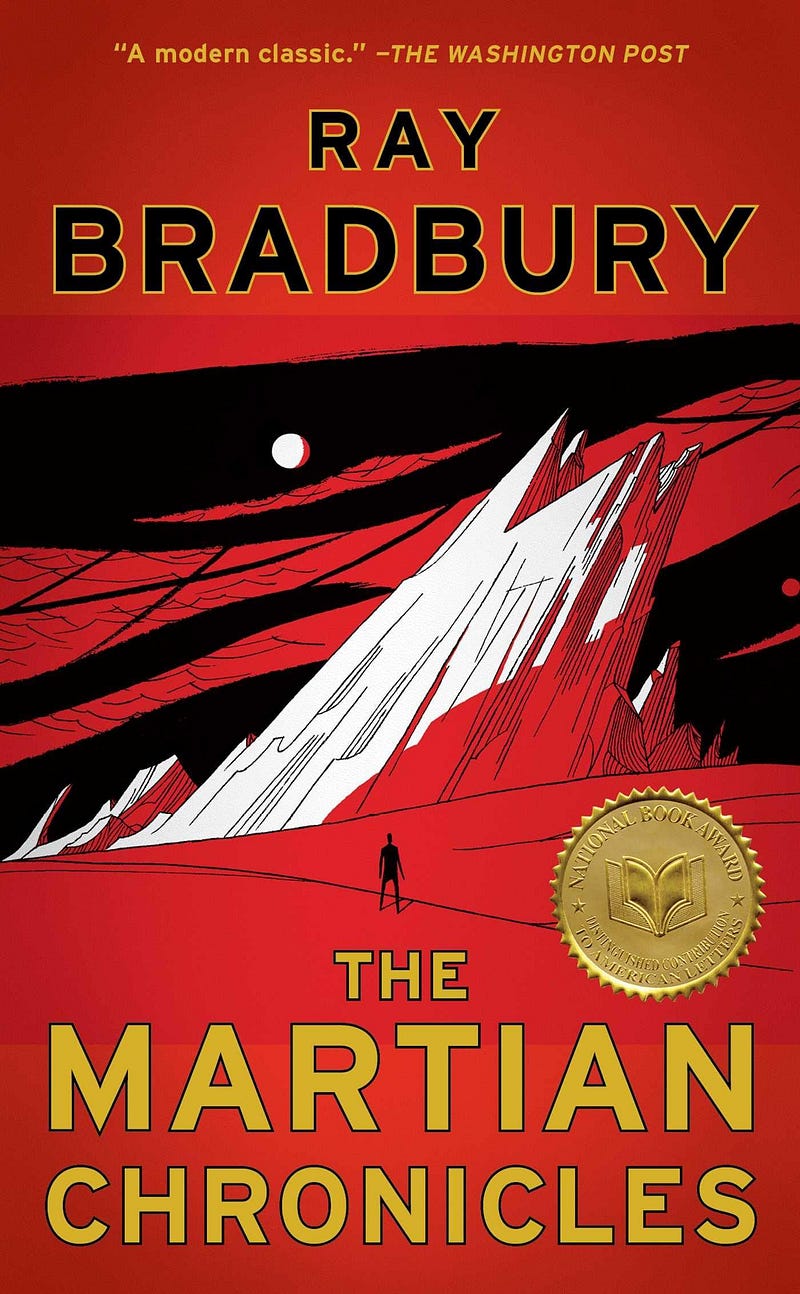
11. “The Martian Chronicles” by Ray Bradbury

Ray Bradbury’s “The Martian Chronicles” is a collection of interconnected stories that paint a vivid and poetic picture of humanity’s efforts to colonize Mars. As Earthlings venture to the red planet and encounter enigmatic Martians, the novel delves into themes of colonization, cultural clash, and the fragility of human existence.

“We earth men have a talent for ruining big, beautiful things.”

― Ray Bradbury, The Martian Chronicles
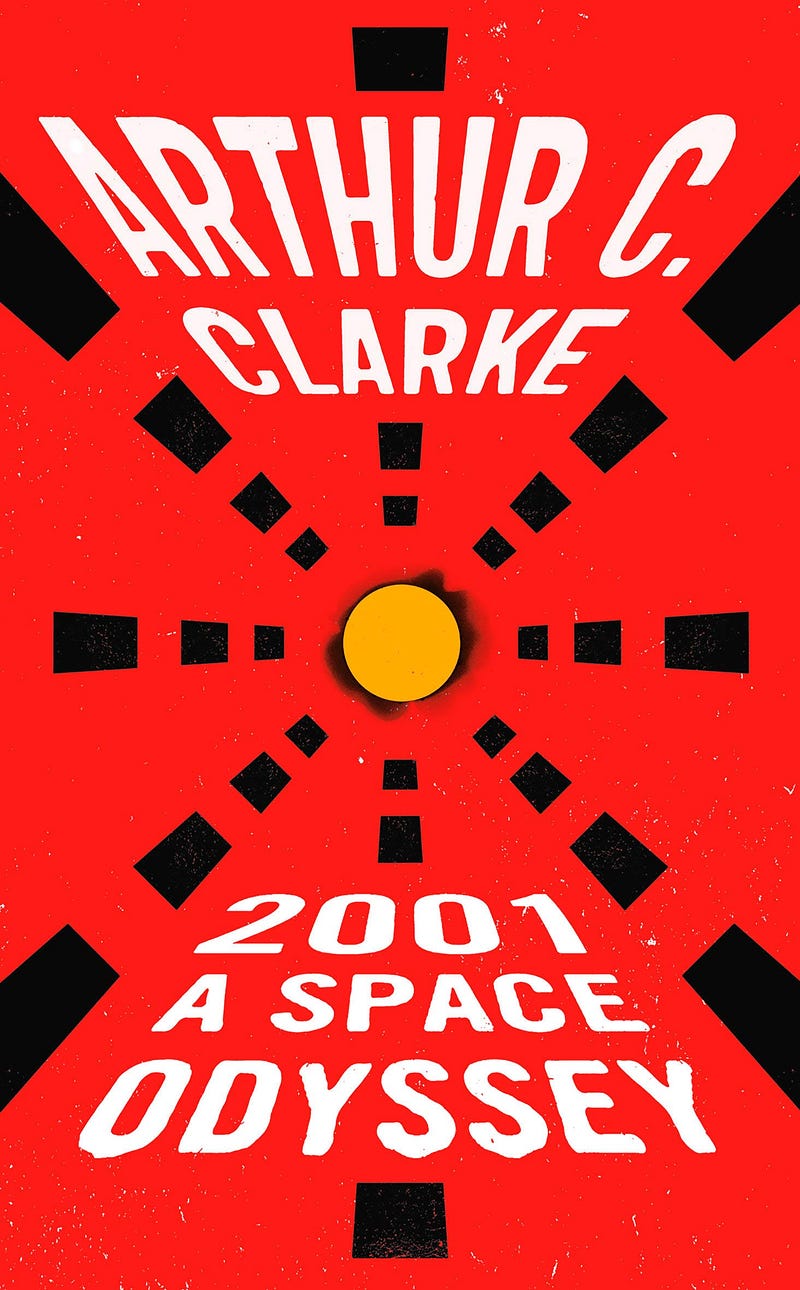
12. “2001: A Space Odyssey” by Arthur C. Clarke

“2001: A Space Odyssey” is a collaborative masterpiece by Arthur C. Clarke and Stanley Kubrick. The novel and film follow humanity’s encounter with an ancient extraterrestrial intelligence and the journey of the spaceship Discovery One to Jupiter. As the crew grapples with the enigmatic monolith and the AI entity HAL 9000, the narrative delves into themes of evolution, artificial intelligence, and the mysteries of the cosmos.

“It was the mark of a barbarian to destroy something one could not understand.”

― Arthur C. Clarke, 2001: A Space Odyssey
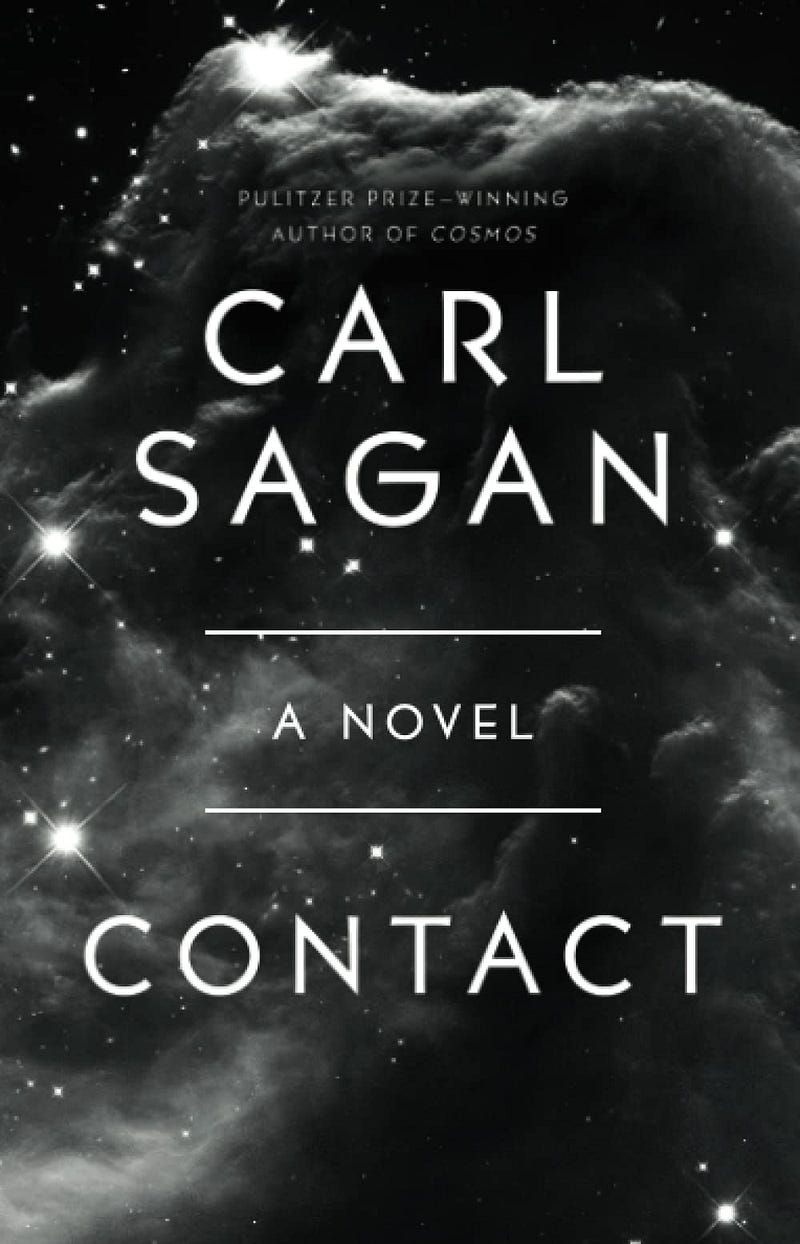
13. “Contact” by Carl Sagan

Carl Sagan’s “Contact” takes readers on a thought-provoking exploration of humanity’s first contact with an advanced alien civilization. The novel follows Dr. Ellie Arroway, a radio astronomer who intercepts a mysterious message from the star Vega. As humanity deciphers the message and embarks on an interstellar journey, Sagan examines the intersection of science, faith, and the search for extraterrestrial intelligence.

“You’re an interesting species. An interesting mix. You’re capable of such beautiful dreams, and such horrible nightmares. You feel so lost, so cut off, so alone, only you’re not. See, in all our searching, the only thing we’ve found that makes the emptiness bearable, is each other.”

― Carl Sagan, Contact
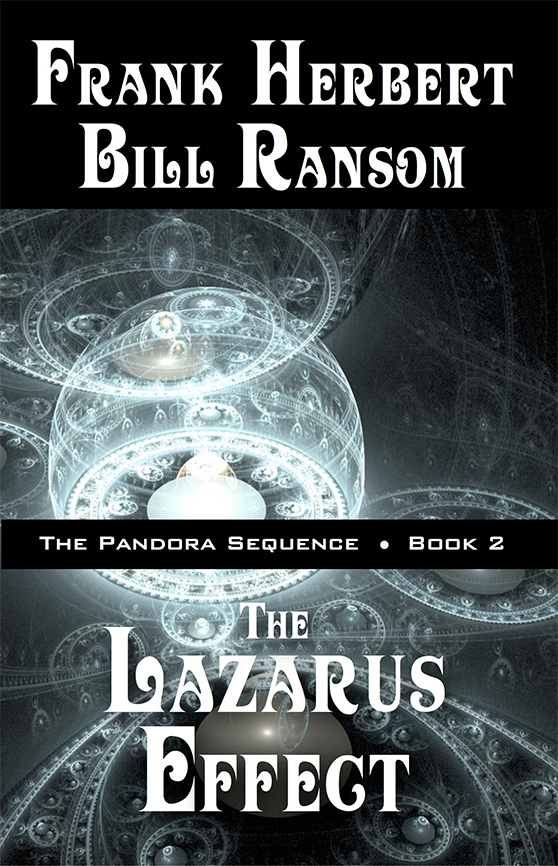
14. “The Lazarus Effect” by Frank Herbert

Set in a future where the process of bringing the dead back to life is a reality, the novel follows the moral dilemmas faced by scientists, individuals, and society as a whole.

“Life is not an option, it is a gift. Death is the option.”

― Frank Herbert, The Lazarus Effect
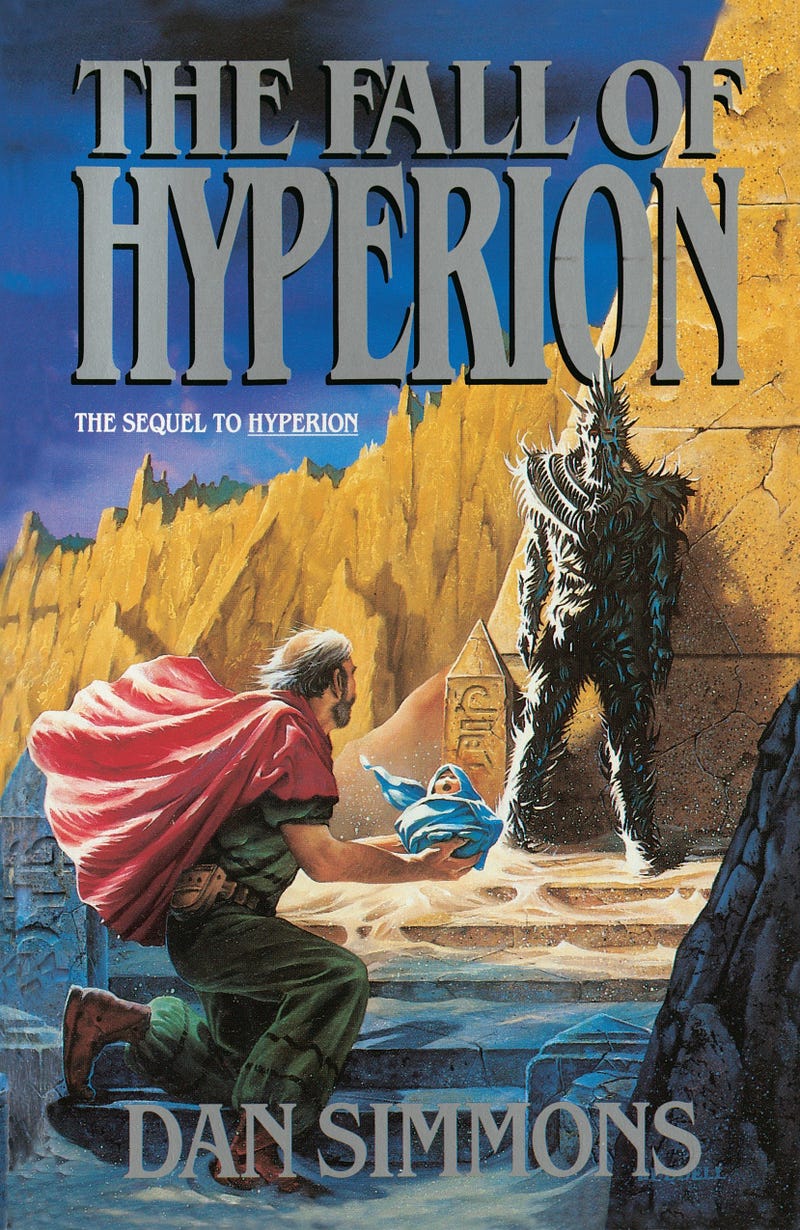
15. “The Fall of Hyperion” by Dan Simmons

As the second book in the Hyperion Cantos series, “The Fall of Hyperion” continues the epic saga with a tapestry of interconnected stories, weaving together diverse characters and intricate plotlines. Dan Simmons skillfully navigates themes of time travel, artificial intelligence, and cosmic conflict while exploring the motivations of both human and alien beings.

“I know what cancer was. How is it like humankind?”

Sek Hardeen’s perfectly modulated, softly accented tones showed a hint of agitation. “We have spread out through the galaxy like cancer cells through a living body, Duré. We multiply without thought to the countless life forms that must die or be pushed aside so that we may breed and flourish. We eradicate competing forms of intelligent life.”

― Dan Simmons, The Fall of Hyperion
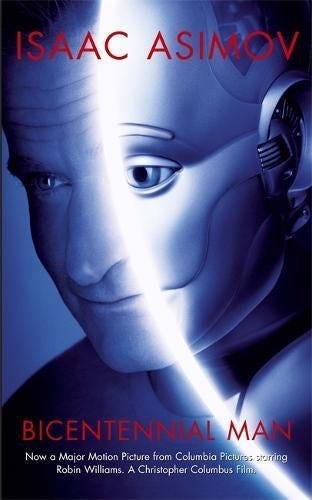
16. “Bicentennial Man” by Isaac Asimov

Isaac Asimov’s “Bicentennial Man” delves into questions of identity and humanity through the story of Andrew Martin, a robot who embarks on a quest to become more human over the course of two centuries.

“There is no right to deny freedom to any object with a mind advanced enough to grasp the concept and desire the state.”

― Isaac Asimov, The Bicentennial Man and Other Stories
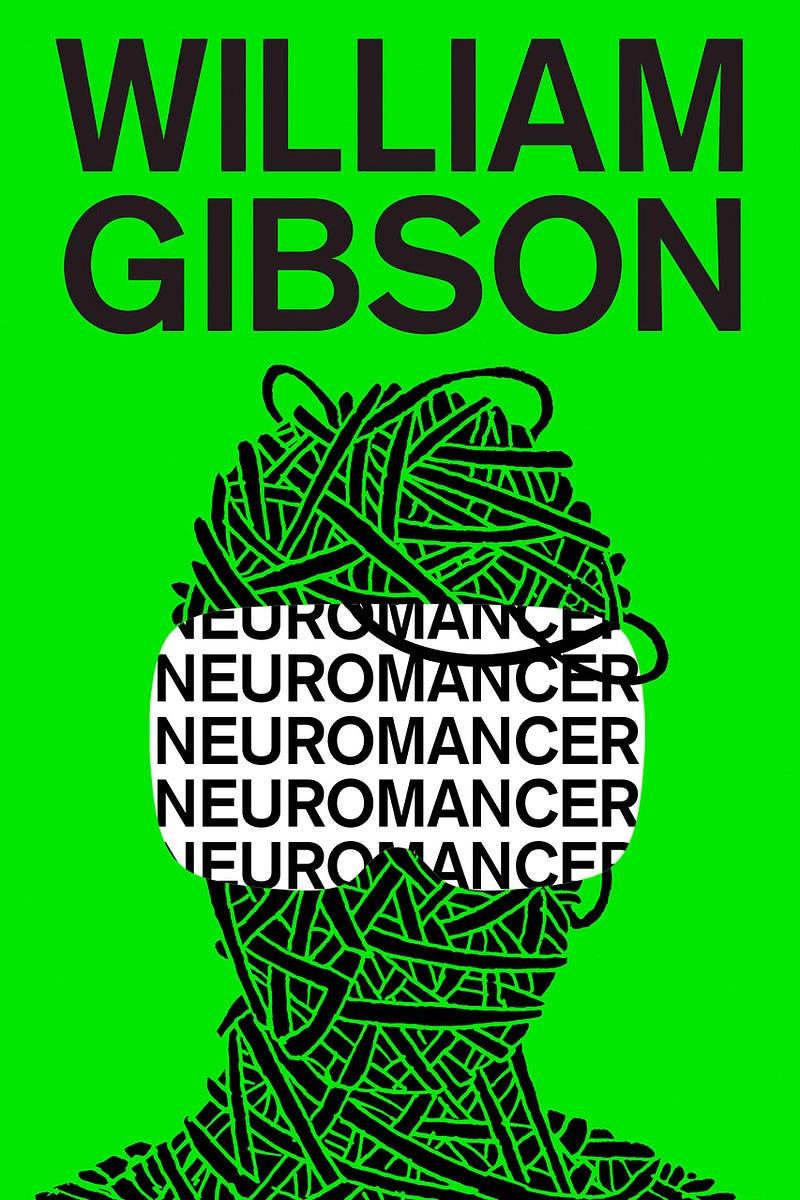
17. “Neuromancer” by William Gibson

William Gibson’s groundbreaking novel “Neuromancer” introduced the world to the cyberpunk genre and its exploration of technology, artificial intelligence, and the blurring boundaries between reality and virtual reality. Set in a dystopian future, the narrative follows Case, a washed-up computer hacker, as he navigates a world of corporate intrigue and digital espionage.

“Cyberspace. A consensual hallucination experienced daily by billions of legitimate operators, in every nation, by children being taught mathematical concepts… A graphic representation of data abstracted from banks of every computer in the human system. Unthinkable complexity. Lines of light ranged in the nonspace of the mind, clusters and constellations of data. Like city lights, receding…”

― William Gibson, Neuromancer
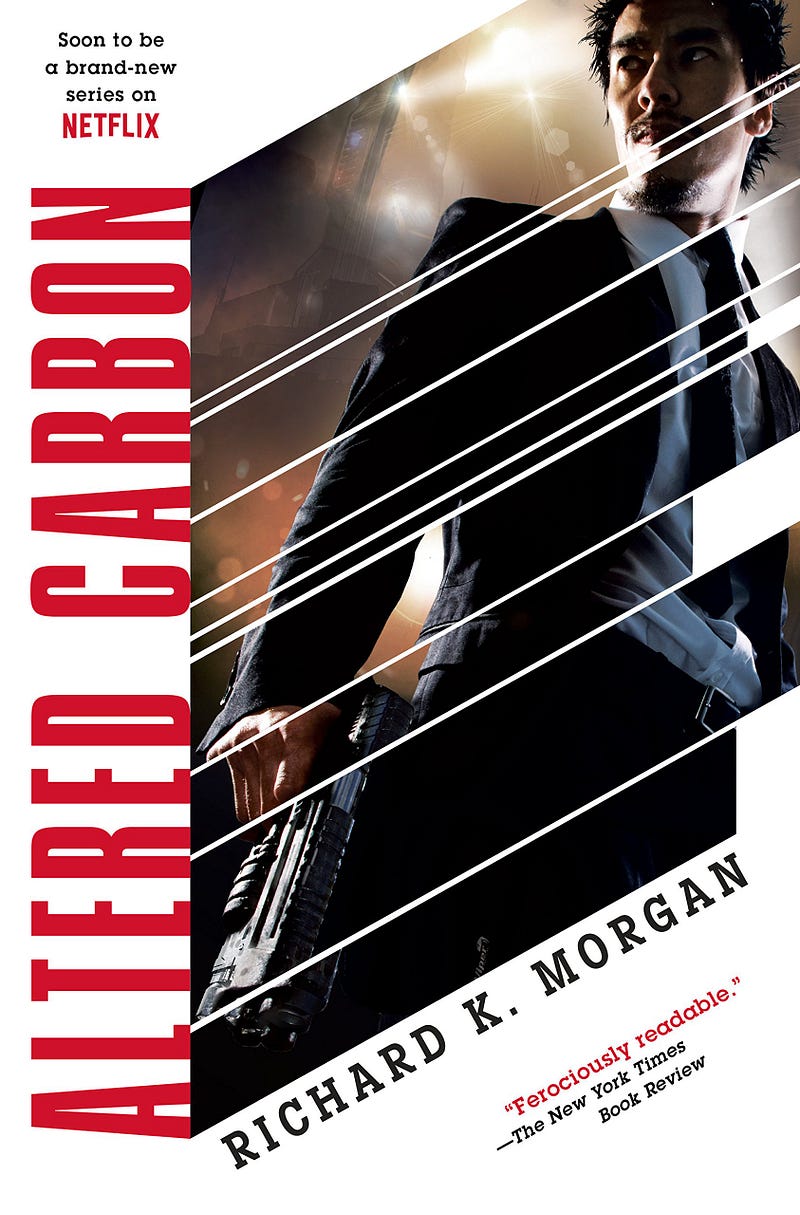
18. “Altered Carbon” by Richard Morgan

In “Altered Carbon,” Richard Morgan presents a future where human consciousness can be transferred between bodies, known as “sleeves.” This exploration of identity, mortality, and the commodification of life follows Takeshi Kovacs, a former soldier turned investigator, as he navigates a world of intrigue and corruption.

“The human eye is a wonderful device. With a little effort, it can fail to see even the most glaring injustice.”

― Richard K. Morgan, Altered Carbon
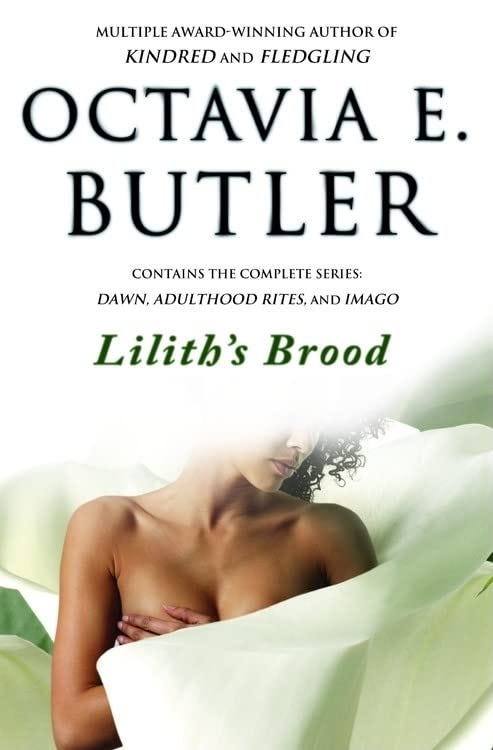
19. “Lilith’s Brood” by Octavia Butler

Octavia Butler’s “Lilith’s Brood” trilogy offers a thought-provoking exploration of alien contact and the complexities of genetic manipulation. As humanity grapples with the aftermath of an alien intervention, the narrative delves into themes of adaptation, hybridity, and the clash of cultures.

“You are horror and beauty in rare combination.”

― Octavia E. Butler, Lilith’s Brood
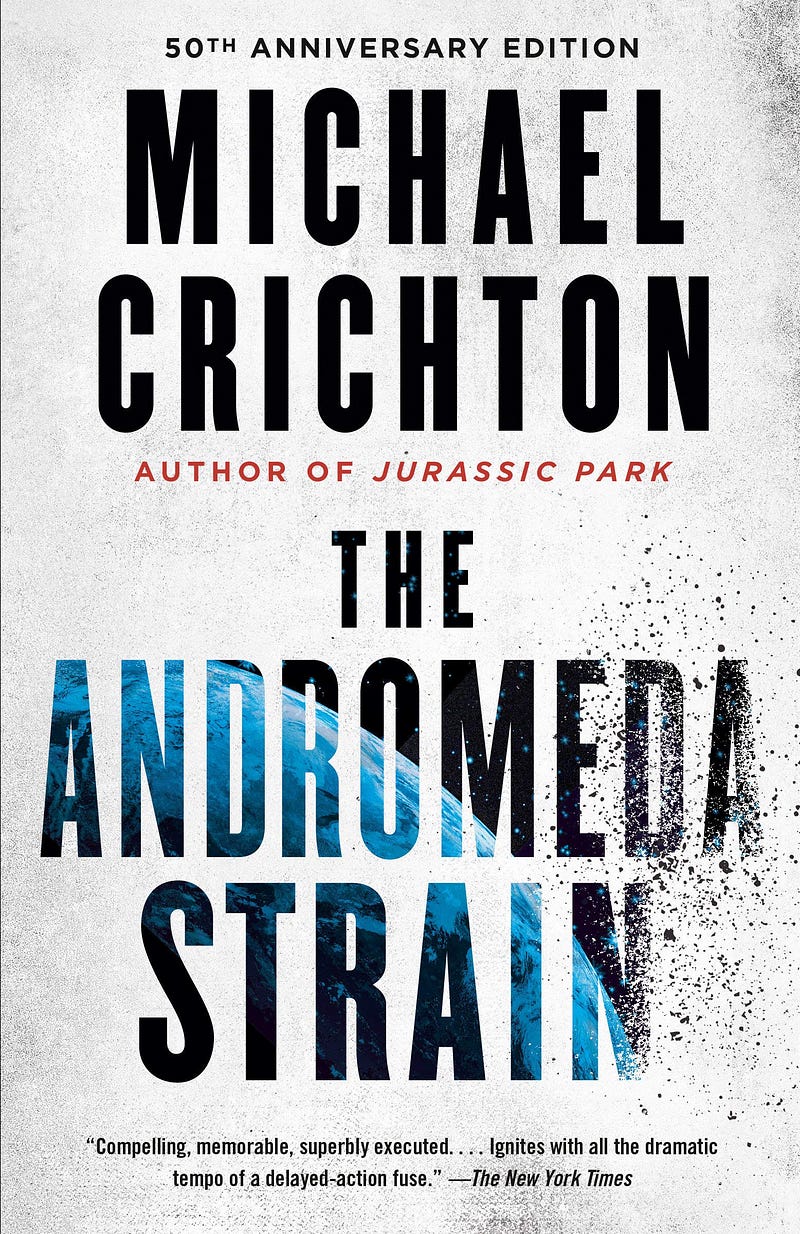
20. “The Andromeda Strain” by Michael Crichton

Michael Crichton’s “The Andromeda Strain” presents a gripping tale of a team of scientists racing against time to contain a deadly extraterrestrial microorganism. As they uncover the secrets of the Andromeda Strain, Crichton explores the tension between scientific discovery and the potential for catastrophic consequences.

“The rock, for its part, is not even aware of our existence because we are alive for only a brief instant of its lifespan. To it, we are like flashes in the dark.”

― Michael Crichton, The Andromeda Strain
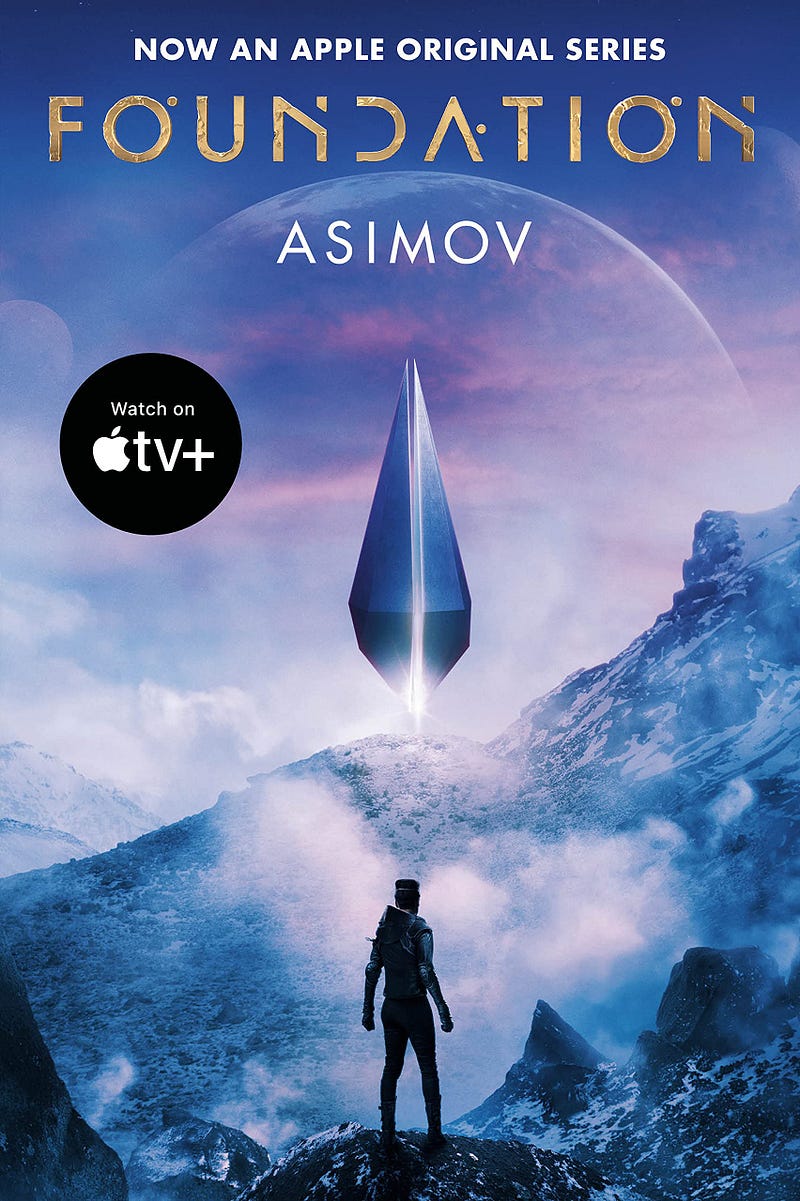
21. “Foundation” by Isaac Asimov

Isaac Asimov’s “Foundation” introduces readers to a sprawling galactic empire and the concept of “psychohistory,” a mathematical discipline that predicts the future of civilizations. As the empire faces collapse, Hari Seldon, the creator of psychohistory, sets in motion a plan to minimize the period of chaos and create a new era of stability.

“If you’re born in a cubicle and grow up in a corridor, and work in a cell, and vacation in a crowded sun-room, then coming up into the open with nothing but sky over you might just give you a nervous breakdown.”

― Isaac Asimov, Foundation
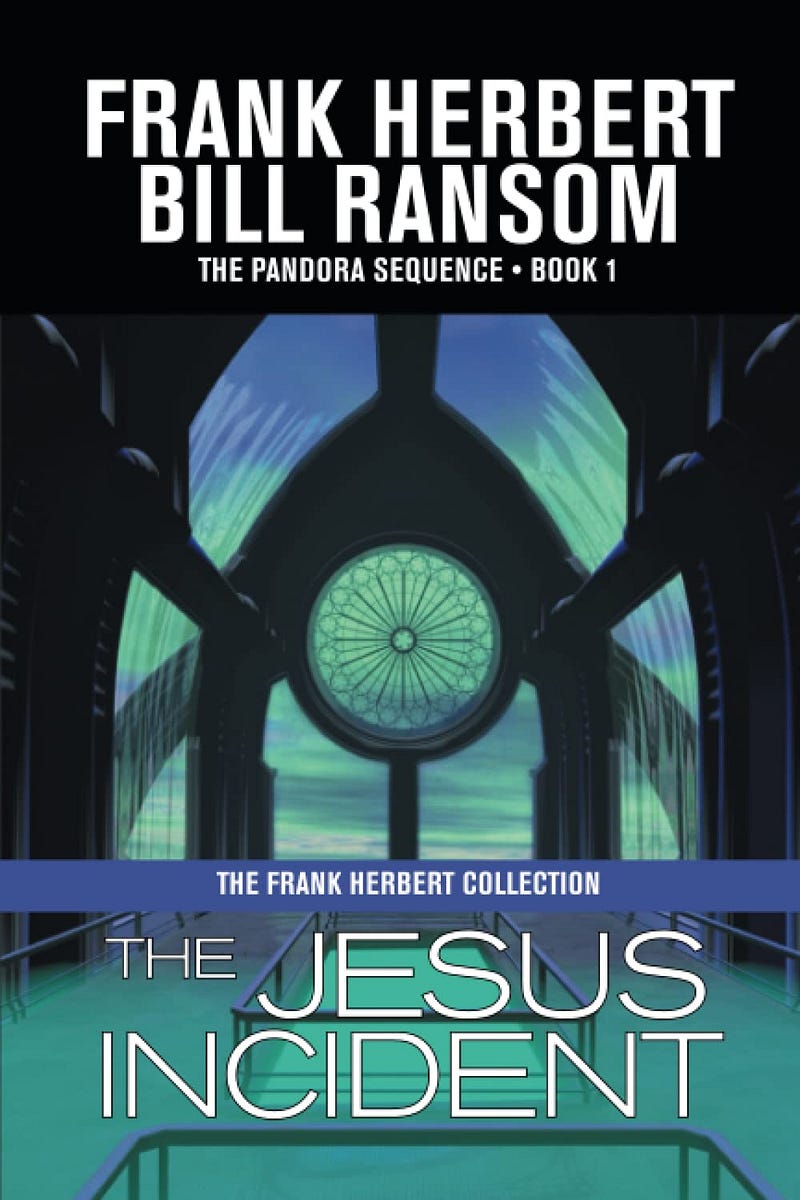
22. “The Jesus Incident” by Frank Herbert

“The Jesus Incident,” co-authored by Frank Herbert and Bill Ransom, continues the exploration of the Pandora universe. Set on the planet Pandora, the novel delves into the survival and evolution of humanity after crash-landing on an alien world.

“Myths are not fiction, but history seen with a poet’s eyes and recounted in a poet’s terms.”
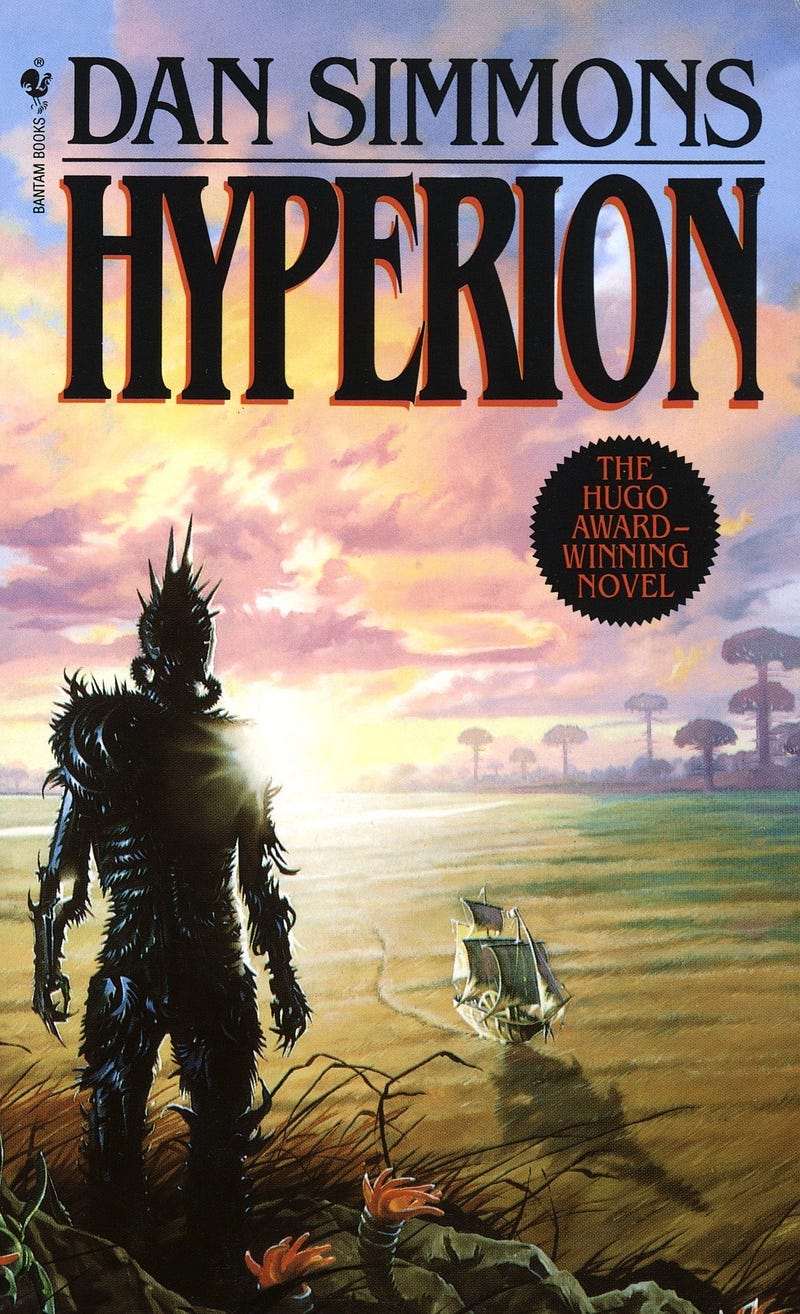
23. “Hyperion” by Dan Simmons

The first book in the Hyperion Cantos series, “Hyperion,” weaves together the stories of seven pilgrims as they embark on a journey to the distant world of Hyperion, each sharing their unique experiences and motivations.

“In the beginning was the Word. Then came the fucking word processor. Then came the thought processor. Then came the death of literature. And so it goes.”

― Dan Simmons, Hyperion
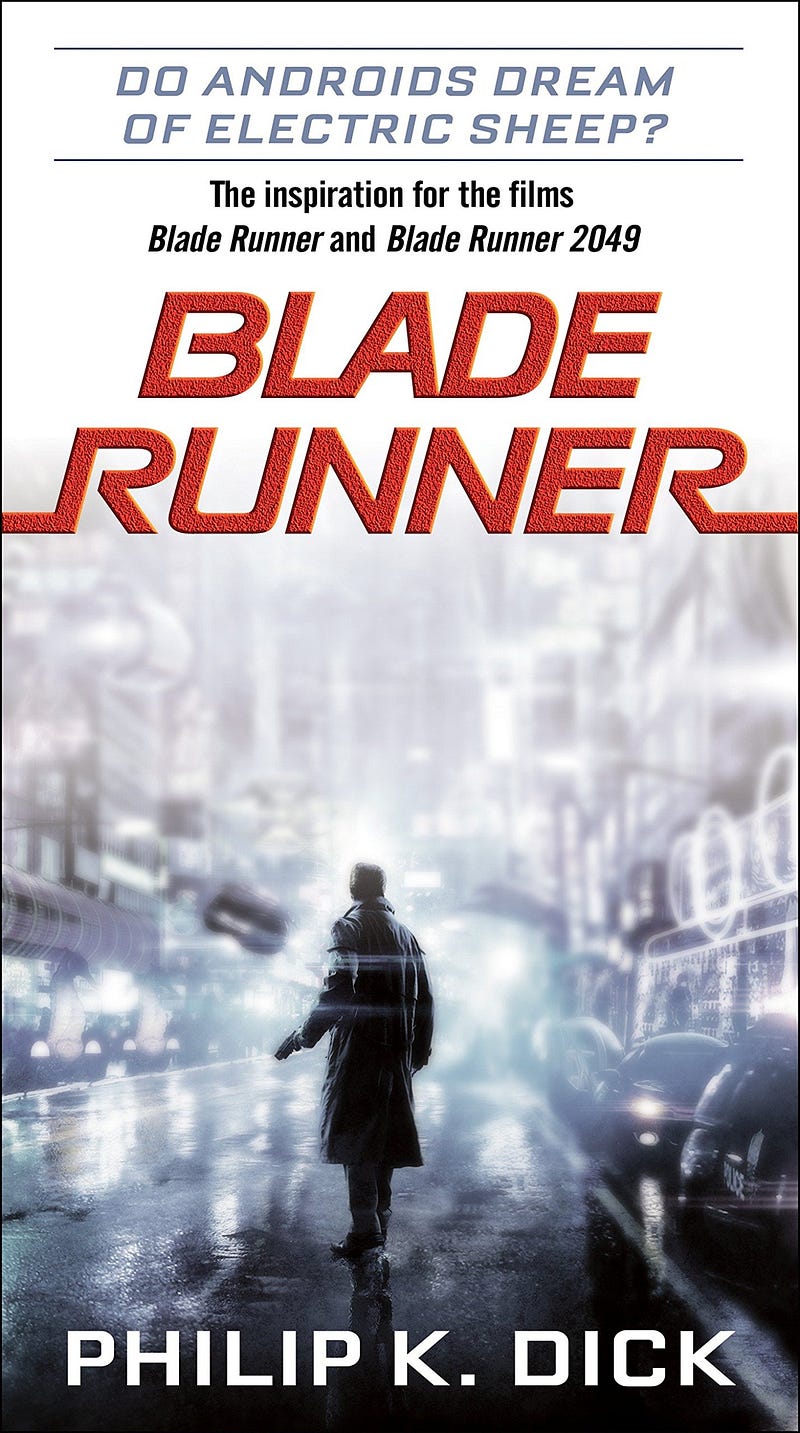
24. “Do Androids Dream of Electric Sheep” by Philip K. Dick

Philip K. Dick’s thought-provoking novel “Do Androids Dream of Electric Sheep” introduces readers to a dystopian future where humans and androids coexist, blurring the lines between what is real and what is artificial. As bounty hunter Rick Deckard hunts down rogue androids, the narrative delves into questions of empathy, identity, and the essence of humanity.

“You mean old books?”

“Stories written before space travel but about space travel.”

“How could there have been stories about space travel before — “

“The writers,” Pris said, “made it up.”

― Philip K. Dick, Do Androids Dream of Electric Sheep?
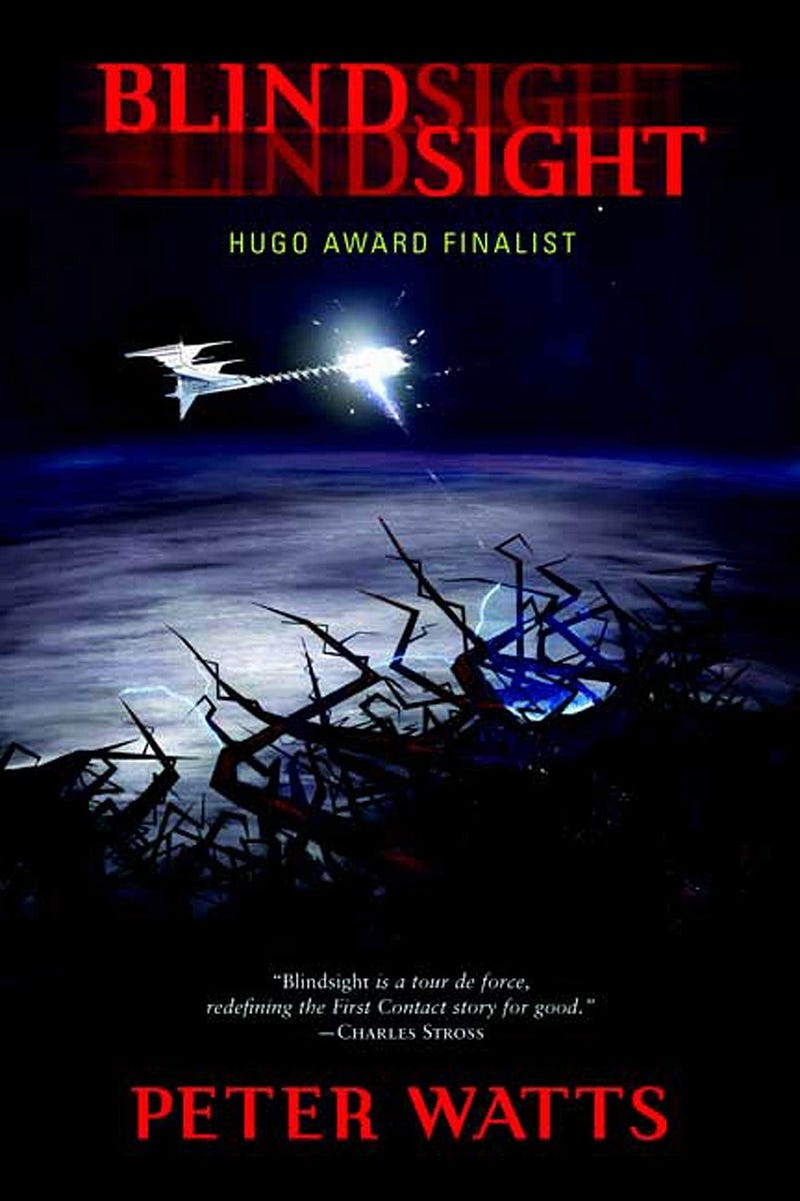
25. “Blindsight” by Peter Watts

Peter Watts’ “Blindsight” takes readers on a mind-bending journey to the edge of human understanding and beyond. Set in a future where humans encounter an enigmatic alien intelligence, the novel explores themes of consciousness, perception, and the nature of intelligence itself. As a team of scientists investigates the alien presence, Watts delves into the concept of blindsight — a phenomenon where visual perception occurs without conscious awareness.

“People aren’t rational. We’re not thinking machines, we’re — we’re feeling machines that happen to think.”

― Peter Watts, Blindsight

I hoped you have found this article useful. If you did, it would be awesome if you gave me a clap or left a response!

If you enjoyed this article and want to support Novel Nest, click this link to get notified whenever I publish something new.

If you enjoyed these book recommendations, check out the rest of my book lists on my blog- https://www.thenovelnest.com/blog

Affiliate Disclaimer: This post features Amazon affiliate links, which means I may earn a small commission if you make a purchase through these links.

Science Fiction
Fiction
Books
Reading
Book Review
Recommended from ReadMedium