
22 Women Geneticists Who Should be Famous!
But aren’t because they weren’t men
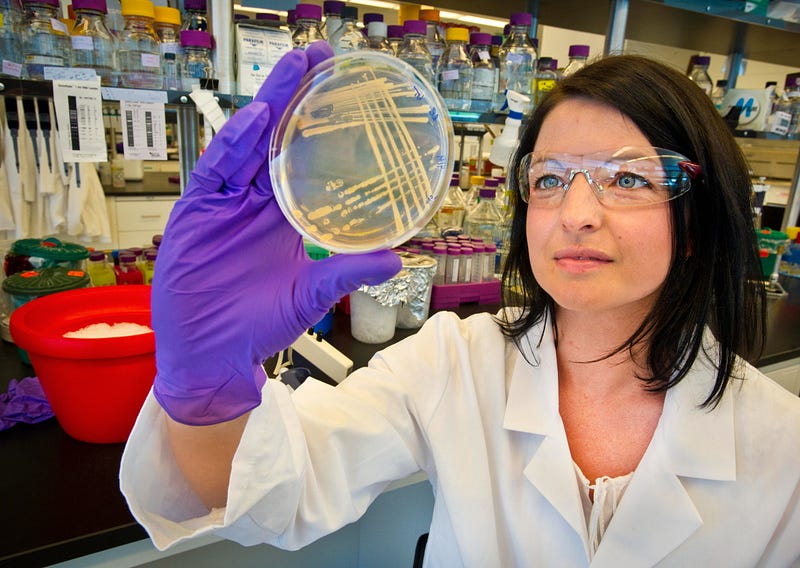
Have you ever heard about Nettie Stevens? Or Helen Redfield? Or Esther Lederberg and host of others? Probably not.
And why is that?
Because they are women scientists.
Very few women are mentioned and given the same status, even though the work they did was just as important, if not more so. The only female geneticist I remember being mentioned in my college genetic textbooks was Barbara McClintock.
That’s just not right.
So in 2020, the 100th anniversary of women obtaining the right to vote in the United States, I’d like to introduce you to and commemorate 22 remarkable women geneticists who are no longer with us.
In my Buddhist practice, we pay homage to all the dharma ancestors that have transmitted their realization to their successors and again, although there are many women who should have been noted, only the male teachers are named. So in our modern age, we do the best we can to acknowledge these women dharma teachers by adding,
“and we pay homage to all our women ancestors, known and unknown, whose shining practice guides us to this day”
So let’s cast a light on these stellar women geneticists whose shining research guided us and so many others into this new day.
Female Geneticists — The best of the best
I have arranged them according to their birthdates, from earliest to most recent.
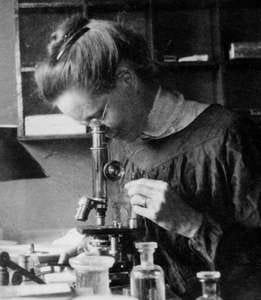
1. Nettie Maria Stevens,
(born July 7, 1861, Cavendish, Vermont, U.S. — died May 4, 1912, Baltimore, Maryland), was an American biologist and geneticist and was one of the first scientists to discover that a certain combination of chromosomes determined the sex of an organism.
One smart cookie, Stevens finished her 4 years of high school in two!
She entered Stanford University in 1896 and received her M.A in 1900. She pursued doctoral studies in biology at Bryn Mawr College and was awarded her Ph.D. in 1903. She never left Bryn Mawr and was an associate in experimental morphology from 1905 until her death.
Stevens’s first published paper detailed the morphology and taxonomy of a ciliate protozoan. She then became interested in looking at the biology of cells (cytology) and how they repair themselves. One of her major papers in that field was written in 1904 with zoologist and geneticist Thomas Hunt Morgan, who in 1933 would win the Nobel Prize for his work.
Her regeneration work led her to look at how embryos form all the different tissues and determine what sex they will become. This led her to start studying chromosomes.
In 1905, after using the yellow mealworm (Tenebrio molitor) as her experimental model, she discovered that a particular combination of 2 chromosomes, the X and the Y chromosomes, determined which sex an individual would become.
Not only was this the first proof that sex was determined by heredity, but it also debunked the theory that sex was determined by some unknown embryonic environmental influence.
It also was the first firm link between a heritable characteristic and a particular chromosome.
In subsequent research on chromosomes, Stevens discovered supernumerary chromosomes in certain insects and the paired state of chromosomes in flies and mosquitoes.
She died at the age of 50 from breast cancer.
Even though her career span was short she published approximately 40 papers!
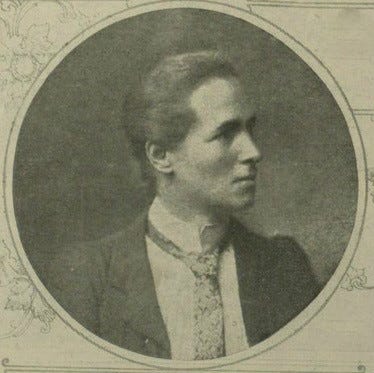
2. Edith Rebecca Saunders,
(born Oct. 14, 1865, Brighton, Eng. — died June 6, 1945, Cambridge)
Described by J. B. S. Haldane as the “Mother of British Plant Genetics”, she played an active role in the re-discovery of Mendel’s laws of heredity, the understanding of trait inheritance in plants, and was the first collaborator of the geneticist William Bateson.
Saunders’ earlier research focused on genetics. Many of her experiments led to her and Bateson defining important terms like “allelomorphs” (nowadays referred to as alleles), heterozygote and homozygote.
Saunders was also the first person to collaborate with Bateson. In the 5 years spanning 1897 to 1902, they published a series of papers on the inheritance of dominant and recessive traits in the plant Biscutella laevigata, a member of the mustard family.
In a collaboration between her, Bateson and Reginald Punnett, they co-discovered genetic linkage.
As a result of her acclaimed work with Bateson and the Balfour laboratory she was elected a fellow of the prestigious Linnean Society and became one of its first female members. She served on the society’s council and as its vice president. She also was designated president of the botanical section of the British Association for the Advancement of Science (now the British Science Association) and of the Genetical Society (now the Genetics Society).
Saunders was particularly interested in the anatomy of female plant reproductive structures and published several articles on the subject (see her series of articles on “Illustrations of Carpel Polymorphism” published in the journal New Phytologist between 1928 and 1931).
She also published a two-volume reference, Floral Morphology (1937–1939) in which she discussed the conservation of floral structures and how they illustrated evolutionary relationships.
Saunders’ work opened up important new avenues of research that geneticists and botanists still continue to explore and gain new insights.
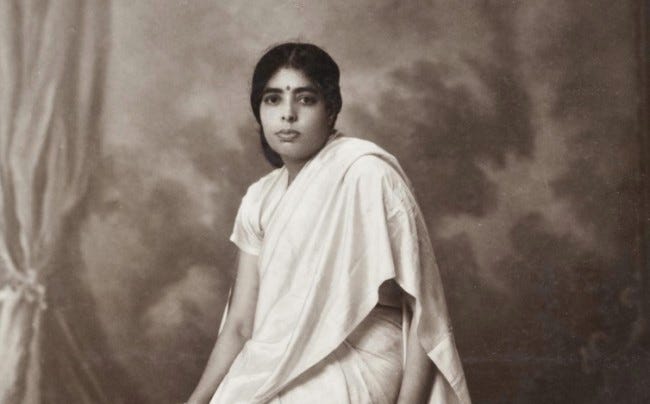
3. (Edavalath Kakkat) E. K. Janaki Ammal
(born November 04, 1897, Tellicherry, Madras Presidency, British India. — died February 07, 1984, Madras, Tamil Nadu.)
India’s first female botanist, Ammal developed several hybrid species still grown today. She also advocated for protecting the biodiversity of India.
Her most notable work involved studies on sugarcane and the eggplant (brinjal) but she also worked on the cytogenetics of a range of plants and co-authored the Chromosome Atlas of Cultivated Plants (1945) with C.D. Darlington.
Ammal obtained an honours degree in Botany from the Presidency College and in 1926, a M.Sc. degree from the University of Michigan. she went back to India for a few years and then returned to the U of Michigan as an Oriental Barbour Fellow, obtaining her Ph.D. in 1931.
In 1939 she travelled to Edinburgh to attend the International Congress of Genetics conference and was forced to remain due to World War II. For 6 years she stayed at the John Innes Centre as an assistant cytologist to C.D. Darlington where they published the atlas.
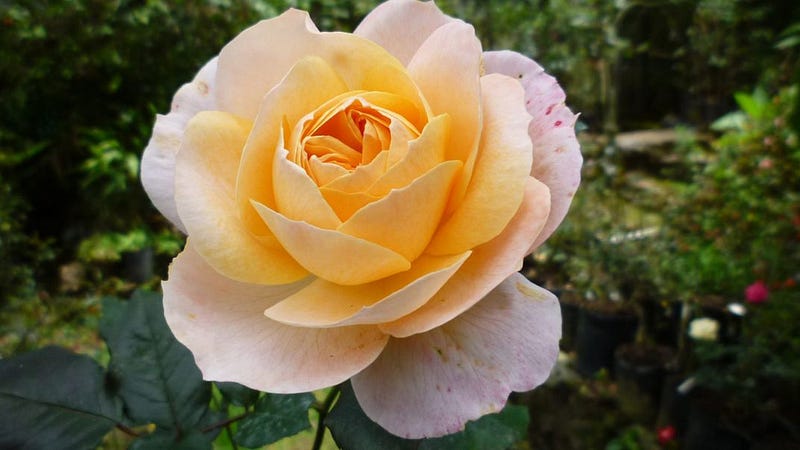
The Kerala-born Ammal was arguably the first woman to obtain a Ph.D. in botany in the U.S. (1931) and remains one of the few Asian women to be conferred a D.Sc. (honoris causa) by her alma mater, the University of Michigan. Her memory is preserved in the delicate white magnolias named after her, and a newly developed, yellow-petaled rose hybrid that now blooms in her name.
Ammal also pioneered both indigenous and gendered environmental approaches to land use. In 1955 she was the only woman to attend an international symposium entitled Man’s Role in Changing the Face of the Earth. The only woman scientist present, she spoke to a room full of mostly white Caucasian males about India’s subsistence economy, the significance of tribal cultures and their cultivation of native plants, and the importance of Indian matrilineal traditions that valued women as managers of property, including a family’s plants.
In her later years, she became a spokesperson for a conservation organization in India called Save Silent Valley, a campaign to stop a hydroelectric project that would flood the Silent Valley forests. She wrote to Darlington,
“I am about to start a daring feat. I have made up my mind to take a chromosome survey of the forest trees of the Silent Valley which is about to be made into a lake by letting in the waters of the river Kunthi.”
She was ultimately successful, the project was abandoned and on the 15th of November, 1984 the forest was granted National Park status. Unfortunately, she had already passed away 9 months earlier.
Remembering her aunt, Geeta Doctor wrote that Ammal never liked to talk about herself. Rather, Ammal believed that “My work is what will survive.”
She was awarded a Padma Shri by the Indian government in 1977.
Ammal’s work does not just survive, it thrives.
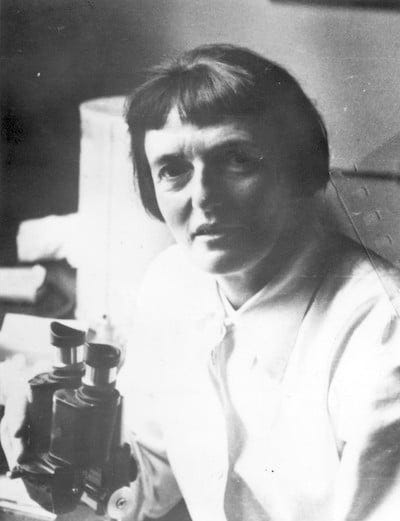
4. Charlotte Auerbach
(born May 14, 1899, Krefeld am Rhein, Ger. — died March 17, 1994, Edinburgh, Scot.)
In addition to being female, Auerbach (affectionately known to friends the world over as “Lotte”) was also Jewish. A double whammy! Under the Nazi regime of the 1930s, she suffered Anti-Semitism and was dismissed from her teaching post.
Auerbach left Germany in 1933, and having contacts in Britain, went to Edinburgh where she gained her Ph.D. at the Institute of Animal Genetics. She also obtained a DSc degree from Edinburgh University in 1947.
Her seminal genetic discovery actually came in 1941 when in collaboration with A. J. Clark and J. M. Robson, Auerbach discovered that she could use mustard gas to induce genetic mutations in Drosophila (fruit flies), a common organism used to study genetics. It was finally published in 1946 and 1947.
Interesting note:
Auerbach and her colleague's experiments on mustard gas during the war were carried out on the roof of the pharmacology building. The researchers all suffered burns on their hands. Current health and safety legislation would not have allowed these experiments without stringent controls!
As a result of her mustard gas studies, in 1948 Lotte was awarded the Keith Prize of the Royal Society of Edinburgh.
In addition to her scientific work, Lotte was an avid supporter of the Committee for Nuclear Disarmament, a fierce opponent of apartheid, and a confirmed liberal.
You can read a more detailed account of her early years and studies here.
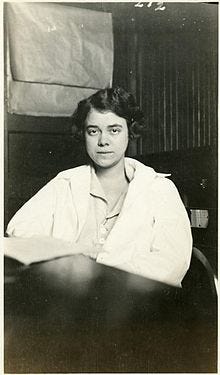
5. Helen Redfield
(born May 5, 1900, Archbold, Ohio. — died, 1988, Penn.)
Known for her work in Drosophila genetics and cancer research.
There is not a lot of information on the internet about Redfield so her section is brief.
Redfield was another very smart woman. While in college at Rice University, she discovered genetics through her Biology teachers, Herman Muller and Edgar Altenburg, two well-known geneticists of that time.
From Rice, she went to the University of California at Berkeley and in 1921, obtained her Ph.D. in zoology. She then joined the faculty at Stanford in 1925, eventually moving to Columbia University as a Research Fellow and working in Thomas Hunt Morgan’s famous “fly room”. Morgan’s fly room was a hotbed of Drosophila genetics.
In 1926, Redfield married another fly room geneticist, Jack Schultz, and had 2 children. She only worked sporadically after that.
In 1939 Redfield worked as a geneticist in the Kirchoff laboratory at the California Institute of Technology.
From 1951 until 1961 she served as a research associate at the Institute for Cancer Research.
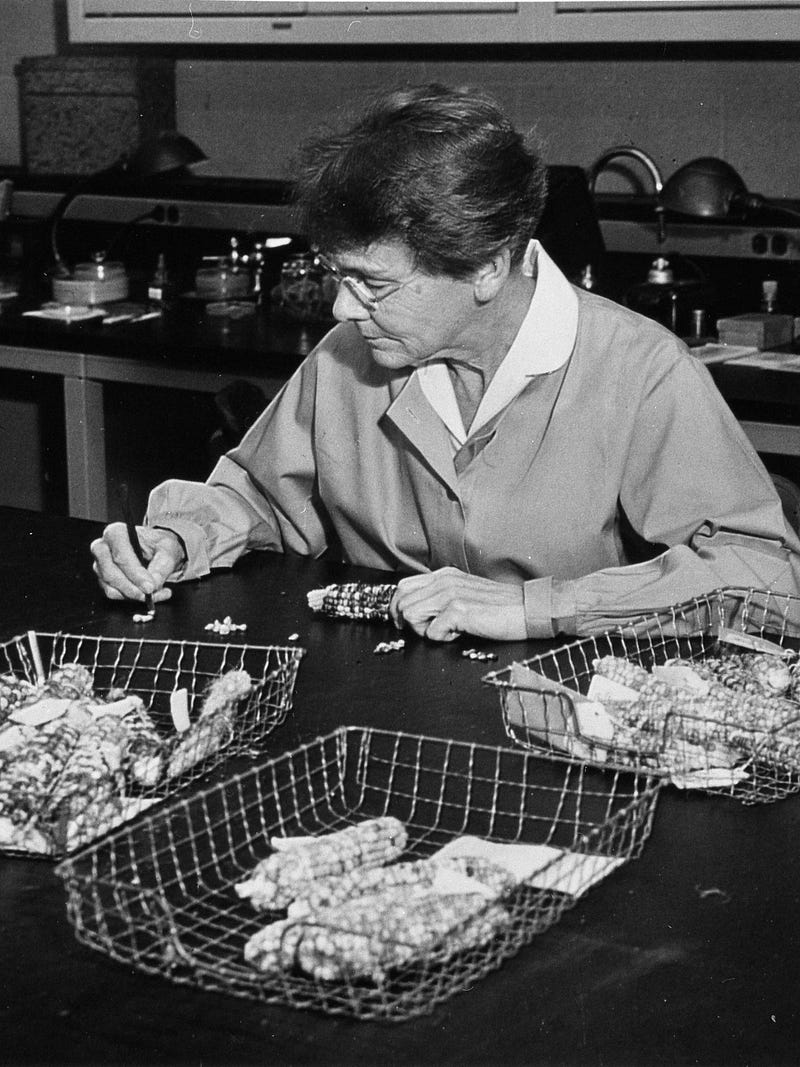
6. Barbara McClintock
(born June 16, 1902, Hartford, Conn. — died September 02, 1992, Cold Spring Harbor, NY.)
Born with the name Eleanor, she changed it to Barbara because she felt that her birth name was too feminine and delicate!
McClintock received all three degrees, B.S. (1923), M.S. and Ph.D. in botany (1927) from Cornell University in Ithaca, NY. In this time period, women were not allowed to major in the study genetics at Cornell. Nonetheless, she was a member of a small group that studied corn cytogenetics.
McClintock’s early work was nothing short of revolutionary. Between 1929 and 1935, she was responsible for ten out of seventeen advancements made by Cornell scientists in the field of maize cytogenetics.
The quote above taken from the article by David Hoang (2019), Carnegie Summer Intern
She did postdoctoral studies at a variety of institutions and in 1936 accepted a position at the University of Missouri. However, believing she would never be granted tenure she left and took a one-year position at the Carnegie Institution of Washington’s Department of Genetics at Cold Spring Harbor Laboratory on Long Island, New York.
The following year, she was hired on as full-time staff at the Carnegie Institution and remained there until she retired, 26 years later. She was invited to stay on at Cold Spring Harbor and remained there as a research scientist until her death.
She continued to study maize (corn) cytogenetics and did groundbreaking work, showing how traits were suppressed or expressed between generations and how genes on chromosomes moved during breeding, that went against the common wisdom of the time. As a result of skepticism about her work, she decided to not publish it in the standard academic journals. However, she did share it with a small group of loyal colleagues.
Throughout her career, McClintock was recognized as one of the most distinguished scientists of the 20th century. In 1944 she was the third woman ever elected to the National Academy of Sciences. She was also elected into the Genetics Society of America and in 1945 became its president.
She also travelled extensively in South America to study varieties of maize that grew there which culminated in her 1981 publication of The Chromosomal Constitution of Races of Maize.
Although she received many awards, in 1983, at the age of 81, McClintock received The Nobel Prize in Physiology or Medicine for her work on mobile or transposable elements (aka jumping genes, these are genes that don’t stay in one place on the chromosome but actually “jump around” to different places).
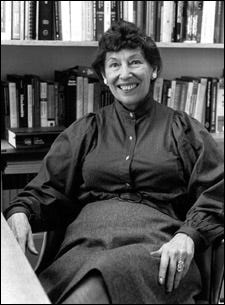
7. Ruth Sager
(born February 7, 1918, Chicago, Ill. — died March 29, 1997, Brookline, MA.)
At the age of 16, she entered the University of Chicago and became fascinated with Biology.
“Science is a way of life. I think it all comes from the inside. It really gets to the very core of your existence. It is much like being an artist or a dancer. It’s something that demands everything from you that you are capable of.”
She received a Masters in 1944 in Physiology from Rutgers researching the growth of tomato seedlings and in 1948, a Ph.D. in maize genetics from Columbia for work performed under Marcus Rhoades, and with Barbara McClintock.
Her World War II years were spent as a secretary and an apple farmer.
Sager’s groundbreaking discovery was based on her conviction that not all genes were limited to the nucleus, but some could also be found in other organelles inside the cell.
Her theory was that these non-chromosomal genes evolved before the nuclear genes and so might more closely resemble genes found in early forms of life. Using the alga Chlamydomonas reinhardtii as a model organism, she was able to demonstrate this and was the first person to publish an extensive genetic mapping of a cellular organelle.
Sager joined As a Research Associate in the Zoology department at Columbia University. In 1961, in collaboration with Francis J. Ryan, she published a textbook entitled “Cell Heredity”, considered by some to be the first molecular biology text.
She never received a faculty position at Columbia. Her ideas were not well accepted due to skepticism in the general scientific community. There are also allusions to her experiencing gender discrimination so she left Columbia in 1966 to take on the position of a full Biology professorship at Hunter College in New York City.
In 1944 Sagar married Seymour Melman and eventually divorced him; in 1974, she married Arthur Pardee and in 1975 became one of the first-ever full-time female professors at Harvard University.
In the 1970s, Sager began researching cancer genetics as the head of the Division of Cancer Genetics at Dana-Farber Cancer Institute. In 1972, she published her second book, “Cytoplasmic Genes and Organelles”.
Sager investigated how cancer cells grow, multiply, and reduce the ability of a cell to stably maintain its chromosome structures. She also theorized that a group of genes we now call tumour suppressor genes might be the secret weapon halting the growth of cancer. She identified over 100 potential tumour suppressor genes!
In 1977 she was elected to the National Academy of Sciences and the American Academy of Arts and Sciences in 1979. In 1988 Sagar was awarded the Gilbert Morgan Smith Medal from the National Academy of Sciences.
She was a leader in the field of recombinant DNA technology, gene splicing, and cell cloning at Harvard for 22 years. Among her outstanding contributions, she devised the first cell lines and culture medium capable of culturing and comparing normal and cancer cells.
Sager succumbed to bladder cancer in 1997.
You can read even more about Sager in her National Academy of Sciences Biography.
“the way to find out something really new is to question the basic tenet of existing theory.”
Ruth Sager
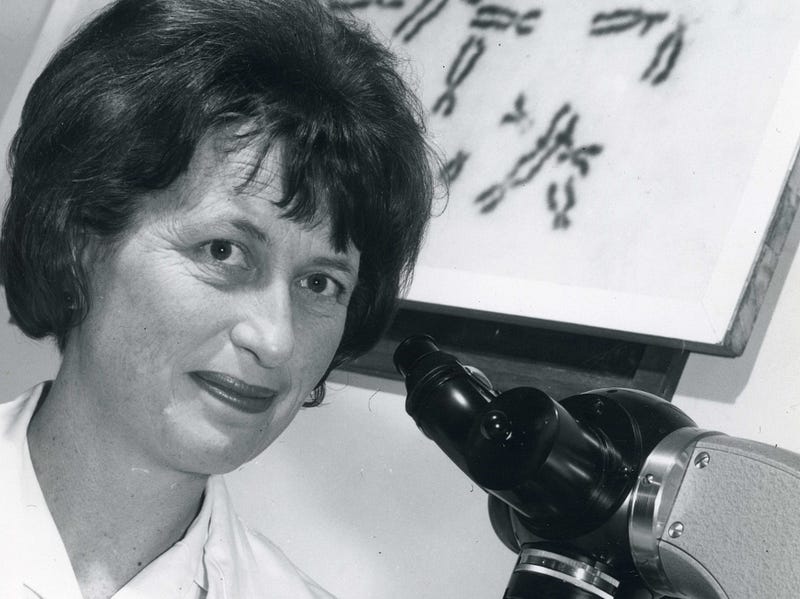
8. Sylvia Dorothy Lawler nee Corben
(born January 15, 1922, Bournemouth, Eng. — died January 17, 1996.)
Lawler worked in the overlapping fields of immunology and human genetics.
She was the only child of a furniture salesman and a schoolteacher. Eventually, she studied medicine at the University College London in 1939, distinguishing herself and graduating as the gold medalist of her year in 1945!
She married Lawrence John Lawler who was a captain in the Royal Electrical and Mechanical Engineers (REME). They had one son, Anthony John born in 1955. Her marriage to Lawler was dissolved in 1976, and on 28 January 1977, she married Kenneth Dawson Bagshawe.
In 1949 she was invited to join the world’s first department for the study of human genetics at Galton Laboratory at University College, London.
In 1960 Lawler was first appointed as a research scientist, later becoming the Institute of Cancer Research’s first female professor and one of the first women geneticists in the UK.
The work that she is best known for is her studies on bone marrow transplantation performed after a cancer patient has undergone high chemotherapy doses. This treatment often destroys the patient’s bone marrow.
The work she did with her team led to the first bone marrow transplant ever done in Europe.
She accomplished this by looking at a specific protein on the surface of white blood cells that could be analyzed to determine if the donors and recipients were a compatible match.
Lawler also helped to establish the first national fetal tissue bank in the UK, with support from the Medical Research Council.
In honour of the work she performed over the course of her life, The annual Sylvia Lawler prize was created by the Royal Society of Medicine and given to the best scientific and the best clinical papers. It is a highly competitive and esteemed award in the field of oncology.
In 1963, Lawler published a book entitled Human Blood Groups and Inheritance and went on to publish many more journal articles throughout her career.
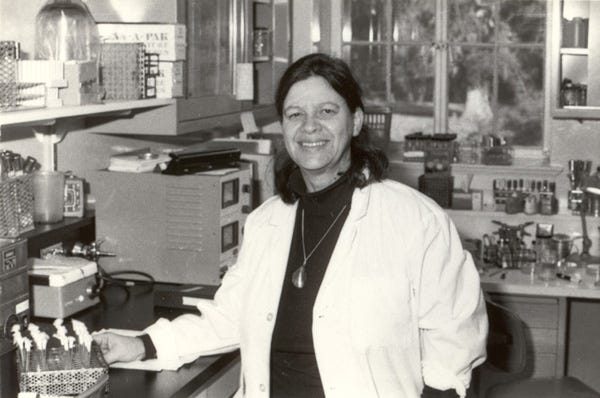
9. Esther Miriam Lederberg nee Zimmer
(born December 18, 1922, Bronx, NY. — died November 11, 2006, Stanford, CA.)
Lederberg was a microbiologist who pioneered studies into bacterial genetics.
Lederberg’s is best known for her discoveries of the lambda (λ) bacteriophage, replica plating, gene transfer by specialized transduction and the F-plasmid or bacterial fertility factor F. More about all these a bit later.
Lederberg was born into an Orthodox Jewish family. After graduating from high school, she was awarded a scholarship to study at Hunter College. She received a bachelor’s degree in genetics and graduated cum laude in 1942, at the age of 20. During her years at Hunter, she also worked as a researcher at the New York Botanical Garden studying a mould found on bread, Neurospora crassa.
In 1944 she won a fellowship to Stanford and obtained her M.Sc. in 1946. That same year, she married Joshua Lederberg, a professor at the University of Wisconsin. So she relocated to the U of Wisconsin and completed her doctoral studies in 1950 looking at genetic control of mutations in the gut bacteria, Escherichia coli.
It was at Wisconsin that Lederberg made the discoveries mentioned above. Let’s see why they are so important.
λ bacteriophage is a virus that infects the bacteria, E. coli., certain strains of which can make us very sick! You can actually see a picture of the phage in my article about viruses.
Lederberg discovered it in 1951 while doing her Ph.D. studies and published a detailed description in 1953. Unlike many other viruses, when a λ-phage virus infects the E. coli bacterial cell, it does not always replicate and destroy the cell. Depending on the conditions, the phage DNA which enters the cell may actually incorporate itself into the bacterial chromosome and be passed along to other bacterial cells when the original host cell divides.
This incorporation of viral DNA without host destruction is called lysogeny and the viral DNA is called a prophage. When the host cell is subjected to stress, the virus activates the genes it needs to replicate and destroy its host cell, spreading new viral particles to other cells to repeat the cycle.
That is how Lederberg discovered it. She subjected a strain of E. coli to radiation to mutate it and then mixed the mutated cells with other cells that had not been exposed. What she saw in a few days were areas on the culture dish where cells were being killed and contained high concentrations of the new virus which she determined was killing the bacterial cells.
Continuing to study λ-phage led to the discovery that when it reactivated itself and produced new particles, it often incorporated a small piece of the bacterial DNA from where it had inserted itself, and incorporated it into the new host when it became lysogenic. This was called specialized transduction.
Another extremely important technique she developed is called replica plating. Bacteria grow on culture dishes and form little raised colonies like those in the picture.
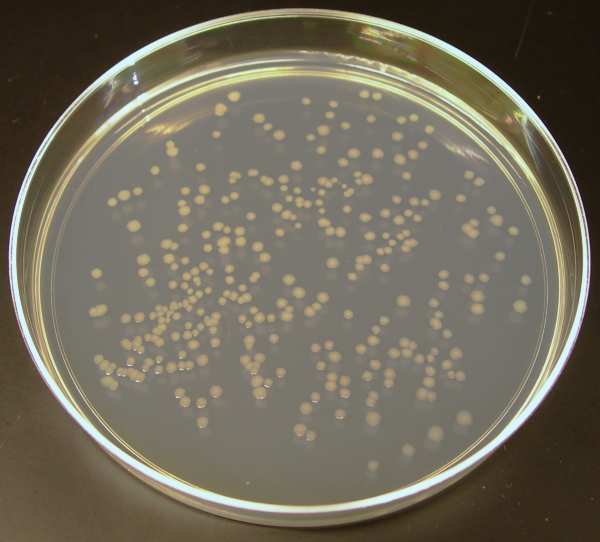
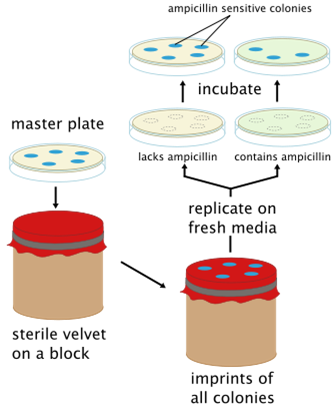
If you take a sterilized piece of velvet and lay it on top of the dish, cells from each of the colonies will be transferred to the velvet. If you then put the piece of velvet on top of new culture dishes (replicating) with different media that lacks or contains different substances, you can see if any of the original colonies were sensitive to the new conditions and you can go back to the original plate to pick out the colonies that failed to grow on the new plate because the original colony growth pattern was maintained. Imagine all the different things you could test! And it’s still widely used in research today.
Another big breakthrough was her discovery of the F-plasmid, which was required for bacterial fertility and recombination. Let’s avoid the technical description and just say that it was and still is critical for all future molecular genetic work in bacteria.
“Experimentally and methodologically she was a genius in the lab.” said Stanley Falkow
Lederberg “was cheery and had an excellent sense of humor, but I believe she would want to be remembered mostly as a scientist, which she was through and through until her very last days,” said Research Associate Jonathan Hardy, a friend of Lederberg’s.
The failure of the scientific community of her time makes Lederberg a classic example of The Matilda Effect. The term was coined by scientific historian Margaret Rossiter and is a nod to 19th-century suffragist Matilda J. Gage. As Rossiter puts it, she first described the bias that has led to female researchers being “ignored, denied credit or otherwise dropped from sight” throughout history.
For complete documentation of Lederberg’s life and achievements, you can peruse the Esther M. Zimmer Lederberg Memorial Website created and maintained by her second husband, Matthew Simon, whom she married in 1993.
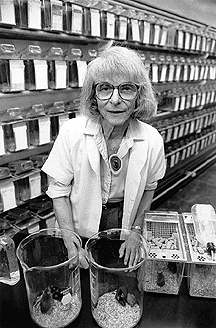
10. Liane “Lee” Russell nee Brauch
(born August 27, 1923, Vienna, Aus. — died July 20, 2019, Oak Ridge, Tenn.)
An American geneticist and conservationist.
Quick Stats:
- 1945 A.B. from Hunter College in New York.
- 1943–1947 Research Assistant at Jackson Memorial Laboratory
- 1947 Oak Ridge National Laboratory and became a Senior Corporate Fellow and Section Head
- 1949 Doctorate in Zoology from the University of Chicago in Illinois
- 1986 Elected to National Academy of Scientists
- 1993 Received the Enrico Fermi Award
Born into the Brauch Jewish family in Vienna, she and her family were forced to leave when her father secretly surrendered his business to the Nazis and like Charlotte Auerbach, the family fled to London. They subsequently relocated to the US in 1941.
As a research assistant at the Jackson Memorial Laboratory, she met zoologist and geneticist William L. Russell who mentored her and later became her husband and research partner. Unlike many women scientists today, in all her publications she used her married name.
It was at Jackson that Russell fell in love with research and used mice as a genetic model system. The Russells moved to Oak Ridge National Laboratory and began investigating the effects of radiation on mouse embryonic development. Her findings resulted in international medical guidelines that recommended against exposing a woman with an unsuspected pregnancy to potentially harmful X-rays.
It’s why today’s doctors ask younger women if they are pregnant before they recommend they get any X-ray screening or treatment. And if they don’t know one way or the other, they advise the “14-day rule” which recommends women only undergo radiological procedures — like X-rays — during the two weeks after the onset of their last menstrual cycle, when they are least likely to be pregnant.
Their laboratory at Oak Ridge became known as the “Mouse House” and housed over 200,000 mice for use in genetic experiments!
Russell produced many strains of mutated mice and used some of them to conclusively demonstrate that in mammals, the Y-chromosome determined the animal’s male gender. The publication of this work resulted in a flurry of work by other molecular geneticists to see if this was what also happened in humans. Of course, we now know that it is true but at the time, it was a groundbreaking discovery!
She published more than 150 papers. To browse a listing of some of her more important published articles, this is an excellent resource.
In 2013, the ORNL honoured Russell by creating the Liane B. Russell Distinguished Early Career Fellowship, a three-year program that seeks to foster long-term career opportunities at the lab — particularly for minority and female scientists.
“In my life, I was very fortunate in being given opportunities to pursue my own ideas in exciting research areas,” Russell once said. “But this is, sadly, not the case for many young women hoping for scientific careers and ending up in merely supporting roles, perhaps doing only routine jobs.”
Russell served as a scientific advisor for the U.S. delegation at the first Atoms for Peace Conference held in Geneva in 1955, and in 1973 was the first woman to receive the internationally awarded Roentgen Medal.
And there was so much more. I just didn’t want to overburden you with TMI!
If you’d like to hear her talk about one facet of her work, here’s a short video she recorded that was published in Knox News 2 days after her death.
And here’s a much longer one (over an hour)
Check out her Wikipedia page to learn about the awards she received for her conservation work and the areas she played a role in having protected.
Russell was a remarkable, intelligent, fascinating, active woman scientist. She died of pneumonia following chemotherapy treatment for lung cancer.
More people need to know about her and now you do!
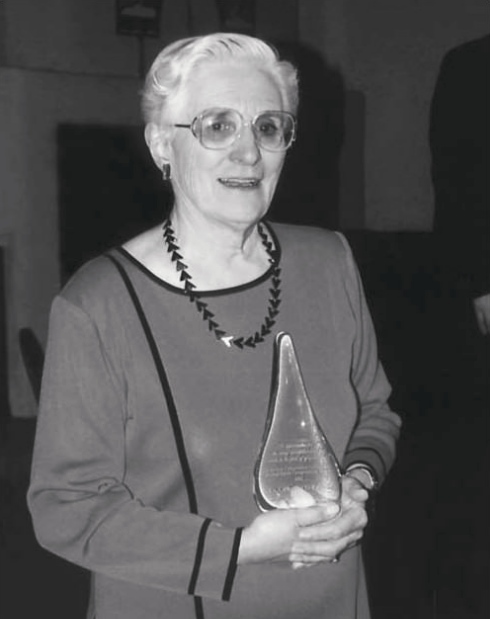
11. Catherine Gardella Palmer
(born April 28, 1924, New York City, NY. — died November 28, 2016, Dublin, OH.)
A medical cytogeneticist, Palmer was a key mentor in training many of the currently practicing clinical cytogeneticists in the US.
In 2002, She received the American Distinguished Cytogeneticist Award.
She received her B.A. from Hunter College in New York in 1947, an M.A. from Smith College in 1949, and her Ph.D. from Indiana University in 1953.
Palmer then joined the faculty of IU Medical School and taught medical genetics while doing Cancer Research and running the Cytogenetics Lab. In 1981 she became Assistant Dean of Graduate Studies (1981) until she retired in 1994.
She received a citation in the American Men and Women of Science and the IU Glenn Irwin Award for Excellence in Science.
And that’s all I could find out about Palmer’s professional life. Short but sweet and frankly, I think it’s more than enough!
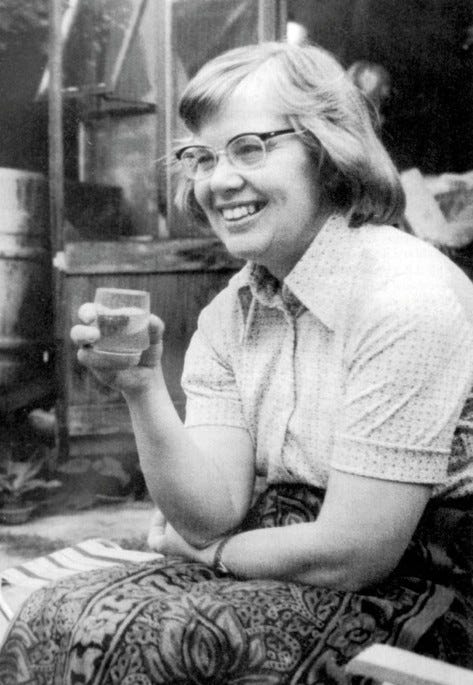
12. Mary Frances Lyon
(born May 15, 1925, Norwich, Eng. — died December 25, 2014.)
During the Second World War, she pursued university studies at Girton College, Cambridge at the University of Cambridge.
At this time, only 500 female students were allowed to study at the university, in contrast to more than 5,000 men.
And get this! Even though the women did the exact same work as the male students and took the same exams, they were not allowed to take part in the graduation ceremonies and received only “titular” degrees, rather than full Cambridge degrees that would make them members of the university like the men.
In July of 1998, this was rectified as Cambridge awarded full degrees and held a full graduation ceremony for more than 400 women who had been denied in the previous 50 years. Lyon is best known for her genetic work in mice on X-chromosome inactivation*, a phenomenon that is often called lyonization in her honour. Her seminal paper was published in the journal Nature in 1961 and was titled, “Gene Action in the X-chromosome of the Mouse (Mus musculus L.)”
* If you remember, in mammals sex is determined by whether they have 2 X-chromosomes (females) or an X- and a Y-chromosome (males). It turns out that in order to prevent all those duplicated genes in the females from having deleterious effects, during embryo formation one of their X-chromosomes, either the one contributed by the "father" or the "mother" and chosen at random, is inactivated by having various proteins deposited on it. All the subsequent cells in the female will then have this "inactivated" X-chromosome transmitted alongside the active one.In 1973 she was nominated for inclusion as a Fellow in the Royal Society. Here is a quote from her nomination:
Distinguished for many important contributions to mammalian genetics, notably on the mutagenic effects of irradiation as measured in mice, and on the building of the hypothesis that one of the two X chromosomes of the female is inactivated at an early stage of embryogenesis.
The hypothesis, which is now almost universally accepted as proved, offered a solution to the long standing problem of X-dosage compensation in the female mammal, has thrown much light on the nature of sex-chromosome aneuploidy, has influenced ideas on the origin of certain tumours and of chronic granulocytic leukaemia in man, and has provided food for thought about the fundamental mechanism of switching off genes.
Lyonisation, as others were quick to call the phenomenon, has perhaps opened more lines of enquiry and stimulated more work than any recent biological concept.
Sorry for all the jargon in the quote but it shows how well respected her work was!
For a personal biography, you can read this interview from 2010 in PLoS Genetics with Jane Gitshier.
And this 2011 article details not only her biography but goes into detail about her work and its importance and impact on future X-chromosome studies. To quote the author, Peter Harper,
“While many workers have contributed to our understanding of X-inactivation over the past 50 years, the original contributions of Mary Lyon herself remain the foundation on which all subsequent progress has been based.”
As you can see, there’s no shortage of praise for Mary Lyon’s work!
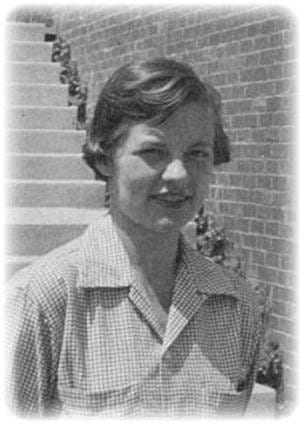
13. Martha Cowles Chase (aka Martha C. Epstein)
(born November 30, 1927, Cleveland Heights, Ohio — died August 08, 2003, Lorain, Ohio.)
She began her career at Cold Spring Harbor Laboratory in 1950 as a Research Assistant in Alfred Hershey’s laboratory.
In 1952 they published a paper that showed DNA, not proteins, was the biochemical material that transmitted genetic information. Their work became known as the Hershey-Chase experiment and was one of the findings that later helped inspire Watson and Crick to solve the 3-D helical structure of DNA.
Their most well-known experiment was performed using a simple kitchen variety Waring Blender and also became known as the Waring Blender experiment. For more explanatory details about the history, methods and context of their work see this paper.
In 1953 Chase moved to the Oak Ridge Laboratory and subsequently relocated to the University of Rochester. She then went to the University of Southern California to study and obtain her Ph.D. in 1964.
In 1969, Hershey was awarded the Nobel Prize for the discovery but Chase was not included.
In the later 1960s, she suffered some personal setbacks and left the field of science. In her later years, she suffered from a form of dementia that left her without any short-term memory and at the age of 75, died of pneumonia.
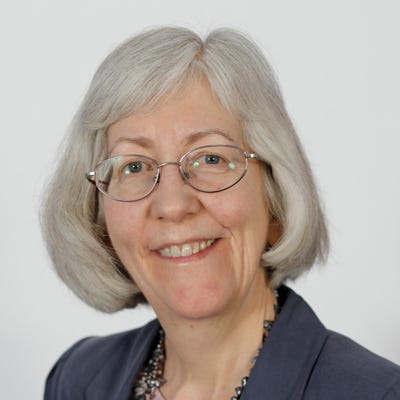
14. Dorothea “Dot” Bennett
(born December 27, 1929, Honolulu, Hawaii — died August 16, 1990, Houston, TX.)
Quick Stats:
- 1951 Bachelors from Barnard College, a private women’s liberal arts school.
- 1956 Doctorate from Columbia University in New York City
- 1956–1962 Dept of Zoology at Columbia University
- 1962–1976 Cornell University Medical College in Ithaca, NY
- 1976–1986 Sloan-Kettering Institute for Cancer Research in New York City
- 1981 Awarded an honorary doctorate from the Faculty of Medicine at Uppsala University in Sweden
- 1986 University of Texas in Austin as the Alfred W. Roark Centennial Professor and chair of the zoology department
In the early stages of her career at Columbia University, Bennett worked in the laboratory of the well-known geneticist, Leslie Clarence Dunn.
They investigated a group of mutants in mice that affected the tail and other axial skeletal structures. One of the genes they investigated, the T-t locus (a locus is a region on a chromosome where a gene or group of related genes is located), has a high mutation rate and produces many mutant genes. The different genes are called t-alleles (an allele is a single variation within a population of many different variations).
Bennett and Dunn’s laid the foundation for exploration of the T-t locus and many groups continue to investigate these areas.
Dunn passed away in 1974 and a biography about him published in 1978 quotes:
S. Gluecksom-Waelsch and D. Bennett are among the outstanding developmental geneticists now living who were Dunn’s students….
His faithful collaborator was, to the very end, his former student Dr. Dorothea Bennett, who simultaneously held a professorship at the Medical College of Cornell University
The research for which Bennett gained recognition was done at Cornell where she described mammalian sperm surface structures and investigated the genetics of early mammalian development.
Her profile on Research Gate lists 250 research items including one book, “The Colors of Mice: A Model Genetic Network” and 164 articles and 9 chapters. One chapter published in 1987 caught my eye and was entitled “The Cellular Basis of Carcinogenesis”.
No sloth, she!
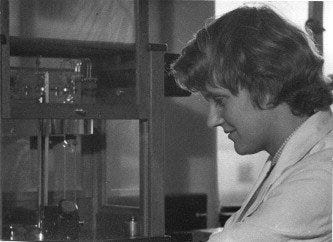
15. Ruth Fowler Edwards
(born December 14, 1930, Eng. — died October 03, 2013, Eng.)
Fowler’s mother died shortly after she was born and her father died when she was only 13, the youngest of 4 children.
Not letting these tragic events of her childhood stand in her way, she won a place to study genetics at the University of Edinburg in the early 1950s. It was here that she met Robert Edwards who, in 1954, became her husband. They were also lifelong research partners.
The name she used for scientific publication was Fowler, RE so although she was married, she retained her Fowler birth name for her scientific career.
The major breakthrough that Fowler and her husband Edwards are best known for is having female mice undergo superovulation* after treatment with hormones known as gonadotropins**.
*Superovulation is when more than one oocyte (egg) is induced in a female in one menstrual cycle. This differs from ovulation induction which aims to induce the release of one egg per cycle. It is done to increase the number of available oocytes without disrupting the physiological and endocrinological processes associated with oocyte maturation, ovulation, and fertilisation, as well as subsequent embryonic and fetal development.**Gonadotropins act on the gonads (testes and ovaries) to increase the production of sex hormones and stimulate production of either sperm or ova. Follicle stimulating hormone (FSH) and luteinizing hormones (LH) are the main gonadotropins.They published a series of 5 papers, one paper per year, between 1957 and 1961 detailing these studies. They showed that superovulation could be induced in adults, an event that had never been seen before their work and was thought at the time, not possible.
Fowler went on to produce many more papers continuing to look at human embryos and the genetics of their development.
Did I mention that Fowler and Edwards had 5 daughters? This means that on top of her successful scientific career, she also managed the commitments required of raising a family. To quote from one of her obituaries:
“what stayed with me, and always will, was her profound yet gently understated advice on how carefully to juggle the conflicting influences of a burgeoning career. It was, perhaps, the measure of Ruth’s enormous talents that she, who had lost her parents at such a young age, was to be able to master such encounters that life has to offer.” Simon Fishel
Fowler continued to do research and publish in the area of reproduction and endocrinology, her last paper appearing in 1989.
Successful scientist, wife and mother. Now that’s a real superwoman!
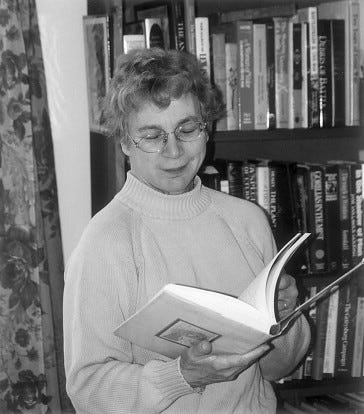
16. Dorothy Pamela Warburton nee DeMontmerency
(born January 12, 1936, Galt, ONT. — died April 26, 2016, Englewood, NJ.)
Warburton researched cytogenetic mechanisms and was a trailblazer for understanding the biological importance of aneuploidies (when a person has one or a few chromosomes above or below the normal chromosome number) and spontaneous abortion in human development, health, and disease.
Warburton was interested in biology and natural history right from the get-go! She would bring home dead animals she found, to dissect and she made frequent attempts to organize her friends into a ‘Nature Club’.
She graduated with honours in genetics from McGill University in 1957. Dorothy stayed at McGill and became a student in the laboratory of the well-known geneticist, Clarke Fraser, earning her Ph.D. entitled “Aetiological Factors in Spontaneous Abortions,” in 1961. In one of her speeches later in life, Dorothy said,
I was lucky enough to be one of Clarke’s first Ph.D. students to do a thesis in human genetics, an opportunity available almost nowhere else in North America at the time.
As Fraser’s student, Warburton was also at the forefront of a newly emerging area, genetic counseling. Again, in her own words,
We learned pretty much by doing, by making mistakes, and by listening to our patients. Clarke taught us by example. As we watched his gentle and compassionate approach, we learned never to make judgments about our patients’ abilities to comprehend their situation or about our ability to make decisions for them.
Her 1991 paper is still the gold standard for genetic counselling worldwide.
When her husband accepted a position at Barnard College in 1964, they and their three children moved to New York where she joined the College of Physicians and Surgeons of Columbia University as a research assistant in the Department of Obstetrics and Gynecology. Soon thereafter, their fourth child was born. Warburton remained there for the duration of her career and in 1988 she became a professor of Clinical Genetics and Development.
And what a career it was!
Warburton spent her life looking at human chromosomal abnormalities and as it turns out, the majority of these defects lead to spontaneous abortions.
She also studied the cytogenetics of great apes and performed genetic mapping of human chromosome 13 (we humans have 23 different, unique chromosomes) as part of the Human Genome Mapping Project. For a detailed description of her cytogenetic work and other aspects of her career, see the cytogeneticist award link below.
in 1969 until her passing, she was the Director of the Genetic Diagnostic Laboratory. The majority of her scientific publications are concerned with the genetics and epidemiology of fetal loss.
In 1991 she published the book, “Chromosome Anomalies and Prenatal Development: An Atlas” with two other collaborators.
Over the course of her career, Warburton received two of the most coveted awards in genetics, the American College of Medical Genetics’ Distinguished Cytogeneticist Award in 2014 and the William Allan Award, the top prize given by the American Society of Human Genetics. She was one of 5 women to ever be given that award!
Relocation from Canada to the US, balancing family life and a fully engaged research career that established cytogenetic techniques never before used and answered so many important questions, internationally distinguished awards, mentor to up and coming new scientists; she definitely falls into the category of Master Juggler IMHO!
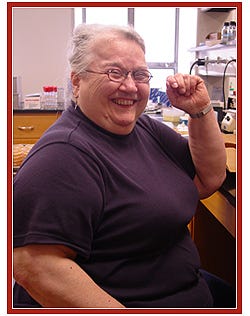
17. Elizabeth “Beth” Winifred Jones
(born March 08, 1939, Seattle, WA .— died June 11, 2008, Pittsburgh, PA.)
As a child raised in a small town in the Washington Cascades, Jones attended a 1-room schoolhouse.
Both her parents were avid naturalists, her mother seeking out plants and flowers and her father an avid bird watcher. Jones said her parents “provided a background of heightened awareness of things around me that fed my curiosity.”
There was no high school for her and her siblings to attend so the family relocated to a town with better schools. Jones graduated and was one of 5 in her class of 162 that went off to attend college.
While working as a dishwasher in Herschel Roman’s yeast genetics lab, the genetics “bug” bit her and she took every genetics course she could find at the U of Washington, graduating in 1960. Although she had majored in chemistry, one of her professors let her know that there was no room in chemistry for women at that time.
At that time, Jones didn’t even know there was such a thing as graduate school but Roman and his wife introduced her to it and the idea of continuing on to obtain a higher degree.
So she entered graduate school in the genetics Ph.D. program at U of Washington that had been established by Roman, who Jones credits with being the “most influential mentor in my life”. She obtained her doctorate in 1964 after studying and reporting on the “fine structure” of one of the genes called ADE, in the yeast, Saccharomyces cerevisiae.
From there, Jones relocated to the Massachusetts Institute of Technology to do postdoctoral work with Boris Magasanik.
“I hadn’t expected to go [to MIT]; opportunities for women at that level were less available because of the expectation that they would quit. I got the chance because Jon Gallant, a junior faculty member in genetics at the University of Washington, insisted, under interrogation by my postdoc mentor, that I would stick it out.”
MIT then asked her and newly appointed faculty member David Botstein, to redesign the aging and not very interesting lab course. The course they came up with was revolutionary. It was not formulaic because students were given a science research project for which the answers were unknown. The students designed, carried out, and analyzed their own projects.
In fact, the students from the first session of this new lab were able to publish their discoveries, although the publication, The Journal of Bacteriology, refused to grant them authorship. With much pressure and cajoling, Jones and Botstein got all 24 names included in a footnote at the bottom of the first page!
Jones then moved to Case Western Reserve University in 1969 but it was not a “good fit” so in 1974, she became the first female faculty member of the Department of Biology at Carnegie Mellon University. She fell in love with CMU and never left!
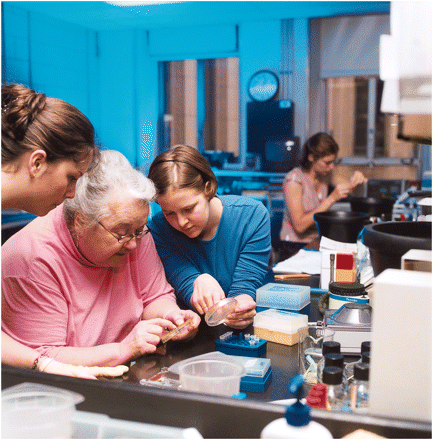
Jones established several programs that are still in use at CMU but where she really excelled was in her mentoring over the years of more than 130 undergraduate students that did research in her lab.
“As one of the first Howard Hughes Medical Institute Professors, she was awarded over $9 million to apply research-grade thinking to teaching and to create novel educational programs.”
Her own work looked at a few of the subcellular organelles in yeast and she was one of the first scientists to use genetics to answer questions in the field of Cell Biology.
Writing was another one of her passions and her publications are numerous, including co-authorship with geneticist Dan Hartl of two textbooks still used today, Genetics: Analysis of Genes and Genomes, and Essential Genetics: A Genomic Perspective and a host of other books.
Jones won many awards, chaired her department at CMU, and was the Editor-in-Chief of the journal Genetics for 12 years until her death.
The Elizabeth W. Jones Award for Excellence in Education was created posthumously in honour of her receipt of the first Genetics Society of America Excellence in Education Award in 2007. It is given to individuals or groups who have had a significant, sustained impact on genetics education at any level, from K-12 through graduate school and beyond.
I could go on and on about her but I think you get the picture, she was extraordinary.
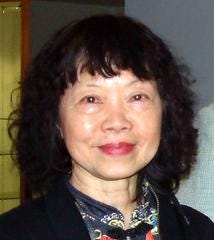
18. Mae-Wan Ho*
(born November 12, 1941, Hartford, Conn. — died March 24, 2016, Cold Spring Harbor, NY.)
*Chinese: 何梅灣; pinyin: Hé Méiwān
I had to ponder whether or not to tell you about this woman scientist. She is a bit heretical and proposed genetic viewpoints that are shall we say, a bit “out there”. But she was very well known and even if you don’t like what she had to say, I decided that you do need to know about her.
Here’s a quick bio from this article.
Ho received a Ph.D. in Biochemistry in 1967 from Hong Kong University, was a Postdoctoral Fellow in Biochemical Genetics, University of California, San Diego, from 1968 to 1972, Senior Research Fellow in Queen Elizabeth College, Lecturer in Genetics (from 1976) and Reader in Biology (from 1985) in The Open University, and since retiring in June 2000 Visiting Professor of Biophysics in Catania University, Sicily.
“Life is achingly beautiful and creative once you free yourself from the mind-numbing shackles of neo-Darwinian dogma.”
And therein lies her biggest problem; the rejection of Darwinian evolution and natural selection as its driving force. I leave you to your own judgement on her views about that.
Just remember that some of the most famous scientists whose views we accept today as common knowledge were often dismissed or even ridiculed by the scientists of their day.
Mae-Wan is best known for pioneering work on the physics of organisms and sustainable systems, for which she has been awarded the 2014 Prigogine Medal. She has published a dozen books, more than 170 scientific papers, and over 700 popular articles across all disciplines, and was also an artist and occasional poet.
Books she has written include The Rainbow and the Worm: The Physics of Organisms (3rd ed, 2008); Genetic Engineering: Dream or Nightmare? (reprint with an extended introduction, 2007); Food Futures Now (2008); and Green Energies, 100% Renewables by 2050 (2009).
Here Ho talks about her “Rainbow and the Worm” book in this short video:
One thing for sure. It doesn’t matter whether you agree with what she had to say. What IS obvious is that Ho was a highly intelligent, influential scientist.
Only time will tell us if what she proposed was correct.
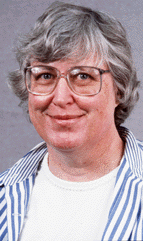
19. Ann T. Bowling nee Trommershausen
(born June 01, 1943, Portland, OR. — died December 08, 2000, Davis, CA.)
Bowling was one of the world’s leading molecular and cytogeneticists. She studied veterinary genetics and concentrated her efforts on horses.
Although born in Portland, Oregon, her family moved to Boulder, Colorado where she graduated from high school as the class Valedictorian.
She graduated Magna cum laude from Carleton College and in 1969 earned her Ph.D. from the University of California at Davis, studying plant genetics. Her first academic position was at Occidental College in 1968 and then in 1973 she was hired as a professor at UC Davis where she remained until her death in 2000.
At UC Davis Bowling was an adjunct professor and executive associate director of the Veterinary Genetics Laboratory (VGL).
Her initial interests were to determine horse parentage initially by looking at their blood type (the 1980s) and then as it became readily available, moved to use DNA testing (the 1990s).
It was Bowling who pioneered the use of DNA to determine the parentage of a horse and it was eventually extended to the camel family and eight other kinds of mammals.
She married Michael Bowling in 1981, who was also a “horse” geneticist. He wrote a number of articles on Arabian horse genetics for general-interest publications and the pair collaborated on a study of mitochondrial DNA in Arabian bloodlines.
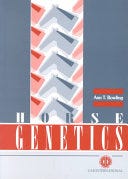
In 1996, Bowling published, Horse Genetics, which provides an overview of genetic principles using horses as the primary examples. In 2000 she co-edited another book, The Genetics of the Horse, with Anatoly Ruvinsky.
She was also one of the leaders in the horse genome mapping project, started in the 1990s and completed when the full map was released in 2009. She was instrumental in mapping and naming the horse chromosomes among other accomplishments.
One of the more unusual genetic investigations she was involved in was a 1996 investigation by Scotland Yard, which sought help from the lab to identify the source of a blood sample associated with a murder. It turned out to have canine DNA which led them to the owner of the dog and helped to identify the perpetrator and solve the case.
As a result, Bowling and the VGL expanded its scope to include forensic DNA identification of animals at crime scenes or those being subject to animal crimes such as theft or abuse.
In honour of her achievements, UC Davis created a memorial fellowship,
Ann T. Bowling Fellowship in Veterinary Genetics at UC DavisThis fellowship, established in her memory, supports full-time graduate students in UC Davis Ph.D. programs whose research is directed at identifying, understanding, and mitigating the genetic/genomic basis of heritable disorders afflicting veterinary species. Fellows perform an internship at the Veterinary Genetics Laboratory as part of their training.It is a one year fellowship and provides $28,000 to the student.Bowling authored 93 peer-reviewed publications.
“Her passion is what made her so special. “
Jim Murray
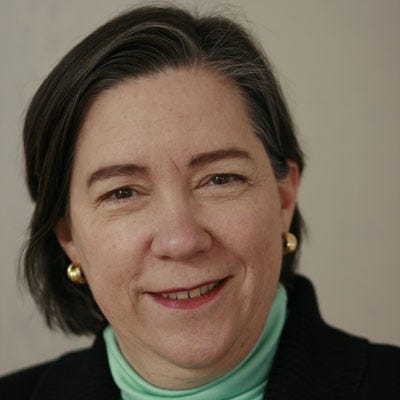
20. Susan Lee Lindquist nee McKenzie
(born June 05, 1949, Chicago, IL. — died October 27, 2016, Boston, MA.)
Lindquist used the common budding yeast as a model organism for studying human disease, evolution, and biomaterials.
She is best known for work with unusual proteins that are able to assume unusual shapes that can change how inheritance takes place. She was among the first to discover that in yeast inherited traits can be passed to offspring via these proteins known as prions. And they do that without effecting any changes to the yeast’s DNA or RNA, where alterations that affect heredity usually take place.
Using molecular genetic techniques, she was able to get yeast cells to make prions and use them to show how they caused those heritable changes to occur and be passed on to subsequent generations.
Lindquist received her bachelor’s degree from the University of Illinois in Chicago in 1971. She then went on to Harvard where she obtained her Ph.D. in 1976. Her thesis was entitled, “Protein and RNA synthesis induced by heat treatment in Drosophila melanogaster tissue culture cells”.
Following her postdoctoral studies, she was hired by the University of Chicago as a faculty member in the Biology Department in 1978 and founded the Department of Molecular Genetics and Cell Biology in 1980. In 1988 she became a full professor and the Albert D. Lasker Professor of Medical Sciences in 1999. She was also a Howard Hughes Medical Institute Investigator. In 2001, she moved her laboratory to the Whitehead Institute for Biomedical Research, where she served as director from 2001 to 2004 and as a professor at the Massachusetts Institute of Technology.
When Lindquist was starting her career, being a woman scientist was fraught with obstacles. For instance, she had to write a major grant application while in her third trimester of pregnancy and the women’s room was two floors away from her office. As there was no elevator, that meant countless trips up and down the stairs with the trips becoming increasingly difficult as her time neared.
One of her more famous discoveries was how a protein called Heat-shock protein 90 or Hsp90 enabled mutant proteins that normally wouldn’t be able to maintain their shape and that caused them to be unstable, acquire a stable, functional state. Then these proteins could actually act in beneficial ways to produce new traits whereby populations of cells could now survive and adapt to new environments.
Although her data clearly showed this to be true, there was a strong backlash from scientists in the field of evolutionary biology! How could proteins have any heritable effects on traits?! So she showed that Hsp90 proteins performed this role in fruit flies (Drosophila), plants, yeast, and even cavefish, thus eliminating all doubt and controversy. She also linked Hsp90 to the emergence of drug resistance in fungal pathogens as well as to cancer in humans, thereby making it a therapeutic target for cancer treatment.
This was the work that ultimately led her into the rich world of prion biology where her laboratory pioneered techniques and provided genetic and biochemical evidence to show a specific prion, [PSI+], is a protein-based element of inheritance in which a simple stable change in its conformation can affect readily observable traits over many generations.
David C. Page, director of Whitehead Institute and a professor of biology at MIT said of her “She believed that if we were not reaching for things beyond our grasp, we were not doing our job as researchers; if we were not constantly striving for that which we could only imagine, we were not fulfilling our obligations to society as scientists.”
Lindquist was also a strong mentor and supporter of women scientists. Vivien Siegel in her obituary to Lindquist says,
“the focus has to be on Susan as an exemplary mentor, as a fierce advocate for science and for women in science.”
Lindquist was awarded the National Medal of Science by President Obama in 2010.
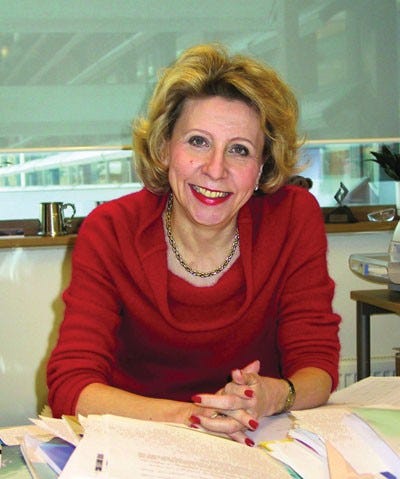
21. Leena Peltonen-Palotie
(born June 16, 1952, Helsinki, Finland. — died March 11, 2010, Helsinki, Finland.)
In her time she was considered one of the world’s leading molecular geneticists and helped to identify two dozen genes and their mechanisms responsible for diseases inherited in her home country of Finland.
Unlike many of the geneticists above, Peltonen-Palotie did not hide away in some back laboratory but was in fact somewhat of a media star! So you may have heard of her.
In 2004 a television program placed her among the 100 greatest Finns of all time! One of her skills was her ability to explain to the general public the importance of the work she did.
Peltonen-Palotie’s career took her back and forth between the United States and Finland.
In 1971 graduated from the University of Oulu, Finland. In 1976 she received her medical degree and completed her Ph.D. in 1978. Shortly thereafter, she relocated to Rutgers University in New Jersey to do postdoctoral studies. In 1991 she returned to Helsinki to work at the National Public Health Institute of Finland (now called The Finnish Institute for Health and Welfare) from 1987–1998.
In 1998 Peltonen returned to the United States to establish a major genetics research centre at the University of California at Los Angeles. She stayed there for 4 years before returning to the National Public Health Institute in 2002.
In Finland, she perceived a unique opportunity. It was populated over 2000 years ago at “the edge of the inhabitable world” as she said, by small settler groups with a limited number of mutations. The Finnish Disease Heritage is a group that comprises about 40 rare recessive diseases that are more prevalent in Finland than anywhere else in the world.
During the first half of her career, she focused her efforts on looking at the genes and how they were responsible for these diseases.
In the later years of her career, she expanded her efforts globally as visiting professor at The Broad Institute, Head of Human Genetics at the Wellcome Trust Sanger Institute in Cambridge, Chairman of the European Medical Research Council, President of the Human Genome Organization, on the Board of Directors of the American Society of Human Genetics, President of the European Society of Human Genetics, and a member of the Scientific Board of European Research Council.
Peltonen was appointed Finnish Academy professor in 2003. Her work helped to transform Finland into one of the most advanced places in the world for human medical genetics.
From an article by Cornelia van Duijn:
“One of the keys to her success was her ability to bridge the fields of genetics and epidemiology. The combination of the robustness of genetic research with the power and expertise of large scale epidemiological research yielded a powerhouse for gene discovery as well as translational studies into clinical practice and public health.”
What may be her crowning achievement was when in October 2009, the Finnish President, Tarja Halonen, bestowed on her the title Academician of Science, a title rarely given to someone that young.
As Samuli Ripatti, from the Institute for Molecular Medicine Finland, who worked with her in recent years, said:
“One of Leena’s specialities was her ability to listen carefully, think fast, and make you want to go out and make a difference. Aim for the best. And she was able to make it always sound both simple and the only natural way of working”.
She published over 500 articles and mentored over 70 Ph.D. students!
Unfortunately, she died after fighting bone cancer for 2 years, on March 11, 2010, aged 57 years.
Much too soon for such a talented and passionate investigator.
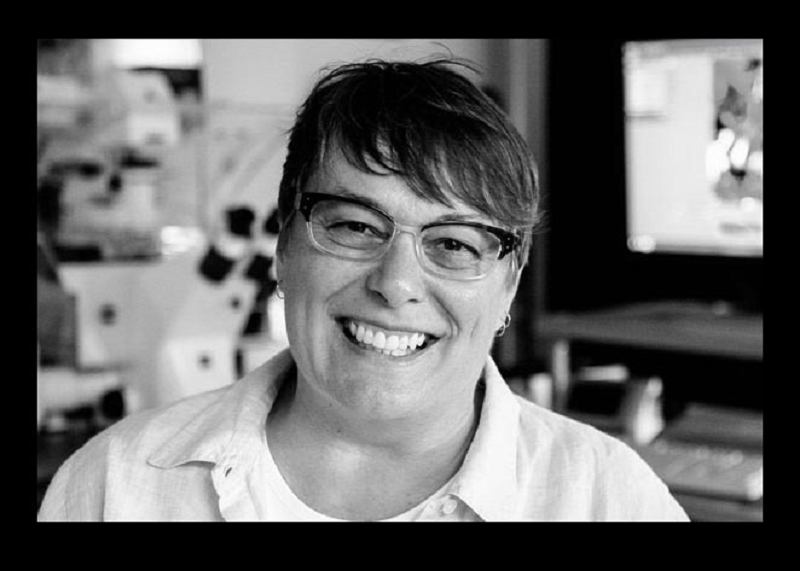
22. Ruth Deborah Gates
(born March 28, 1962, Akrotiri, Cyprus. — died October 25, 2018, Kailua, Hawai’i.)
Half the world’s coral reefs have died off and disappeared in the past few decades. Gates, one of the world’s leading coral reef scientists, led research efforts to use genetics to try to breed hardier varieties that could survive in today’s hostile ocean environments.
“I have the utmost respect for corals because I think they have got us all fooled. Simplicity on the outside does not mean simplicity on the inside.”
She completed her Ph.D. at Newcastle University in 1989 and in postdoctoral studies in Jamaica she first saw the bleaching that happens to corals when they are exposed to higher temperatures.
From Jamaica, Gates relocated to the University of California at Los Angeles in 1990 as a postdoctoral researcher where she struggled through 4 different positions for 13 years. However, it was there that she honed her research skills in molecular genetics, evolutionary biology and cell biology, skills that she would eventually use for her coral studies.
In 2003 Gates moved to the Hawai’i Institute of Marine Biology on Coconut Island in Kaneohe Bay where she established the Gates Coral Lab. Continuing on after her death, the team works in collaboration with the Australian Institute of Marine Science on the Coral Assisted Evolution Project, which attempts to “stabilize and restore coral reefs” in the face of climate change. In 2015 she became the first woman to be elected president of the International Society for Reef Studies.
To hear Gates talk about her work you can listen to two short videos on this site or view the documentary she helped produce for Netflix, Chasing Coral.
Another really interesting, interactive documentary, Lost Cities, is narrated by Ruth Gates and was produced with a group of collaborators before she passed away. It’s magical. Watch it!
“Ruth was so passionate about corals that she wanted the rest of the world to experience how magnificent they are, and that is exactly what Lost Cities offers.”
This year, a new funding opportunity was created by the National Oceanic and Atmospheric Administration. It is called the Ruth Gates Coral Restoration Innovation Grants competition. $500,000 is available for Coral Restoration Projects in Honor of Dr. Ruth Gates. Hey, that’s no small potatoes!
Gates is survived by her wife, Robin Burton-Gates.
And that’s all folks.
As it was, I could easily have written full-length articles on many of these women but in the spirit of brevity and sticking to an overview, I thought it was more important to introduce you to them so you can see the tip of the iceberg.
Of course, there are many outstanding women geneticists who are still alive and doing cutting-edge research but it would require a whole book to cover those shining lights.
So here’s my advice to all modern women scientists and soon-to-be-scientists:
Don’t let past prejudice, bias and stigma get in the way of doing what you feel passionate about doing just because women in the past didn’t get proper credit for their accomplishments!
Go for it!
Until next time, happy exploring!
Rich
Hey! If you enjoyed this article subscribe to my newsletter and get a free ebook.
Resources for this article:
- Nettie Stevens, American biologist and geneticist.
- Edith Rebecca Saunders from the Encylopedia Brittanica.
- E.K. Janaki Ammal from this article and Wikipedia.
- Charlotte Auerbach from the Encylopedia of Jewish Women.
- Helen Redfield from this blog article and Wikipedia.
- Barbara McClintock from the U.S. National Library of Medicine Profiles in Science.
- Ruth Sager from The Jewish Women’s Archive and Wikipedia.
- Sylvia Lawler from the Institute of Cancer Research and Wikipedia.
- Ester Miriam Lederberg from this article, this one and Wikipedia.
- Liane Brauch Russell from this article and Wikipedia.
- Catherine Gardella Palmer from this article.
- Mary Frances Lyon from this Nature article and Wikipedia.
- Martha Cowles Chase from this New York Times article, and Wikipedia.
- Dorothea Bennett from Wikipedia and sources linked in her section.
- Ruth Fowler Edwards from here, here and Wikipedia.
- Dorothy Warburton from this article, this one, this award and Wikipedia.
- Elizabeth Winifred Jones from this article and Wikipedia.
- Mae-Wan Ho from this article and Wikipedia.
- Ann T. Bowling from Wikipedia.
- Susan Lee Lindquist from this article, this article and Wikipedia.
- Leena Peltonen-Palotie from this article, this one and Wikipedia.
- Ruth Page from this article, this one, this one and Wikipedia.


