Why Can the Front End Make or Break a Digital Bank?
Invest in the Interface: Why Prioritizing Front-End Design Boosts Your Digital Bank’s Success; #6 in the Digital Banking and Fintech series
Table of contents:
· The Definition of Front-end · Why does the front-end have the power to make or break a digital bank? · What are the Role and Skills of a Mobile Application Front-End Developer? · What exactly do software engineers do while building front-ends? · Conclusion · Resources
The Definition of Front-end
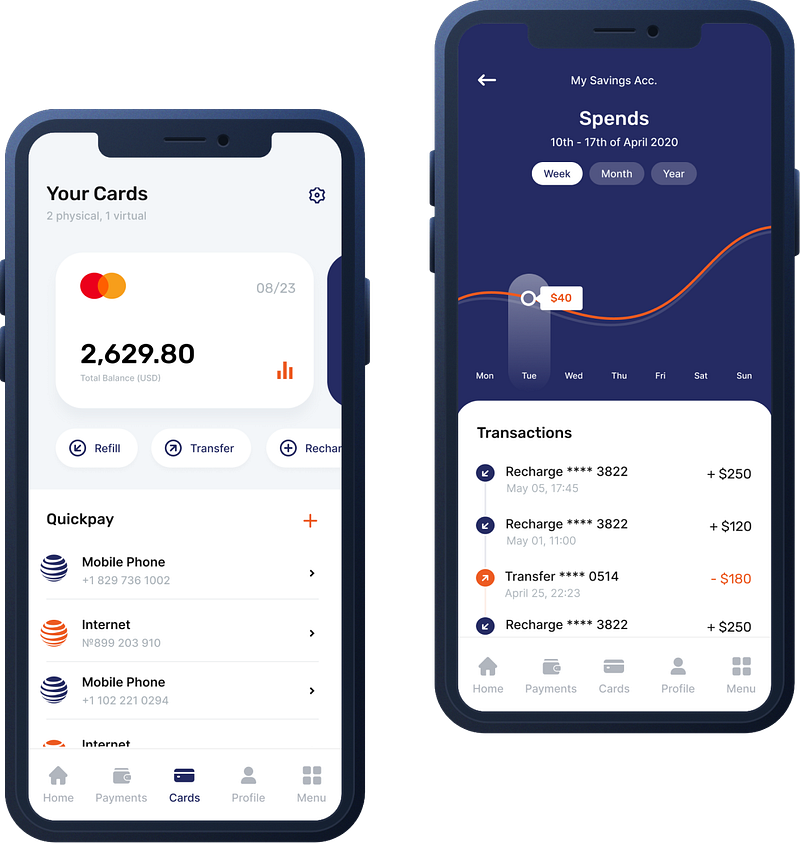
We frequently employ them. You’re reading this blog’s front ends right now. They are required for a successful digital banking experience. In a nutshell, they provide a method for a client to have access to the variety of products and services available through digital banking through a well-designed, user-friendly interface or UI.
Why does the front-end have the power to make or break a digital bank?
Customers will not use your product if you do not create something they appreciate. As a result, having a bad front end will not help you. That is not to argue that the rest of a digital banking architecture, known as the stack, is unimportant. For example, do you need things like responsiveness and speed? You don’t want clients waiting for 15 minutes for a payment to process, but they become unavoidable if your front end, particularly your UI, and user interface, is poorly designed and developed.
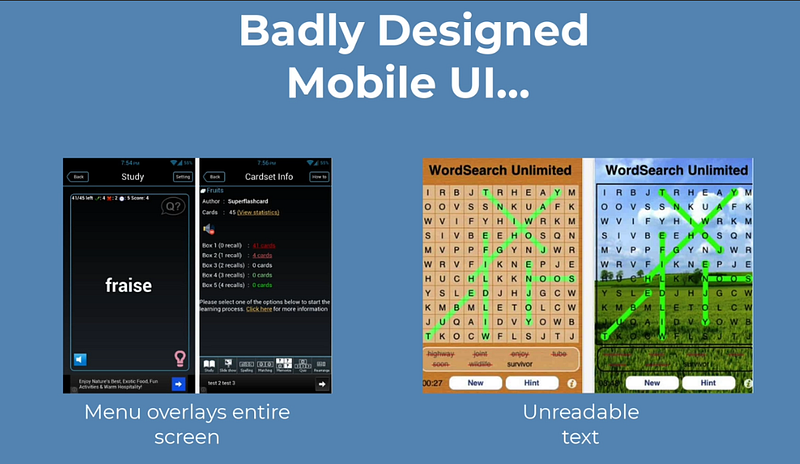
The front-end development of digital banking consumes a significant amount of time. This is not to say that other portions of the stack should be ignored, but getting the front end right is at the top of the list of things to do in digital banking.
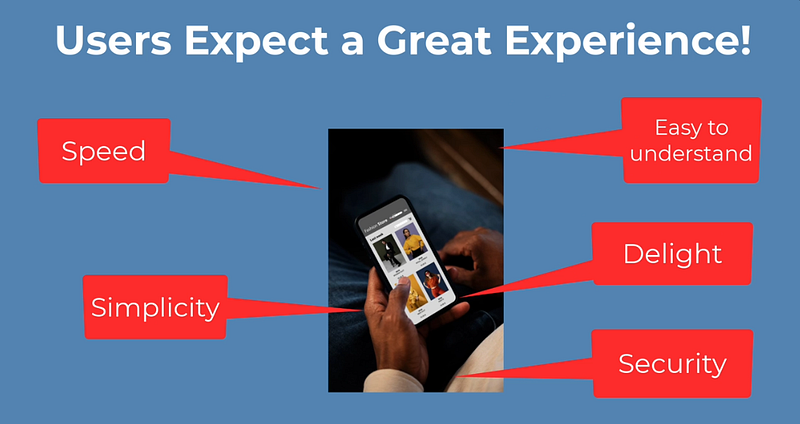
Users have high expectations for their digital experiences. They want an experience that is basic, easy to understand, yet smart, responsive, and surprising.
As I’ve experienced many times during my digital banking development career when it comes to designing mobile banking apps, we only have one chance to impress people, and that’s when the app is released. Everything that follows should emphasise why the user or client chose to sign up for our app in the first place.
So let’s clarify what we mean by “front ends”:
“Simply put: “the front end of a mobile app is what the user experiences.”
I’m going to apply this to mobile banking apps because mobile-first is the focus for many banks across the world, but it can also be applied to other channels we’ll look at in this article, such as the web. You may be familiar with the term UX, which stands for user experience. The front end, particularly the presentation layer, is what the user sees.
A mobile front end represents the program’s visual and interactive user experience. It usually resides on the device or has an icon on the home screen or in the app library. The app can be obtained from the platform app store. Progressive web applications, or PWAs, can be sideloaded directly onto the device or accessed through the device’s browser.
What are the Role and Skills of a Mobile Application Front-End Developer?
Front-end developers focus on display, business, and data layer software. The back end — what happens behind the scenes — is less important to them and will be taken care of by back-end developers. To ensure seamless back-end-frontend interaction, back-end and front-end engineers will work together.
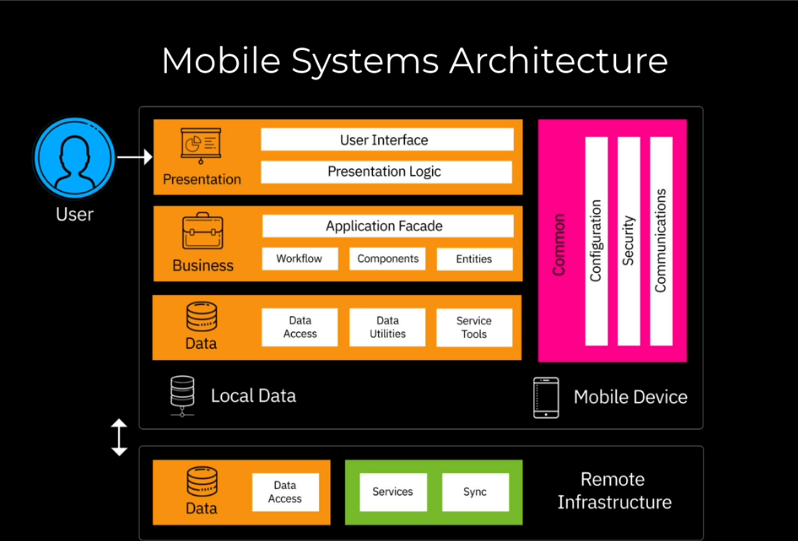
A software engineer who calls themselves a mobile application programmer is actually a front-end engineer who knows the programming languages and technologies needed to build the application’s front-end.
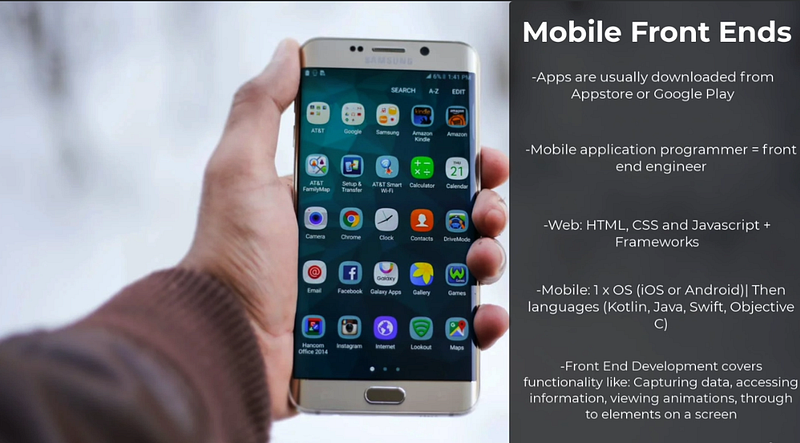
Depending on the app’s development team size, numerous people may design and develop the front-end mobile app. The team could consist of just one software engineer who could build the app, giving them full-stack experience and back-end development.
Regarding front-end developer talents, you can have tens, hundreds, or thousands of front-end developers with technical and product capabilities. They’ll differ.
For example, if you work in web development, you should be familiar with HTML, CSS, and JavaScript, as well as solid abilities and frameworks. For mobile, you often concentrate on one operating system, such as Android, and learn Kotlin and Java to create Android apps. The same is true for iOS.
Front-end development prioritises user programming. Data entry, retrieval, animation viewing and interaction, buttons, navigation, bars, and lists are all app activities.
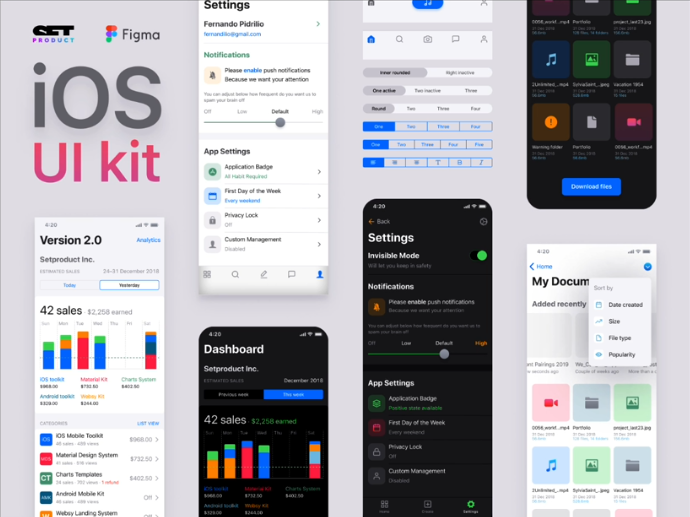
The user experience is front-end-focused. Software engineers and UX designers often work together to perfect the front end. In other words, software engineers will try to satisfy the UX designer and product leader. This includes the images we want to see, such as colour palettes and styling.
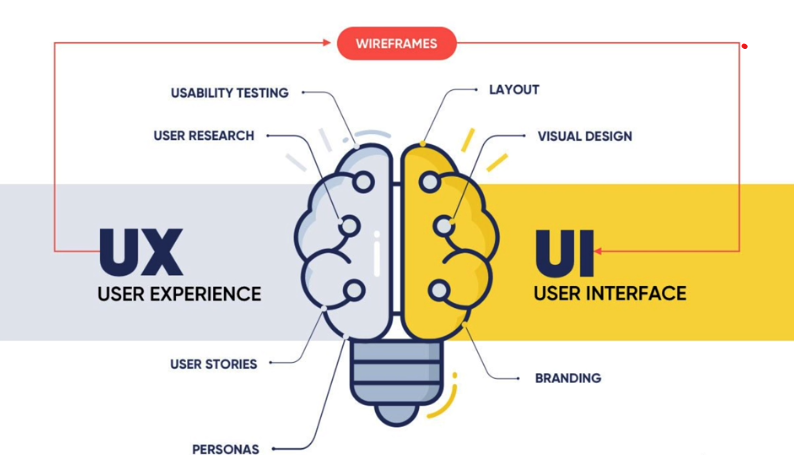
As an example, the typography might be carried through to elements such as boxes and navigation. Of course, branding and even tone of voice about front-end content are essential.
What exactly do software engineers do while building front-ends?
1. They work daily with the development or delivery team to write requirements and plan and evaluate UI and UX designs. Together with a UX designer, they create app UI and UX.
2. Software engineers create structural scaffolding with front-end frameworks in addition to app UX. This establishes the skeleton of an app’s UX and UI and makes it easier to develop and scale out new features.
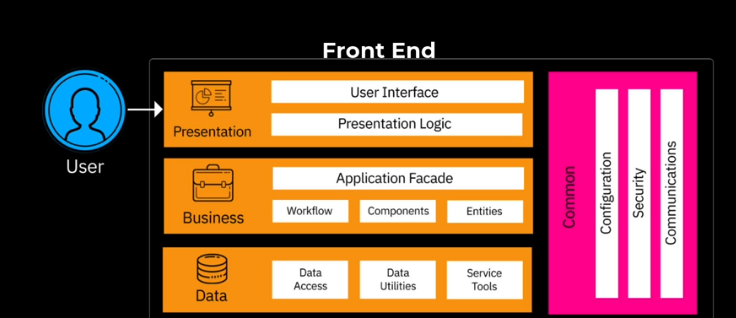
3. They build and deploy reusable code and leverage frameworks and front-end libraries. This is across the presentation layer and into the business layer, right through to the data and common layers.
4. Software engineers work continually with their product leader to improve mobile apps so that they are responsive, scalable and easy to use.
5. They fix production bugs and tech debt to maintain the stack healthy and running properly.
6. They work with back-end engineers to understand APIs and how they use these APIs to offer functionality on the front end as part of the full-stack ecosystem. This also means that back-end developers may also configure server-side application logic with their front-end counterparts to prepare the front end for success.
Conclusion
Building a successful digital bank goes beyond features and functionality. The front end connects your technology to customers, and its design determines adoption, engagement, and loyalty. By hiring talented front-end developers and prioritising user experience, banks can design intuitive, responsive, and pleasurable mobile banking experiences that keep customers coming back. Modern digital banking has made the user interface more than a window — it’s your brand.
Digital banking front ends are sophisticated symphonies of code and design, from finger taps to data flow. While the back-end equipment runs, the front-end steals the show with its simplicity, elegance, and usefulness. As technology progresses and user expectations rise, front-end developers will become increasingly important. Building apps is no longer enough — you must create digital experiences that change how people spend their money.
Beyond features, digital banking is about sentiments. You’ve succeeded when a user launches your app and feels empowered, knowledgeable, and in control. To design a bank consumers love, you must understand the front end’s power. Next time you check your balance on your phone, admire the invisible craftsmanship that made it possible. The front end may be pixels on a screen, but it may change banking forever.
Take your understanding of Digital Banking and Fintech to the next level with other topics in my series!
Resources
Ash, A. (2023, June 7). What Are Frontend and Backend in App Development? Www.lizard.global. https://www.lizard.global/blog/what-are-frontend-and-backend-in-app-development
GeeksforGeeks. (2019, July 11). Frontend vs Backend - GeeksforGeeks. GeeksforGeeks. https://www.geeksforgeeks.org/frontend-vs-backend/