avatarDiana C

Free AI web copilot to create summaries, insights and extended knowledge, download it at here

5793

Abstract

rereport">WECAN</a>.</p><p id="b83c">To summarize, <a href="https://www.wecaninternational.org/carereport">WECAN</a> describes their work within the context of competing demands:</p><blockquote id="8263"><p>Women’s bodies are disproportionately affected by environmental degradation, gender inequality and toxic pollution. In the Global South, black, indigenous and low-income communities bear heavy burdens because they rely more on natural resources for their survival and/or live in areas with poor infrastructure. Although women provide food, water and energy for their families, in many frontline communities, they are subjected to violence against women, environmental racism in addition to the assaults by extractive industries that take resources from their homelands.</p></blockquote><p id="1846">It has become clear to women’s rights leaders that, to truly address the climate crisis, we must address our global economic system, which is rooted in neoliberal capitalism. Women climate leaders called for a regenerative, rights-based economy that prioritizes communities and nature.</p><p id="96cf">On Sunday, September 17th, <a href="https://www.wecaninternational.org/carereport">WECAN</a> helped to organize groups and marched with some 75,000 people in the march to end fossil fuels NYC. This march, far larger than anticipated, sent a clear message to governments to act now to phase out fossil fuels. <a href="https://www.wecaninternational.org/carereport">WECAN</a> said that since women are facing more and more destructive impacts from fossil fuel pollution every year, they need global leaders to take immediate and swift action. In the U.S.’s Gulf South region, indigenous communities have come together collectively to regenerate their lands and communities in order to grow healthy food together, as with the grassroots effort of Okla Hina Ikhish Holo Network in Bvlbancha & the Gulf South.</p> <figure id="0298"> <div> <div> <img class="ratio" src="http://placehold.it/16x9"> <iframe class="" src="https://cdn.embedly.com/widgets/media.html?src=https%3A%2F%2Fwww.youtube.com%2Fembed%2F9uU9dl4ETnk%3Ffeature%3Doembed&amp;display_name=YouTube&amp;url=https%3A%2F%2Fwww.youtube.com%2Fwatch%3Fv%3D9uU9dl4ETnk&amp;image=https%3A%2F%2Fi.ytimg.com%2Fvi%2F9uU9dl4ETnk%2Fhqdefault.jpg&amp;key=a19fcc184b9711e1b4764040d3dc5c07&amp;type=text%2Fhtml&amp;schema=youtube" allowfullscreen="" frameborder="0" height="480" width="854"> </div> </div> </figure></iframe></div></div></figure><p id="96f1"><a href="https://www.wecaninternational.org/carereport">WECAN</a> echoes what grassroots organizations have been saying: “We are in a climate emergency, and now more than ever we need to end the era of fossil fuels and advance solutions to ensure a healthy and just planet for current and future generations! As global leaders gathered in New York for the <a href="https://www.un.org/en/climatechange/climate-ambition-summit">United Nations Climate Ambition Summit and General Assembly</a>, we called on governments to reckon with their role in fueling climate chaos, and harm against communities and the planet by continuing the extraction of fossil fuels…”</p><p id="b78a">On Tuesday, September 19th, WECAN held a Zoom presentation of some of the many women climate leaders they helped organize who would be speaking at various events in and outside the official U.N. events.</p><h1 id="2e56">Recent Climate Movements</h1><figure id="9e3d"><img src="https://cdn-images-1.readmedium.com/v2/resize:fit:800/1*UNngbBOZR7lqIsZxpAPcEw.png"><figcaption>@Irishtimes.com</figcaption></figure><p id="a5a9">Even before Greta Thunberg made headlines to inspire young people around the world to take up the cause of global warming, women climate leaders and their movements have been calling for governments to phase out fossil fuels and stop expansion. Grassroots women environmentalists, indigenous women farmers, women attorneys, women community organizers, women professors and politicians have increasingly been on the front line of climate change and chaos.</p><figure id="19b1"><img src="https://cdn-images-1.readmedium.com/v2/resize:fit:800/1*FE0eDxRsnLVJVMmH8iPCeg.png"><figcaption>@paralanaturaleza.org</figcaption></figure><blockquote id="e646"><p>They continued to pressure governments, corporations, and financial institutions to adhere to the demands of science and communities, and implement an immediate equitable phaseout of fossil fuels. Governments said they would invest in and deploy a just transition that is grounded in a climate justice framework and uplifts care economies, community-led solutions, indigenous rights, and a different vision than business as usual.”</p></blockquote><p id="fdf3">All week, activist women climate leaders took their collective demands to governments to take bold action to halt fossil fuel expansion and lower carbon emissions during the <a href="https://www.un.org/en/climatechange/climate-ambition-summit">United Nations General Assembly and Climate Ambition Summit</a>. <a href="https://www.wecaninternational.org/carereport">WECAN</a> International’s new report is entitled WECAN calls for a Just Transition, <a href="https://www.WECANinternational.org/carereport"><i>Prioritizing Care Work can Unlock a Just Transition For All</i>.</a></p><h1 id="6f77">Rights of Mother Nature</h1><p id="42a0">Natalia Green, Global Coordinator and Co-founder of the <a href="https://www.garn.org/universal-declaration-for-the-rights-of-mother-earth/">Global Alliance for the Rights of Nature</a> from Ecuador, said that there are some 30 countries that have been exploring the model so far.</p><p id="255d">The Global Alliance for the Rights of Na

Options

ture highlighted their focus on <a href="https://www.garn.org/universal-declaration-for-the-rights-of-mother-earth/">Buen Vivir</a>. <a href="https://www.garn.org/universal-declaration-for-the-rights-of-mother-earth/">Buen Vivir</a> is a national model to affirm that human rights is necessary to recognize and defend the Rights of Mother Earth and all beings, existing cultures and practices and laws that do support that.</p><blockquote id="18f7"><p><a href="https://www.garn.org/universal-declaration-for-the-rights-of-mother-earth/">Buen Vivir</a> urges governments to take decisive, collective action to transform structures and systems that cause climate change and other threats to Mother Earth.</p></blockquote><p id="805b">WECAN with <a href="https://jtalliance.org/#">Grassroots Global Justice Alliance</a> called on the General Assembly of the United Nations to adopt the Rights of Mother Nature as a common standard of achievement for all peoples and all nations of the world. <a href="https://www.garn.org/universal-declaration-for-the-rights-of-mother-earth/">Buen Vivir</a> and the Rights of Mother Nature institutionalizes the concept through teaching and education; and centering of care while using progressive national and international measures and mechanisms.</p><h1 id="f70c">Global Climate Justice</h1><p id="642c">Margaret Kwateng is the campaign lead organizer at <a href="https://jtalliance.org/#">Grassroots Global Justice Alliance</a>. The <a href="https://ggjalliance.org">Grassroots Global Justice Alliance</a> is a coalition of U.S.based frontline organizations rooted in the wisdom of their communities living on the front-lines of the climate and housing crises. They’ve been demanding place-based solutions, trans-local organizing and deep democracy. They are solutions-focused and move toward regenerative economies and healthy communities, driven by the inherent rights of nature. The <a href="https://jtalliance.org/#">Grassroots Global Justice Alliance</a> believes that the solutions are based on the centering of the Rights of Mother Earth, grassroots feminism, and political transformation. They’ve been strategically working against the violence of the extractive economy, colonization, white supremacy and patriarchy.</p><h1 id="80a3">Fossil Fuel Non-Proliferation Treaty</h1><p id="3ca2">At the end of the Week of Action, the F<a href="https://www.weforum.org/agenda/2021/08/this-is-why-we-need-a-fossil-fuel-treaty/">ossil Fuel Non-Proliferation Treaty</a>, cohosted an event with WECAN for women climate leaders. They had a strategy discussion on the sidelines of the United Nations General Assembly on how they can secure a negotiating mandate for a fossil fuel treaty. The town hall focused on “the urgent need for a <a href="https://fossilfueltreaty.org/">fossil fuel treaty</a> in a way that is fast, fair, and forever.”</p><blockquote id="5fec"><p>Echoing the demand to hear women at the front-lines across continents to the top where women hold political office or lead in the boardrooms, women leaders support each other’s struggles and demands for equity.</p></blockquote><p id="3be6">On the Tuesday, September 19, WECAN Zoom presentation, Sandrine Dixson-Decleve, Co-President of the Belgium based organization, <a href="https://www.clubofrome.org/publications/?filter=reports-to-cor">Club of Rom</a>e described their work in educating heads of state in the West and in the European Union.</p><p id="b4ea">The <a href="https://www.clubofrome.org/publications/?filter=reports-to-cor">Club of Rome</a> has had 50 years of involvement in developing their visionary <a href="https://earth4all.life">Earth for All</a> campaign. They say that the dominant economic model is destabilizing societies and the planet. Their peer-reviewed reports for the past decades say that inequality must be addressed. Last but not least, they say that low and middle income countries must be financially supported to mitigate and adapt to global warming, and that governments must adopt regenerative agriculture for food security and ecological resilience.</p><p id="c9f6">It is unfortunate that mainstream media organizations have been unable to capture the importance of civil society efforts responsibly that reflects the unique experiences of very diverse groups of people. You just needed to show up to understand how empowering it is to see a Climate March in New York City or any large metropolitan city in the world. In 2014, I met people from Appalachia, the U.S. Southwest, from the U.S. Northeast, from the U.S. Midwest, from the Philippines, Korea, Okinawa, Puerto Rico, Hawaii, the Bronx and more. Creative activism is powerful and expressive, and news stories cannot do justice to the actual experience. News stories of the numbers of participants on the street are, more often than not, undercounts.</p><p id="85e9">You just had to be there. This is why I appreciated the Zoom presentations of WECAN such as the one on September 19. Each of the speakers on the WECAN Zoom panel did live presentations in New York City for the Climate Summit. When women leaders from across geographical, cultural, national and class differences communicate very similar visions in response to the climate crisis, their stories resonate with still more people. This is democracy.</p><p id="f5bf">Please clap, highlight, comment, or follow Diana C and I will read what you wrote if you are a Medium Member. Much appreciation.</p><p id="d107">Thank YOU!</p><p id="80dc"><i>For more of the good stuff, follow <a href="https://medium.com/fourth-wave">Fourth Wave</a>. Have you got a story, essay, or poem that focuses on women or other challenged groups? <a href="https://readmedium.com/submit-to-the-wave-7c92f095e86f">Submit to the Wave!</a></i></p></article></body>

2023 New York Climate Summit: You Had to Be there for a week of Global Action
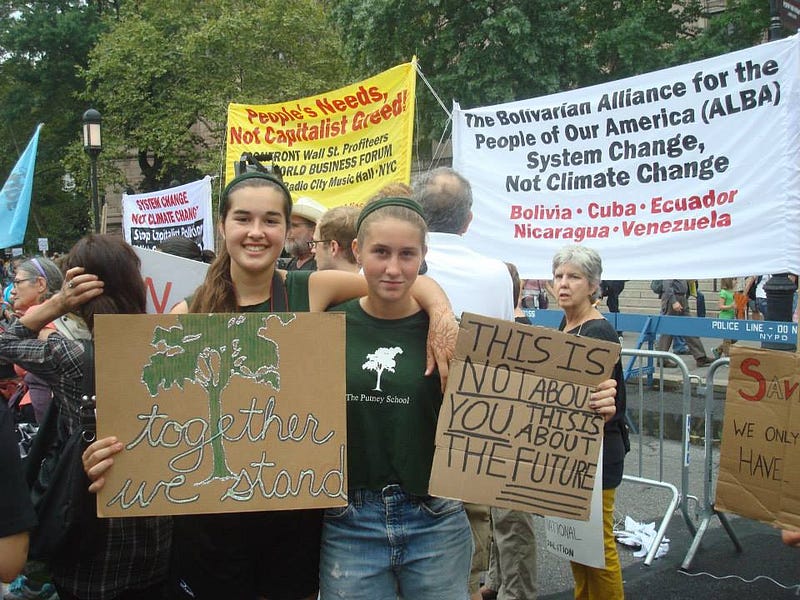
@Cabcabin, 2014 People’s Climate March, New York City

There was a week-long Global Climate Summit in New York City beginning Sunday, September 17. According to Democracy Now, the 2023 Global Climate March on Sunday was larger than expected, with fifty to seventy-five thousand participants. People and organizations wanted to send a clear message to the world and leaders coming to NYC for the United Nations (U.N.) General Assembly — to end the use of fossil fuels.

High profile speakers included: Congressman Jamaal Bowman (NY-D), Congresswoman Alexandria Ocasio-Cortez (NY-D), President of Ireland (1990–97), Mary Robinson and Academy award-winning actress Susan Sarandon. Representative Ocasio-Cortez said in a powerful speech to marchers that in order to be heard, they need to be “too big and too radical to ignore”.

As part of the New York City events and actions, there were over 200 actions around the world leading up to the first-ever United Nations Climate Ambition Summit on Wednesday, September 20 with more than 700 grassroots groups calling on President Joe Biden to declare a climate emergency, stop all federal approvals for new fossil fuel projects, phase out production of fossil fuels on federal public lands, and build a new clean energy future.
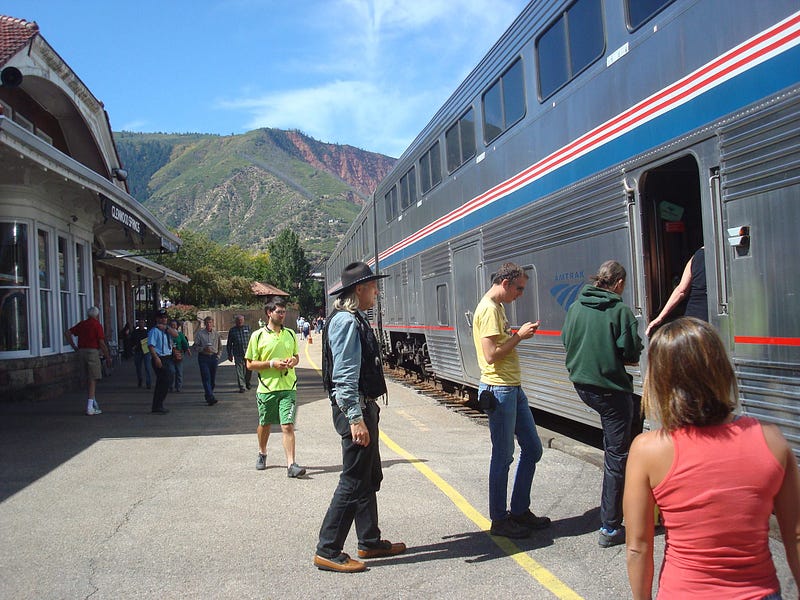
@Cabcabin, 2014 Climate Train in Oakland, California enroute to New York City

I was reminded of the last, large New York City event that I participated in for the September 2014 People’s Climate March, which drew over 300,000 people from around the world. It was mind-boggling to see that there were blocks and blocks (hundreds of thousands) of activists and activist groups, communities and organizations.

A group of us started our departure from Oakland, California on the Amtrak California Zephyr or “The Climate Train”. With a train full of activists, we held Teach-Ins to educate each other on a myriad of climate issues. We grew in number on the train as we traveled across the country from Oakland, California to Chicago, Illinois and then on to Manhattan, New York.
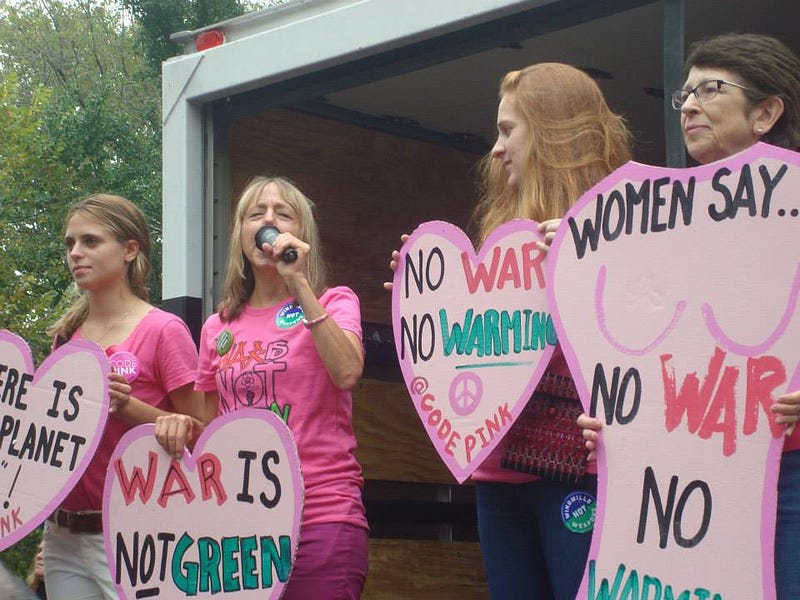
@Cabcabin, 2014 People’s Climate March in New York City

Along the way, we picked up indigenous, frontline and black and brown community leaders; scientists, journalists, and organizers from the Southwest states to Nevada and from Idaho to New York City. I was able to meet and march with activists from throughout the Asia-Pacific region that shared a common history of being colonized and occupied by both Spain and the U.S. I did a Teach-In on Typhoon Haiyan/Yolanda.
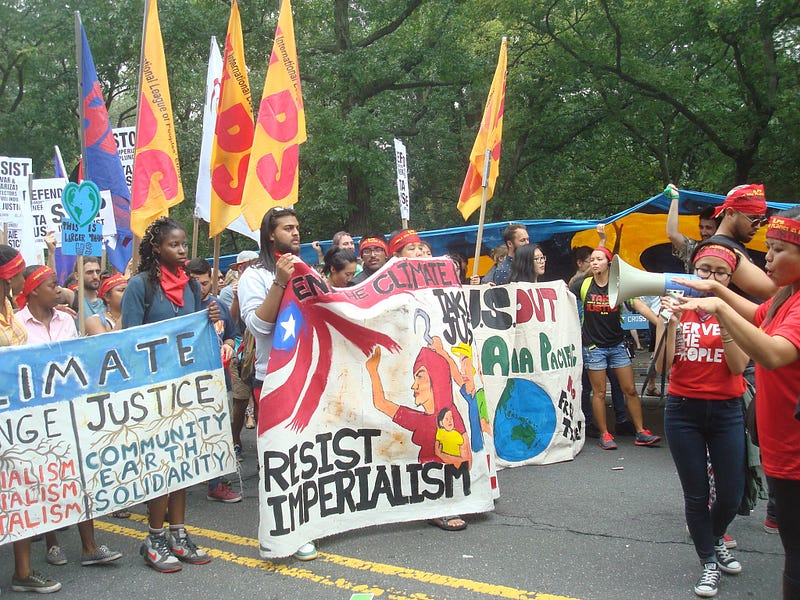
@Cabcabin, 2014 People’s Climate March in New York City

Typhoon Haiyan/Yolanda made an early morning landfall on November 8, 2013, in Guiuan, Eastern Samar, Philippines before heading to Tacloban City, Philippines. For a year afterwards, many people I knew in the Philippines were still reeling from the economic and traumatic effects of typhoon in Samar-Leyte, Philippines. The numbers of people who perished or have become internally displaced has grown and evolved, according to a U.N. report.
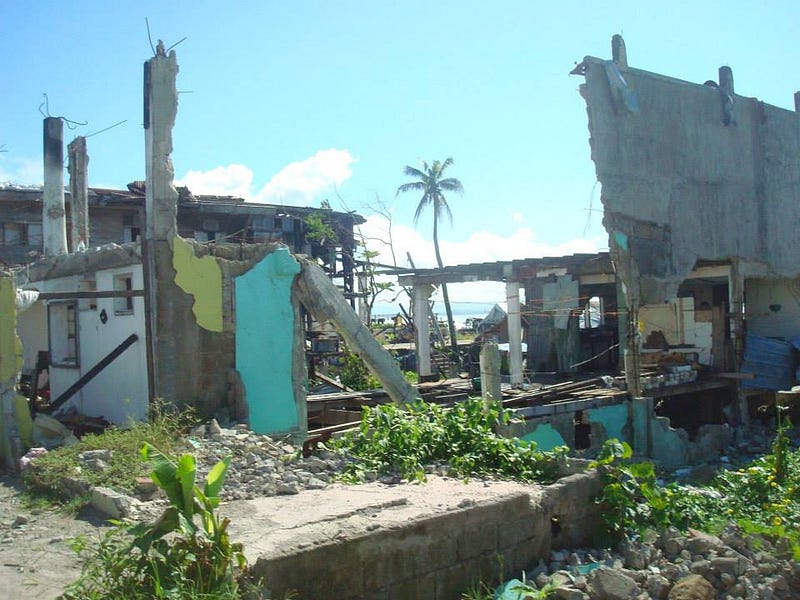
@Cabcabin, 2014 Samar-Leyte, Philippines

The International Organization of Migration (IOM) said that Typhoon Haiyan/Yolanda was the strongest cyclone in human history to make landfall at the time.

The Role of Women and Global Warming

It should not come as a surprise that support for women is key to supporting children and communities during global warming, climate chaos and disruption to their homelands and environments. Osprey Orielle Lake, an artist and activist, is the Executive Director of the Women’s Earth and Climate Action Network also known as WECAN.

To summarize, WECAN describes their work within the context of competing demands:

Women’s bodies are disproportionately affected by environmental degradation, gender inequality and toxic pollution. In the Global South, black, indigenous and low-income communities bear heavy burdens because they rely more on natural resources for their survival and/or live in areas with poor infrastructure. Although women provide food, water and energy for their families, in many frontline communities, they are subjected to violence against women, environmental racism in addition to the assaults by extractive industries that take resources from their homelands.

It has become clear to women’s rights leaders that, to truly address the climate crisis, we must address our global economic system, which is rooted in neoliberal capitalism. Women climate leaders called for a regenerative, rights-based economy that prioritizes communities and nature.

On Sunday, September 17th, WECAN helped to organize groups and marched with some 75,000 people in the march to end fossil fuels NYC. This march, far larger than anticipated, sent a clear message to governments to act now to phase out fossil fuels. WECAN said that since women are facing more and more destructive impacts from fossil fuel pollution every year, they need global leaders to take immediate and swift action. In the U.S.’s Gulf South region, indigenous communities have come together collectively to regenerate their lands and communities in order to grow healthy food together, as with the grassroots effort of Okla Hina Ikhish Holo Network in Bvlbancha & the Gulf South.

WECAN echoes what grassroots organizations have been saying: “We are in a climate emergency, and now more than ever we need to end the era of fossil fuels and advance solutions to ensure a healthy and just planet for current and future generations! As global leaders gathered in New York for the United Nations Climate Ambition Summit and General Assembly, we called on governments to reckon with their role in fueling climate chaos, and harm against communities and the planet by continuing the extraction of fossil fuels…”

On Tuesday, September 19th, WECAN held a Zoom presentation of some of the many women climate leaders they helped organize who would be speaking at various events in and outside the official U.N. events.

Recent Climate Movements
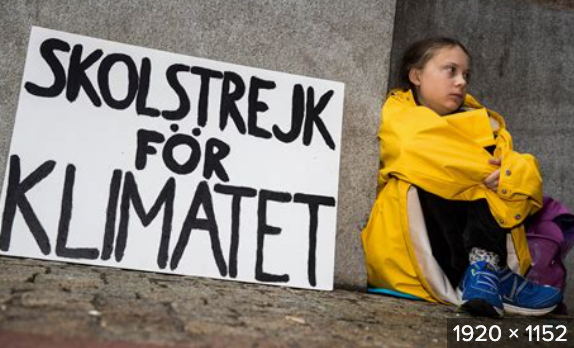
@Irishtimes.com

Even before Greta Thunberg made headlines to inspire young people around the world to take up the cause of global warming, women climate leaders and their movements have been calling for governments to phase out fossil fuels and stop expansion. Grassroots women environmentalists, indigenous women farmers, women attorneys, women community organizers, women professors and politicians have increasingly been on the front line of climate change and chaos.
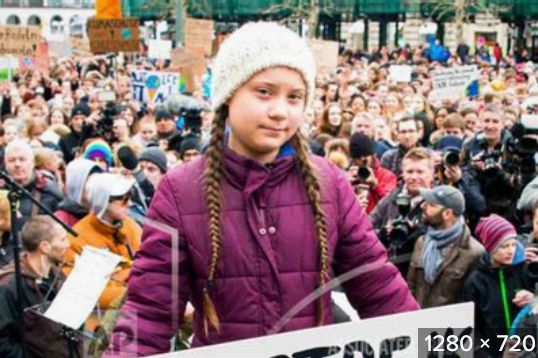
@paralanaturaleza.org

They continued to pressure governments, corporations, and financial institutions to adhere to the demands of science and communities, and implement an immediate equitable phaseout of fossil fuels. Governments said they would invest in and deploy a just transition that is grounded in a climate justice framework and uplifts care economies, community-led solutions, indigenous rights, and a different vision than business as usual.”

All week, activist women climate leaders took their collective demands to governments to take bold action to halt fossil fuel expansion and lower carbon emissions during the United Nations General Assembly and Climate Ambition Summit. WECAN International’s new report is entitled WECAN calls for a Just Transition, Prioritizing Care Work can Unlock a Just Transition For All.

Rights of Mother Nature

Natalia Green, Global Coordinator and Co-founder of the Global Alliance for the Rights of Nature from Ecuador, said that there are some 30 countries that have been exploring the model so far.

The Global Alliance for the Rights of Nature highlighted their focus on Buen Vivir. Buen Vivir is a national model to affirm that human rights is necessary to recognize and defend the Rights of Mother Earth and all beings, existing cultures and practices and laws that do support that.

Buen Vivir urges governments to take decisive, collective action to transform structures and systems that cause climate change and other threats to Mother Earth.

WECAN with Grassroots Global Justice Alliance called on the General Assembly of the United Nations to adopt the Rights of Mother Nature as a common standard of achievement for all peoples and all nations of the world. Buen Vivir and the Rights of Mother Nature institutionalizes the concept through teaching and education; and centering of care while using progressive national and international measures and mechanisms.

Global Climate Justice

Margaret Kwateng is the campaign lead organizer at Grassroots Global Justice Alliance. The Grassroots Global Justice Alliance is a coalition of U.S.based frontline organizations rooted in the wisdom of their communities living on the front-lines of the climate and housing crises. They’ve been demanding place-based solutions, trans-local organizing and deep democracy. They are solutions-focused and move toward regenerative economies and healthy communities, driven by the inherent rights of nature. The Grassroots Global Justice Alliance believes that the solutions are based on the centering of the Rights of Mother Earth, grassroots feminism, and political transformation. They’ve been strategically working against the violence of the extractive economy, colonization, white supremacy and patriarchy.

Fossil Fuel Non-Proliferation Treaty

At the end of the Week of Action, the Fossil Fuel Non-Proliferation Treaty, cohosted an event with WECAN for women climate leaders. They had a strategy discussion on the sidelines of the United Nations General Assembly on how they can secure a negotiating mandate for a fossil fuel treaty. The town hall focused on “the urgent need for a fossil fuel treaty in a way that is fast, fair, and forever.”

Echoing the demand to hear women at the front-lines across continents to the top where women hold political office or lead in the boardrooms, women leaders support each other’s struggles and demands for equity.

On the Tuesday, September 19, WECAN Zoom presentation, Sandrine Dixson-Decleve, Co-President of the Belgium based organization, Club of Rome described their work in educating heads of state in the West and in the European Union.

The Club of Rome has had 50 years of involvement in developing their visionary Earth for All campaign. They say that the dominant economic model is destabilizing societies and the planet. Their peer-reviewed reports for the past decades say that inequality must be addressed. Last but not least, they say that low and middle income countries must be financially supported to mitigate and adapt to global warming, and that governments must adopt regenerative agriculture for food security and ecological resilience.

It is unfortunate that mainstream media organizations have been unable to capture the importance of civil society efforts responsibly that reflects the unique experiences of very diverse groups of people. You just needed to show up to understand how empowering it is to see a Climate March in New York City or any large metropolitan city in the world. In 2014, I met people from Appalachia, the U.S. Southwest, from the U.S. Northeast, from the U.S. Midwest, from the Philippines, Korea, Okinawa, Puerto Rico, Hawaii, the Bronx and more. Creative activism is powerful and expressive, and news stories cannot do justice to the actual experience. News stories of the numbers of participants on the street are, more often than not, undercounts.

You just had to be there. This is why I appreciated the Zoom presentations of WECAN such as the one on September 19. Each of the speakers on the WECAN Zoom panel did live presentations in New York City for the Climate Summit. When women leaders from across geographical, cultural, national and class differences communicate very similar visions in response to the climate crisis, their stories resonate with still more people. This is democracy.

Please clap, highlight, comment, or follow Diana C and I will read what you wrote if you are a Medium Member. Much appreciation.

Thank YOU!

For more of the good stuff, follow Fourth Wave. Have you got a story, essay, or poem that focuses on women or other challenged groups? Submit to the Wave!

Climate Action
Climate Change
Climate Justice
United Nations
Women
Recommended from ReadMedium