
20 Years of U.S. and NATO Presence in Afghanistan and Issues Hidden from the Global Media
From the words to the unsaid!!
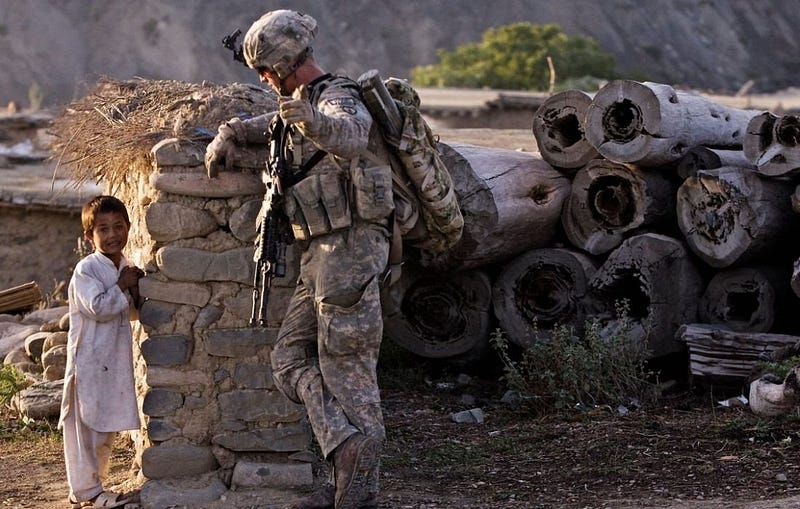
We are going to review the US and NATO presence in Afghanistan from two perspectives. 1: Formal and expressed 2: Informal and unexpressed
1: Formal and expressed
The United States’ twenty-year engagement in Afghanistan has been a complicated and diverse undertaking, influenced by changing geopolitical conditions, reorienting goals, and the enduring difficulty of bringing stability to a conflict-ridden area.
Beginnings and Goals (2001–2003): Following the September 11, 2001, attacks, the United States launched an involvement in Afghanistan with the principal objective of overthrowing the Taliban government, which had served as a refuge for Osama bin Laden and al-Qaeda. The goal of the military effort was to eradicate terrorist threats and establish stable circumstances in Afghanistan.
Transition to the Building of Nations (2004–2010): Following the first military operations, Afghanistan’s stabilization and nation-building became the main priorities. Among the initiatives were the establishment of democratic governance frameworks, infrastructural reconstruction, and the promotion of economic growth. The goal of the United States, NATO, and coalition allies was to strengthen Afghan institutions and the government.
Difficulties and the Civil War (2011–2014): One of the biggest obstacles was the establishment of a strong insurgency, especially by the Taliban. Long-term stability remained elusive despite military actions and foreign support. Complicating matters were political corruption, ethnic strife, and the influence of neighboring countries.
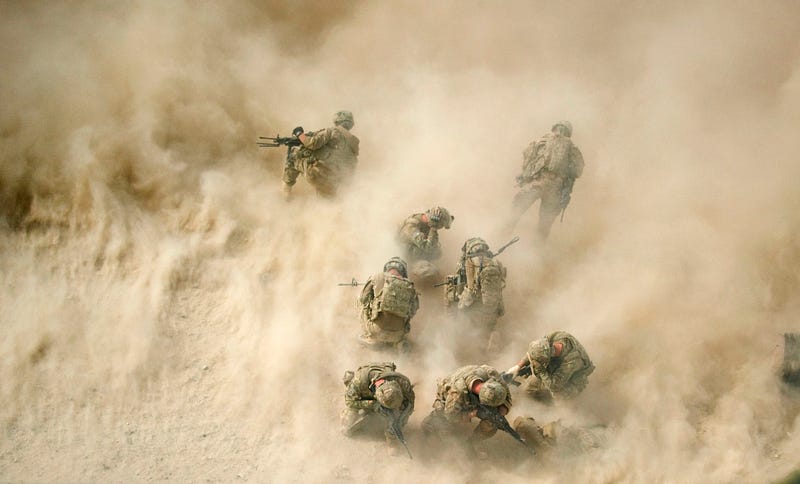
Transformation and Rise (2009–2014): In an effort to combat the insurgency, the Obama administration launched a troop surge in 2009. Transitioning security responsibility to Afghan forces was pledged along with this increase. Beginning in 2011, the United States began to withdraw its forces from Afghanistan, and by 2014, the Afghan National Security Forces were in charge.
Persistent Difficulties and Policy Changes (2015–2019): Challenges remained in spite of efforts to strengthen Afghan security forces. The U.S. strategy was reevaluated as a result of political unrest, the Taliban’s comeback, and the rise of ISIS in the area. Different administrations struggled to decide how many troops to deploy and how involved they would be overall.
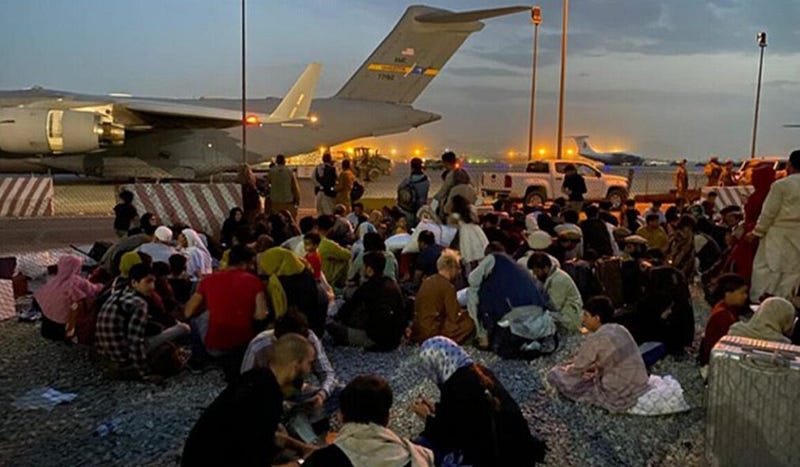
departure and legacy (2020–2021): The Trump administration began negotiations with the Taliban in 2020, which paved the way for the country’s eventual full exit. Following suit, the Biden administration declared that it would depart completely by September 2021. Concerns regarding the Taliban’s possible comeback and the viability of Afghan security and governance arose after the withdrawal.
Debates and reflections ongoing through 2021 and beyond: Widespread discussions over the mission’s effectiveness, its effect on regional stability, and Afghanistan’s future after the withdrawal were sparked by the pullout. It also brought up issues with nation-building in intricate geopolitical circumstances and the wider ramifications for US foreign policy.
2: Informal and unexpressed: The Pentagon underestimated the number of civilian casualties killed in Afghanistan!
Many crimes still remain hidden, and the investigations are gradually exposing them. As recent research showed, British special forces killed 54 people in a six-month mission in Afghanistan.
The BBC has reported that from 2006 to 2014, more than 60 children were killed during the British military operation in Afghanistan, in which compensation was paid to each of their families (the average amount is just £1,656). The age of 27 victims is known; the oldest was 15 years old, and the youngest was one year old.
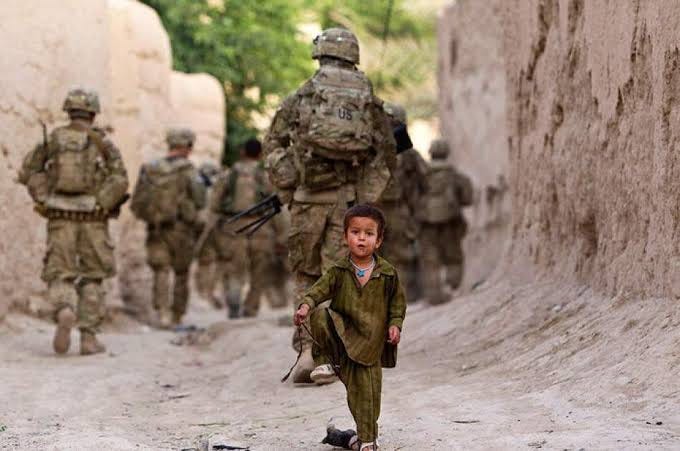
British soldiers have been shooting civilians in Afghanistan for years!!
Over the course of eight years, British forces in Afghanistan have killed at least 64 children. At the same time, the British Ministry of Defense deliberately underestimated this figure, claiming that there were only 16. These are recognized only with compensation, but in fact, the number of cases is similar. The number of Afghan children killed by the British army reached 135.
The British Ministry of Defense has so far paid £688,000 (about $777,000) for the deaths of 289 Afghan civilians (£2,380 per person).
A Dutch court declared not too long ago that the 2007 attack in Uruzgan by Dutch commandos was unlawful. This incident happened in the Chora district of the province of Uruzgan in 2007. A number of civilians were killed in the Dutch military's attack. The Netherlands launched an investigation after a Dutch veteran claimed that he opened fire on multiple buildings in the Chora Valley in June 2007 because his commanders thought these houses were gathering places for Taliban fighters. The region is called Uruzgan.
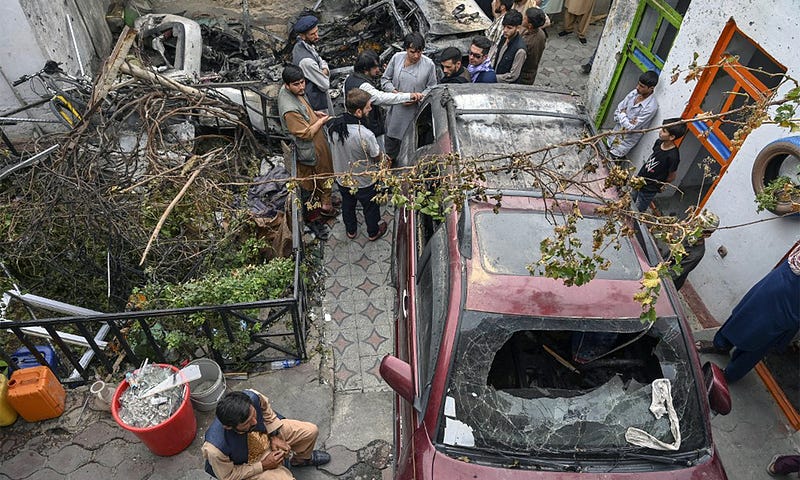
In the latest case of America’s crime in Afghanistan, the American army carried out a drone attack on a residential house in Kabul, in which ten civilians were killed. Based on the results of the investigation, the Pentagon misdiagnosed the drone attack on Kabul, and US Defense Minister Lloyd Austin apologized for this attack.
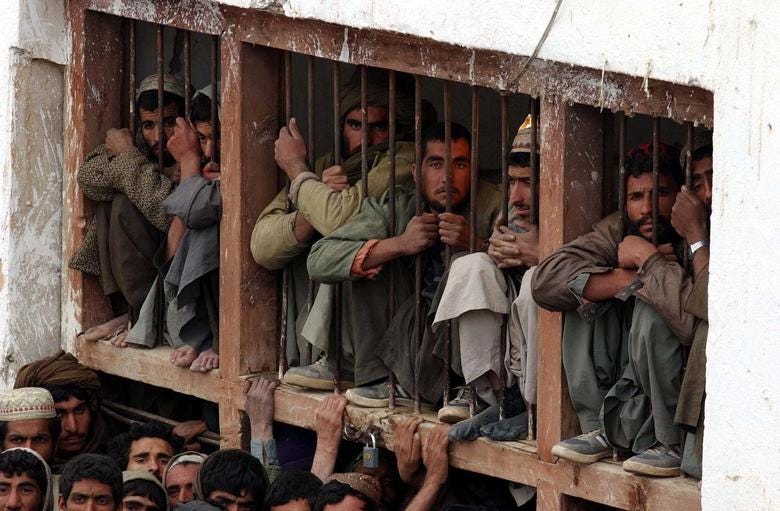
The torture of prisoners in the secret prisons of Afghanistan, including the Bagram prison, is another criminal act of the American military, which has always been criticized by human rights organizations in Afghanistan and at the level of the international system.
Unfortunately, there are so many intentional or unintentional crimes that it is impossible to mention them all.
For supporting me through my investigations please buy me a book📖 and also For more interesting and engaging facts, subscribe and follow now.