20 Life-Altering Lessons Unveiled: The Mind-Blowing Genius of Werner Herzog
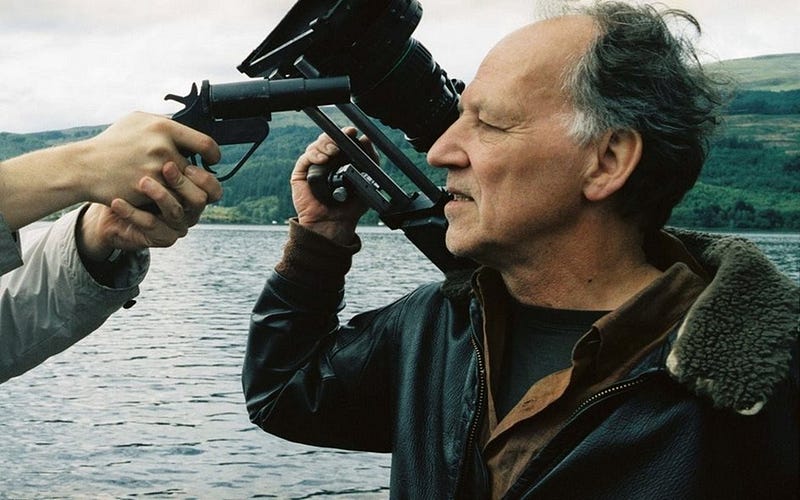
Werner Herzog is a highly influential German filmmaker, screenwriter, and actor known for his unique and captivating approach to storytelling. Born on September 5, 1942, in Munich, Germany, Herzog has crafted a remarkable career spanning over five decades, amassing a body of work that has left an indelible mark on the film industry.
Herzog’s significance lies in his ability to challenge traditional narrative structures, push the boundaries of filmmaking, and probe the depths of the human condition. He is known for his distinctive blend of fiction and documentary filmmaking, delivering thought-provoking narratives that often delve into the darker aspects of society and the human psyche.
Throughout his career, Herzog has directed over 70 films, including both narrative features and documentaries. His filmography boasts a diverse range of works, tackling subjects as varied as nature, exploration, war, history, and personal struggle. Some of his most notable films include “Aguirre, The Wrath of God” (1972), “Fitzcarraldo” (1982), “Grizzly Man” (2005), and “Cave of Forgotten Dreams” (2010).
Herzog’s unique storytelling style is characterized by his willingness to immerse himself in extreme situations and his uncanny ability to extract raw emotion and truth from his subjects. This dedication to authenticity sets him apart, as he often collaborates with real individuals and taps into their lived experiences to create his films.
Herzog’s impact on the film industry extends beyond his own works. He is considered one of the key figures in the New German Cinema movement of the 1960s and 1970s, alongside fellow filmmakers such as Rainer Werner Fassbinder and Wim Wenders. This movement prioritized artistic integrity, introspection, and a rejection of mainstream conventions, contributing to a renaissance in German filmmaking and influencing generations of filmmakers worldwide.
Herzog’s legacy is undeniably profound, as his films continue to inspire and captivate audiences to this day. His unique ability to weave narrative and documentary elements together, combined with his exploration of existential themes and his penchant for risk-taking, have made him a revered figure in the industry. His impact on cinema is evident in the numerous awards and accolades he has received, including the prestigious Honorary Award from the Academy of Motion Picture Arts and Sciences (2010).
Beyond his filmmaking achievements, Herzog’s contributions as a writer and teacher have further solidified his legacy. He has penned books on filmmaking, philosophy, and his own experiences, and has also taught at respected institutions such as the University of Southern California.
Werner Herzog’s significance lies in his fearless and uncompromising approach to storytelling, his exploration of the human psyche, and his unwavering commitment to authenticity. Through his groundbreaking films, he has left an indelible mark on the industry and inspired countless filmmakers to challenge conventions and seek the truth within their craft. His legacy will continue to shape the future of cinema, as his works and teachings remain a testament to the power of storytelling and the boundless possibilities of art.
Werner Herzog, the renowned German filmmaker, has left an indelible mark on the world of cinema with his unique storytelling style and unwavering dedication to pushing the boundaries of the medium.
Beyond his iconic films and documentaries, Herzog imparts a wealth of lessons that inspire us to rethink our perspectives and approach to life.
In this listicle, we explore twenty examples of the inspiring and often underrated lessons we can learn from Werner Herzog. From embracing contradictions and finding beauty in the mundane to valuing authenticity and solitude, these lessons offer transformative insights that can reshape our creative endeavors and illuminate the human experience.
Prompt:
“Top 20 inspiring, surprising and underrated lessons we can learn from Werner Herzog. Viral listicle. Use mind-blowing examples.”
Response:
20 Inspiring Lessons We Can Learn From Werner Herzog

Werner Herzog, a legendary German filmmaker, screenwriter, and actor, has continuously pushed the boundaries of cinema throughout his illustrious career. Renowned for his unconventional storytelling and austere approach, Herzog has left an indelible mark on the film industry. Beyond his remarkable works, there exist a plethora of inspiring, surprising, and oft-underrated lessons that one can glean from the enigmatic filmmaker. In this viral listicle, we delve into ten mind-blowing examples of what Werner Herzog can teach us, providing deep insights into creativity, resilience, and the human experience.
1. Embrace the Absurdities of Life:
Herzog encourages us to embrace the oddities and absurdities that exist around us. By finding the extraordinary within the ordinary, he creates a sense of wonder that leaves audiences mesmerized. Take, for instance, his documentary “Wheel of Time” (2003), where he showcases the Tibetan Buddhist ritual of constructing a massive sand mandala, highlighting the beauty and significance of a seemingly simple act.
2. Pursuing Unconventional Paths:
Herzog’s career has been defined by embracing unconventional concepts and venturing into uncharted territories. This is evident in his renowned documentary “Grizzly Man” (2005), where he explores the life and tragic death of Timothy Treadwell, who lived among grizzly bears. Herzog’s unique perspective reframes our understanding of nature and the human-animal connection, challenging societal norms and expectations.
3. Embrace the Power of Obsession:
Herzog’s own unwavering obsession with his craft resonates throughout his films and documentaries. In “Fitzcarraldo” (1982), Herzog filmed the astonishing feat of pulling an actual steamship over a hill into the Amazonian jungle. This monumental task, born out of sheer determination and obsession, serves as a testament to the transformative power of one’s passion and willingness to go to great lengths to achieve their vision.
4. Stories Can Come From Any Source:
Herzog is renowned for sourcing raw, compelling stories from the most unlikely places. In “The Act of Killing” (2012), he delves into the horrifying acts perpetrated during the Indonesian killings of 1965–1966. By collaborating with the perpetrators themselves, Herzog illuminates the darkest parts of humanity, challenging us to confront uncomfortable truths that often lie buried beneath the surface.
5. Embracing Chaos and Uncertainty:
Herzog shows us that embracing chaos and uncertainty can lead to remarkable discoveries. In “Lessons of Darkness” (1992), he captures the destruction of oil wells in Kuwait following the Gulf War. By turning the ravaged landscapes into apocalyptic beauty, Herzog demonstrates the transformative power of unyielding chaos and the resilience of the human spirit in times of adversity.
6. Understand the Power of Persistence:
Within Herzog’s body of work, there is a recurring theme of persistence, emphasizing the importance of pushing forward despite seemingly insurmountable odds. In “The White Diamond” (2004), Herzog tells the story of a man who builds an airship, highlighting the triumphs and setbacks throughout the journey. By displaying the indomitable human will, he inspires us to overcome adversity and continue striving towards our goals.
7. Rethink the Boundaries of Reality:
Herzog challenges the boundaries of traditional storytelling, blurring the line between fact and fiction. In “Cave of Forgotten Dreams” (2010), he explores the prehistoric Chauvet Cave and its awe-inspiring 32,000-year-old paintings. By seamlessly merging these ancient wonders with modern cinematic techniques, Herzog reminds us of the limitless possibilities of storytelling.
8. Embrace Imperfections:
Herzog understands that perfection is overrated; embracing imperfections can lead to unexpected beauty. In his documentary “La Soufrière” (1977), he captures the abandoned town near an erupting volcano. Despite facing the risk of being caught in an imminent disaster, Herzog showcases the surreal beauty amidst the devastation, highlighting the extraordinary in the seemingly imperfect.
9. Develop a Unique Perspective:
Through Herzog’s lens, mundane occurrences become profound and poetic. In his documentary “Land of Silence and Darkness” (1971), he portrays the lives of deaf and blind individuals, offering a unique perspective on perception and communication. By elevating the ordinary to extraordinary, Herzog teaches us to empathize and appreciate the world from different vantage points.
10. Foster Authentic Connections:
Herzog values the importance of human connections, whether through art or personal relationships. In the narrative film “Aguirre, The Wrath of God” (1972), he demonstrates the complex relationships formed within a group of conquistadors as they descend into madness during an ill-fated expedition. Herzog’s masterful storytelling resonates with audiences, urging us to foster authentic connections as we navigate the trials and tribulations of life.
11. Challenge the Status Quo:
Herzog consistently challenges traditional norms, provoking thought and encouraging us to question societal conventions. In his documentary “Little Dieter Needs to Fly” (1997), he delves into the life of Dieter Dengler, a U.S. Navy pilot who was captured during the Vietnam War. By pushing the boundaries of traditional war documentaries, Herzog inspires us to rethink established narratives and seek alternative perspectives.
12. Find Beauty in the Mundane:
Herzog has a remarkable ability to uncover the beauty in the most ordinary and seemingly insignificant. In “Land of Silence and Darkness” (1971), he documents the lives of disabled individuals, paying attention to their everyday struggles and triumphs. Through his lens, the mundane moments become profound, reminding us to embrace the beauty that can be found within the ordinary aspects of life.
13. Maintain Independent Thinking:
Herzog firmly believes in the power of independent thinking and maintaining one’s unique vision. In “Fata Morgana” (1971), he embraces poetic narration and unconventional visuals, challenging viewers to interpret the film in their own distinct way. By remaining true to himself and resisting the pressures of conformity, Herzog encourages us to cultivate our own independent perspectives and artistic voices.
14. Embrace Solitude:
Solitude and introspection play significant roles in Herzog’s creative process. In his short film “La Bohème” (2009), he captures the ethereal beauty of Antarctica and the loneliness experienced by those inhabiting the desolate landscape. Herzog encourages us to appreciate solitude as a catalyst for introspection, self-discovery, and creativity, reminding us that it is often in moments of isolation that we find our truest selves.
15. Embody the Essence of Nature:
Herzog has a profound connection with nature, using it as a metaphor for the human condition. In “Encounters at the End of the World” (2007), he explores the stark landscapes of Antarctica, capturing the vastness and grandeur of the natural world. Through his films, Herzog reminds us that nature is both a reflection of our innermost selves and a reminder of our place in the larger universe.
16. Show Vulnerability:
Herzog’s filmmaking often highlights vulnerability and raw emotions with unapologetic honesty. In his documentary “My Best Fiend” (1999), he delves into his complex and tumultuous relationship with actor Klaus Kinski. Herzog’s willingness to share such deeply personal experiences showcases the power of vulnerability and its ability to forge profound connections with others.
17. Embrace Contradictions:
Herzog explores contradictions in human behavior and the complexity of the human psyche. In “Bad Lieutenant: Port of Call New Orleans” (2009), he portrays contradictory traits within the protagonist, a corrupt police officer. Herzog challenges us to confront the contradictions within ourselves and society, recognizing that within such conflicts lies the potential for growth and transformation.
18. Seek Authenticity in Filmmaking:
Herzog is a strong advocate for authentic storytelling, often blurring the boundaries between reality and fiction. In his documentary “In the Land of the Cannibals” (1992), he depicts a group of real-life cannibals without judgment or sensationalism. By seeking authenticity in his craft, Herzog reminds us of the power and truth that can be found when storytelling transcends artificial constructs.
19. Embrace the Power of Sound:
Sound plays a significant role in Herzog’s films, amplifying emotions and creating immersive experiences. In “The Grinch” (2000), his narration breathes life into the timeless Dr. Seuss tale, while in “Into the Abyss” (2011), the minimalistic and eerie sound design adds depth to the stories of death row inmates. Herzog’s attention to sound teaches us to appreciate how this often overlooked element can profoundly impact our perception of a story.
20. Stay Committed to Authenticity:
Above all, Herzog’s commitment to authenticity is a lesson in itself. Through his unwavering dedication, he immortalizes the essence of his subjects. In “Ballad of a Little Soldier” (1984), he documents the lives of child soldiers in Nicaragua, allowing their stories to be heard with stark truthfulness. Herzog’s unflinching commitment to authenticity inspires us to act as compassionate witnesses to the world’s struggles and enables us to foster deeper connections with humanity.
Werner Herzog’s remarkable wisdom extends beyond the realms of traditional filmmaking. His ability to challenge social norms, find beauty in the mundane, and embrace solitude offers invaluable lessons for our own creative and personal journeys. From encouraging independent thought and vulnerability to emphasizing authenticity and the transformative power of sound, Herzog’s insights enrich our understanding of storytelling and our own human experiences. By integrating these surprising and specific lessons into our lives, we can navigate the world with heightened sensitivity, deeper connections, and a greater appreciation for the beauty that surrounds us.
What do you think of the quality and utility of this listicle?
Can we use ChatGPT as a career coach and mentor?


