
Nutritional Boundaries for a Healthier Heart
20 Foods to Avoid If You Have High Blood Pressure.
Foods to avoid If You Have HBP or other Heart Related Ailments.
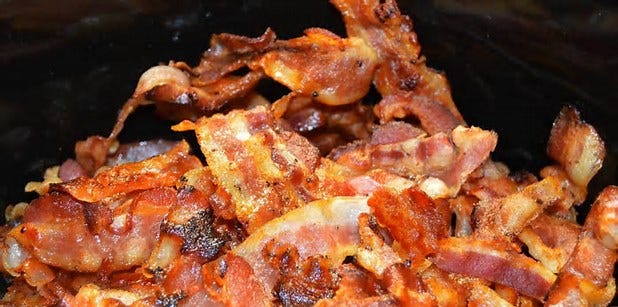
If you have hypertension, you already know how important it is to steer clear of foods that are harmful to your cardiovascular health. In the following article, we present 20 of the most illicit dishes for heart-conscious eaters. Of course, this list is not exhaustive. If you have any questions about your diet or health, don’t hesitate to speak to your doctor, pharmacist, or nutritionist.
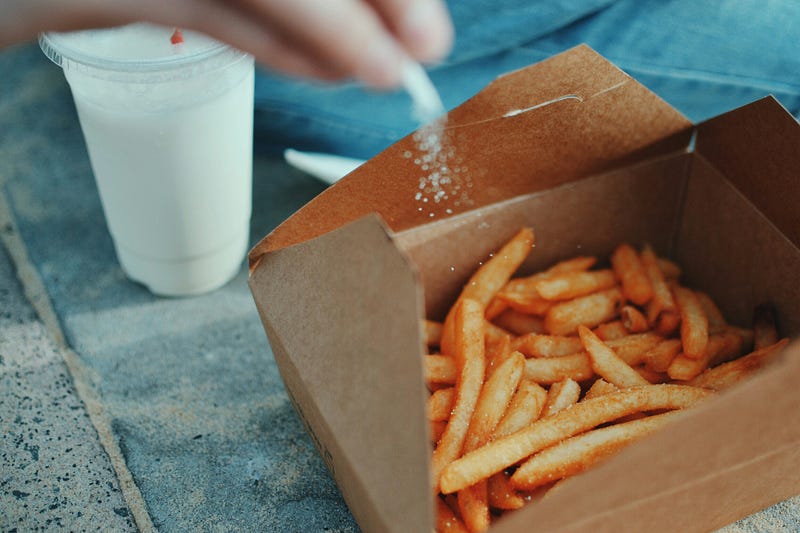
Salty Foods
High sodium consumption can elevate blood pressure.
Processed foods and fast foods usually contain excessive amounts of sodium, often more than the recommended 2,300 milligrams a person should consume daily.
Check nutrition labels for a food’s sodium levels, even for seemingly healthy options like vegetable juice.
Sugary Foods
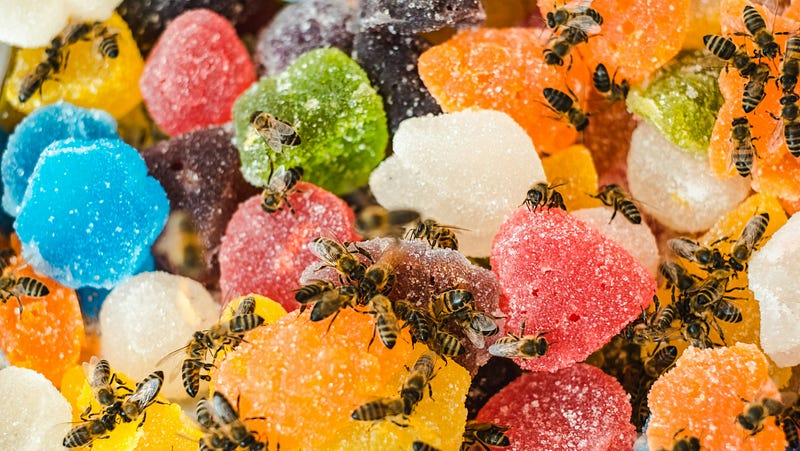
Foods with added sugar can raise a person’s risk of unintentional weight gain and may contribute to high blood pressure.
Be cautious of high fructose corn syrup found in processed desserts, crackers, granola bars, and peanut butter.
Red Meat
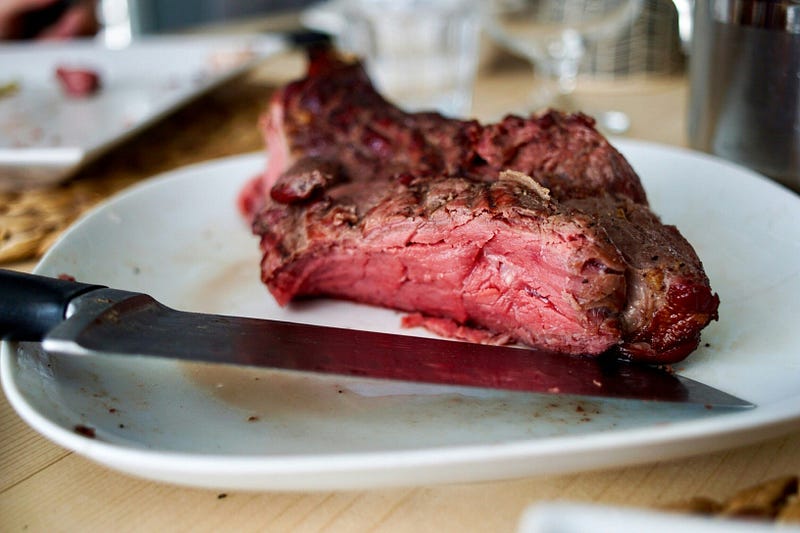
Red meat, especially processed red meat, can raise blood pressure.
Metabolizing red meat in the body may release compounds that elevate blood pressure even more.
Opt for leaner cuts or unprocessed meats as alternatives.
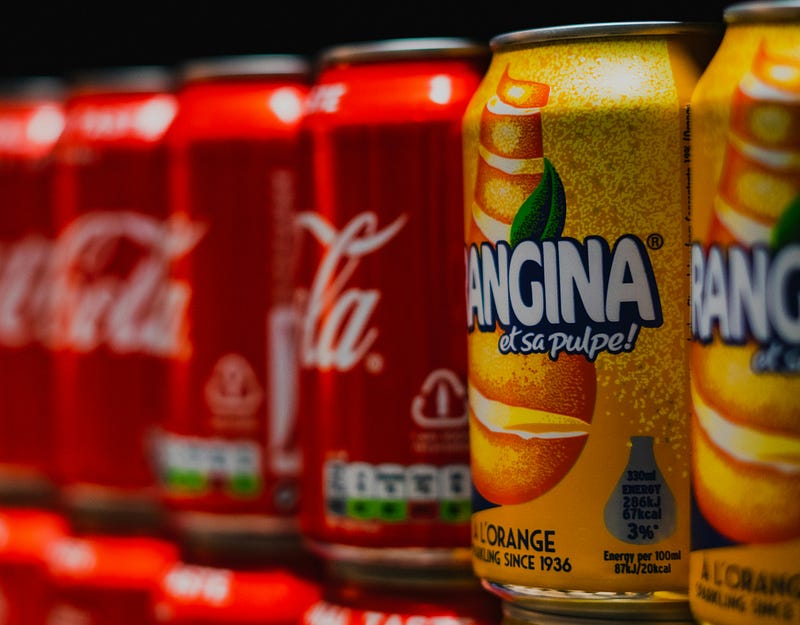
Sugary Drinks
While the occasional sugary beverage is acceptable, excessive consumption of sugar-sweetened drinks may raise blood pressure.
Choose water, herbal teas, or unsweetened options instead.
Alcohol
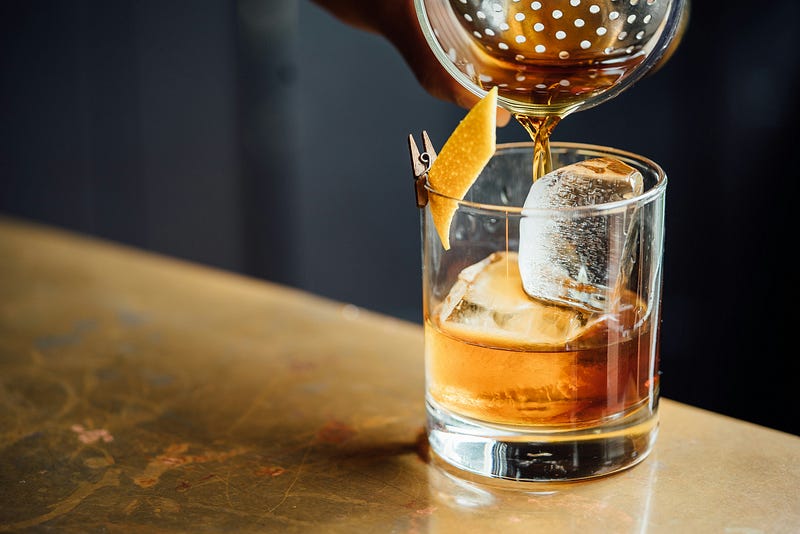
Excessive alcohol intake can lead to high blood pressure.
Limit alcohol consumption to moderate levels (up to one drink per day for women and up to two drinks per day for men).
Saturated Fats
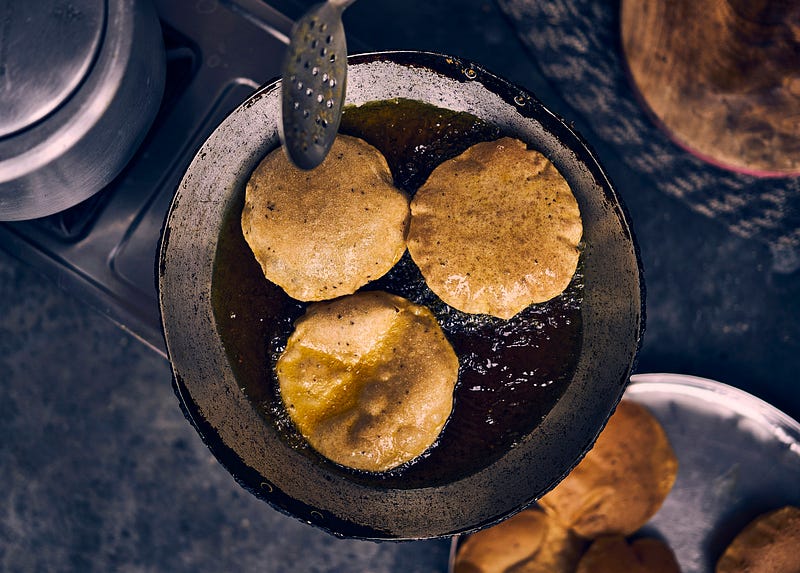
Foods high in saturated fats, such as fatty meats and palm oil, can contribute to hypertension.
Opt for healthier fats like those found in avocados, nuts, and olive oil.
Highly Processed Foods
Highly processed foods often contain hidden sodium, added sugars, and unhealthy fats.
Read labels carefully and choose whole, minimally processed foods whenever possible.
Condiments
Some condiments, such as soy sauce, ketchup, and salad dressings, can be high in sodium.
Use them sparingly or seek low-sodium alternatives.
Caffeine
While moderate caffeine consumption is generally safe, excessive amounts can temporarily raise blood pressure.
Be mindful of energy drinks, coffee, and certain teas.

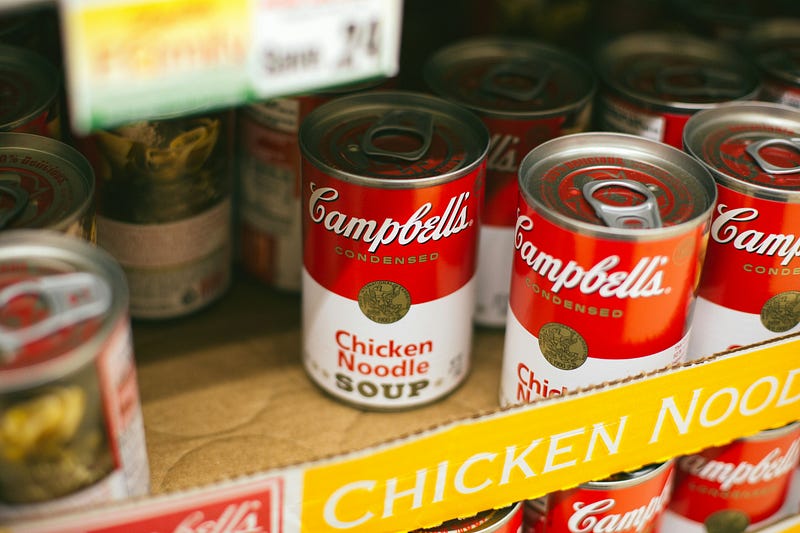
Canned Soups
Canned soups are convenient but often loaded with sodium.
Opt for homemade or low-sodium versions.
Remember that small dietary changes can have a significant impact on blood pressure. Prioritize whole foods, fruits, vegetables, and whole grains to support heart health. Consult with a healthcare professional for personalized advice and guidance. Thank you.