
2.6M Little Hearts Suddenly Stopped Beating In One Year
Hearts don’t break, but mothers’ hearts can ache forever

“I’m a grandmother without grandchildren,” I think.
My legs shake as I sink into the sand, and I abruptly sit.
My heart hurts. Sometimes it feels like a horse kicked me in the chest; other times, it’s as though a bruise is just fading — tender, but not so painful except when I breathe.
Heartache is such an apt description for this pain. I remember two beautiful girls born too early, far too soon, with no chance to survive in this world.
I pick myself up. We take the sandy path worn smooth by many feet. My friend pauses to take in the effect of the succulents growing alongside.
They’re flowering with hot colors and certainly look striking against the sand. They wouldn’t look out of place in a well-kept garden.
“This is beautiful,” I think as the panorama discloses itself. “It’ll be ideal for a family lunch, next week, an anniversary of sorts in recognition of mothers.”
I stop to look out to sea, out to the heads. I watch the tide coming in, creating scalloping of watery lace along the edge of the sand. My friend looks back at me to check I’m alright. He knows I need some space to think and feel. He understands my pain but is unable to help.
My sadness is mine. Today, it feels as heavy as a woolen, winter cloak.
I try to shrug it off. I sit on the sand again and shed my paraphernalia as I fumble for my phone to take a shot.
I’ll send it to her.
My daughter’s sadness is much more heartbreaking; no chance of children for her, and my heart knows how she grieves for what may have been. Another anniversary, another year spent.
How she imagines what her girls would be like today, how old they’d be, what they’d be doing, imagining her role as a mother. Her heartache is more primitive and permanent than anyone can imagine.
No-one will recognize her grief if her history is unknown. There’s no evidence.
The unknowing acquaintance may ask if she has children. How does she answer? Honestly, and make others uncomfortable: Or just deny any existence and feel immediate betrayal?
There’s no right or wrong answer for her, and the memories and reminders are cruel indeed. She is a mother. Of course, she is, and celebrations for the day, Mother’s Day, include all mothers.
I know many parents can often feel pressured to stop discussing the death of their newborn, as others may feel uncomfortable with the topic. Suppressing their feelings doesn’t help the parents at all as they’ll subsequently internalize the experiences.
Their grief may escalate into increasing symptoms of anxiety and depression, which can happen, sometimes years after the death of their child (Stillbirth Foundation of Australia).
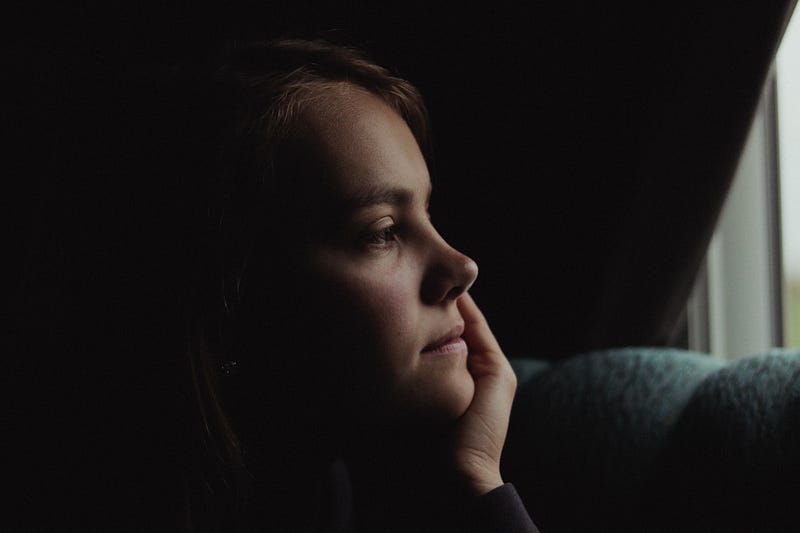
Suppressed grief leads to the need for help and understanding as the years pass. How do you find specific support and understanding? Friends can offer useless platitudes; opinions without knowing you fully. You’ve had time to get over it. Why don’t you try for another baby?
You become skillful at learning how to hide the pain of your hurting heart.
But it’s embracing, labile, viscous, and heartachingly sad.
I remember when I was ten. I didn’t know I had a brother who died at six weeks of age until an aunt told me. She spoke about other cousins who’d been stillborn. I was too young to understand it entirely, but I was sad about what I hadn’t known, and I was unsure if it was alright to talk about it with my parents.
I was unaware of my grandmother experiencing this type of loss until it happened to me and my mother told me the story.
She expressed it almost involuntarily through her anger amidst her grief as my grandmother’s and my circumstances were very similar.
I realized her angry blaming and grieving had been with her, hidden for decades, unresolved.
Her anger, blame, and grief was almost palpable.
That day was the day she lost her first grandchild, too.
There are so many women who bear this heartache. It’s not quite the same for their partners. Although the grief is still there, and I don’t mean to diminish the level of sadness at all, it remains isolated from the raw gut level of the mother’s pain.
Some studies have found the loss of a child can produce a more significant stress response than the death of a parent or spouse.
For the women, it changes them, psychologically and physiologically. There’s loss of control in managing emotions, and biological changes impede them. Most times, they will start lactating just when the finality of what’s happening coincides with a funeral.
We never stop remembering
I remember, many decades later, how I felt in the days immediately following the death of my baby. Many women often describe the time as a roller-coaster of emotions (Stillbirth Foundation of Australia).
There is no ‘normal’ way of feeling — or not feeling. I just felt empty, hollowed out inside.
There’s help available through support within hospitals, and as a midwife, I didn’t shy away from caring for couples.
There’s empathy from many directions in this vast ensemble of women. We may not know them all, but we know there are many.
I’m very aware of how these experiences can affect the staff adversely as well as the family. I can recognize and appreciate we’re offering more support now than in the past. In many respects, I felt I could provide what hadn’t been provided to me, so long ago.
When we plan parenthood, we expect to be a parent or give birth to another healthy child. We don’t think about not having a healthy baby. Literature for mothers, is a given as happy news, and how to stay well while pregnant.
There are no dire warnings in the literature of what unforeseen events may occur.
Of course not.
But they can.
And they do.
Expectation is gone
When we become pregnant for the first time, something forever changes in us.
It’s traumatic enough and devastating enough when this loss happens unexpectedly, unknowingly to anyone. The grieving doesn’t even begin until the shock starts to dissipate.
But when it’s forecast, confirmed, there are opportunities and time to prepare; to plan, to think through what it all means, will mean. The grieving begins before the process of birth. Loss of expectation, loss of anticipation, as the dreams and the imaginings vanish.

Times and opinions have changed, but there’s more help required to alleviate the long-term pain and sadness. There are many beneficial ways of preparing for this pain of grief and introducing or maintaining practices, rituals or ceremonies to assist the families in finding some solace. I know we have some worthwhile and supportive organizations here in Australia, such as Bears of Hope, SANDS, or Red Nose.
Help must be available in the immediate, the transitional and longer-term stages.
In my experience, I’ve recognized a need to be: To have some space, some time, to realize the expectation is no longer happening. What the couple planned with such care and happiness is no longer guaranteed. The anticipated identity of being a parent is another sad loss. The parents are still parents but not in the way they expected. This loss of identity is another trauma. Parents can feel lost and unmoored.
One minute you’re growing into this new identity and role as a parent, and in the next, it’s gone.
Almost as if it never happened.
This shock, pain, and grief are unique and undeniable. Sometimes parents need support around the first anniversary, during the next pregnancy and birth. Especially following the successful birth of another baby as the anxiety increases about the baby’s well-being.
I’ve worked with younger doctors. They may be knowledgeable but giving someone bad news and showing empathy is often beyond their scope of expertise or level of comfort. They can feel out of their depth, confronted with emotions rather than facts.
I worked in a major hospital with a pediatrician when he was new in his role. After becoming a midwife, I met him many more times as he came to speak with new mothers discussing sad facts about their babies. Over time, no longer did he unload the distressing news and escape, leaving the nurses to pass tissues, explain and explain again what he’d said, and provide comfort.
No, he learned as he gained experience through some horrific cases. He’d sit down, giving the impression he had all the time in the world to talk to the parents and answer any questions. He didn’t run from the hard part. Sometimes he sat in silence with the parents until they were ready to speak. His empathy was learned and practiced the hardest way ever; as a skilled and busy pediatrician. He had my admiration and so too, from many others.
Lifelong sadness
The degree of each experience of grief is as difficult to measure as the personal effect. It’s not possible to quantify the depth or the length of grief. Ask a parent, and they’ll tell you it’s with them always. The pain may diminish, but it’s lifelong sadness, surfacing in unexpected and unexplained moments.
The death of a baby evokes a complexing and sometimes conflicting series of emotional responses. We think of grief as a short-term process. However, the longer-term mental, physical, and even spiritual consequences of the trauma from the death of a child, is immense.
The tragedy and how to help
The grieving effects can include anxiety, panic attacks, depression, and often overlooked, neuro-cognitive symptoms. Flashbacks and symptoms like Post Traumatic Stress Disorder (PTSD) can occur. While PTSD is not uncommon in this type of grief, it’s often undiagnosed (AIHW).
Sadly, the global number of stillbirths each year is at least 2.6 million. Annually, in Australia, more than 2,000 families suffer the loss of a stillborn baby equating to six a day. Australia falls into 15th place in the world rankings, according to the University of Queensland.
The death of an unborn baby is a tragedy deeply affecting families, health systems, and our wider society.
Our society must:
- acknowledge the loss parents bear;
- investigate each stillbirth to give parents and the health system answers;
- raise public awareness towards prevention; and
- offer ongoing support for and recognition of the parents.
Unless this happens, our society will continue to be deeply affected by this tragic loss.
I stand again, looking out to sea, and feeling insignificant in this vast landscape.
Being there
We can grandparent through letter-writing, tending to their graves, acknowledging anniversaries, and giving back in their name. Parents continue to grieve for their babies for years. Their functioning and sense of self can be profoundly changed.
My daughter lost her daughters along with her motherhood, her innocence, and her dreams.
I can relate to my daughter’s loss of her firstborn being stillborn.
I feel an empty, individual loss for my daughter because there won’t be other children for her.
I’m so fortunate to have the opportunity to be her parent.


