
2.6 Billion Dollars — This Indian Sports League Is Worth Four Times The NBA
The Indian Premier League (IPL) sold its TV rights for a staggering 2.6 billion dollars to Star India for a 2-month cricket league
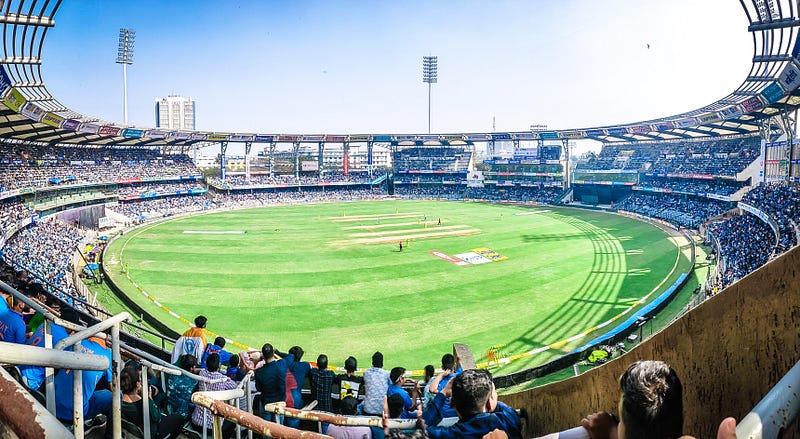
The IPL is one of the most remarkable achievements in the Indian sports industry. For the uninitiated, IPL is a cricket league which has been running since 2008.
The IPL is so popular that even during the pandemic the revenue increased by almost 100% — from $300 million in 2019 to $550 million in 2020
Today, the brand value of IPL stands at an insane mark of $4.7 billion.
If you compare the broadcasting rights of IPL at the world level:
As of 2020, NBA sold its broadcasting rights at $2.1 million per match, wheras the IPL sold it for $8.5 million per match.
The Birth of IPL
This is a story that dates back to 2007. The year was unique in the history of Indian cricket.
- Yuvraj Singh (famous Indian cricketer) had delivered one of the most iconic moments in cricket — six consecutive sixes in a world cup match.
- India won the 2007 T20-World Cup
However very next year itself, the 2008 recession happened. The 2008 crisis costed the global economy close to $2 trillion.
But amidst all of this chaos the Board of Cricket Control of India (BCCI) and Lalit Modi (Indian businessman)spotted some critical market indicators that made the market extremely conducive for a domestic cricketing league:
- India had won the T20 World Cup
- Indians had fallen in love with the new T20 format.
T20 game lasts for only 3 hours making it a easier watch compared to other formats of cricket like ODI which lasts for 8 hours or Test match which lasts for 5 days
- Lastly during the summers Indian audience especially the kids needed something for entertainment.
They tried to model the league around some iconic sports leagues like the English Premier League in England and The NBA.
The business model of IPL

Let us look at the ecosystem and the various stakeholders of IPL
- The first set of people who actually bring the game to life is organizers and administrators. For IPL until 2021 it was a company called IMG and the administrator BCCI
- The next set of stakeholders is the franchisees who participate in the league. They manage the stadiums that provide the venue to play the game.
- The franchisees' rope in the next set of stakeholders who are the players In IPL the players are selected basis an auction with each team having a fixed salary cap.
- One of the most influential stakeholders in the ecosystem are the streaming platforms and the broadcasters
They help the leagues and the players get directly in contact with the lifeblood of the game — fans.
- Lastly, we have the sponsors who want to leverage the viewership to get visibility for their product or services
We also have some additional business running around the IPL such as fantasy sports companies like Dream11
Economics of IPL
The BCCI, uses the league as an asset. It sells media and digital rights for the IPL to broadcasters and streaming platforms.
These broadcasters, in turn, sell ad spaces to brands that wish to get visibility for their products or services.
IPL ad spaces command a considerable price of $20,000–$25,000 for each 10-second window.
Franchise are entitled to around 45% of the money generated through broadcasting rights which are distributed equally among all the franchisees.
Franchisee also earns through commercial sponsorships — for example, a company might pay huge sums to feature their logo on the team’s jersey. BCCI takes a 20% cut of the revenues generated through this
Over the years individual franchisees have also generated huge value.
For example, some of the popular franchisees like Chennai Super Kings and Mumbai Indians are worth $79.5 million $76 million dollars respectively. Even some of the not-so-popular teams like Rajasthan Royals are worth $34.4 million dollars.
In 2020 alone, the Indian Premier League contributed $1,600 million to the GDP of India, and this is just a glimpse of the fast-growing domestic Indian sports industry.
There are several other leagues like — badminton, table tennis, and kabaddi which have started gaining traction in India. If the success of IPL is any sign of things to come, you can rest assured that India will become the next destination for sports in the world.