
1989: When Pepsi Became a Military Power
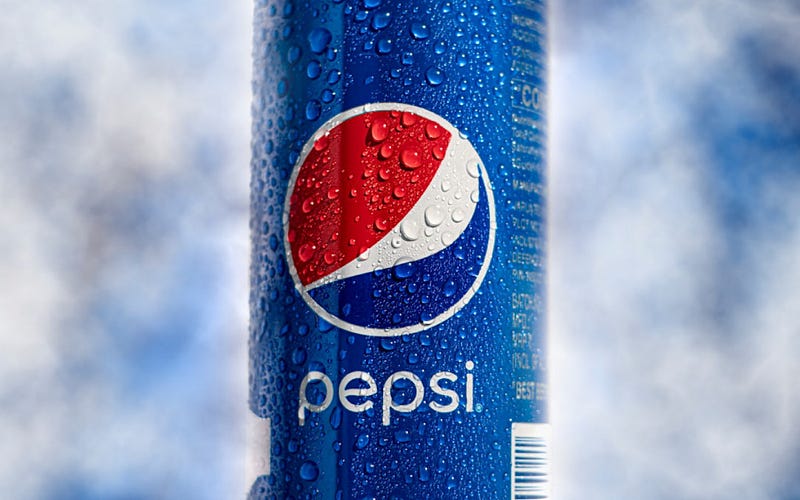
In 1989, an incredible chapter of modern history unfolded under the international spotlight when the Soviet Union and Pepsi Cola found themselves involved in an unprecedented exchange. The USSR, eager to acquire the beloved Western soda, faced a unique economic dilemma. Soviet rubles, indeed, had relatively low value outside the communist bloc, making it challenging for the country to purchase luxury goods like Pepsi Cola.
The solution that emerged was bold and, in many ways, extraordinary: instead of paying with traditional currency, the Soviet Union offered the American company an incredible arsenal of military armaments. The list of armaments offered included no less than 17 submarines, a frigate, a cruiser, and a destroyer. This singular exchange created a huge wave of astonishment and interest worldwide, as a soft drink company became, at least temporarily, a “military power” in the true sense of the word.
With this transaction, Pepsi Cola, primarily known for its refreshing beverage and catchy advertising campaigns, found itself in possession of a fleet of military ships. This remarkable fact led to the birth of a popular joke circulating at the time: that Pepsi Cola had become, for a brief period, the “sixth military power in the world.” This joke, though ironic, highlighted the exceptional and unique nature of this unprecedented transaction.
The impact of this exchange was not limited to the economic sphere but also extended to the geopolitical and cultural realms. Many international observers wondered what the significance of such a statement could be: a soft drink company holding such military power. Some interpreted it as a sign of increasing globalization, while others saw it as a symptom of the growing complexity of international relations during that transitional period between the Cold War and the end of the Soviet era.
For Pepsi Cola, this transaction represented an extraordinary victory from a marketing and advertising perspective. Their brand, already widely recognized worldwide, became the subject of even more attention and curiosity. The story of the incredible exchange with the Soviet Union fueled the narrative around the brand, turning it into a kind of icon of global pop culture.
The incredible exchange between the USSR and Pepsi Cola in 1989 remains one of the most extraordinary and surprising chapters in modern history. This unique event demonstrated how the worlds of business, politics, and culture can play unexpected and overlapping roles. And, of course, it left an indelible mark on the history of one of the most famous carbonated beverage.