1816: A Disastrous Year When Summers Didn’t Come
How soon could it happen again?
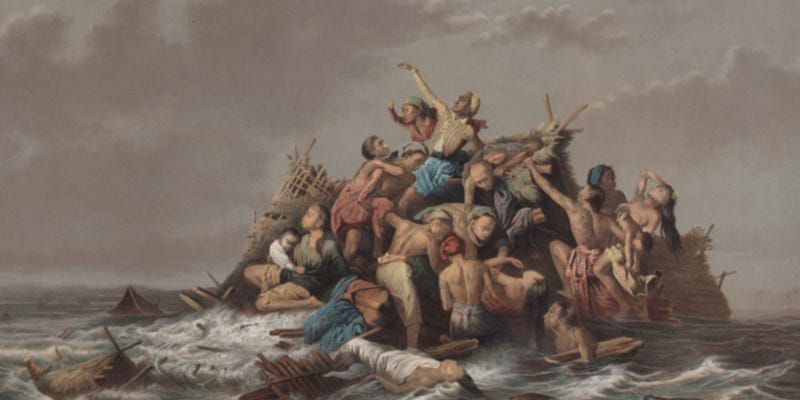
An unprecedented episode that occurred in the year 1816 was one of the most difficult years in the history of humanity.
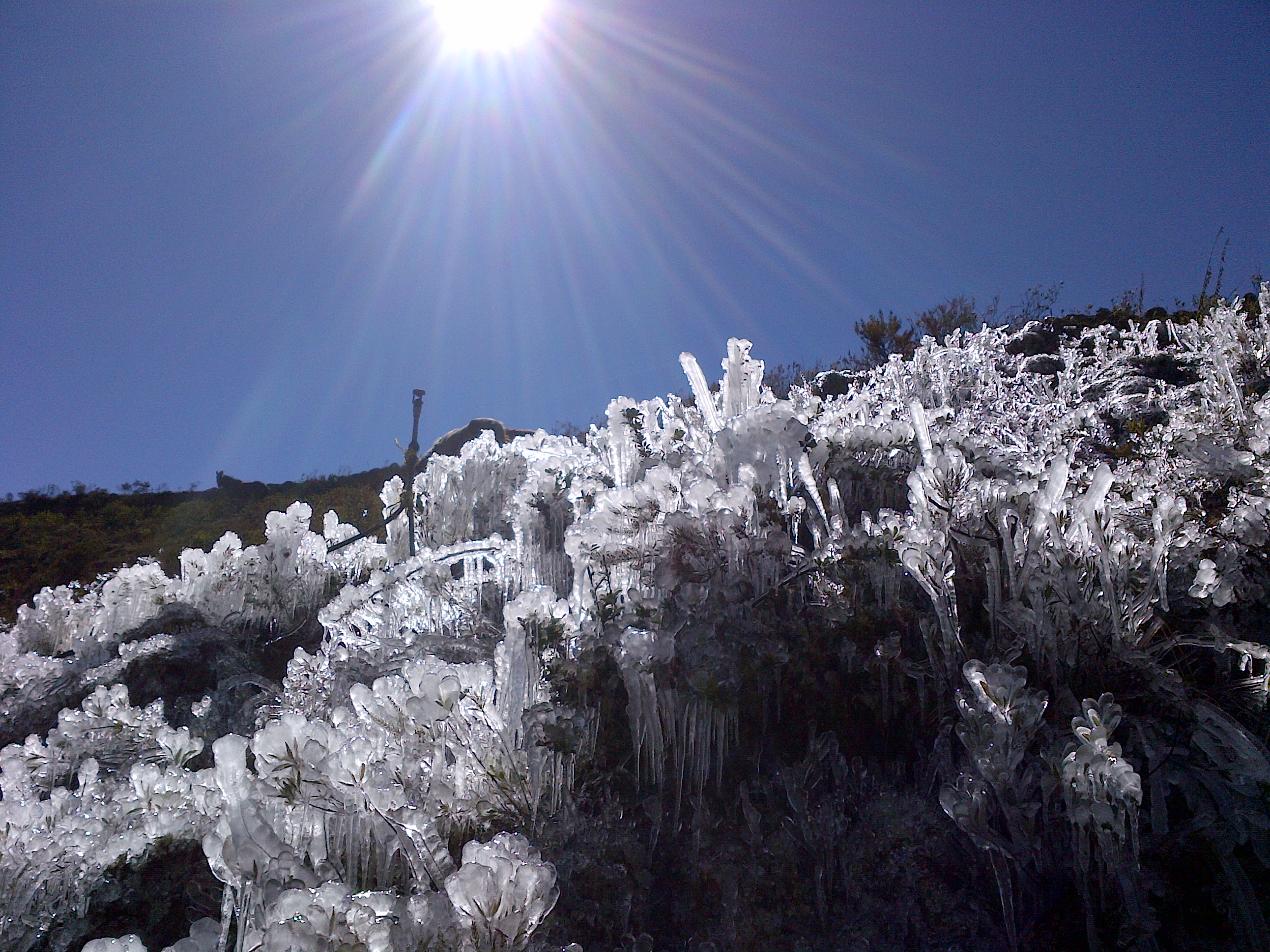
People say 1816 was nothing like they have ever witnessed. It was snowing in June, temperatures below zero in July, and frostbites in August — a year with no summers for most parts of the world, especially Europe and North America.
The event took the people by surprise, and no one was prepared for this unexpected winter, with no food stored, a winter that led to disastrous crops and near famine conditions.
The sudden climate change didn’t just cause food shortages — but it disturbed many major cities’ food and water supply and caused many different diseases.
It was also the cause of an extensive migration of the people looking for shelters to survive the cold and put themselves back together.
Back in the 18th-century, humankind was not as advanced, and it was hard for people to gather or deliver information. This was why people were left flabbergasted and confused by the nature of the event.
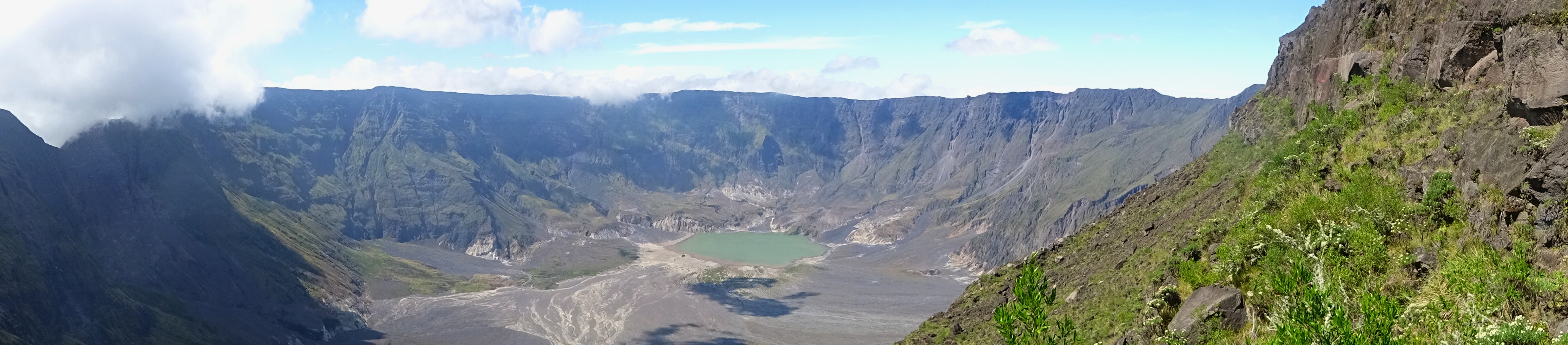
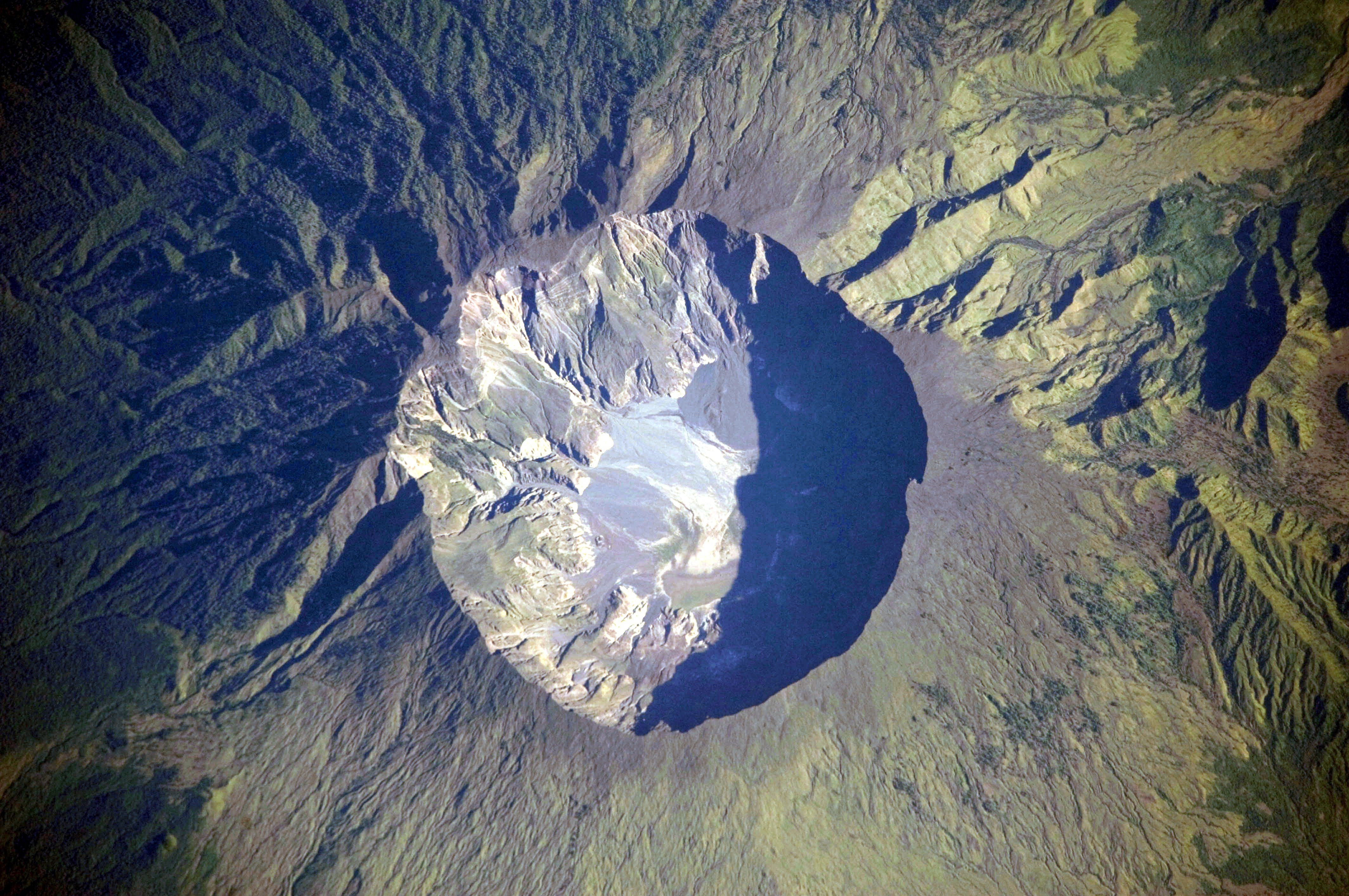
Scientists and Researchers have now found the cause of this catastrophic event was a volcanic eruption from Mount Tambora, situated on the other side of the world in Indonesia.
The eruption of Mount Tambora is considered the biggest volcanic eruption in the history of humankind.
We will try to find a bit more about what effect this year without summer had on different regions and humans of that time. Let’s dig in:
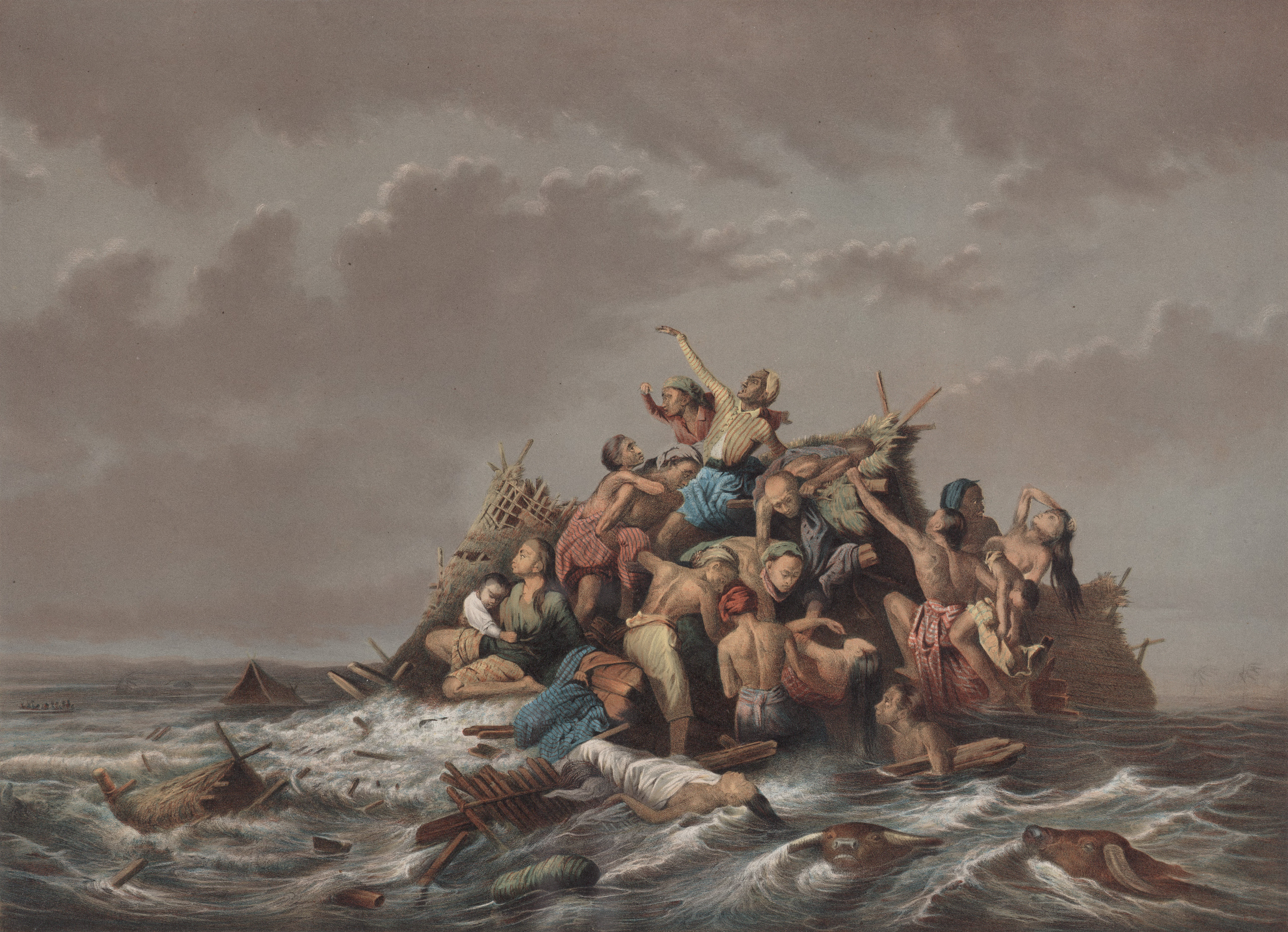
Floods In Asia
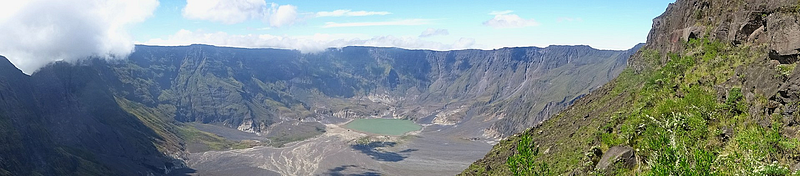
In India, the change in weather patterns brought problems of its own. The delay in summer meant delayed Monsoon rains.
This belated rainfall didn’t only cause floods but much worse — it aggravated cholera spread from northeast India to Russia.
In Japan, life was not affected as severely as in other parts. Japan was already cautious after the Great Tenmei Famine of the late 1700s.
The Japanese reported that only some crops were damaged due to severe cold, and no major failure of crops was reported. Things were pretty much in control, and Japan’s people didn’t have to face any tribulation.
In China, things were not good at all, as the Chinese faced severe famine followed by floods. Monsoon rains were disrupted, resulting in massive floods, and these floods destroyed the remaining crops.
The northernmost area of China was affected by severely cold weather, which further desertified the area — summer snowfall was reported in various regions of China and Taiwan.
Frost In North America
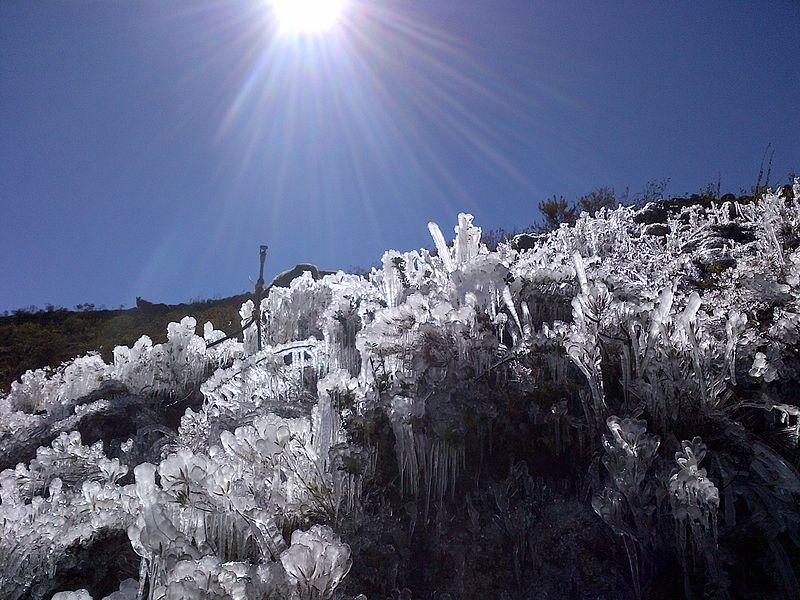
In the United States Of America, the eastern region was hit by a persistent fog, a fog so dense that it dimmed the sunlight to such an extent that the sunspots were visible to the naked eye. No rain or wind helped in dispersing the fog.
The cold weather was not a problem for the people already used to long winters — the scarcity of resources and commodities like wood, food, water, etc., was the real issue.
The cold severely affected the crops, and most of them were destroyed by frost. The effects were much more serious for the people living at the higher elevations where the farmers already had problems in growing any crop, an unexpected spell of snowfall for five days continued and didn’t make things any easier for them.
Severe frost did irreversible damage to the crops all over the USA, and the soaring prices made it very hard for the poor class of the society.
Some farmers managed to bring their crops to full maturity, but the extreme weather made it hard to transport the goods with only a few roads open for traffic, and no railway meant the harvest was bound to stay at the farm.
Riots in Europe
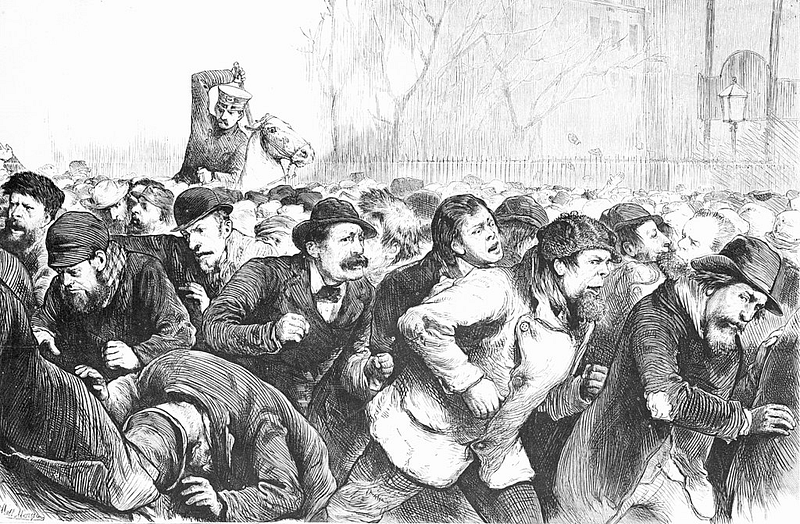
As Europe was recuperating from the Napoleonic Wars and already suffered a food shortage, the volcanic eruption of Mount Tambora made everything much worse.
Heavy rain and extremely low temperatures destroyed the crops and failed harvest. Masses started traveling long distances while begging for food and searching for shelters.
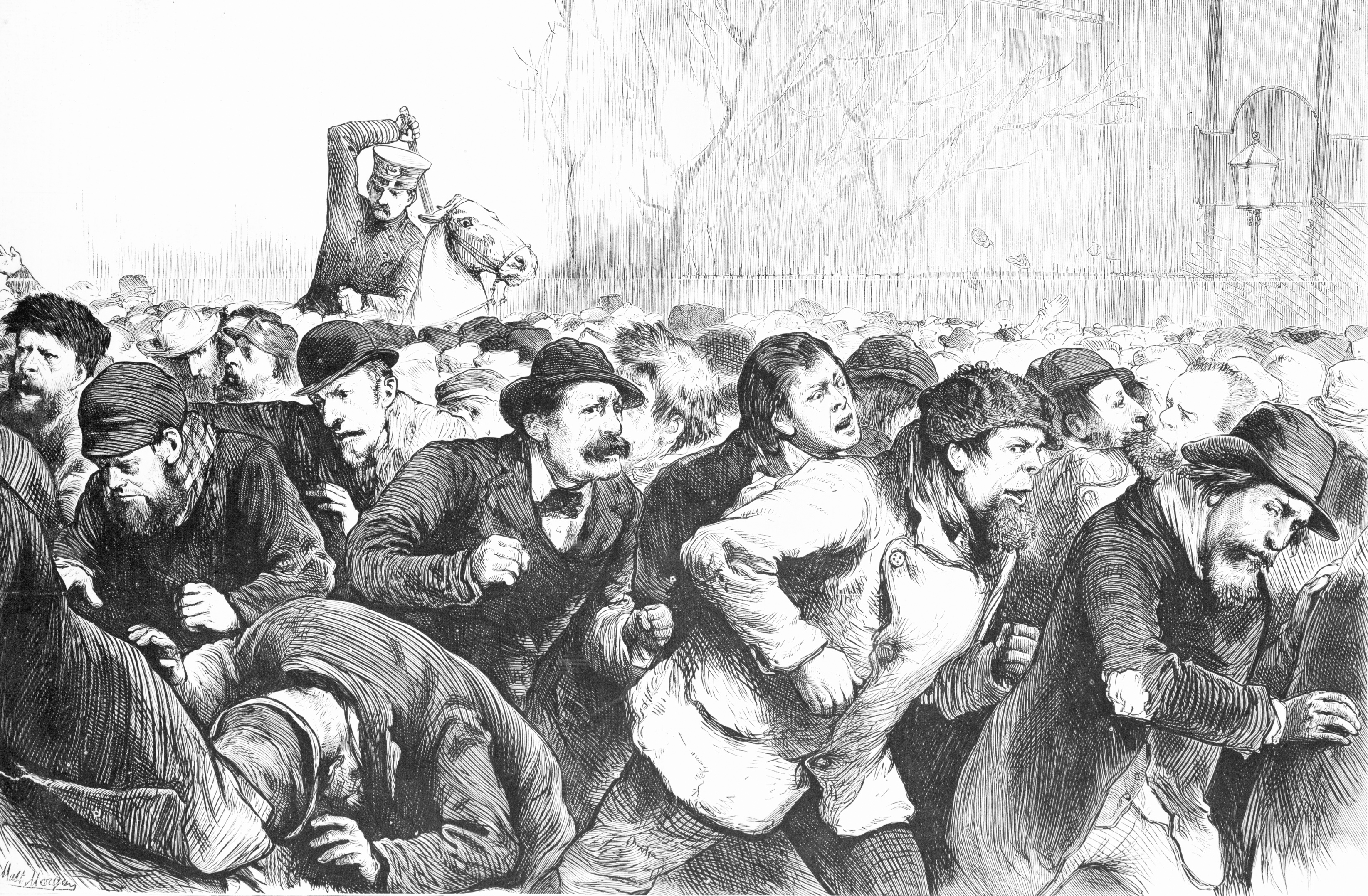
In Germany and across the European countries, food prices soared to new heights, and confusion about the cause of the problems led the people out on the streets.
Demonstrations took place in front of the bakeries and grain markets frequently, and later this turned into riots, firebombing, and looting in most parts of Europe. Hunger riots and violence were to such an extent that Europeans compared it with the French Revolution.
A major typhus epidemic occurred in most parts of Europe. Malnourishment and famine were the main cause of this epidemic — it claimed more than 65,000 lives in Europe.
The Eruption Of Mount Tambora
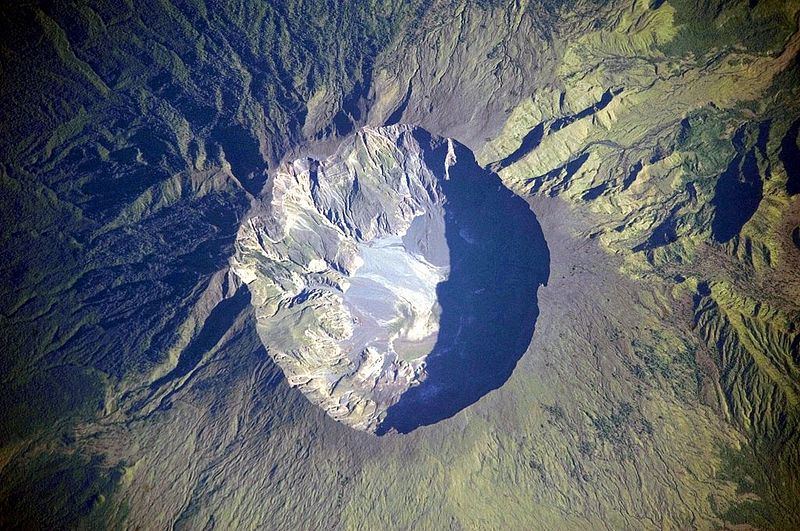
In 1816 the volcanic eruption of Mount Tambora shocked the world, and it was the most powerful blast recorded in history.
It was a planetary catastrophe, and investigators are still trying to understand its repercussions. They now appreciate the role in the agricultural collapse, global pandemics, and extremely cold weather.
Mount Tambora is located in Indonesia, and in the 1800’s it was known as Dutch East Indies. The eruption of Mount Tambora took the lives of tens of thousands of people.
Some were burned alive while flying rocks killed some, or later they died of starvation because of the ash that smothered the crops.
Mount Tambora discharged millions of tons of debris, ash, and sulfur dioxide into the atmosphere, blocking the sun for months, resulting in global weather changes. The temperatures fell by 3 degrees worldwide.
Will Mount Tambora Erupt Again
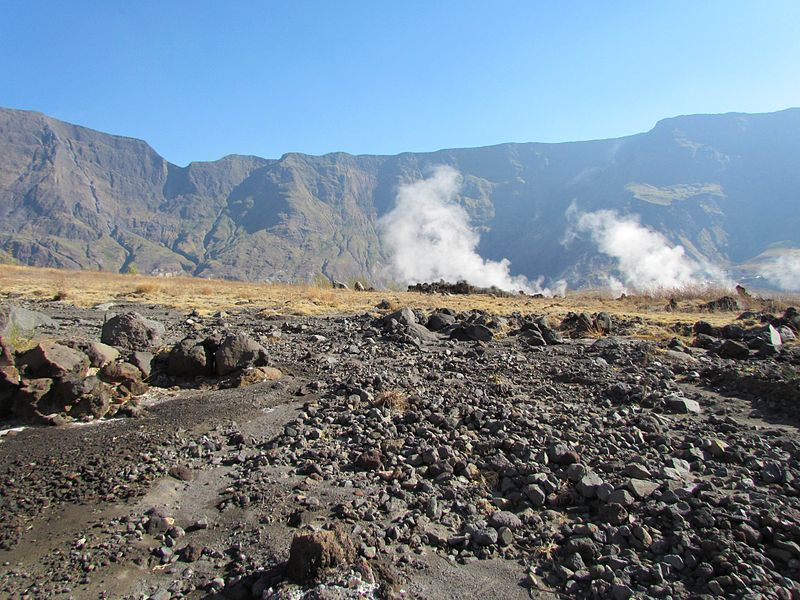
After reading the article this far, you might be thinking, what if Mount Tambora erupted again, and will it erupt? Well, in short, the answer is YES!
Scientists believe Mount Tambora erupted three times before 1816, and it can explode anytime without any significant warnings.
No one can exactly predict when it will burst and how powerful the eruption will be.
Final Words
Volcanoes are an integral part of the geological process on Earth. While some are active and others extinct, they are nature’s force to reckon with.
As far as large-scale eruptions are concerned, like the one in 1815, this could have some positive effects with many negative consequences.
For instance, it could help us slow down the global warming phenomenon, resulting in more room for polar bears, and it would buy us a bit more time which we need to change our lifestyles. On the other hand, we all know of negative ones.
More from the author: