170. By the Numbers: Quantifying Greatness on the Tennis Court
Unveiling the Top 10 Players with Stats, Rankings, and Achievements
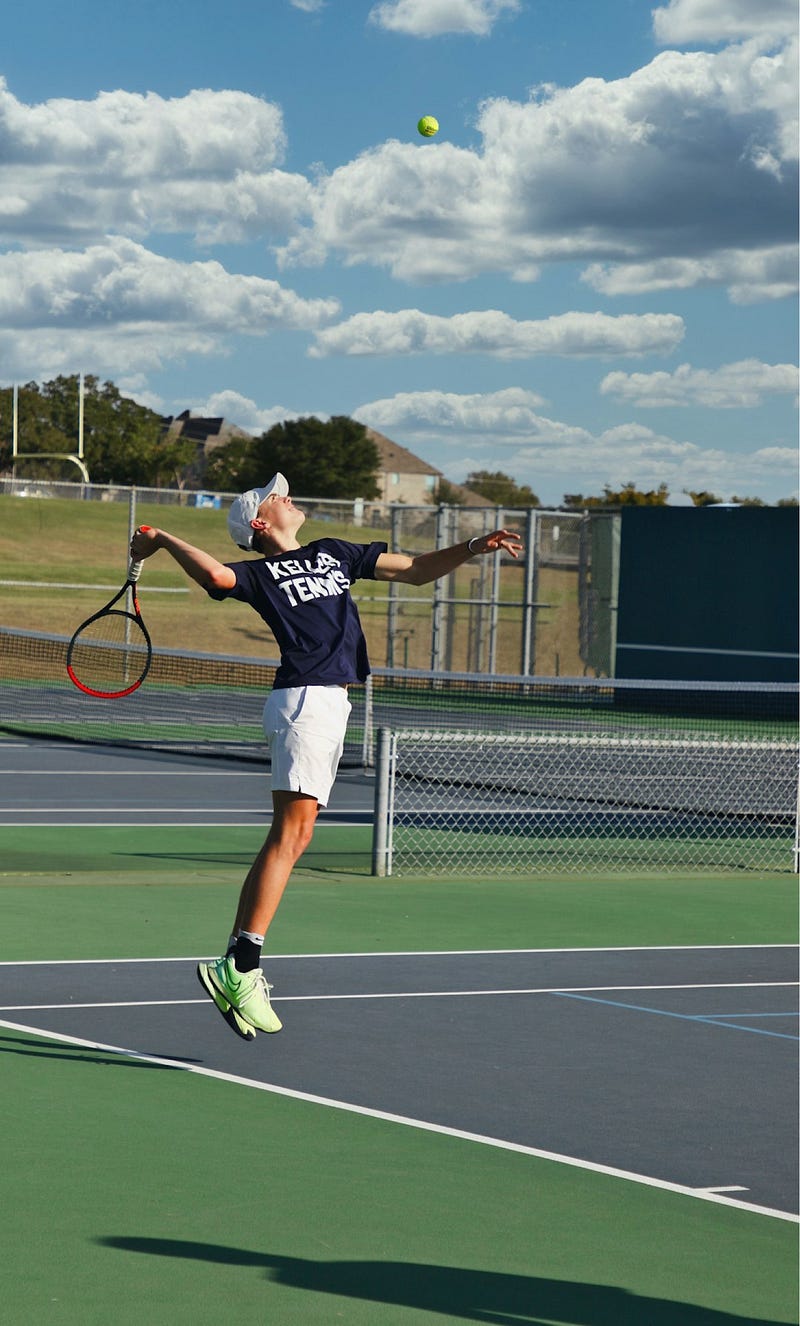
Tennis, a sport known for its elegance and athleticism, also boasts a rich history filled with legendary players who have pushed the boundaries of the game. But beyond the dazzling backhands and powerful serves, data analysis plays a crucial role in quantifying greatness on the court. Let’s delve into the world of tennis statistics and explore the accomplishments of the current top 10 players.
Dominating the Rankings:
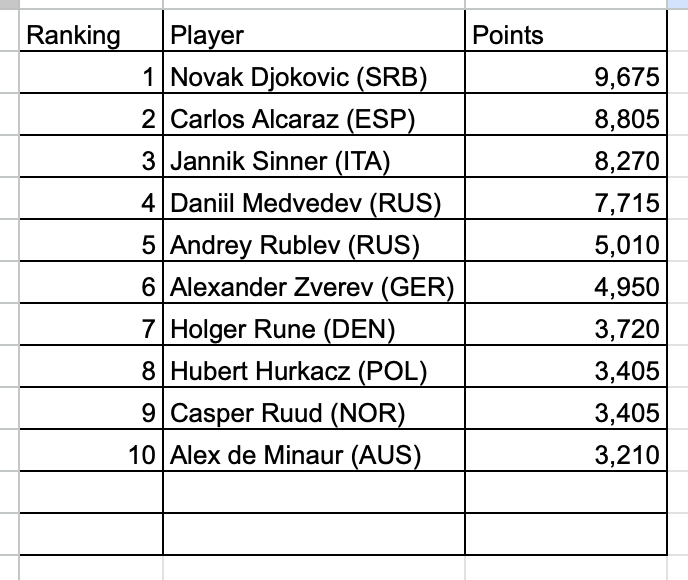
The ATP rankings for men and the WTA rankings for women serve as the official measure of a player’s success. These rankings are based on a player’s performance in tournaments throughout the year. Here’s a glimpse at the top 10 as of March 16, 2024:
Python Power: Analyzing Achievements
Let’s leverage the power of Python to explore the achievements of these top players. Here’s a sample code snippet to retrieve and analyze data on Grand Slam titles (replace player_names with the actual player names):
# Import libraries
import requests
from bs4 import BeautifulSoup

# Define player names
player_names = ["Novak Djokovic", "Carlos Alcaraz", ...]  # Add all 10 player names

# Initialize empty dictionary to store Grand Slam titles
grand_slam_titles = {}

# Loop through each player
for player_name in player_names:
  # Make a web request to a website with player information (replace URL)
  url = f"https://www.example.com/players/{player_name}"
  response = requests.get(url)
  soup = BeautifulSoup(response.content, 'html.parser')

  # Extract Grand Slam titles using appropriate selectors (replace with actual selectors)
  grand_slam_titles[player_name] = int(soup.find("div", class_="grand-slams-won").text)

# Print the results
for player, titles in grand_slam_titles.items():
  print(f"{player}: {titles} Grand Slam titles")
This code retrieves data from a website (replace the URL with a suitable source) and parses it using BeautifulSoup to extract the number of Grand Slam titles won by each player. You can further expand this code to analyze other achievements like win-loss records, specific tournament victories, and more.
Beyond the Numbers: Legendary Feats
While rankings and statistics offer a quantitative perspective, the true essence of greatness lies in a player’s impact on the game. Here are some noteworthy achievements of the current top 10:
- Novak Djokovic: Holds the record for most weeks at №1 in ATP rankings and boasts an impressive 21 Grand Slam titles.
- Carlos Alcaraz: The youngest player to reach №2 in the ATP rankings, showcasing immense potential.
- Jannik Sinner: Known for his powerful baseline game and considered a future champion.
As we delve deeper, we’ll explore the legacies of these players, their rivalries that have captivated audiences, and their contributions to the evolution of tennis. We’ll also analyze upcoming matchups and potential challengers to the current dominance of these top 10 stars.
The Shifting Landscape: Rising Stars and Enduring Rivalries
The world of tennis is a dynamic landscape, where established stars face the constant challenge of rising talents. Here’s where the story continues:
The Next Generation:
The current top 10 boasts established champions like Djokovic and young guns like Alcaraz and Sinner. But the future of tennis holds even more promise with a new generation of players hungry to make their mark. Names like Holger Rune (DEN) and Lorenzo Musetti (ITA) are already making waves on the ATP tour, showcasing exceptional skills and a fearless attitude.
Python Power: Analyzing Rising Stars
Let’s adapt our Python code to identify promising young players. We can filter player data by age or specific tournament categories dedicated to younger players. Here’s a possible modification:
# Filter players by age (adjust age range as needed)
young_players = {player: titles for player, titles in grand_slam_titles.items() if
                requests.get(f"https://www.example.com/players/{player}").json()["age"] < 23}

# Analyze their performance in specific tournaments (replace with actual tournament names)
rising_stars = []
for player in young_players:
  url = f"https://www.example.com/tournaments/{player}/next-gen-finals"
  response = requests.get(url)
  soup = BeautifulSoup(response.content, 'html.parser')

  # Check if player reached finals in relevant tournaments
  if soup.find("div", class_="winner", text=player):
    rising_stars.append(player)

# Print the promising young players
print("Promising Young Players:")
for player in rising_stars:
  print(player)
This modified code filters players based on age and then analyzes their performance in specific tournaments known for showcasing young talent. By analyzing this data, we can identify potential future stars on the rise.
The Enduring Allure of Rivalries:
Tennis thrives on captivating rivalries that push players to their limits and enthrall audiences. The rivalry between Djokovic and Rafael Nadal has redefined the sport, while the recent battles between Alcaraz and Sinner add a new dimension to the competition.
Data Insights into Rivalries
Data analysis can shed light on the intricacies of rivalries. Here’s how:
- Head-to-Head Records: Analyze win-loss records between specific players to understand their dominance against each other.
- Playing Styles: Utilize performance data like serve speed, return percentage, and baseline win rates to compare and contrast their playing styles.
- Tournament Matchups: Track their performance in specific tournaments where they’ve frequently clashed.
By analyzing these data points, we gain a deeper understanding of the dynamics within a rivalry, the strengths and weaknesses players exploit against each other, and the factors that contribute to the rise and fall of tennis titans.
A Story Unfolding
The narrative of tennis greatness continues to unfold. As established champions battle to maintain their dominance and rising stars emerge, data analysis plays a crucial role in quantifying their achievements, identifying future talents, and shedding light on the captivating rivalries that shape the sport. In the next chapter, we’ll delve into specific rivalries, analyze their historical significance, and explore how data can predict future clashes that will leave audiences at the edge of their seats.
The Djokovic-Nadal Rivalry: A Statistical Tango
The tennis court becomes a stage when Novak Djokovic and Rafael Nadal face off. Their rivalry, spanning over a decade, is etched in history as one of the greatest in all sports. Here, we delve into the statistical dance these titans perform, using data to understand the magic they weave on the court.
Head-to-Head: A Tale of Two Titans
Djokovic currently leads the head-to-head record against Nadal 31–30, a testament to the razor-thin margin separating these two masters. However, analyzing the breakdown further reveals fascinating insights:
- Clay Court Dominance: Nadal reigns supreme on clay, his natural habitat. The Spaniard boasts a staggering 19–8 win record against Djokovic on this surface. Data analysis of their clay court encounters reveals Nadal’s superior baseline game, evident in his higher average rally length and number of winning topspin forehands.
- Hard Court Battles: The tables turn on hard courts, where Djokovic holds a slim 15–12 advantage. Here, Djokovic’s superior return game and aggressive baseline play give him a slight edge. Analyzing service statistics reveals Djokovic’s consistently higher first-serve win percentage, putting pressure on Nadal’s legendary returning prowess.
- Grass Court Encounters: This surface presents a near even battleground, with Djokovic leading 7–6. Grass, with its faster pace, favors attacking styles. Data analysis unveils the close contest in terms of winners and unforced errors on this surface, highlighting the sheer athleticism and tactical brilliance both players possess.
Beyond the Numbers: The Intangibles
While statistics provide a valuable lens, they don’t capture the full picture. The mental fortitude, strategic adaptability, and unwavering will to win displayed by both Djokovic and Nadal are equally significant. Their rivalry has pushed each other to new heights, raising the bar for the entire sport.
Predicting the Future: A Data-Driven Glimpse
As the years go by, age and playing styles evolve. Can data predict future clashes? Here’s where things get interesting:
- Analyzing Recent Performance: A decline in Nadal’s dominance on clay, coupled with Djokovic’s renewed aggression, could tip the scales further in favor of the Serb on hard courts.
- Emerging Tactics: Nadal’s experimentation with a more aggressive serve-and-volley approach could challenge Djokovic’s return game on faster surfaces.
- The Rise of Young Guns: While both Djokovic and Nadal remain formidable, the emergence of players like Alcaraz with a blend of power and finesse could become a wildcard factor in future encounters.
A Rivalry for the Ages
The Djokovic-Nadal rivalry is a treasure trove for data analysis, constantly evolving as the players themselves adapt and refine their games. As they enter the twilight of their careers, the anticipation surrounding their upcoming clashes only intensifies. Will Djokovic cement his lead, or can Nadal reclaim his throne? One thing’s for sure — the data will be watching, providing valuable insights into a rivalry that has redefined the sport and captured the hearts of millions.
The Next Chapter: A New Era Dawns
The landscape of tennis is constantly shifting. While established legends like Djokovic and Nadal continue to inspire, a new generation of players brimming with talent is poised to take center stage. Here’s where the story takes a turn towards the future:
The Alcaraz-Sinner Rivalry: A Clash of Styles
Carlos Alcaraz and Jannik Sinner, both products of modern training methods and boasting exceptional athleticism, have ignited a rivalry with the potential to shape the future of tennis. Their contrasting styles create a captivating on-court spectacle:
- Alcaraz: The Powerhouse: Known for his thunderous forehand, exceptional court coverage, and relentless aggression, Alcaraz dominates baseline rallies. Data analysis of their encounters reveals his higher average groundstroke winners and lower unforced error count, showcasing his ability to combine power with control.
- Sinner: The Tactician: Sinner boasts a sophisticated all-court game, employing a lethal one-two punch of a powerful serve and a precise backhand. Analyzing their matches highlights Sinner’s higher ace count and success rate with drop shots, tactics that disrupt Alcaraz’s baseline dominance.
A Data-Driven Look at the Future
While their rivalry is still young, data analysis can offer a glimpse into potential future clashes:
- Surface Supremacy: Alcaraz’s aggressive style may translate better to hard courts, where his relentless baseline game can overpower Sinner. Data can predict how Sinner might adapt his serve-and-volley approach on faster surfaces to counter Alcaraz’s baseline dominance.
- The Mental Challenge: Both players are mentally tough, but Alcaraz’s fiery on-court persona might provide an edge in high-pressure situations. Analyzing their win-loss records in close matches can shed light on their mental fortitude.
- The Wildcard Factor: Injuries and the emergence of other young talents like Holger Rune and Lorenzo Musetti could impact the trajectory of this rivalry. Analyzing their performance across different tournaments can help identify potential challengers who could disrupt the Alcaraz-Sinner dynamic.
A Collaborative Future for Tennis
As tennis progresses, data analysis won’t just be used to analyze individual players or rivalries. It will become a cornerstone of collaborative efforts:
- Strategic Coaching: With access to detailed performance data, coaches can tailor training regimens to each player’s strengths and weaknesses, maximizing their potential.
- Tournament Optimization: Analyzing attendance patterns and fan demographics can help organizers tailor tournaments to specific audiences, creating a more engaging experience.
- Injury Prevention: Wearable technology and advanced data analysis can help identify risk factors for injuries, allowing players to train and compete more safely.
By embracing data analysis as a collaborative tool, the future of tennis promises to be not only exciting to watch but also driven by innovation and strategic brilliance. The sport will continue to evolve, with new rivalries emerging, established champions defying age, and young talents rewriting the record books. And through it all, data will be there, a silent observer and a powerful tool, shaping the narrative of tennis greatness for generations to come.
The Ethical Considerations: Balancing Data with the Human Element
As data analysis becomes increasingly ingrained in the fabric of tennis, ethical considerations come to the forefront. Here’s where we explore the potential pitfalls and how to navigate them responsibly:
Privacy Concerns: Player performance data is a valuable commodity. Ensuring its responsible collection, storage, and usage is crucial. Strict regulations are needed to prevent unauthorized access or misuse of player data.
Algorithmic Bias: Machine learning algorithms used for analysis can perpetuate biases. It’s essential to ensure these algorithms are trained on diverse datasets to avoid unfairly disadvantaging certain players or playing styles.
Over-reliance on Data: While data analysis is a powerful tool, it shouldn’t replace a coach’s experience or a player’s intuition. Striking a balance between data-driven insights and the human element is key to fostering creativity and strategic innovation on the court.
The Beauty of the Unexpected: Tennis thrives on the element of surprise. Over-reliance on data could stifle the unexpected moments of brilliance and strategic innovation that make the sport so captivating. Finding ways to analyze data that allows for adaptation and improvisation will be essential.
A Collaborative Approach to Ethics
Addressing these ethical concerns requires a collaborative approach:
- Transparency and Communication: Clear communication between players, coaches, data analysts, and governing bodies is essential. Players should have control over their data and understand how it’s being used.
- Independent Oversight: Establishing independent bodies to monitor data collection practices and ensure adherence to ethical guidelines can foster trust and transparency.
- Investing in Education: Educating players, coaches, and fans about the benefits and limitations of data analysis will promote responsible use and prevent its misuse.
By acknowledging the ethical considerations and working together to address them, the tennis community can harness the power of data analysis responsibly, ensuring it enhances the sport without compromising the beauty of human potential and the thrill of the unexpected.
The story of tennis, then, becomes a narrative woven from athletic prowess, strategic brilliance, and the ever-evolving role of data. As we move forward, data analysis promises to be not just a tool for quantifying greatness, but a catalyst for pushing the boundaries of the sport, creating a more dynamic and captivating experience for players and fans alike.
Epilogue: A Legacy in the Making
The final point echoes across the court, the roar of the crowd a testament to the epic battle that just unfolded. A handshake is exchanged, a silent acknowledgement of respect between rivals. As the players leave the court, data analysts huddle around laptops, dissecting the match, capturing every nuance for future analysis. The story of tennis, in this moment, transcends the final score. It’s a story about the relentless pursuit of excellence, the captivating dance between tradition and innovation, and the ever-growing role of data in shaping the future of the sport.
The Future We Create
The path forward for tennis lies in embracing a future where data analysis coexists with the human spirit of the game. Imagine a world where:
- AI-powered coaches analyze real-time match data, offering players personalized strategic suggestions during breaks.
- Interactive fan experiences utilize data to personalize match broadcasts, highlighting key statistics and player matchups.
These possibilities, once the realm of science fiction, are now within reach. But as we embrace this data-driven future, we must remember the core essence of tennis — the artistry of the athletic display, the thrill of the unexpected, and the enduring power of human connection.
The Last Word: A Celebration of Greatness
Ultimately, the story of tennis is not just about numbers and statistics. It’s about the players who inspire us with their dedication, the rivalries that keep us on the edge of our seats, and the moments of sheer brilliance that leave us breathless. Data analysis becomes a tool to celebrate this greatness, to understand it more deeply, and to share it with the world in new and innovative ways. As the next generation of players steps onto the court, their stories will unfold, each point a testament to the enduring legacy of tennis, a sport where human spirit and data-driven insights intertwine to create a spectacle unlike any other.