avatarJackie Schuld

Free AI web copilot to create summaries, insights and extended knowledge, download it at here

2289

Abstract

p id="4d8c">I went through a whole phase where I was just interested in dots and small brush strokes. Sometimes, limitations help spur our creativity.</p><figure id="0256"><img src="https://cdn-images-1.readmedium.com/v2/resize:fit:800/1*1FujuIkzEP-PQ2Fr0T8Ndw.jpeg"><figcaption></figcaption></figure><h1 id="1828">7. Use painters tape</h1><p id="1782">Painter’s tape can be a great way to section off a portion of your painting while you add more complex layers.</p><figure id="d9a2"><img src="https://cdn-images-1.readmedium.com/v2/resize:fit:800/1*O2y95H43M3g9sGKU8jgkwA.jpeg"><figcaption></figcaption></figure><h1 id="5a4e">8. Use shapes as negative space</h1><p id="48c3">Sometimes it’s fun to paint another layer on a painting by tracing out objects. In this one, I traced out leaves that reveal the layer beneathe.</p><figure id="58a1"><img src="https://cdn-images-1.readmedium.com/v2/resize:fit:800/1*4Abb8PJrjr0j2WALq4-g_w.jpeg"><figcaption></figcaption></figure><h1 id="c5c4">9. Use gel medium</h1><p id="e5b1">You can purchase a thickening gel medium that you mix with your paint to create a thickening effect. I used it in the white edges of my painting below.</p><figure id="bb55"><img src="https://cdn-images-1.readmedium.com/v2/resize:fit:800/1*CASyJwXiEWvTnO9cgP3xXA.jpeg"><figcaption></figcaption></figure><h1 id="516b">10. Use paper towels and tissues</h1><p id="268c">In this painting I first painted a wet layer of paint. I then placed tissues and paper towels on top. I then painted a layer over them. They add great texture and dimension to a painting.</p><figure id="49f1"><img src="https://cdn-images-1.readmedium.com/v2/resize:fit:800/1*7coniUikPqPl0Cn8b67C5A.jpeg"><figcaption></figcaption></figure><h1 id="c8a6">11. Drip your paint</h1><p id="51d7">If you mix your paint with a little bit of water, you can have it drip down your canvas. You can even tilt your canvas different ways to let your drips go different directions.</p><figure id="675e"><img src="https://cdn-images-1.readmedium.com/v2/resize:fit:800/1*vCU4pv8x0V_nn8o3WJiH-w.jpeg"><figcaption></figcaption></figure><h1 id="24e0">12. Add paper</h1><p id="55df">I love to rip out magazine pieces — usually those with interesting colors — and then paste them to my paintings. Sometimes I also add words.<

Options

/p><figure id="45b1"><img src="https://cdn-images-1.readmedium.com/v2/resize:fit:800/1*sRpW45Ti2j5l6Wnyr1s5rw.jpeg"><figcaption></figcaption></figure><h1 id="11f5">13. Try puff paint</h1><p id="40e9">Puff paint can be lots of fun for adding a thick outline.</p><figure id="1337"><img src="https://cdn-images-1.readmedium.com/v2/resize:fit:800/1*m4xHeuDwfAJmifKVIhMnyw.jpeg"><figcaption></figcaption></figure><h1 id="d30e">14. Fling your paint</h1><p id="b23c">Getting physical with your paint not only feels great, it creates some cool effects.</p><figure id="5ef7"><img src="https://cdn-images-1.readmedium.com/v2/resize:fit:800/1*H3OTUSjYENFPGUAigHgHOw.jpeg"><figcaption></figcaption></figure><h1 id="fc62">15. Sew into your canvas</h1><p id="429f">That’s right, you can sew into your canvas. I recommend using embroider thread.</p><figure id="1cf3"><img src="https://cdn-images-1.readmedium.com/v2/resize:fit:800/1*QOdZiQpe8fY_HUa93vzZnA.jpeg"><figcaption></figcaption></figure><h1 id="9558">16. Recycle materials into your painting</h1><p id="e0b6">I feel bad for the amount of plastic I use, especially my paint bottles. In this painting, I experimented with cutting up my old paint bottles and gluing them into the painting.</p><figure id="86d5"><img src="https://cdn-images-1.readmedium.com/v2/resize:fit:800/1*urHKTfP6jM4vsTgJDHMkJA.jpeg"><figcaption></figcaption></figure><h1 id="c301">17. Add natural materials</h1><p id="54bb">I added rose petals in this painting. You can also see multiple layers in which I used other textures like leaves, twigs, and dirt.</p><figure id="5b47"><img src="https://cdn-images-1.readmedium.com/v2/resize:fit:800/1*hGkMe8hG1N7P58XeyAqdyA.jpeg"><figcaption></figcaption></figure><p id="10ae">I’d love to hear or see any of your recommendations as well! Just drop me a link to your art in the comments. I’m always looking for new ways to experiment!</p><p id="102e"><i>Thank you for reading. If you’d like to read more, you can <a href="https://www.jackieschuld.com/newsletter">sign up for my FUNletter</a> or <a href="https://www.jackieschuld.com/books">check out my books.</a></i></p><figure id="7fc2"><img src="https://cdn-images-1.readmedium.com/v2/resize:fit:800/1*8LNb-7Y87xSCaNaXGJ3zTw.jpeg"><figcaption></figcaption></figure></article></body>

17 new things to try the next time you make an abstract painting

Abstract art is my absolute favorite thing to paint. I love it because I can express the complex emotions and thoughts within me that are hard to verbalize.

Art is also a way for me to self-regulate and experience joy.

I love experimenting with different materials and techniques. It’s fun to try something new.

Here are some of things I’ve tried.

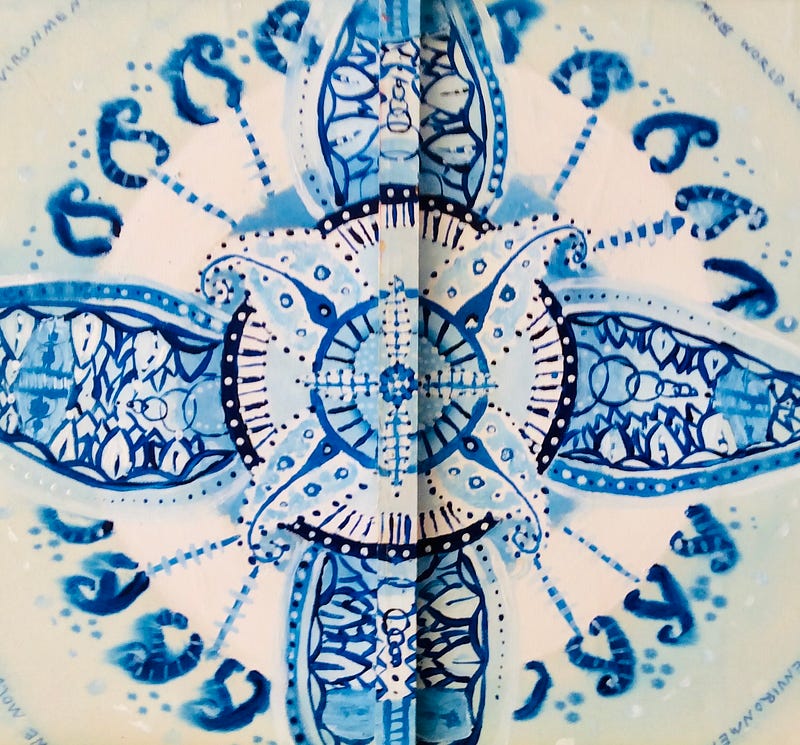
1. Flip the canvas over and paint on the back

It’s really fun to incorporate the wood frame. This painting’s frame had a piece of wood down the middle, and so I used it!
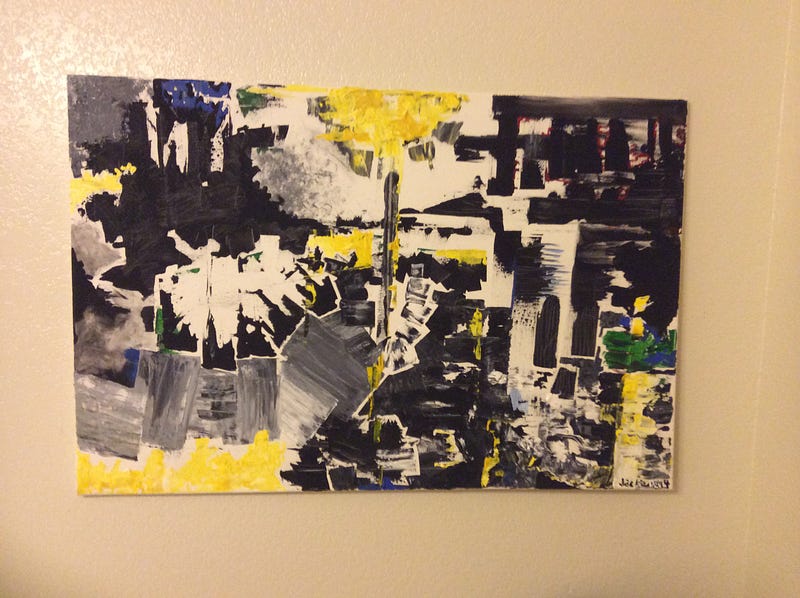
2. Use a spatula to paint

A spatula, palette knife, or any other “tool” from your kitchen can be great fun to paint with! That’s how I made this painting:
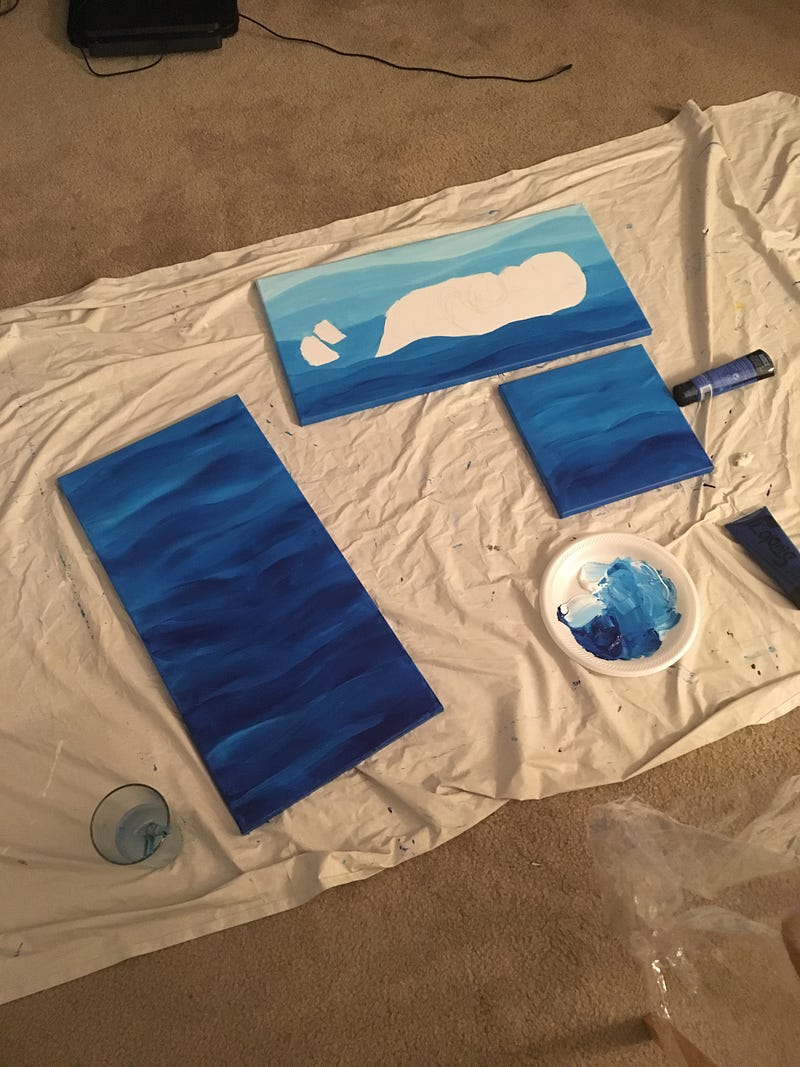
3. Paint on multiple pieces

If you’re feeling like going monochromatic or focusing more on colors, it can be fun to paint multiple canvases that will be hung together.
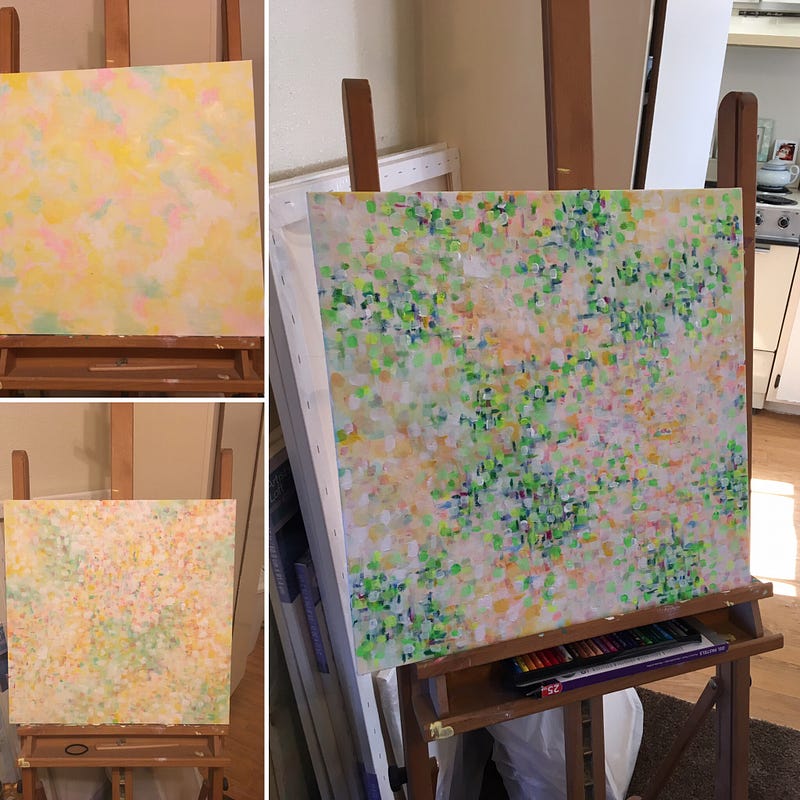
4. Add layer upon layer

I love working on a painting, putting it aside for days, and then coming back to add more layers on top. Here’s a painting that evolved with many laters.
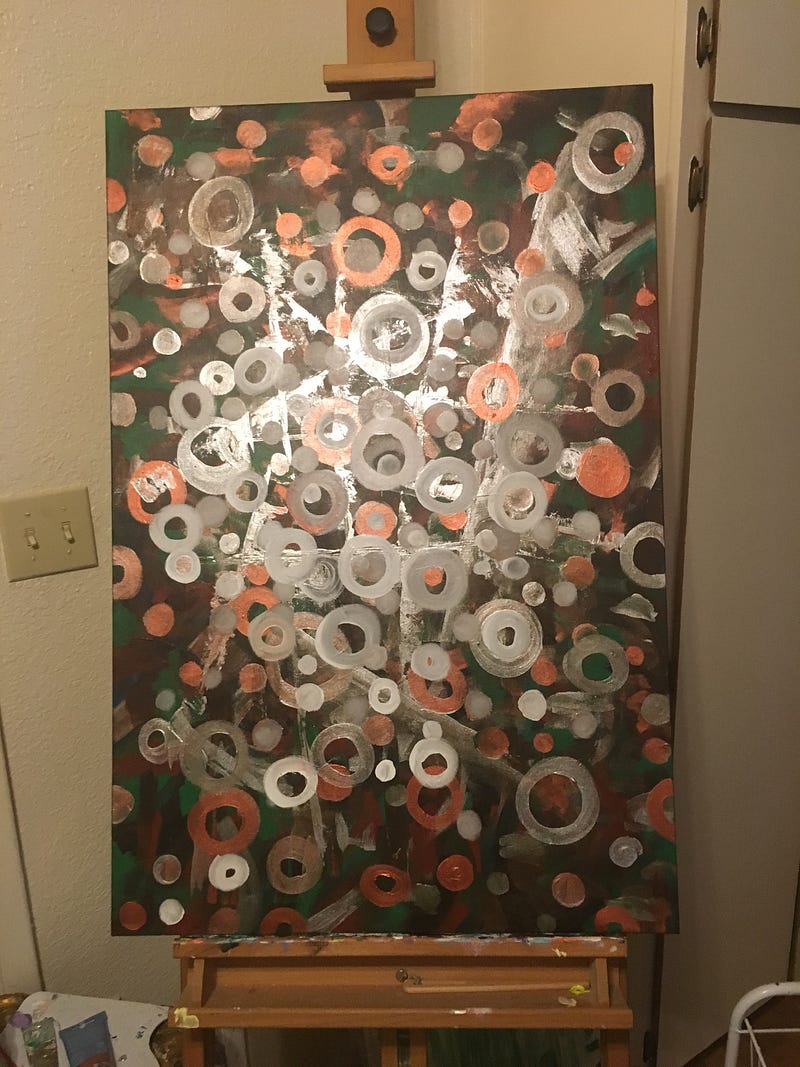
5. Use metallic paints

Metallic paints can create great depth, as well as make your painting look different from different angles due to the light reflection.
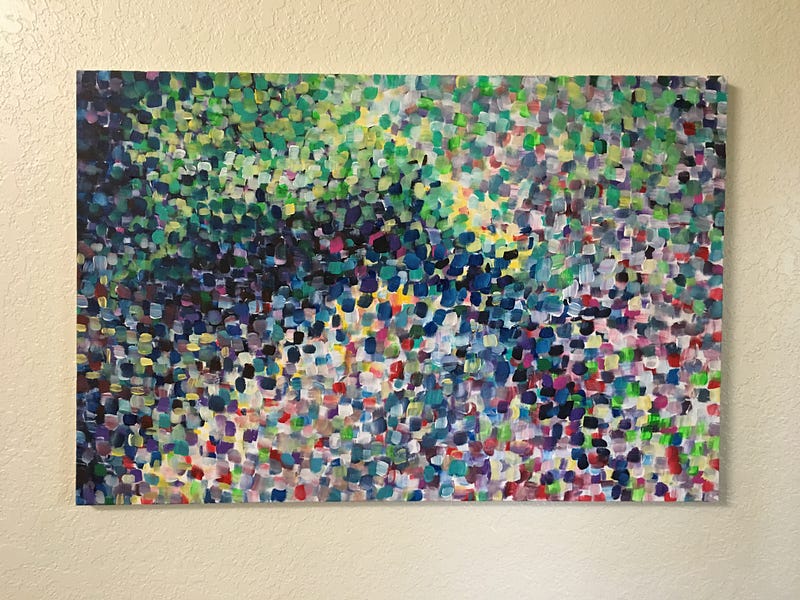
6. Paint only with dots!

I went through a whole phase where I was just interested in dots and small brush strokes. Sometimes, limitations help spur our creativity.
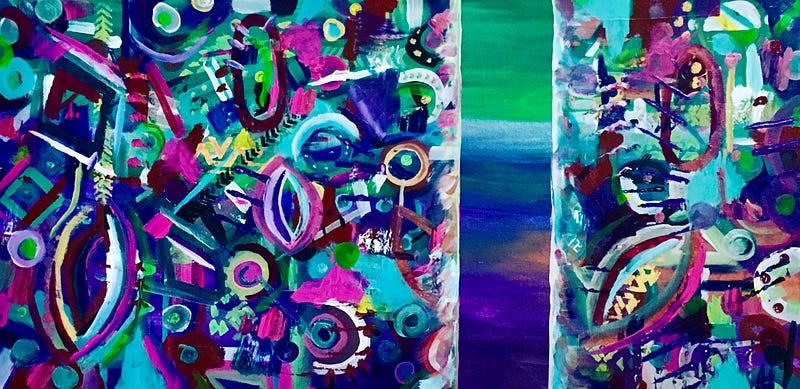
7. Use painters tape

Painter’s tape can be a great way to section off a portion of your painting while you add more complex layers.
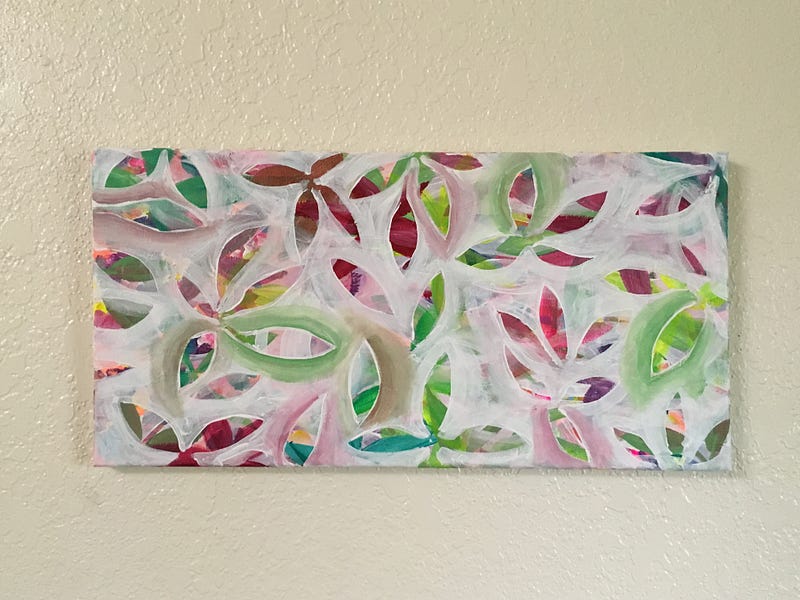
8. Use shapes as negative space

Sometimes it’s fun to paint another layer on a painting by tracing out objects. In this one, I traced out leaves that reveal the layer beneathe.
9. Use gel medium

You can purchase a thickening gel medium that you mix with your paint to create a thickening effect. I used it in the white edges of my painting below.
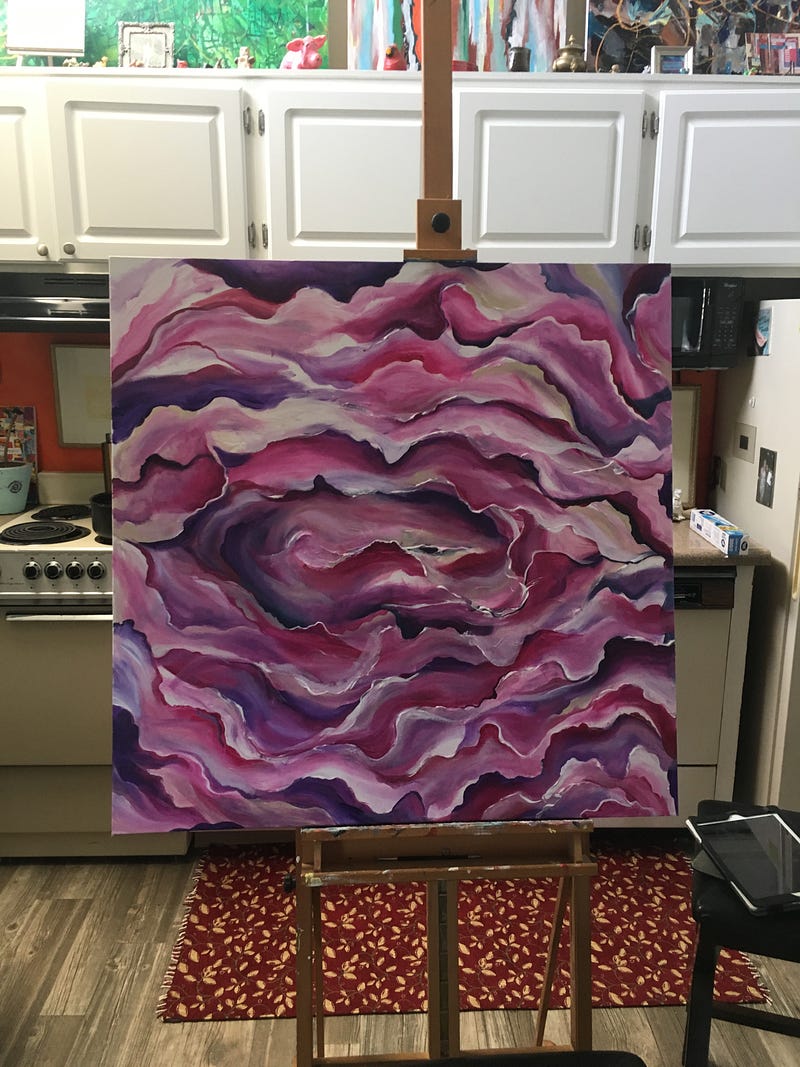
10. Use paper towels and tissues

In this painting I first painted a wet layer of paint. I then placed tissues and paper towels on top. I then painted a layer over them. They add great texture and dimension to a painting.
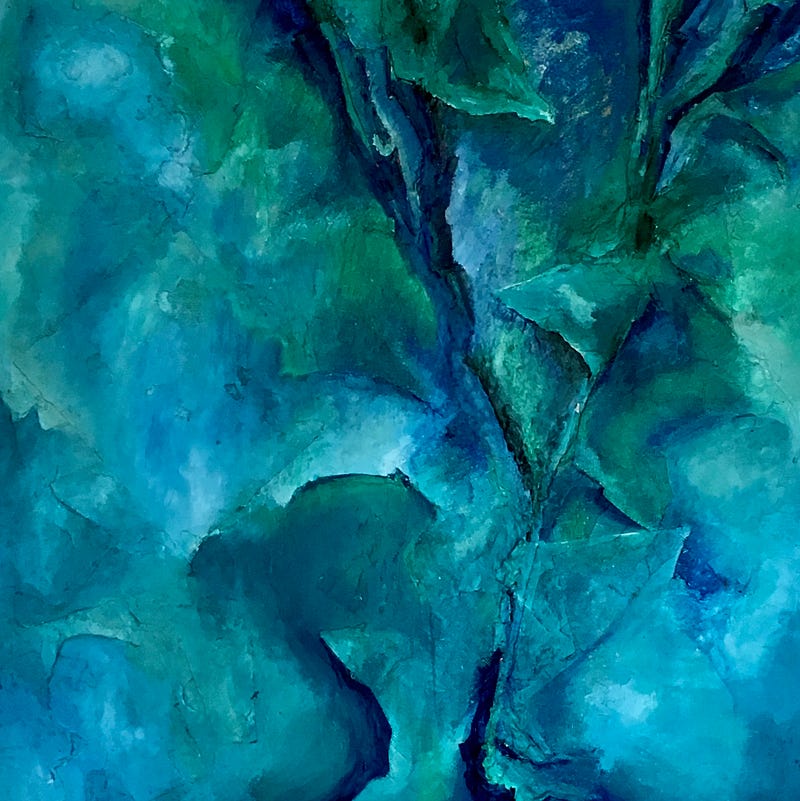
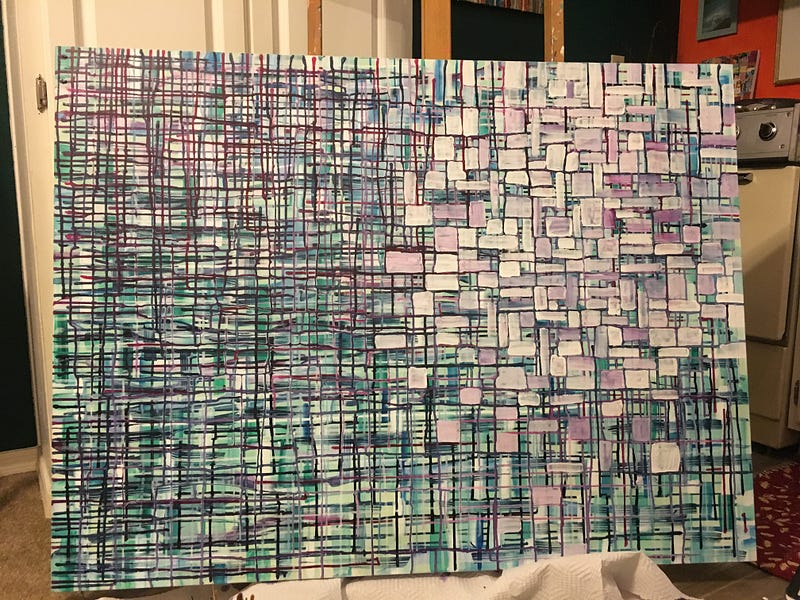
11. Drip your paint

If you mix your paint with a little bit of water, you can have it drip down your canvas. You can even tilt your canvas different ways to let your drips go different directions.
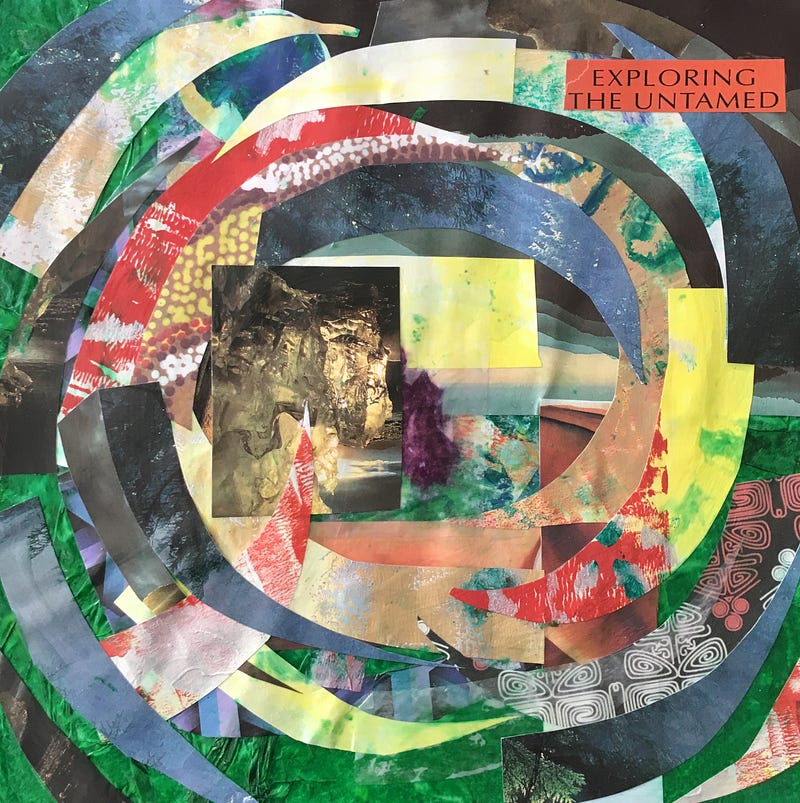
12. Add paper

I love to rip out magazine pieces — usually those with interesting colors — and then paste them to my paintings. Sometimes I also add words.
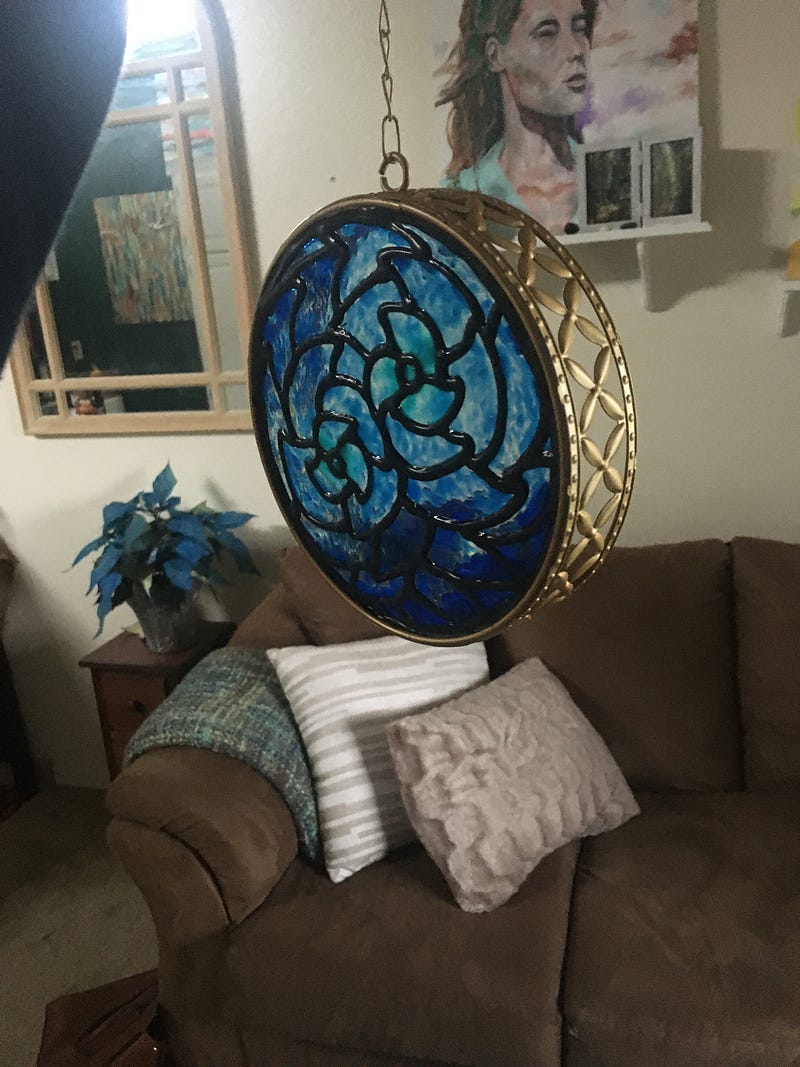
13. Try puff paint

Puff paint can be lots of fun for adding a thick outline.
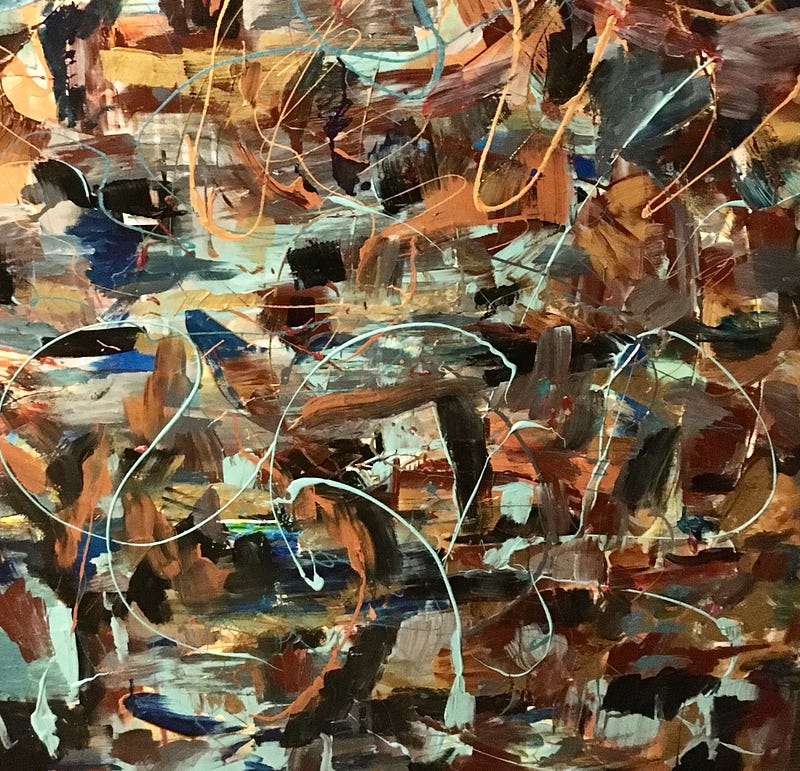
14. Fling your paint

Getting physical with your paint not only feels great, it creates some cool effects.
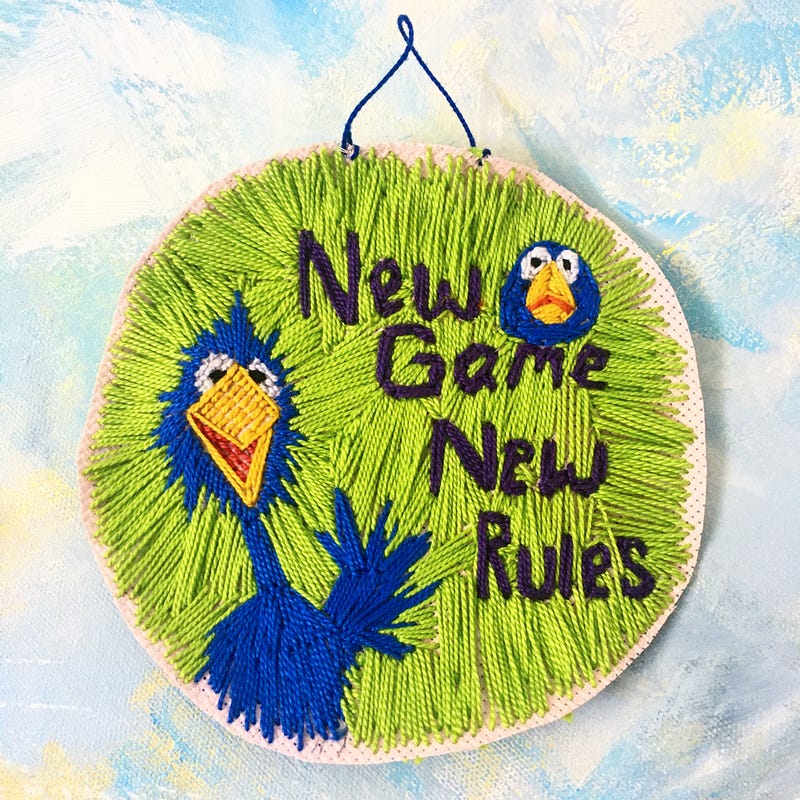
15. Sew into your canvas

That’s right, you can sew into your canvas. I recommend using embroider thread.
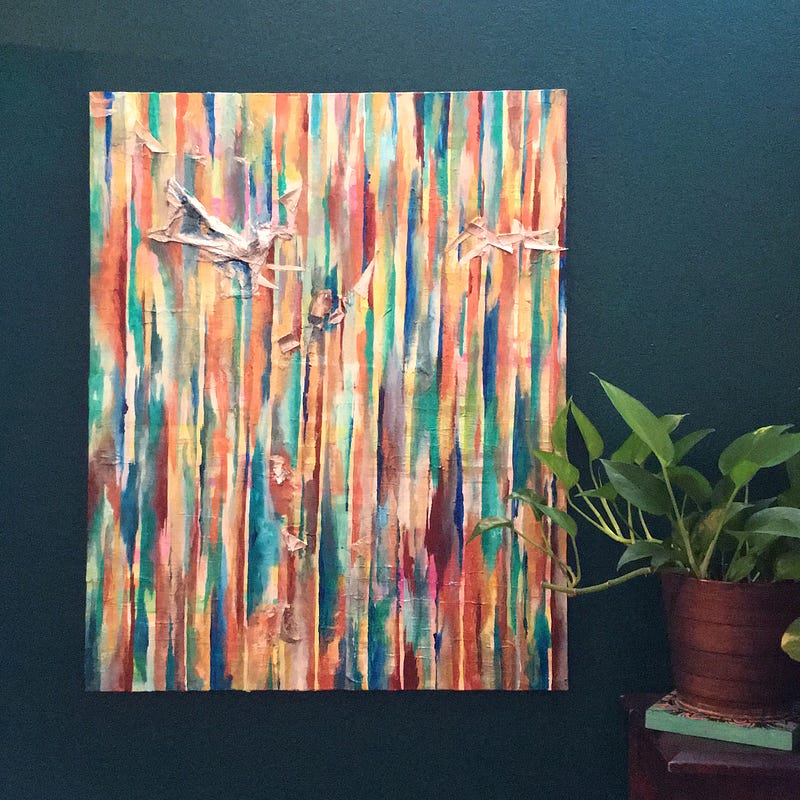
16. Recycle materials into your painting

I feel bad for the amount of plastic I use, especially my paint bottles. In this painting, I experimented with cutting up my old paint bottles and gluing them into the painting.
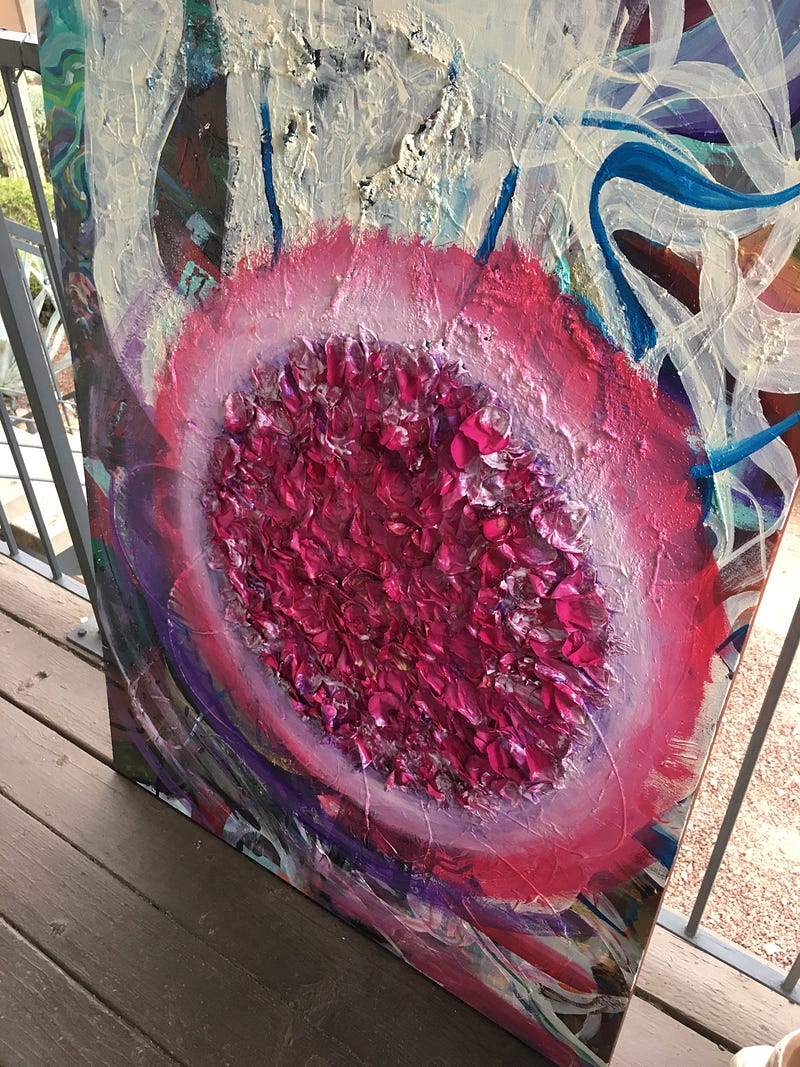
17. Add natural materials

I added rose petals in this painting. You can also see multiple layers in which I used other textures like leaves, twigs, and dirt.
I’d love to hear or see any of your recommendations as well! Just drop me a link to your art in the comments. I’m always looking for new ways to experiment!

Thank you for reading. If you’d like to read more, you can sign up for my FUNletter or check out my books.
Art
Inspiration
Artist
Painting
Abstract Art
Recommended from ReadMedium