
Is Ai art real art? Here’s 17 examples of stunning generative art
Examples that show It’s true, Ai truly does make art
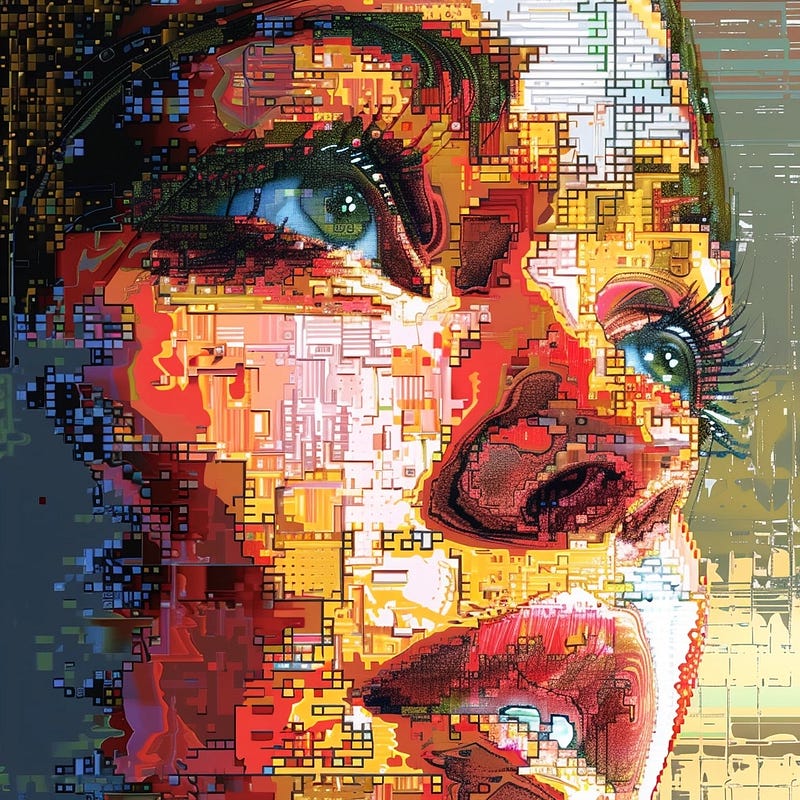
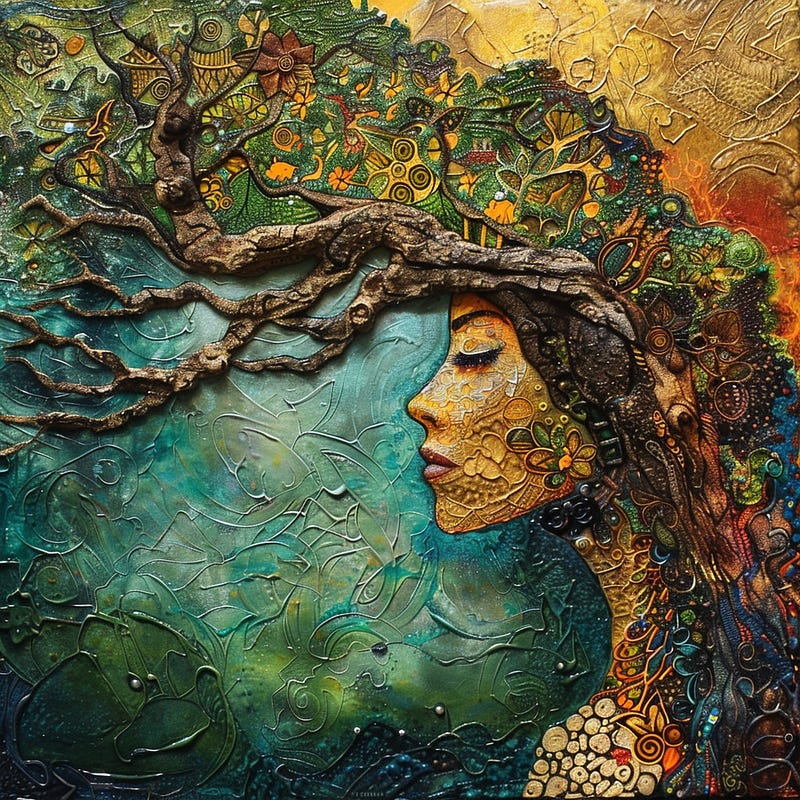
Ai Artists and generative art tools continue to revolutionaries and develop art into new forms. The capabilities they grant continue to show no sign of slowing down with cases of multidisciplinary advancements in Ai-Generated art compared to traditional art approaches clearly shining through.
Here are 17 examples of current real world applications of Ai in art. Demonstrating improvements in not only their art endeavours , but in some cases the overall wellbeing of others, general entertainment, and highlight a clear path to where Ai art is taking innovative visionaries.
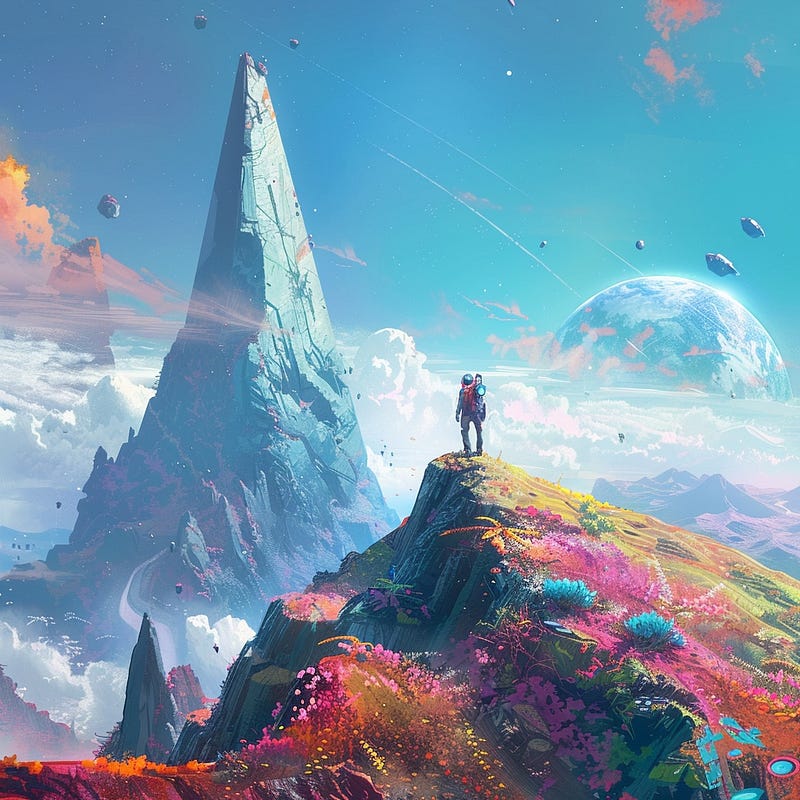
1. Customisable Game Environments
No Man’s Sky, a video game by Hello Games, uses AI to procedurally generate planets and ecosystems, ensuring that each player’s experience is unique, with endless possibilities for exploration and interaction. Illustrative of algorithmic personalisation of games through custom unique Ai game design {1}.
2. AI in Architecture
Autodesk’s Dreamcatcher is an AI-assisted design system that provides architects with optimised design alternatives based on specific input criteria, enabling the creation of structures that are both aesthetically pleasing and environmentally sustainable [2].
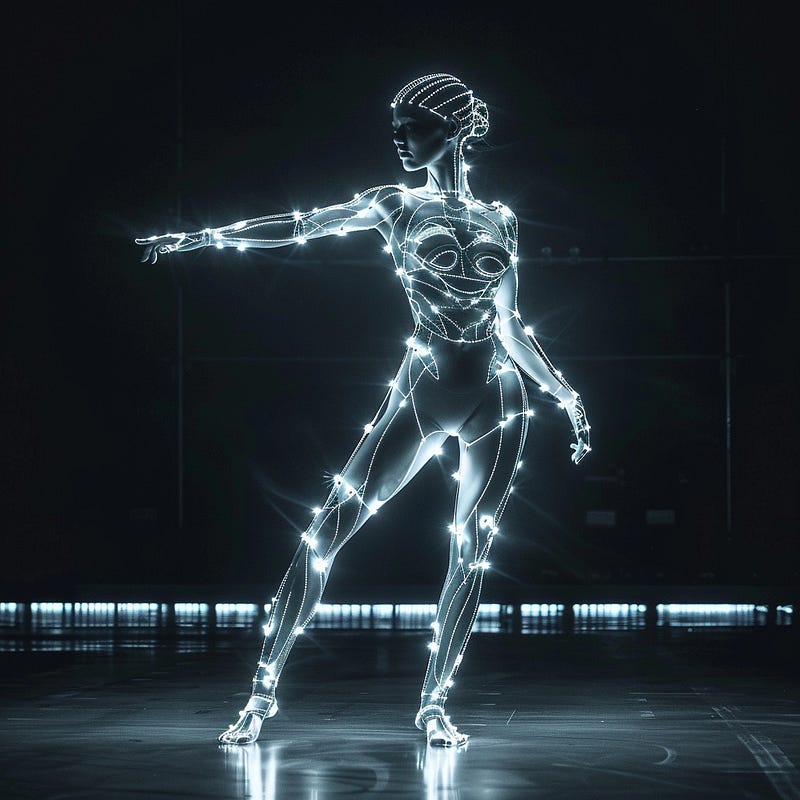
3. AI-Driven Dance Choreography
Google’s Move Mirror project matches users’ poses with images of similar poses from around the web, using AI to suggest dance moves, thereby assisting choreographers in creating or learning new dance sequences. This showing potential in providing a breakthrough opportunity for choreographers to advance and accelerate their creations [3].
4. Sentiment-Driven Art Installations
The Pulse of the City is an interactive installation that visualises social media sentiments in real-time through lights and sounds. AI analyses tweets and other social media to reflect the city’s “emotional pulse”, changing the installation’s output accordingly. An innovative and remarkable way to depict a collective and shared human experience through trend analysis [4].
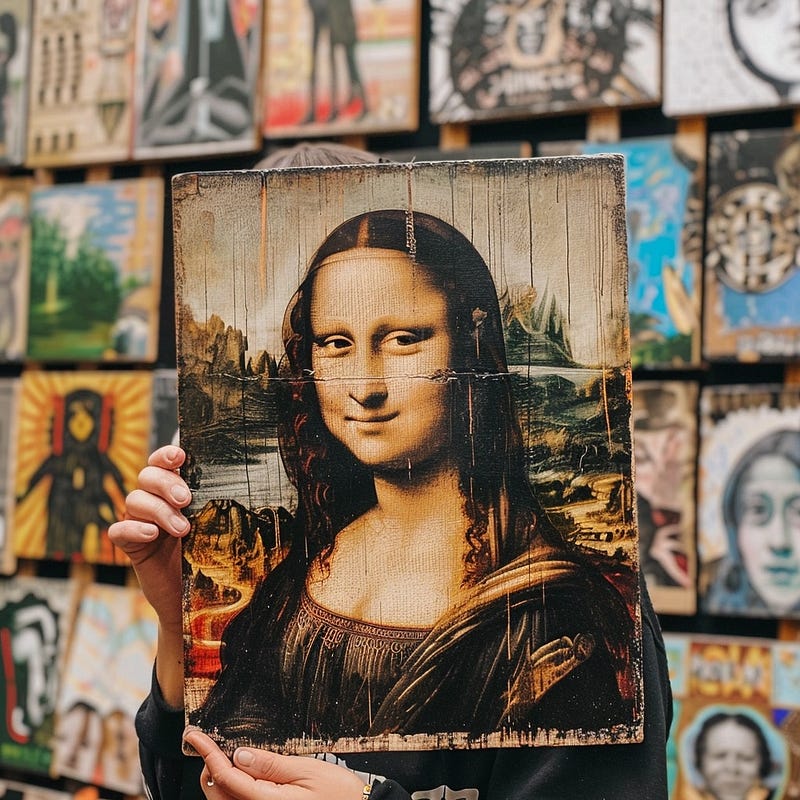
5. Personalised Digital Art Portraits
DeepArt uses an AI algorithm to recreate user-uploaded photos in the style of famous artists, allowing users to transform their photographs into unique digital art portraits reflecting their personal taste. This, providing a deeper art experience to evoke a new layer to experiencing art [5].
6. Neural Network Poetry and Illustration
Shelley AI by MIT Media Lab is an AI that writes horror stories collaboratively with humans on Twitter. These stories have been used as inspiration for illustrators and digital artists to create visuals that complement the AI-generated narratives, merging literary, visual arts, and illustrates that as a tool users truly show how ai creates art [6].
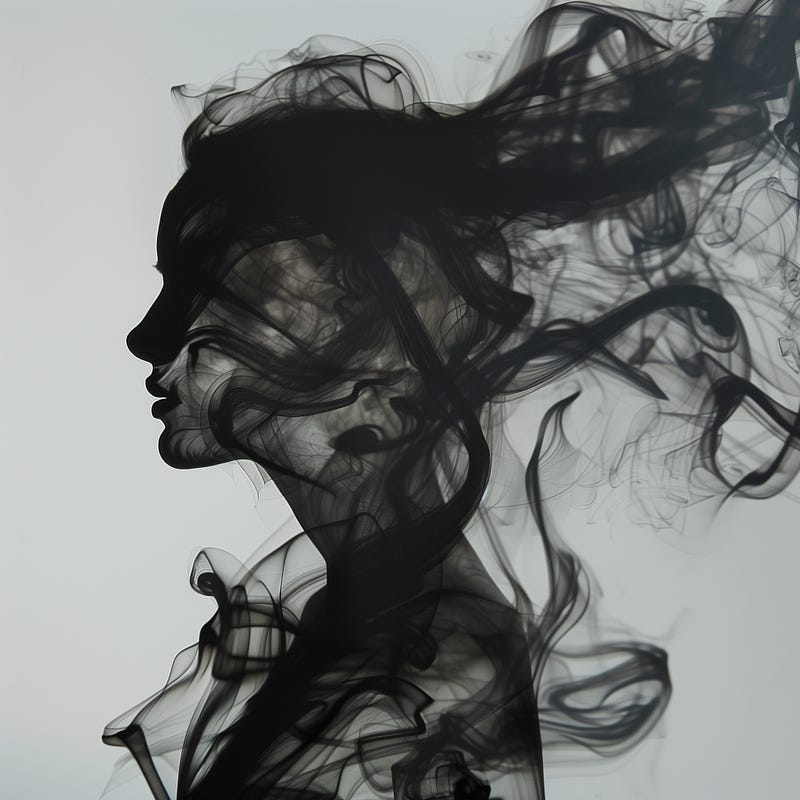
7. AI-Enhanced Filmmaking
Directors and filmmakers are employing AI to script movies, generate dynamic storylines, and even create realistic CGI characters, revolutionising the film industry with new levels of creativity and efficiency [7].
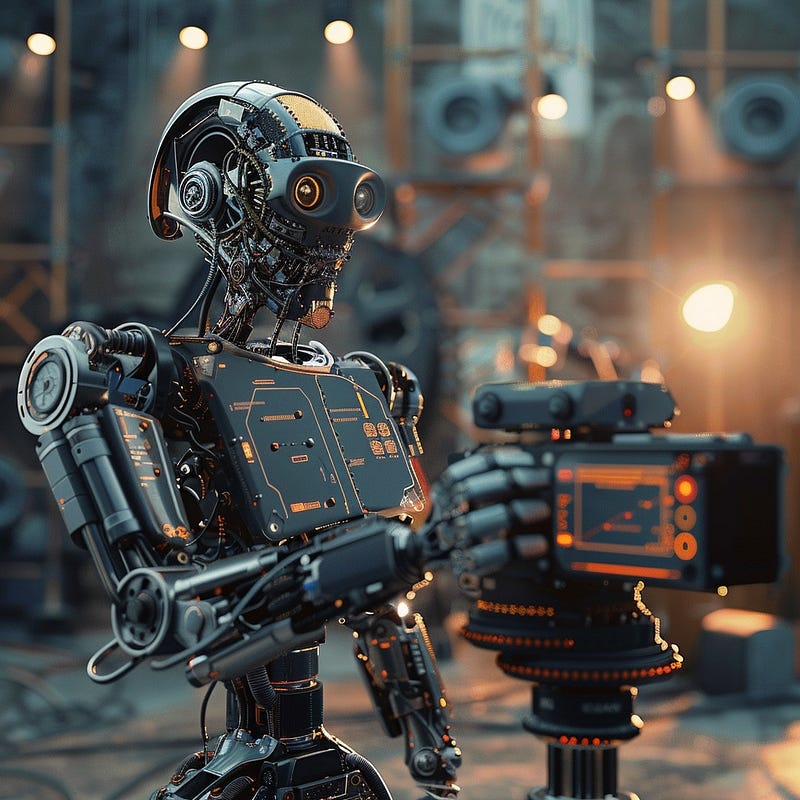
8. Interactive Art Exhibits
Artists are crafting interactive exhibits where AI algorithms respond to the audience’s movements or choices, creating a unique, immersive experience that blurs the lines between viewer and creator [8].
9. Generative Music Videos
Bands and musicians collaborate with AI to produce music videos where visual ai art is generated in real-time based on the music’s tempo, pitch, and mood, creating a perfectly synchronised audio-visual experience. This, a no longer dystopian vision that I am here for [9].
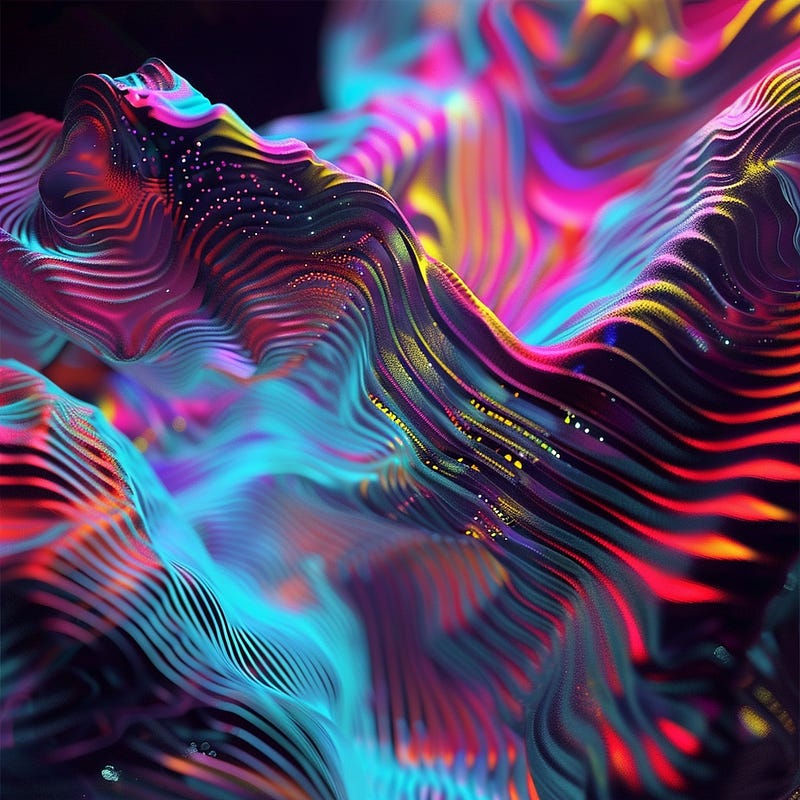
10. AI Poetry and Visual Art Fusion
Poets and visual artists are collaborating with AI to transform poetry into visual art, where AI interprets the emotions and imagery in poems to create complementary visual pieces [10].
11. Restoration of Historical Artworks
AI is being used to digitally restore and reconstruct damaged or faded artworks, allowing historians and the public to see masterpieces in their original glory. A privilege and moment in time I’m sure will go unforgotten [11].
12. 3D Art and Sculpture
Using AI, artists are creating complex 3D sculptures and art installations, with AI algorithms determining the structure and form based on certain aesthetic or thematic inputs [12].
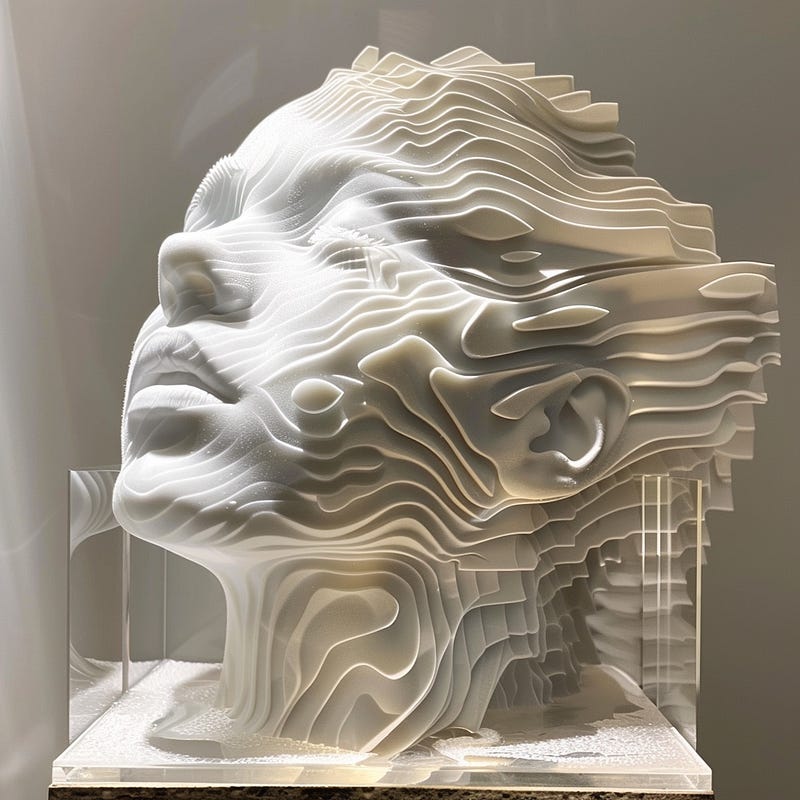
13. AI Art Therapeutics
Therapists and psychologists are exploring AI-generated art as a tool for therapy, where clients’ words or emotions can be transformed into art, aiding in expression and discussion. A demonstrable step in an Ai for good direction [13].
14. Eco-conscious Art
Artists are leveraging AI to create art that reflects on environmental data, such as climate change or pollution levels, turning abstract data into compelling visual narratives that raise awareness [14].
15. Ai Creates Art Critics
AI systems are being trained to analyse and critique art, offering insights into art’s compositional elements, historical significance, and even predicting future trends, providing a new perspective on art appreciation. Also, as a tool for those who wish to learn through generative feedback [15].
16. Automated Video Editing
Magisto is an online video editor that uses AI to automatically select the best parts of footage, combine them with music and transitions, creating professional-looking videos without manual editing, ideal for social media content creators [17].
17. Virtual Reality (VR) Art Creation
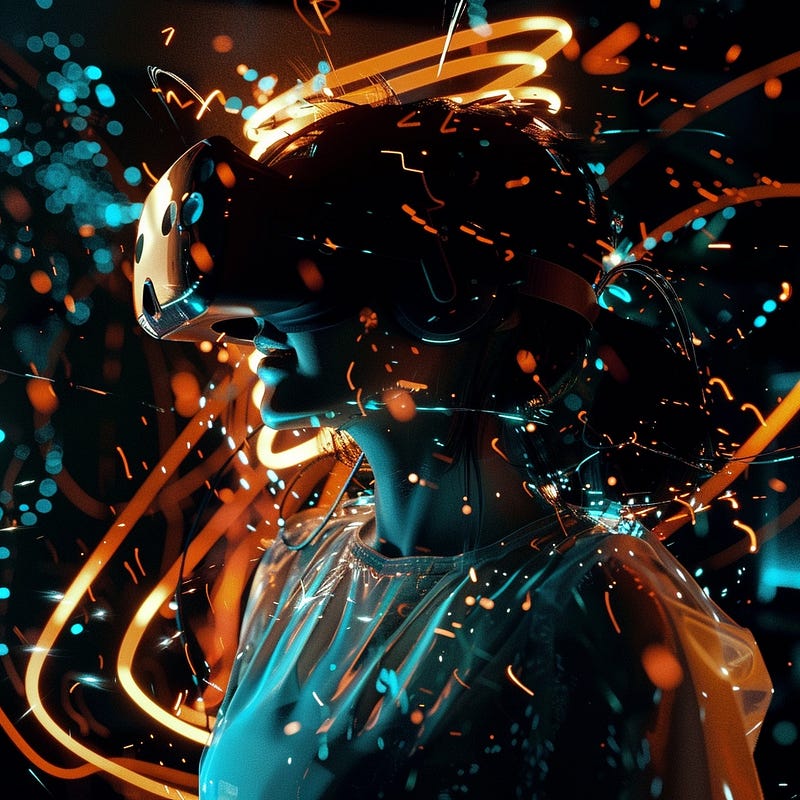
Tilt Brush by Google allows artists to paint in 3D space with virtual reality, using motion controllers as brushes. Although not technically AI, it feels noteworthy due to it’s similar shared spaces of innovative tech and art. This tool has enabled creators like Anna Zhilyaeva to perform live VR painting shows, blending traditional art techniques with immersive technology. This, perfectly showcasing Ai art as a creative measure to enhance one’s creativity, something clearly celebrated by many artists [18].
Conclusion
Overall these examples demonstrate the exciting, incredible, and innovative movements happening within the contemporary Ai art community. Those utilising the algorithmic art capabilities to strengthen and hone their art skills show achievements likely making and influencing the course of history. I can only wonder how it will look next year, we shall wait and see.
Thanks for reading, if you wish to see more you can visit us here and sign up to our email list if you fancy checking out our AI Art zine.


