
Birding Brings Joy Amidst Pain for My Black Family
Every day brings a struggle to preserve the light in my children’s eyes from a growing awareness that dims it
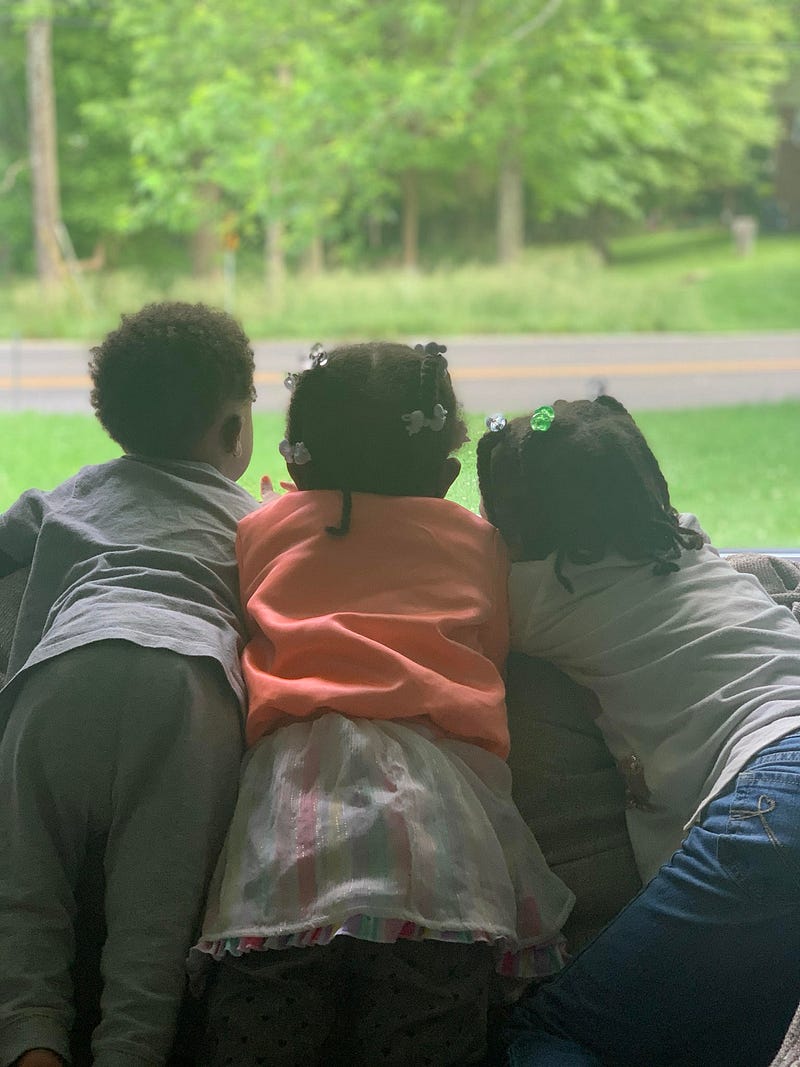
Like a mother bird tending her chicks in spring, I have largely occupied myself during the Covid-19 pandemic with caring for my three small children. I am thankful my husband can work from home as I write freelance and manage the kids’ homeschooling. We began to notice the birds trilling amid the tree blossoms as April gave way to May.
Our feathered friends are a delight. When we observe them, we forget why we are cooped up in the house. Watching birds with my children gives me respite from the anxiety of being Black during a pandemic that has disproportionately killed Black people. It’s also provided openings to help my kids process the social unrest rocking the country.
My own emotions dart away before I can identify them by name, much like the brown birds hovering near my window. So I reach instead for joy.
The time my family has spent at home over the last three months has made us look out the window to see jogging strangers, familiar birds — anything but these four walls. My little brood dabbles enthusiastically in bird-watching. Our eight-year-old alerts the entire household when she spots the orange-breasted robins she recognizes easily. Whenever a male cardinal lands on a tree, my four-year-old insists I pick her up to peer out the back door window. She is getting too heavy to lift, but I heave anyway. My reward: the smile dawning across her face when she finally spots the brilliant red crest. Although we can’t yet identify the cheerful birdsongs we hear during breakfast, birding grows on us with each passing week.
I love how studying nature helps calm my troubled heart. But it dismayed me when Christian Cooper experienced a racist encounter while birding in Central Park. As a fledgling birder, I understood the spirit that had led him into the brush with his trusty binoculars; and as a Black woman, I knew all too well the pain of being considered threatening because of my skin color. That same day, May 25, Derek Chauvin kneeled on George Floyd’s neck for eight minutes and 46 seconds. The world has not stopped gasping in shock and anger since then. My own emotions dart away before I can identify them by name, much like the brown birds hovering near my window. So I reach instead for joy.
On a family walk down the street one afternoon, my four-year-old chose a name for the woodpecker: Widdle. No matter how the day’s news leaves me downcast, I can’t keep a straight face saying ‘Widdle Woodpecker.’
Now that the weather has warmed, we go outside more often for fresh air. One day my husband found a poor little bird who had met his end after flying into our window. The striking yellow and black markings on his breast told us he was a yellow-throated warbler common to Maryland. Our curious daughters clamored to see.
Abandoning their sidewalk chalk, the kids decided to give their avian comrade a proper funeral. The girls picked leaves and white camellia blossoms for a burial mound. Their dad helped dig the warbler’s final resting place in the shade of a birch tree. Once the bird finally lay in peace, my little mourners all stood around the pile of leaves and flowers marking his grave and said a few words for their feathery friend, “Lil Peep.” My one-year-old son pointed and grunted, offering his most eloquent eulogy.
The pretty yellow bird we’d never seen before touched them enough that they wanted to pay their respects. This tender moment, full of honor for the living, gave me the language to explain to my eldest why people worldwide are grieving a stranger. She speaks compassion fluently.
Our family’s most dependable winged neighbor is a pileated woodpecker who feeds from our birch tree. The tree itself is a tangle of insects and climbing vines, but we keep it because we like the red-crested bird. We want to preserve his habitat because it’s his home, too. On a family walk down the street one afternoon, my four-year-old chose a name for the woodpecker: Widdle. No matter how the day’s news leaves me downcast, I can’t keep a straight face saying “Widdle Woodpecker.” And the day I stepped out of the shower to see Widdle rap-a-tap-tapping on our car window with his sharp beak, I screeched.
When my daughters ask what kind of world will welcome us when it is finally safe to play in it again, I tell the truth. ‘I don’t know,’ I say.
Bird watching is a joy that flits in and out of our days in lockdown, amid protests and societal changes. But the natural landscape outside our door provides no complete escape from the turmoil. These ugly realities exist alongside nature’s beauty. We have almost-daily chats with our children about coronavirus, the George Floyd protests, police brutality, and racism. “People are angry,” I tell my kids, “because America is their home, too, and they deserve to feel safe.” We say the names of the dead because they are our neighbors. Every day brings a struggle to preserve the light in my children’s eyes from a growing awareness that dims it.
Birding has taught me to honor the emotions I can’t name as much as the ones that are familiar friends. When my daughters ask what kind of world will welcome us when it is finally safe to play in it again, I tell the truth. “I don’t know,” I say. They grow quiet but the sunlight is steady. So we look skyward, hope beating against our breasts like red wings.