155. Applications of Complex Thermal Systems in the Real World
From Power Plants to Everyday Life, Exploring the Ingenious Designs
Complex Thermal Systems in Energy Production
Cue: How do complex thermal systems contribute to energy generation?
Main Point: Complex thermal systems play a crucial role in generating electricity and managing thermal energy in various power plants.
Notes:
Applications:
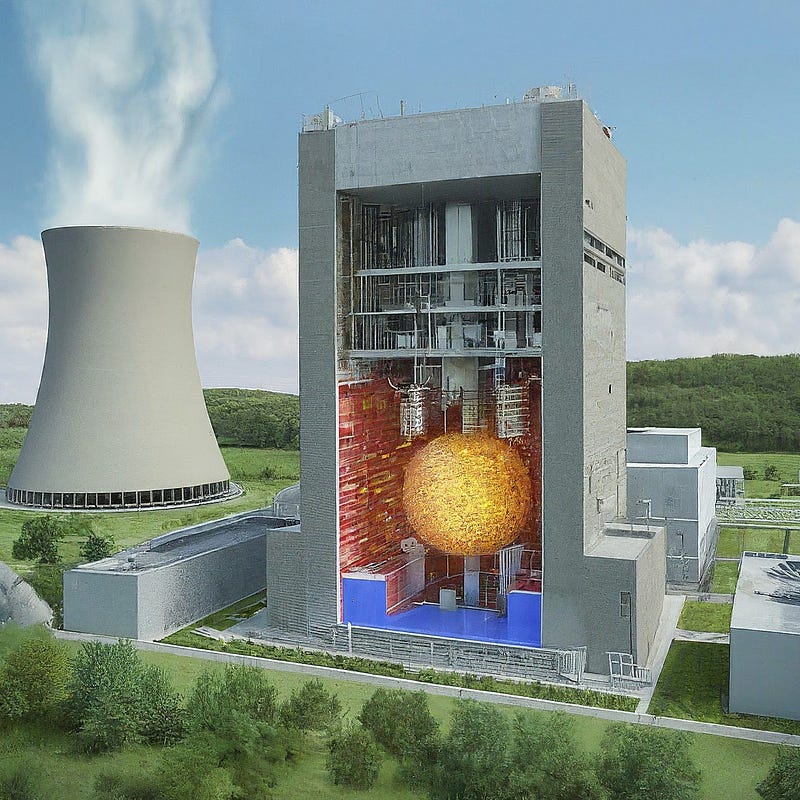
- Nuclear power plants: Use nuclear fission to generate heat, which boils water to create steam that drives turbines and generates electricity. These systems involve complex heat transfer processes and require precise control to ensure safety and efficiency.
- Fossil fuel power plants: Utilize the combustion of fossil fuels like coal or natural gas to generate heat, which boils water to create steam for electricity generation. Complex systems manage combustion, heat transfer, and pollution control.
- Combined cycle power plants: Combine gas turbine and steam turbine cycles to achieve higher efficiency. These systems involve intricate heat recovery and transfer processes to maximize energy output.
- Solar thermal power plants: Utilize concentrated sunlight to heat a working fluid, which in turn drives a turbine to generate electricity. These systems involve sophisticated solar collectors, heat transfer fluids, and thermal storage solutions.
Summary: Complex thermal systems are essential components in modern power generation, enabling efficient and reliable electricity production from various energy sources.
Complex Thermal Systems in Daily Life
Cue: How do complex thermal systems impact our everyday lives beyond power generation?
Main Point: Complex thermal systems are ubiquitous in various applications, influencing comfort, safety, and efficiency in various aspects of our daily lives.
Notes:
Applications:
- Heating, ventilation, and air conditioning (HVAC) systems: Regulate temperature and air quality in buildings, ensuring comfort and health for occupants. These systems involve complex components like compressors, heat exchangers, and control systems.
- Refrigeration: Plays a vital role in food preservation and storage. Complex systems maintain low temperatures in refrigerators and freezers through efficient heat removal processes.
- Automobiles: Utilize complex thermal management systems to regulate engine temperature, ensuring optimal performance and fuel efficiency. These systems involve radiators, thermostats, and coolant flow management.
- Manufacturing: Employed in various industrial processes, such as chemical processing and metalworking, for precise temperature control to ensure product quality and process efficiency. Heat exchangers, furnaces, and cooling systems are often used.
- Building design: Complex thermal modeling helps architects and engineers design energy-efficient buildings by optimizing insulation, ventilation, and passive heating/cooling strategies.
Summary: Complex thermal systems play a crucial role in various aspects of everyday life, impacting our comfort, safety, and access to essential services, highlighting their diverse and far-reaching applications.
The Future of Complex Thermal Systems
Cue: What are the future trends and challenges for complex thermal systems?
Main Point: Continuous progress in materials, technology, and design approaches is shaping the future of complex thermal systems, aiming towards increased efficiency, sustainability, and innovation.
Notes:
Future trends:
- Focus on sustainability: Developing systems that utilize renewable energy sources, reduce energy consumption, and minimize environmental impact.
- Advancement in materials: Utilizing innovative materials with improved thermal properties for enhanced efficiency and performance.
- Integration of digital technologies: Employing sensors, data analytics, and machine learning for real-time monitoring, control optimization, and predictive maintenance.
- Miniaturization and modularization: Designing smaller, more compact, and modular systems for easier integration and adaptability.
Challenges:
- Balancing cost and performance: Optimizing designs to achieve efficiency and sustainability while remaining cost-effective.
- Managing complexity: Addressing the increasing complexity of systems while ensuring safe and reliable operation.
- Addressing climate change: Developing solutions that contribute to reducing greenhouse gas emissions and mitigating the effects of climate change.
Summary: The future of complex thermal systems lies in advancements that prioritize sustainability, efficiency, and integration with advanced technologies. Addressing challenges and embracing innovation will be crucial for designing systems that contribute to a cleaner and more sustainable future.