
15 Minute Tension Relief Exercises You Should Do After A Stressful Day
Breathing exercises drawn from ancient traditions of yoga and meditation
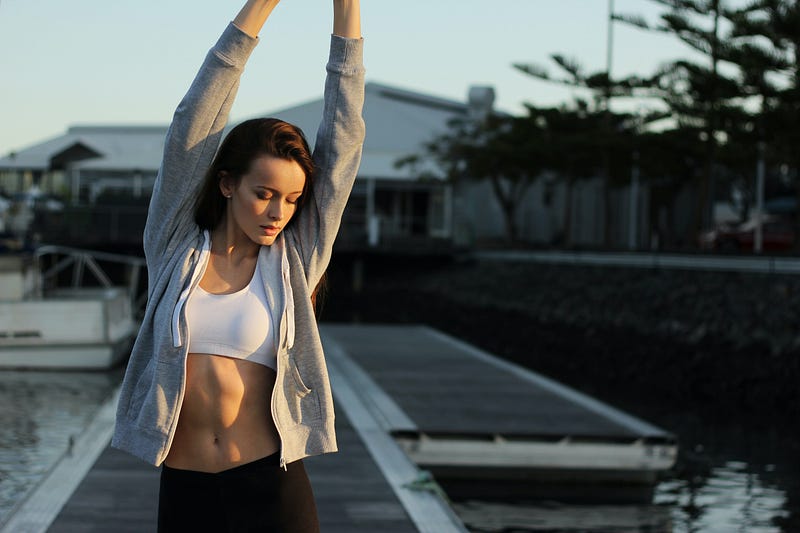
Are you looking to relieve stress? Fortunately, there are plenty of ways to regain serenity that don’t require spending a huge sum of your salary in luxury spa treatments.
In fact, one of the best relaxation methods is completely free. All you need are a few healthy lungs, your breathing, and 15 minutes of your time. This is called controlled breathing.
Benefits of doing controlled breathing
Controlled breathing exercises can help keep your mind and body in shape by lowering blood pressure, promoting rest and relaxation, and reducing stress.
While the long-term benefits of breathing exercise have not been extensively studied, many experts encourage the use of breathing as a means of increasing awareness, mindfulness and getting you started on the path to Zen.
Ready to harness the power of your in and out breaths? Here are six expert-approved ways to relax using controlled breathing exercises drawn from ancient traditions of yoga and meditation.
1. Relaxing breath exercise
This breathing exercise is an alternative to equal breathing, which will also help you fall asleep faster. It has its roots in the pranayama of yoga, which helps people learn to control their breathing.
How to do it: Start by sitting or lying in a comfortable position. Your eyes can be open or closed. Press the tip of your tongue against the roof of the mouth, open your mouth slightly and exhale until you hit rock bottom.
Close your mouth and breathe in gently through your nose for 4 times. Then hold your breath for a count of 7. Finally, exhale very slowly so that it takes a total of 8 times to get back to the bottom of your breath.
Repeat for 4 full breaths, increasing to 8 breaths over time.
2. Abdominal breathing
The abdominal breathing technique can be very helpful before going through a particularly stressful event, such as taking an exam or giving a big presentation. Our hearts beat faster just by thinking about it.
However, those who work in stressful environment all the time may be a little shocked by the difficulty in controlling their breathing. So if the rhythm isn’t obvious at first, don’t beat yourself up. Just focus on practicing it.
How to do it: Place one hand on your chest and the other on your stomach. Take a deep breath in through your nose so that the diaphragm (not your chest) gets enough air to create a slight stretching sensation in your lungs. Exhale slowly.
According to physiologist and breathing expert Alison McConnell, 6 to 10 slow, deep breaths per minute for 10 minutes every day using this breathing technique can help lower your heart rate and blood pressure.
Continue for 6–8 weeks, and these benefits can last even longer.
3. Progressive muscle relaxation
The progressive muscle relaxation method works best when you are at home, in your office chair, or even in your car. By intentionally stretching and relaxing each muscle group one at a time, you can reduce excess tension from head to toe.
How to do it: Close your eyes and focus on tightening and relaxing each muscle group for 2–3 seconds. Start with your feet and toes, then work your way up to your knees, thighs, butt, chest, arms, hands, neck, jaw, and eyes. Keep breathing deeply and slowly all the time.
Are you struggling to stay on track? Patricia Farrell, a psychologist and anxiety and panic specialist, suggests inhaling through your nose, holding 5 times as you contract your muscles, and then exhaling through your mouth as you release these muscles.
If you feel uncomfortable holding your breath, reduce it to a few seconds.
4. Alternating nostril breathing
Are you under a lot of pressure at work? Alternately try to breathe through the nostrils to refocus and rejuvenate yourself. It can help fire up your energy and make you feel awake. It’s almost like drinking a cup of coffee.
How to do it: Start by sitting in a comfortable meditative position. Hold your dominant hand and press the ends of your pointer and middle finger into your palm, keeping your ring finger, little finger and thumb extended.
Bring your hand in front of your face and press your thumb on the outside of one nostril. Take a deep breath in through the open nostril. While inhaling, release your thumb, press your ring finger outside your other nostril and exhale.
Continue this pattern for 1 to 2 minutes before switching sides, so that you inhale through the nostril you originally used to exhale, and vice versa. Spend the same amount of time breathing in and out through both nostrils.
5. Kapalabhati exercise
Wake up and see the bright side of life with this breathing exercise. It’s pretty gutsy, but it will warm up the body, shake up stale energy and wake up the brain.
If the alternate nostril breathing is like a cup of coffee, Kapalabhati breathing is like an espresso.
How to do it: Start by sitting upright with good posture and your hands on your knees. Breathe long and slowly through your nose. Then exhale forcefully (also through the nose) while contracting the lower abdomen.
6. Sama Vritti (also called equal breathing)
This breathing exercise is especially effective before going to sleep. According to yoga instructor Rebecca Pacheco, it works the same way as counting sheep.
If you’re having trouble falling asleep, this breath can help clear your thoughts or anything else that might distract you.
How to do it: Start by sitting or lying in a comfortable position. Your eyes can be open or closed. Inhale 4 times and then exhale 4 times.
All inhalations and exhalations must be taken through your nose, giving your breathing a slight natural resistance. Once you understand these basics, try counting 6–8 per breath.
Your body is breathing in naturally again, so focus on your energetic exhalation as you continue this fiery breathing technique. Once you are comfortable with the abdominal contraction part, increase your pace to 1 breath in every 2 seconds.
Summary
Your breathing is one of your best defenses against everyday stress, frustration and anxiety. Once you learn the art of breathing in and out professionally, you will likely start to feel better. You may find that you have developed a little more resilience and grace.
Looking to get in shape and feel younger? Check out our extra 21 Day Weight Loss Fat Burner right here.
You may also like

You just read another post from In Fitness And In Health: a health and fitness community dedicated to sharing knowledge, lessons, and suggestions to living happier, healthier lives.
If you’d like to join our newsletter and receive more stories like this one, tap here.


