15 Films and Documentaries to Educate Yourself About Racism and Black Oppression
Stories essential to understanding the history and current state of racial inequality in America.
The African-American struggle in the United States dates back centuries and has been a pressing social issue throughout the nation’s entire history. While most people are generally aware of the country’s track record of slavery and racial inequality, there are pieces of this story in the U.S. that remain largely underreported and misunderstood.
The ongoing protests in response to the killing of George Floyd have ignited an intense discussion on racial injustice and police brutality that continues to gain traction on a national and global scale. Millions have aligned themselves with the movement by physically joining demonstrations and marches, donating to human rights and community organizations, and sharing their voices on social media.
The demographics of the protests have expanded to include an increasingly diverse population. As new individuals seek out how they can contribute to the cause, the first question many people are asking is: what can I do to help? Organizations like Black Lives Matter and Color of Change are among the many groups providing different resources for those looking to get involved. In addition to signing petitions and offering donations, another easy way to support is to seek education on the conflict at hand. By seeking the facts about racist events and learning the missions of important activists, individuals can equip themselves with the proper knowledge and understanding to serve as an advocate for antiracism.
One of the easiest and most informative ways to gain education and understanding of these things is through film. There are dozens of great movies and documentaries that capture elements of the black struggle and help provide understanding about the history and current state of racial inequality in America. From Spike Lee’s BlacKkKlansman to the recent Netflix-produced series When They See Us, the cinematic portrayal of racism and black oppression can be a vital tool to informing the broader population of the prejudice and social challenges African-Americans have faced for hundreds of years.
Below is a list of 15 films and documentaries you can watch to educate yourself about racism and black oppression in America. This is not intended to be an all-encompassing or definitive article but rather a snapshot of the many great visual projects that approach this topic. I encourage anyone who reads this list to seek out additional movies, books, and other resources to better their understanding of the issue.
Movies & Television
1. 12 Years A Slave (2013)
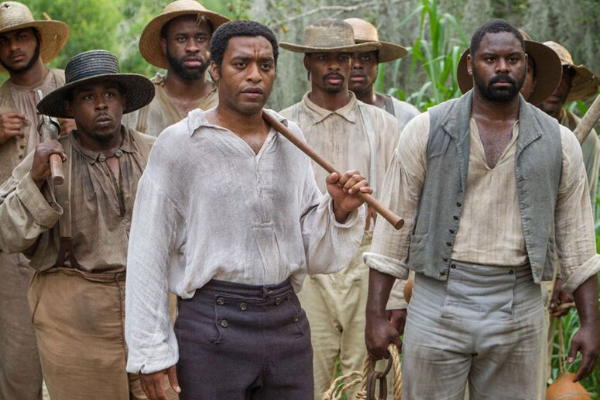
12 Years A Slave is the on-screen adaptation of the 1853 slave memoir by Solomon Northup, a free black man who was tricked and sold into slavery in the deep south. Chiwetel Ejiofor’s lead performance and a stellar supporting cast that includes Michael Fassbender, Lupita Nyong’o, and Brad Pitt all help drive home a deeply affecting story about love and perseverance. The film’s stark representation of slave life on plantations is unsettling but illuminates the idea that hatred is ultimately an unprofitable philosophy.
2. 42 (2013)
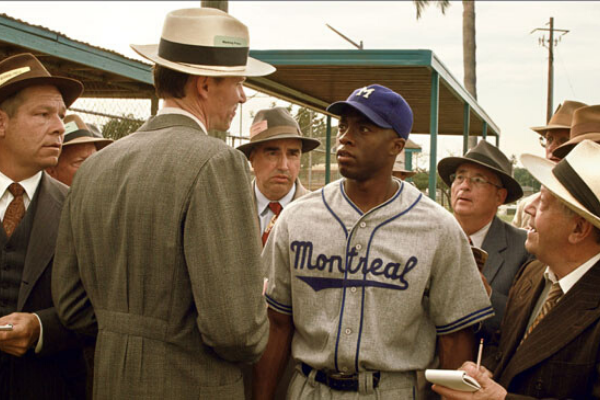
This biographical picture of Jackie Robinson and his integration of Major League Baseball is perhaps the most earnest and unsparing sports movie ever made. It chronicles the challenging journey of Robinson, who battled near-perpetual discrimination on his way to breaking the color line in America’s national pastime and become a legend both on and off the diamond.
3. BlacKkKansman (2018)
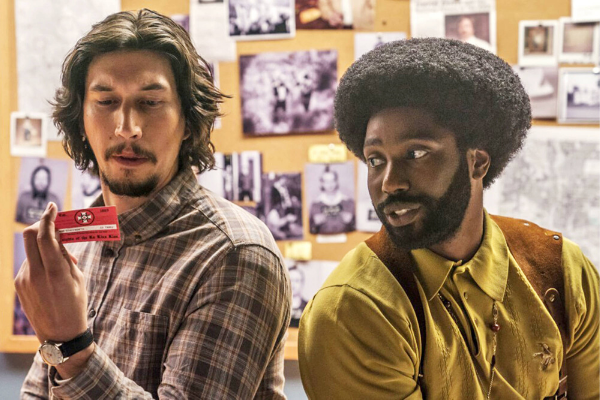
Spike Lee has always been one to speak his mind. His filmography is packed with forthright movies that present a greater message. BlacKkKlasnman finds a balance between biography, crime, and dark comedy — it’s the true story of how the first black detective in the Colorado Springs Police Department infiltrated and brought down the local KKK chapter. As always, it’s decorated with Lee’s one-of-a-kind wit, humor, and swagger.
4. Dear White People (2017)
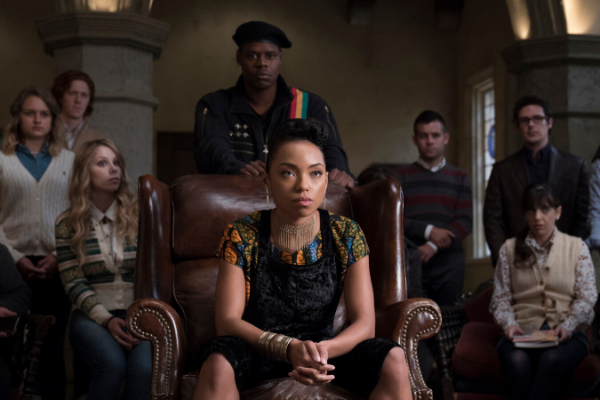
Dear White People follows college radio host Samantha White and other students of color as they traverse the social landscape at an Ivy League school. Over three volumes (seasons), the series demonstrates how social issues that exist within small communities are often indicative of a greater problem. Both political and entertaining, it examines the tropes of solidarity, activism, and self-discovery in an identifiable way while injecting plenty of scholarly drama into the mix as well.
5. Fruitvale Station (2013)
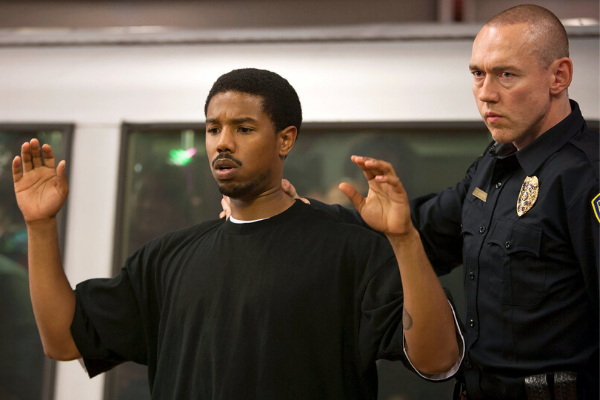
After a prison stint in San Quentin, Oscar Grant is determined to live a better life and support his young family. Based on a true story, Grant’s life was tragically cut short after an incident on New Year’s Eve ends with him being shot in the back by a local cop. Fruitvale Station features a powerhouse performance from Michael B. Jordan and in a few short moments, illustrates the overwhelming anxiety young black people face when dealing with over-aggressive police. It also serves as a painfully real example of how officers involved in innocent murders and cases of excessive force often get away without suffering the consequences.
6. Get Out (2017)
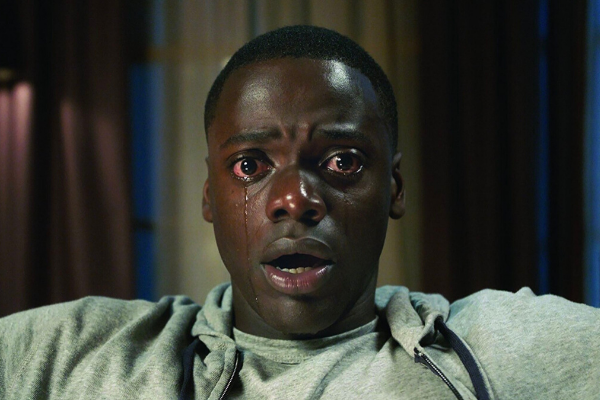
In his directorial debut, Jordan Peele uses his affinity for horror films to spotlight the hidden monster hiding within quiet racism. A young interracial couple heads out for a weekend getaway so boyfriend, Chris, can meet his girlfriend’s parents. He finds himself in a terrifying predicament after odd finds around the house and suspicious encounters with guests lead him to a disturbing discovery about his significant other and her family. A thrilling and unpredictable commentary on black-white relations.
7. If Beale Street Could Talk (2018)
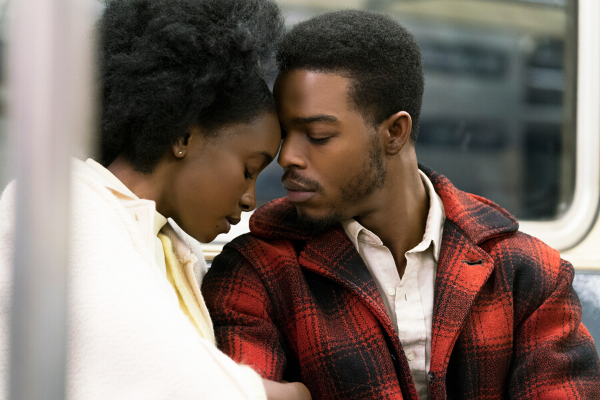
Set in 1970s Harlem, Tish and Fonny grow from childhood friends into young adults deep in love and are expecting a child when Fonny is falsely jailed for a crime he did not commit. Adapted from James Baldwin’s 1974 novel of the same name, If Beale Street Could Talk is a story inspired by companionship and family love while also portraying how America’s corrupted institutions have allowed for law enforcement to exploit young black people through mass incarceration. Above all, it’s a captivating love story, noteworthy for the endearing relationship between its principal characters and its startling cinematic beauty.
8. Mudbound (2017)
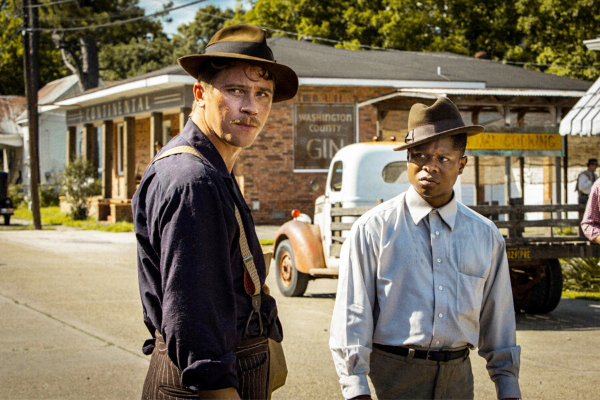
Mudbound traces the relations between the families of two war veterans (one black, one white) who return from overseas to rural Mississippi to battle PTSD, alcoholism, and the prejudice of the Jim Crow south. Between violent KKK gatherings and the challenges of living on resource-deprived land, it’s an unflinching look at the grim realities faced by poor African-Americans living in old Confederate territory after the war.
9. Selma (2014)
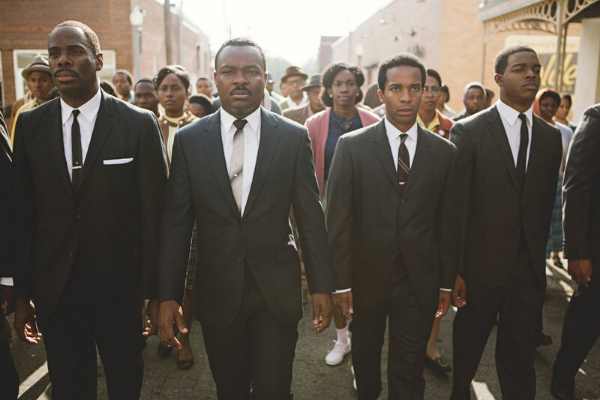
A historical drama based on one of Martin Luther King Jr.’s most courageous and inspiring events, and a pivotal moment for the civil rights movement. The film recreates the 5-day, 54-mile march from Selma to Montgomery, despite protestors facing brutal repression from local authorities and white citizens. Largely centered around the push to secure voting rights for African-Americans, Selma also offers a glance at the relationship between King and then-President Lyndon B. Johnson.
10. When They See Us (2019)
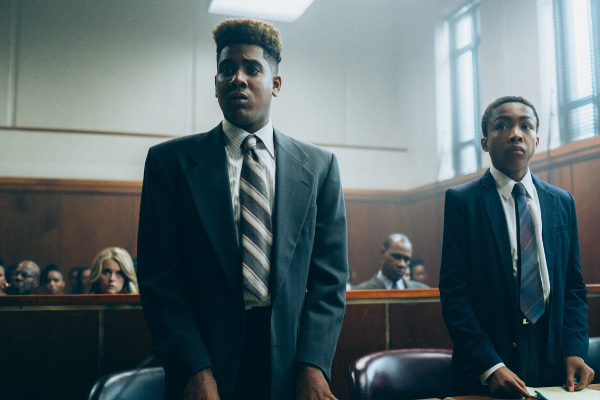
This acclaimed Netflix series recounts the story of how five Harlem teenagers were wrongfully accused of rape in the infamous Central Park jogger case of 1989. The four-part series dives into the turmoil and aftermath of a case that ultimately saw authorities frame the innocent boys and force them into false confessions. Though it only offers a glimpse of the trauma the “5” faced during their trial and in prison, When They See Us is an impactful and educational story about the real dangers of racial profiling.
Documentaries
11. 13th (2016)
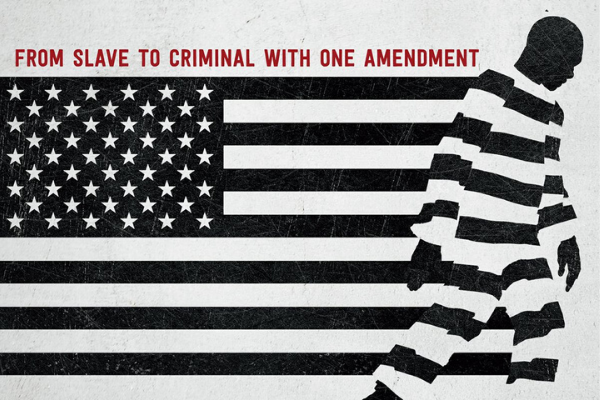
From slavery to segregation to mass incarceration, African-Americans have long been criminalized and taken advantage of by the powers of white supremacy. Ava DuVernay’s vividly detailed documentary outlines the history of institutional racism in America, breaking down how the country has continued to find new ways to affect the progress of blacks within its society. Includes interviews with Angela Davis, Bryan Stevenson, Michelle Alexander, and Van Jones.
12. The Black Power Mixtape 1967–1975 (2011)
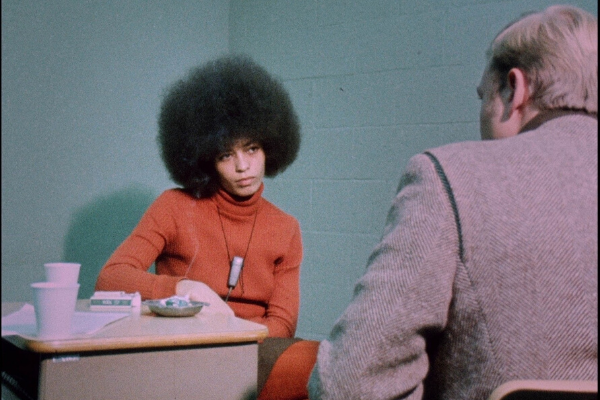
At its peak, the Black Panther Party was pegged as a violent threat to the safety of the United States. While the organization officially dissolved in 1982, its social and cultural influence on subsequent generations remained powerful. Using footage captured by Swedish journalists in the 1960s and 1970s, director Göran Olsson stitches together a compelling story detailing the black power movement and provides an intimate look into the minds of its most significant leaders.
13. Did You Wonder Who Fired the Gun? (2017)
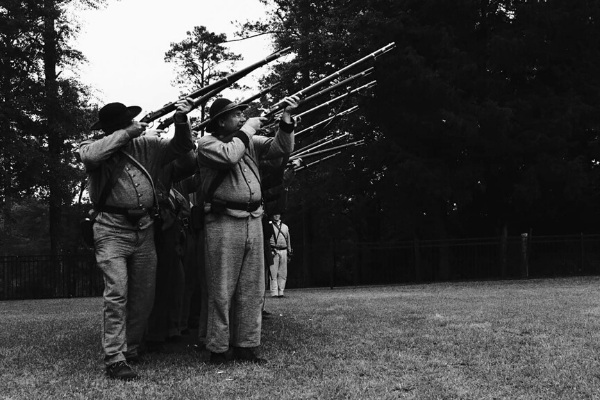
Travis Wilkerson takes viewers on a journey through the American South to uncover the truth behind a terrible incident: the 1946 killing of a black man named Bill Spann. The murderer? Wilkerson’s great grandfather, who got away scot-free. On his adventure, Wilkerson discovers that many of the foul racist attitudes that allowed for this crime to happen still exist. The doc expertly weaves in clips from To Kill A Mockingbird and references other historical events to make connections between the past and present.
14. I Am Not Your Negro (2016)
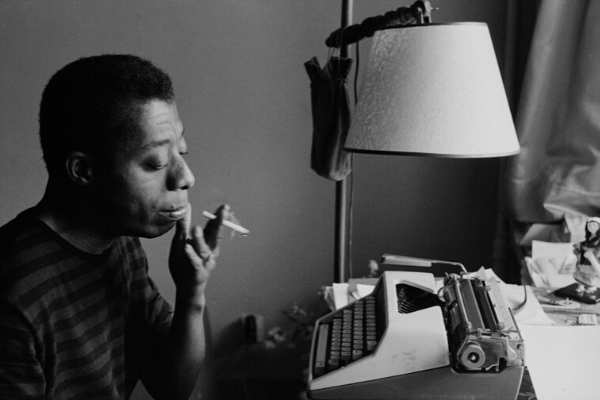
Well before his death in 1987, James Baldwin began outlining his next major work, Remember This House, a memoir about his personal relationships with civil rights leaders Medgar Evers, Malcolm X, and Martin Luther King Jr. Baldwin passed away before he could ever make headway on the project, leaving behind about 30 pages of notes and letters detailing his hopes for it. These manuscripts are the foundation of Raoul Peck’s I Am Not Your Negro, a documentary that takes a comprehensive look at racial inequality in America through the lens of Baldwin’s profound writing and emotionally-charged mind.
15. King In The Wilderness (2018)
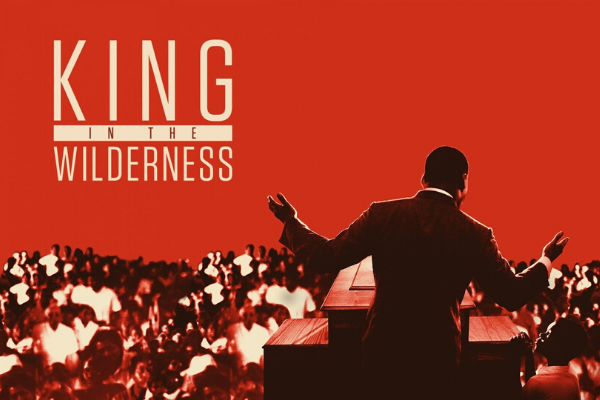
Martin Luther King Jr. is rightfully remembered as a leader whose moral crusade in the ’50s and ’60s helped bring the civil rights movement worldwide attention. King In The Wilderness reminds us that during his lifetime, King was regarded by many as an adversary and received as much, if not more, scrutiny and criticism than praise for his cause. Through interviews with his closest peers, this documentary details the final years of King’s life right up until the moments before his assassination, shedding light on his tormented psyche and the unbearable levels of emotional stress he regularly experienced, all while reinforcing that his mission to achieve equality for all is still wildly relevant.