
7 Fitness Experts on Daily Short Walks to Improve Your Health
Can short walks help you as much as longer exercise sessions?
Join Medium and tell your own stories. A portion goes to support this writer who inspired you!
I am on a mission. A get-healthy kind of mission, and folks, that’s NOT an easy feat. Especially with my pain and mobility issues. Naturally, I consulted my favorite health expert — my sister, the cardiologist and Yoga fanatic.
And she said something to me that’s been life-changing —
“You know, a few 5-minute walks a day is really good for your heart. Just do what you can and don’t give up.”
For my chubby self — trying to do 45-minute “workout walks” and weight training in front of the tv — you know, trying amidst guilt and frustration to do all the things — her words, in a sense, set me free.
Free from all of that stress over working out — enough — and at my limited mobility. As it turns out, her heart-health advice to me that day was spot on. I wanted to know what other experts had to say on this.
Could it really be that a path to wellness is as simple as taking a few, short walks each day? Well folks, strap on your Fitbits because it’s time to take more walking breaks in your day!
Here’s what the experts I spoke with have to say about this life-changing decision you can make for yourself…today! Hearing it from the experts, each with a bit of fresh insight — might just inspire you to make a life-changing decision for your heart and your health.
The next few minutes of your time are going to change what you thought you knew about getting the exercise your body needs. Turns out — it’s easier than you thought!
What the Experts Say About Shorter Walks and Your Health
I spoke with 7 experts in the health and fitness field to ask them — are taking a few short, brisk walks each day is a good way to improve your health and fitness — and your weight! — and here’s what they told me.
Taking 3–5 brisk walks — only 5-minute walks! — throughout your day has HUGE health benefits.
Here’s how they explained these health benefits to me and why getting off the couch and into a better life may be way easier than you think…
Meet Hannah Daugherty: NASM and ACE certified Personal Trainer and Health Coach
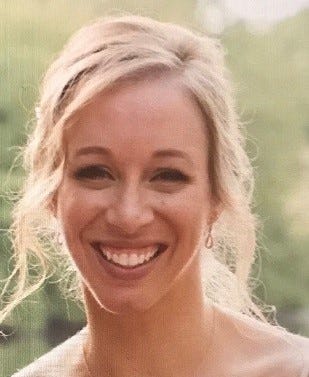
Hannah Daugherty has been in the fitness and wellness industry for over 10 years, both as a Fitness Director and Personal Trainer. With certifications through NASM and ACE, as well as Bachelor’s and Master’s degrees in Exercise Science, Daugherty is an advisor for Exercise with Style, a healthy living blog focused on weight loss, vitality, and wellness.
And today, she’s adding her expertise about how a few short walks each day could be the health tip you need at this stage of your wellness journey. Let’s see what she has to say about this simple and applicable tip:
Daugherty shared some of the benefits of short walks:
- An increase in your quality of life
- Boosts in mood and productivity
- Weight loss
- A decrease in blood pressure and cholesterol can also be significant side effects of shorter bursts of exercise!
Daugherty shared with me:
When working at a moderate intensity, brisk walks throughout the day have also been shown to have a positive impact on multiple realms of health, and can aid in the weight loss process when done consistently.
Current guidelines recommend that healthy adults aim for 150 minutes of cardiovascular activity each week — and thankfully, this can be broken up however it fits best in your schedule, including quick 5-minute walks!
So far…this sounds pretty good, right? It gets even better.
Meet Melissa Mitri: MS, RD — Registered Dietician
Melissa Mitri is a Registered Dietitian for Zenmaster Wellness. And her perspective, from a dietary standpoint, helps to further develop this idea and how it impacts your overall health.
Mitri cautions her clients against an “all-or-nothing mentality” which can actually be a setback. Mitri says that we often get stuck in this trap of thinking “if we can’t fit the 60-minute workout in, we’re better off with no workout at all. However, science says otherwise.”
Mitri calls it “exercise stacking.” It challenges the all-or-nothing norm and empowers many who struggle to meet those expectations.
Mitri explains:
This method involves short bursts of exercise spread throughout the day rather than all at once, and is growing in popularity. Not only does exercise stacking increase your physical activity by the end of the day, but it may also curb cravings for sugary snacks.
This is good news if you struggle to find a long chunk of exercise time, as the intensity, not the duration of exercise is proving to be more important for heart health.
Mitri’s reassurance that exercise, even in smaller increments, can help many of us who struggle with long exercise routines…sets us free from the worry over “not enough” or “not good enough.” Just get out a few times a day, walk, experience the world around you, and love yourself through the action of walking for your health.
As your health improves, you may find yourself extending those walks because you enjoy them!
Meet William Rivers: Founder and Chief Editor at Seniorstrong
William Rivers is the founder and chief of a company called Seniorstrong, an exclusive website that provides senior care services; looking after health and wellness, housing and care, and retirement planning for seniors.
Rivers’ expertise in health care services for seniors helps to develop this topic for those who are older, those who may have more mobility issues or limitations, and those who need something less stressful on the body.
Rivers shares:
Taking 5 minute-long walks multiple times a day is definitely a life-changing choice. Besides the fact that you burn calories, it also helps you feel more energetic and creative.
It is the best approach to better health for people who have jobs that require them to be seated at a desk for long durations. Sitting in the same posture can lead to many serious issues, both physical and mental.
Brisk walking for a few minutes multiple times a day can be one of the easiest methods of prevention.
Though you may not quite be a senior — and if you are, great! — these tips can be so freeing. You don’t have to take on an exercise program that doesn’t work for you, or quit if you can’t find something you can do. The best thing is to keep going, keep trying, and listen to your body.
These tips, as Rivers pointed out, also work well for those who sit for a living. Get up, get moving, several times a day.
Meet Jesse Nicassio: CEO/Creator of The MASS SUIT and Former NFL Player

Jesse Nicassio is a former NFL player for the St. Louis Rams and Indianapolis Colts and is now the CEO of Juke Performance Incorporation.
Nicassio was eager to share his expertise and his enthusiasm for short brisk walks as a good health strategy, possibly even a fun one, to help improve your overall health:
Brisk strolling is convenient, may be achieved with variation, is in no way dull, and might carry you all of the advantages of a workout within the lengthy run. It’s the best way to avoid fitness problems and appreciably contribute to toughness and higher intellectual and bodily fitness.
Nicassio shared some key ways this type of exercise works:
- It strengthens muscle tissue and joints.
- It improves average fitness.
- It requires much less commitment and resources
Incorporating brisk strolling into your routine can immensely improve your usual fitness. You can enhance muscle energy and unfasten stiff joints by enhancing lubrication and loosening muscle tissue with regular brisk strolling.
It is likewise at the low-depth aspect of the workout spectrum and, for this reason, is instead advocated for people with situations that won’t permit straining themselves. If you’re liable to feel pain again, brisk strolling can help relieve it.
There is an immediate correlation between everyday bodily exercise and greater cardiovascular fitness and blood pressure. Keeping brisk on foot can also assist in keeping away from diabetes because it will increase insulin sensitivity.
Meet Dr. Ameet Aggarwal ND: naturopathic doctor & psychotherapist and bestselling author of ‘Heal Your Body Cure Your Mind’

Dr. Ameet Aggarwal is the best-selling author of Heal Your Body Cure Your Mind, and his work helps to raise funds for kids living with disabilities in Kenya. Naturally, his perspective from a homeopathic medicine and mental health aspect is critical to this conversation.
Here’s what Dr. Aggarwal shared with me:
Heart disease is often associated with stress and metabolic diseases like diabetes, obesity and chronic inflammation. Brisk walking has been shown to reduce the severity of metabolic disease, and therefore heart disease, by reducing stress levels, reducing blood sugar levels, improving insulin sensitivity and balancing cortisol, one of your main stress hormones.
Brisk walking also burns fat and “bad cholesterol”, making it ideal to lose weight without the need for strenuous exercise.
Dr. Aggarwal said that because of these health benefits, “this mild form of exercise can be a great way towards improved heart health and weight loss.”
Dr. Aggarwal also brought up the relationship between walking, weight loss, and cortisol levels, a critical component of how this all works within your body.
He further explains how cortisol production fits into the equation.
People who struggle with weight loss often have an issue with cortisol imbalance, insulin resistance, toxicity and poor blood sugar control. Here’s how each one contributes to weight gain:
— Cortisol imbalance contributes to water retention and insulin resistance — two common causes of weight gain.
— Insulin resistance causes excessive blood sugar, which needs to be converted into fat and is often deposited around your waist.
— Toxicity increases chronic inflammation and interferes with your thyroid function. Inflammation increases damage to your heart blood vessels, leading to plaque formation and blocked arteries. Low thyroid function slows down your metabolism, making it more difficult for you to burn fat.
— Poor blood sugar control and an unhealthy diet with excessive carbs and sugars exacerbate insulin resistance, obesity and heart disease.
Heal Your Body Cure Your Mind, Dr. Agawal’s best-selling book, along with a wealth of other titles are available on Amazon if you’d love to hear more of his insights on healthful living.
Meet Caroline Rainger: ISSA Certified Personal Trainer and Kinesiologist
Caroline Grainger is a personal trainer with FitnessTrainer Online Personal Trainers. She has a BS in Kinesiology from Texas Tech University. Her expertise, both through her educational background and her experience in personal training, gives Grainger an “up close and personal” view of her client's health struggles and varied abilities.
Grainger discussed with me the concept of “good stress” and “bad stress” on the heart. This may be part of the reason why our bodies respond so well to something as pleasant and doable as a short walk with a heightened pace.
The key here is understanding the difference between “good” stress on your heart from exercise and “bad” stress on your heart from poor diet, stress, or the use of certain drugs. Your heart rate will be elevated by all of these things, but exercise is beneficial for your overall heart health, unlike these other things.
This is because of what happens to your circulatory system. When you’re stressed or unhealthy, you may experience elevated heart rate combined with constricted veins and arteries. This puts more strain on your body and circulatory system.
Exercise, by contrast, expands these blood vessels, allowing for easier blood flow, and the more you exercise, the more your body will be in the habit of relaxing those blood vessels.
A short walk is usually something we enjoy. It gives us a break from other things which could present potential “bad stress” to our system and replaces those times with brief bouts of exercise.
Stacking these up by doing a few short walks throughout your day could give your heart the break it needs from stress while simultaneously boosting your heart rate.
Meet David Culpepper: MD and Clinical Director of LifeMD
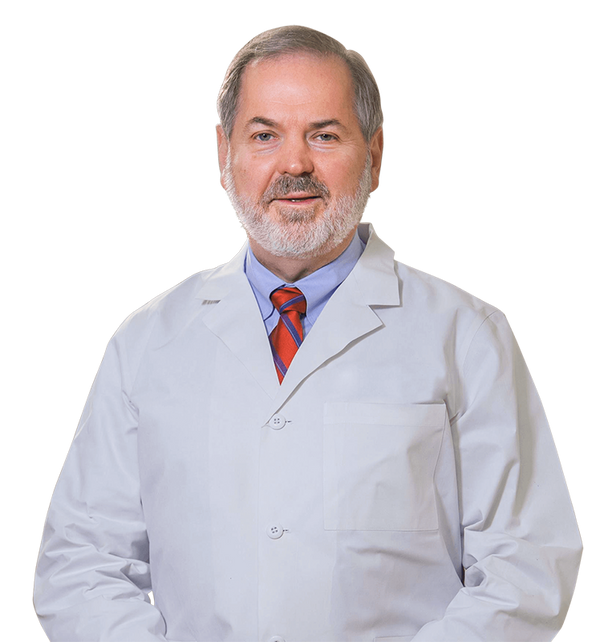
Dr. David Culpepper brings one last excellent point into this equation: dogs.
Dr. Culpepper, MD, has a professional degree in pharmacy, medical licensure (MD), board certification in internal medicine, and a fellowship with the American College of Physicians. Dr. Culpepper has extensive experience (30+ years!) in general medicine for both private practice and hospital settings.
He is the clinical director of LifeMD, a direct-to-patient telehealth company leveraging deep expertise in medicine and technology in order to elevate and streamline the healthcare experience for patients. Dr. Culpepper also teaches medical students and nurse practitioners.
And his advice is likely the most applicable and enjoyable way to get in your few walks a day:
Walks are so good for you that if I could, I would prescribe every patient a dog. Taking 3–4 brisk walks, even short ones, is wonderful for your cardiovascular system, your nervous system, and more, not to mention your waistline.
Of course, even with short walks some patients will balk at the suggestion of making time to do it 3–4 times per day. But you know who takes 3–4 walks a day without complaint? My dog.
And that means I take those walks too. Having a dog is a wonderful way to have those 3–4 walks already scheduled throughout your day, so unless you are a cat person, I highly recommend it.
Dr. Culpepper’s devotion to teaching and helping others to live healthier lives must certainly extend to our canine friends, as well.
They, like us, could use a little fresh air and a boost for their hearts that love us so much.
There you have it. I don’t know about you — but I’m convinced.
After all these years of setting completely unrealistic goals for myself!
All you have to do is decide today: I am going to prioritize just taking a walk. Not just occasionally, but a few times a day. I’m going to make this a new habit — and love my heart and body through intentional, enjoyable, stress-free movement.
In fact — take your dog!
Thanks for reading today about how walking helps your heart and health. Take care, dear human.
~Christina M. Ward
Freelance CBD, health, wellness, & beauty writer for 3 international companies; ghostwriter for several others. Here’s how you can learn more about writing for a living.
For more inspiration: