
21 Untranslatable Words English Needs To Adopt
It’s only fair. Have you seen some of the words they had to learn from us? These are so much better.

“The limits of my language mean the limits of my world.” — Ludwig Wittgenstein.
1. Lebensmüde

German for “weary of life, almost willing to kill or get killed because you’re done with it”.
John: Since we’re in lockdown my wife has been cooking all our meals, spending hours in the kitchen every day, but it never tastes good. I think I should tell her…
Johnny: Dude, you’re lebensmüde!
Luckily the word itself contains a smiley (umlaut | ü) to cheer you up.
2. Parea

Greek for “a group of friends that get together to enjoy nothing else but sharing their life experiences, philosophies, values, and ideas”.
John: I’m done with just going out every weekend. It empties my soul, and I’m broke right now.
Johnny: Let’s get the parea back together! Steve said the same yesterday, let’s talk about where life has taken us since last time.
3. Chindogu

Japanese for “a solution to a common problem that’s pretty useless otherwise”
John: Dude, Carlos says he is sick of using Safari. He left his laptop open! What should we do?
Johnny: Let’s change all of his browsers to Internet Explorer!
John: That’s one genius chindogu you got there!
4. Badkruka

Swedish for “somebody reluctant to go into a body of water while swimming outdoors”.
Johnny: Hurry up, don’t just stand there badkruka!
John: I’ll take my time on the edge of the lake. It’s way too cold for me.
Johnny: In Scandinavia it’s illegal to be a badkruka. YOU’RE GOING IN!
*shove*
*splash*
5. Chingada
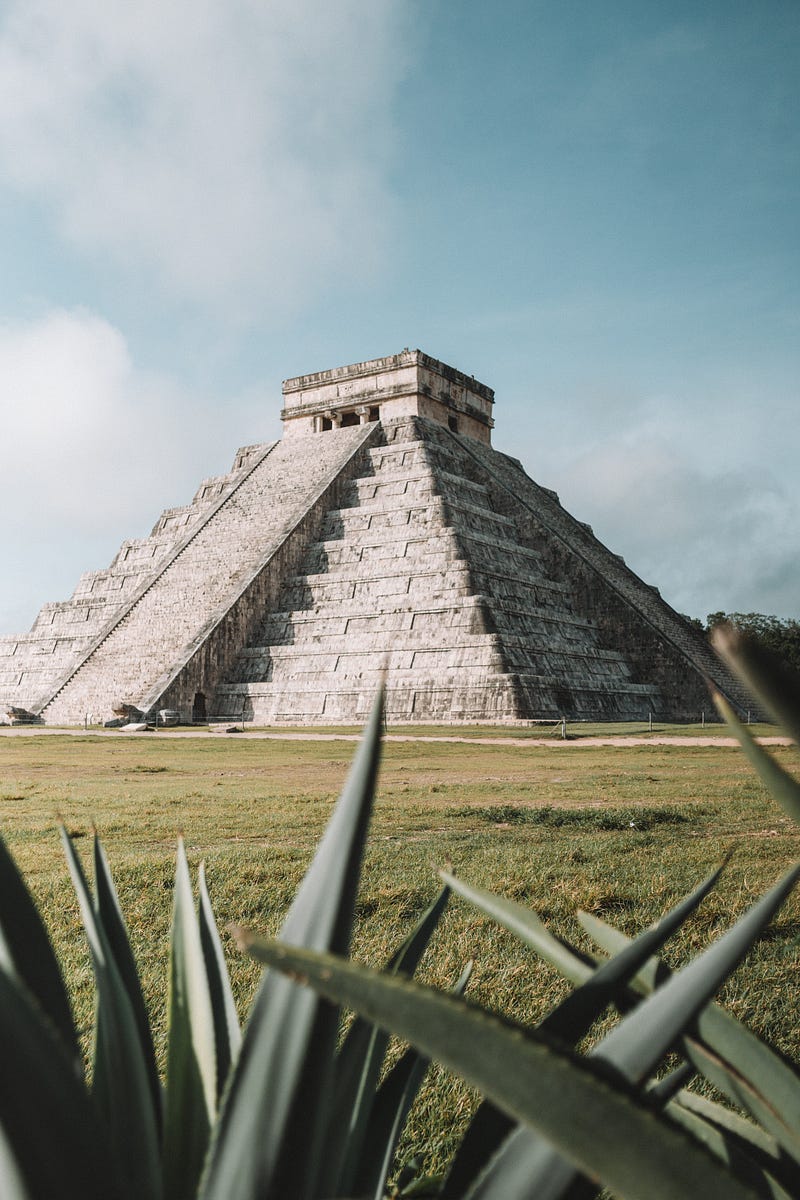
Mexican Spanish for “a hellish, imaginary, faraway place where you send all those who annoy you”.
John: Hey, I asked the old guy drinking mezcal. He told me we should definitely go visit this place called “la chingada.”
Johnny: Do you even know what that means, John?
John: Not really, it’s not on my dictionary or travel-guide. It seems to be an off-the-beaten-path sort of place. Hey, look! He just sent that American couple there too!
6. Zapoi

Russian for “two or more days of drunkenness usually involving a journey or waking up in an unexpected place”.
Johnny: What did you think of that restaurant?
John: It was all delicious! How did you even find it?
Johnny: Well, I woke up in their dumpster after last week’s zapoi, and the food around me still tasted pretty good, so I figured you’d like it!
7. Kabelsalat

German for “tangled up cables”, literally “cable-salad”.
John: Apparently every single time I put earphones in my pocket, even if it’s just five minutes, they come out impossibly tangled.
Johnny: Yeah man, it’s your personal pocket chef preparing you his signature kabelsalat.
8. Ikigai

Japanese for “a reason to get up in the morning, a reason to live”
John: Isn’t this just the best latte ever?
Johnny: Ahh coffee, my purpose, my ikigai.
9. Arbejdsglæde

Danish for “work happiness, the feeling of happiness provoked by a satisfying job”
John: I heard you closed the deal! Congratulations!
Johnny: Thanks! They told me I can go on vacation now, but who needs it with such arbejdsglæde. This job is my vacation!
10. Nekama

Japanese for “a man who pretends to be a woman on the internet”
John: Hahah check this out! This high school friend George is killing it on Tinder as a nekama, he’s already fooled two guys into a date.
Johnny: Ahahah, why does George look so good though?!
11. Cafuné

Brazilian Portuguese for “the act of running your fingers through someone’s hair in a loving way”
John: What happened to that girl Gina? Didn’t you have your first date last night?
Johnny: We did, but as I proceeded to try cafuné her at the movies her wig came off. Turns out he was some nekama named George, so we aren’t seeing each other anymore.
Johnny: Wait, what was that friend of yours called?
John: *grins*
12. Ta’aburnee

Arabic for “you bury me,” meaning one would rather die before the other because the first person wouldn’t be able to live without the second.
John: I saw we ran out of food, so I got us chocolate for breakfast.
Johnny: Ta’aburnee.
13. Uitwaaien

Dutch for “going out for a walk or to the countryside in order to clear one’s mind”
John: I’m sick of this city. If I have to smell the subway one more time…
Johnny: You should take a break. The city’s great, you’ve just overdosed.
John: Yeah, could be. I guess I should go uitwaaien somewhere this weekend.
14. Bababa ba?
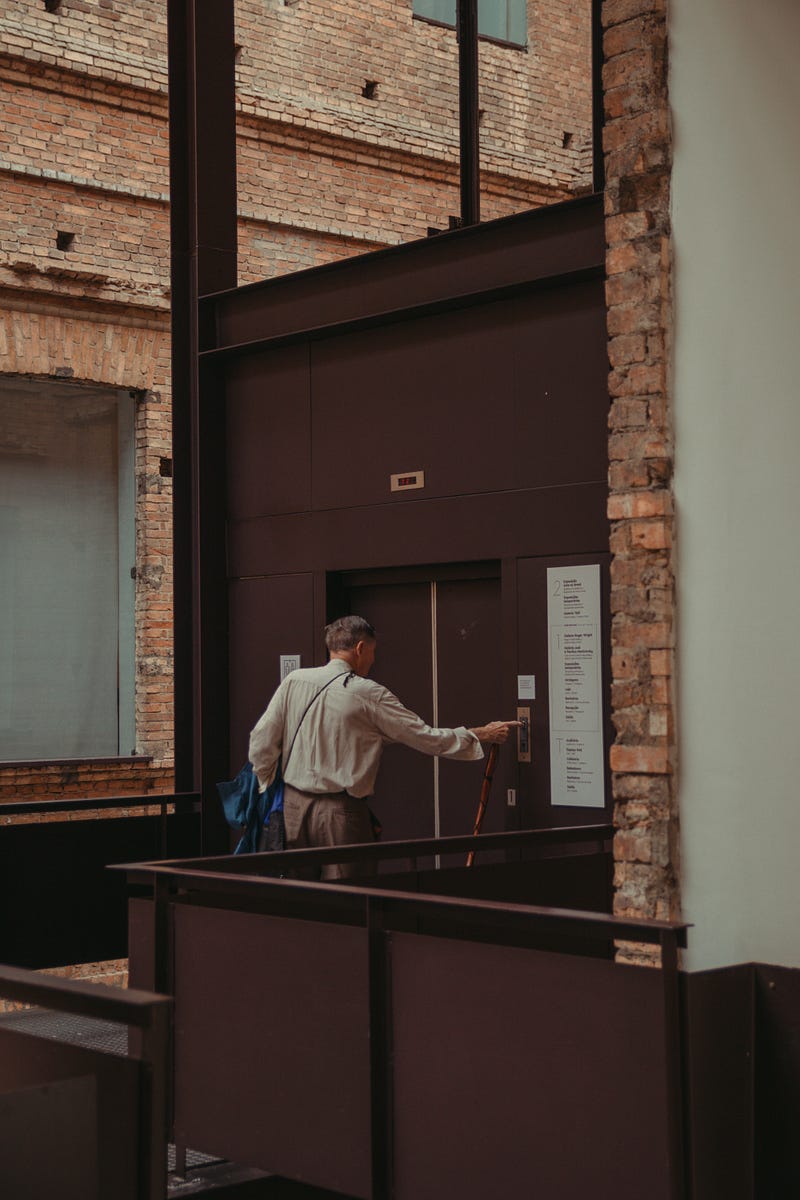
Tagalog for “is it going down?”
Choir of rushing New Yorkers: Bababa ba?
Person inside elevator: *awkwardly closes doors with a blank stare*
15. Feierabend

German for “the free time after you finish all work, literally means celebration evening”.
John: Good morning! I’m late but I’ll stay an extra 15 minutes. Why are you staring at the clock boss?
Boss: Counting down. Just 8 hours left until I can wish you a pleasant feierabend and leave this horrible place.
16. Kalsarikännit

Finnish for “getting drunk at home (usually alone and in your underwear), with no intention of going out, literally means underwear intoxication”.
Jane: So are we going to John’s house party tonight, or what?
Johnny: I’m leaning towards kalsarikännit.
Jane: I am so happy you said that, me too.
17. Pålegg / Beleg
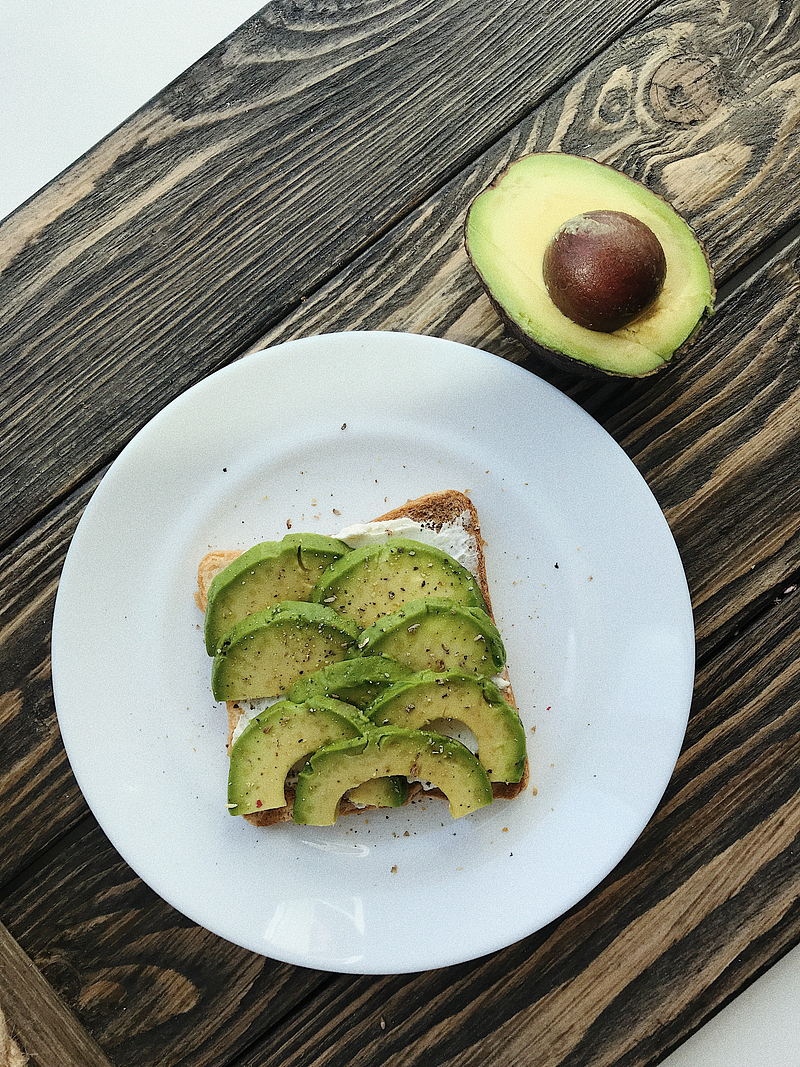
Norwegian / Dutch for “anything you put on a slice of bread”.
John: Do you have any pålegg at home?
Johnny: Avocadoes, vegan butter, jam, peanut butter, and pickles.
John: Wow it’s like beleg paradise in there!
18. Sobremesa
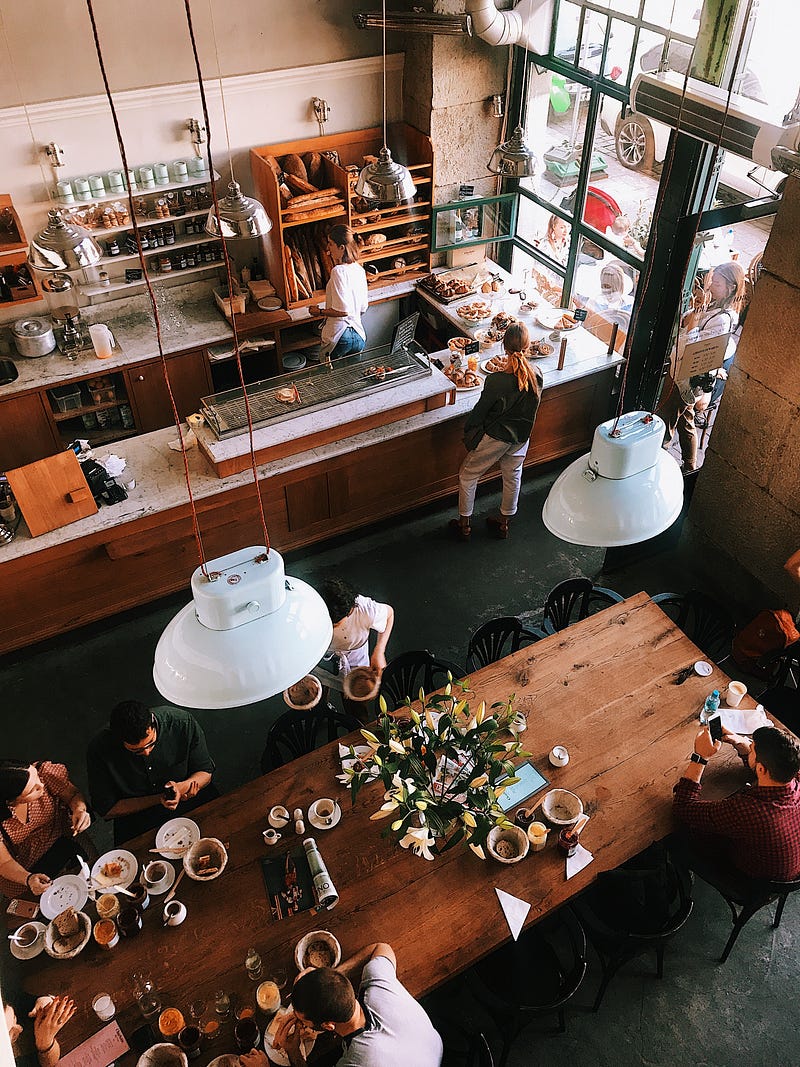
Spanish for “sitting at the table after a meal for a chill chat and coffee, literally means over-table”.
John: The whole meal was a bit awkward, but during the sobremesa she started giving me hints that she maybe likes me.
Johnny: She asked you out John, maybe she was temporarily stunned by the fact that you eat like a caveman’s baby, be glad it ended well.
19. Saudade

Portuguese for “the bittersweet feeling of nostalgia or profound melancholic longing for something or someone absent that one cares for and/or loves while simultaneously having positive emotions towards the future. It often carries the repressed notion of knowing that the object of longing might never be experienced again”.
Jane: I’ve been having saudades of Johnny. Our honeymoon in Rio De Janeiro was the best time of my life.
John: I have my fair share of saudades for when we all caught up with you two after it and celebrated carnival together, I can’t imagine.
20. Bayanihan
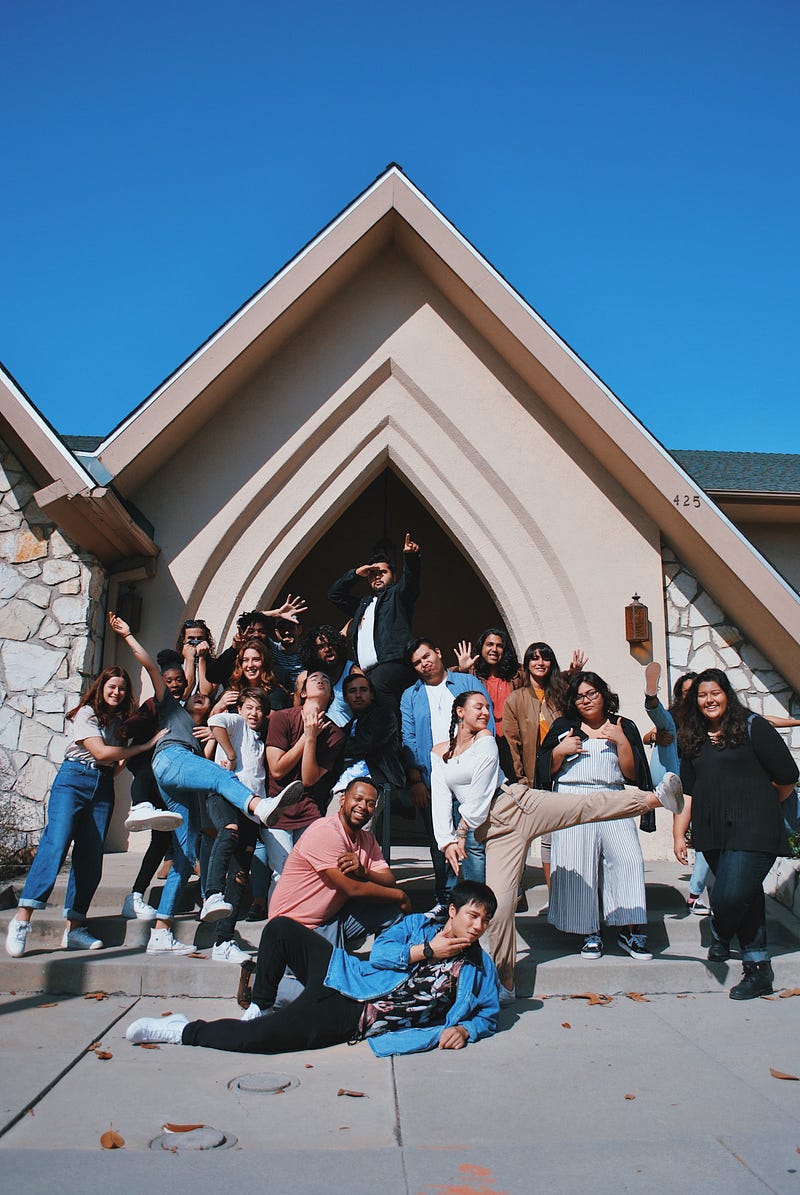
Tagalog for “the act of helping each other in moments of necessity. For example buying food for the entire community during quarantine, pushing a car for someone stuck, or building a house for someone who needs one, etc”. Literally means “being in a town/community”
John: Did you see how almost everybody in Mexico City helped out after that horrible earthquake? From kids to CEO’s, all kinds of people started helping clear the rubble and serve food to those who lost everything.
Johnny: Yes, that was indeed heartwarming, in times of crisis, bayanihan emerges, if only it were always like that.
21. Hyggelig / Koselig / Gezellig / Mysigt

Danish, Norwegian, Dutch, and Swedish versions of the same concept for “a quality of cosiness and comfortable conviviality that engenders a feeling of contentment or well-being”.
Johnny: Are you heading home already? It’s still mysigt in there!
John: I know, but my Danish friends want to bring the hygge home, they’re making cinnamon rolls for some reason.
Johnny: Is Jane going to be there? She’s real koselig to be around. I think I’ll join!
John: Gezellig!
Hopefully we remember some of these, I for one have been angrily shouting kabelsalat at every tangled cable I’ve encountered since 2016. This has become even more common now that I’ve been working from home during quarantine. If you are self-isolating and can’t just go uitwaaien like me, here’s a relaxing remote world-trip I designed for that specific purpose:
If you have an additional fun and untranslatable word to submit, feel free to let me know about it!


