
WISER LEADERSHIP & SELF MASTERY
13 Animals that Symbolise Wisdom
Looking to the animal kingdom to describe the elusive quality of wisdom
Wisdom is my thing. Well, one of my things. But even though it’s a relatively well-known trait, and widely described, attaining wisdom can be a bit like grasping water. In my often Sisyphean pursuit of wisdom, I tend to take a multi-pronged approach (a bit like my approach to using metaphors to make a point).
Many people have sought to use metaphor and simile to understand wisdom — perhaps a less obvious path to understanding wisdom is animal symbology.
So below are a number of animal wisdom symbols and the best understanding we have as to why they have come about within their respective cultures.
Tiger — Korea
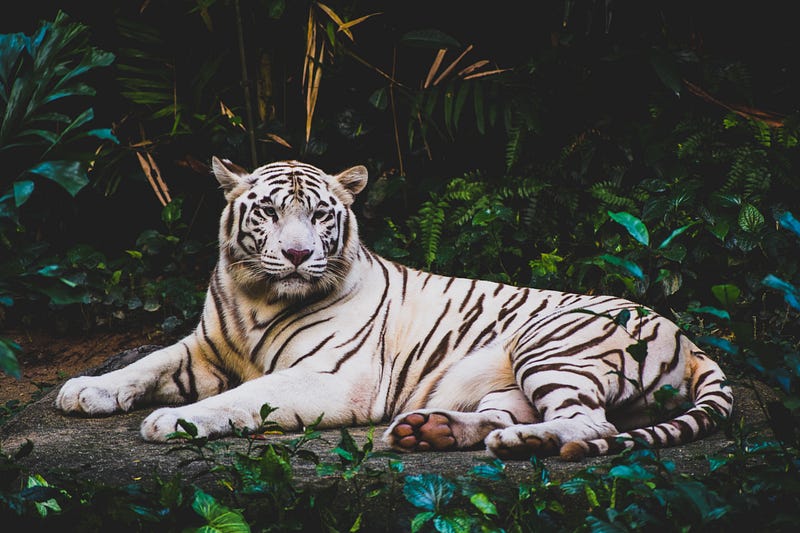
As you might imagine the tiger tends to symbolise power, strength and courage in most cultures. But in Korean culture, the rarity of the white tiger also symbolises wisdom. The tiger is also one of the animals of the Chinese Zodiac.
In Life of Pi, the Tiger (called Richard Parker) is a major protagonist and symbolic of the animal nature in all of us. Pi’s survival relies on facing his animal nature as well as the huge predator in the boat. Richard Parker forces Pi to face many parts of his own nature.
Ravens — Anglo-Saxon, Norse, Native American
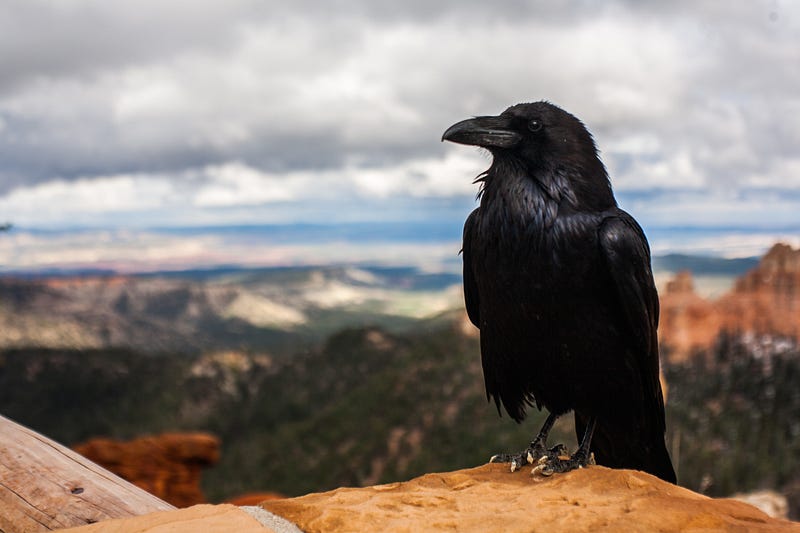
The term raven is a catch-all term that’s used interchangeably for almost any black corvid (i.e. raven, crows and rooks).
My consultancy company is called Woden which is the Anglo-Saxon (since I was born in the UK) version of Odin. In the story of Woden/Odin he attains wisdom through suffering. Depending on the version of the story it includes a raven plucking out one eye. But far from being an enemy of the god, they’re his allies.
In Mesopotamia, Ravens are also the animals of the wisdom and ritual god Enki.
Ravens are also featured as tricksters and wisdom deities in many Native American mythologies. The exact stories and role of the raven varies depending on the specific tribal oral tradition. Some see the raven as the wisest amongst birds, perhaps with the capability of speech. Some see it as the creator of all things and the spirit that unlocks the nature of the universe. However, it seems those tribes that credit the raven with more power also make it more selfish and more trickster-like.
Elephant — Africa, India and More Widespread
Hailing as one of the animal kingdom’s largest and most powerful entities, the elephant has animal symbolism across many different cultures. Folklore throughout the African continent highlights the relationship between humans and elephants.
Many people believed in the wisdom of elephants. The three great animal chiefs from Gabon legend are the leopard, powerful and cunning, the monkey, malicious and agile, and the elephant, wise and strong.
In Indian culture, elephants have been used in battle and prominently endowed with religious symbolism through the various gods and goddesses. Ganesh, the Hindu God has the head of an elephant and is considered to be the embodiment of compassion, loyalty, and wisdom.
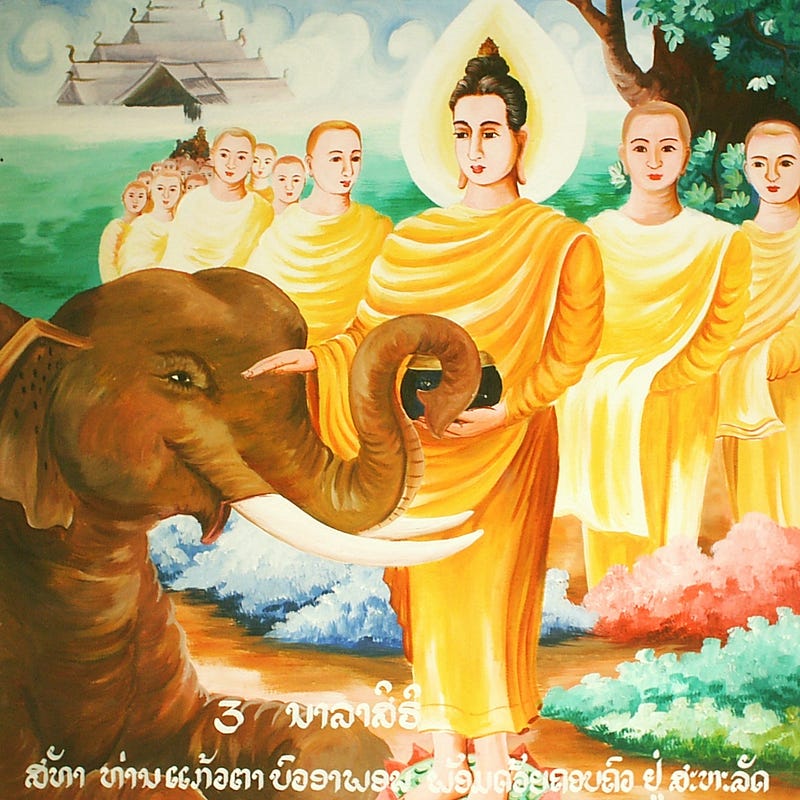
‘Elephants do not have the greatest eyesight in the animal kingdom, but they never forget a face.’ They’re said to be able to remember the face of every other elephant they have come into contact with for their entire lives. This is essential for knowing who they can trust and who they can’t but has a remarkable level of social value. It’s probably this memory that helps to give them a wise persona along with human-like traits such as grieving for dead members of the herd.
Whale — Modern Spirituality

If you want to know about long life, look at the great whales. The longest-lived mammals on earth are two species of Baleen whales (humpback whales and fin whales) who can live over 90 years.
The whale is a modern symbol of wisdom as we have learnt to understand its nature more. They are intelligent and apparently care for one another. They can communicate using deep low sounds that travel long distances under the sea. There is something of their quiet perseverance that evokes a sense of wisdom.
Aside from the modern symbolism the sheer size of these creatures means they’re probably the source of many myths of seas creatures. In fact, the famous ‘Jonah and the Whale’ story from the bible (the Book of Jonah) may not have been about whales as all but simply a sea-creature distorted through translation.
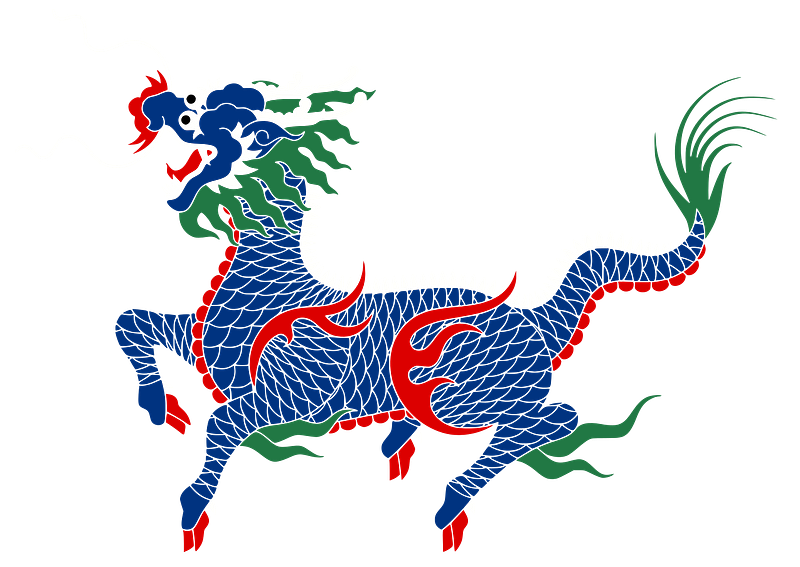
Qilin (麒麟) — Eastern Traditions
A mystical hooved Chinese chimerical creature, with a physical appearance of various animals like deer, horse, ox, dragon. It occupies a strange place in Eastern mysticism and no doubt this varies depending on the specific culture. It often symbolises protection but of course also wisdom and goodwill. It guards the gates of heaven and here there is an additional link to wisdom - it’s said to appear with the imminent arrival or passing of a sage.
Owls (Most Western Traditions)
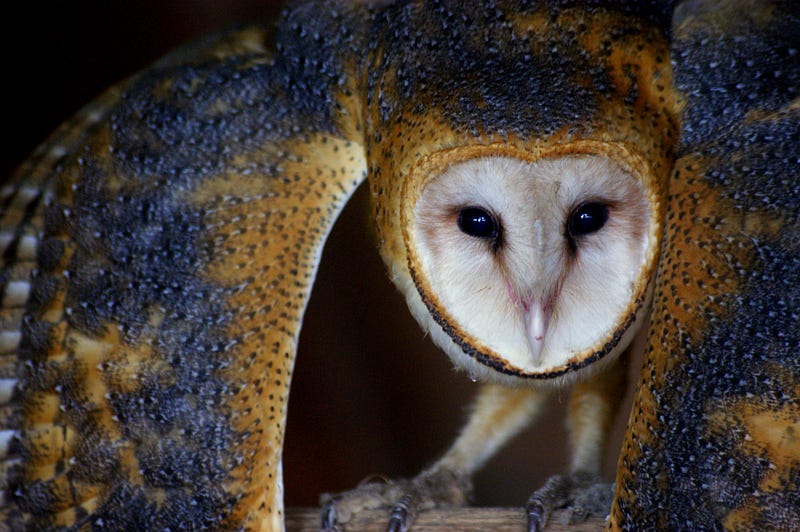
In Western culture, owls are synonymous with wisdom and knowledge. You notice it in childhood stories like "Winnie the Pooh" and college mascots like the Temple Owls. Cartoon owls wearing caps and gowns appear on graduation cards, and owls in reading spectacles are regularly spotted on signs for libraries and bookstores. In Greek and Roman mythology, owls were associated with education, intellect and magic, probably because of their wide eyes, solemn expression and ability to see through darkness.
The owl is associated with wisdom because the goddess Athena was accompanied by this beautiful bird. She was considered an image of this virtue, as well as of the arts and tactics of war. It was said that Athena had owl eyes because of her intelligence and great insight, so this bird was adopted as a symbol of wisdom, imagery that endures even in our times.
In India, owls are considered foolish and stupid and this seems to be backed up by science, sadly. Instead, it must be the appearance of wisdom — observant, conserving energy, all-seeing, open, quiet that has cemented their reputation in the west.
Salmon (Celtic Tradition)
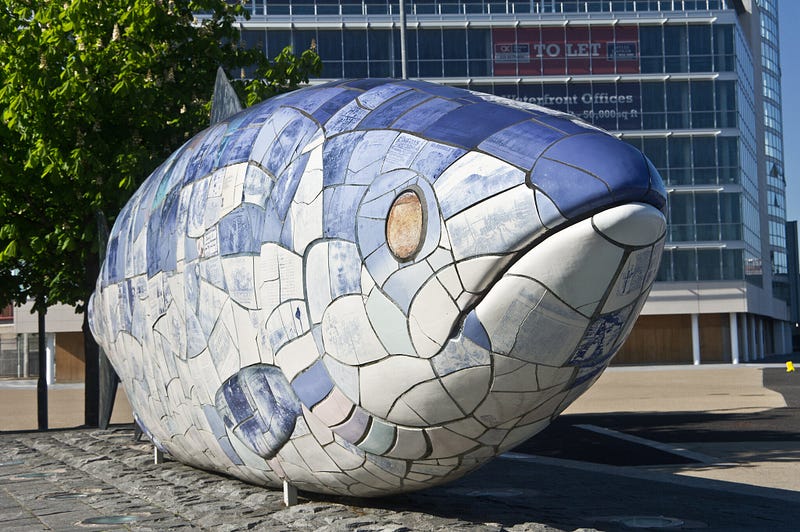
Salmon were often times featured as wise or associated with wisdom in various Celtic mythos, as in The Boyhood Deeds of Fionn, where Fionn mac Cumhaill gains great wisdom after burning his finger then licking the hot grease from the burn while cooking a magic salmon for his master to eat.
Salmon are known for swimming upstream annually to mate. A reoccurring theme for many wise animals seems to be habits linked to the seasons. Wisdom it seems is sometimes interpreted as being ‘at one with nature’. Tribal traditions may have reasoned it’s unwise to try to fight nature. A lesson perhaps more modern societies have yet to learn.
Lion — Christian
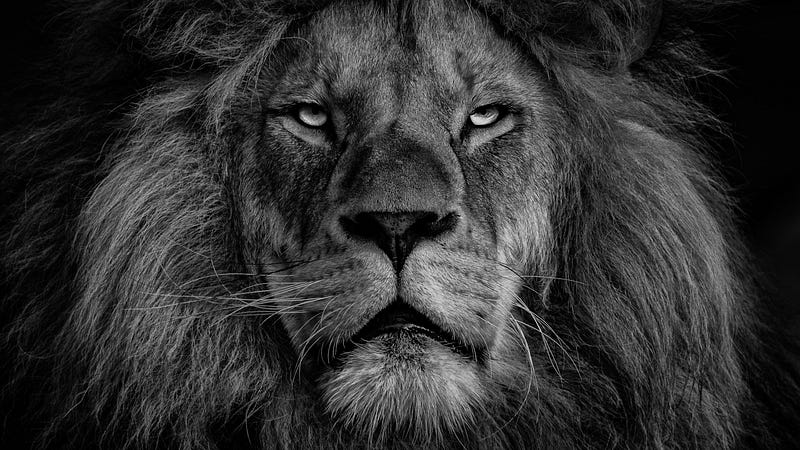
One of the most well-known animals that represent wisdom in the bible is the lion. In fact, there are several passages that focus on how these creatures are intelligent and represent forms of knowledge. The Lion has been associated with wisdom for many centuries now, which is why it can be seen throughout history and even today.
In Lewis Carrol’s The Lion the Witch and the Wardrobe Azlan is the leader of the KIngdom of Narnia and the wisest amongst its population. The icon character seamlessly assumes a wise demeanour and carries with him biblical imagery of sacrifice and resurrection.
Of course, the Lion also represents power and strength but in Buddhism Buddha is sometimes seen to be sitting on a Lion as a symbol of consistency, strength and wisdom. In China, the lion dance is a dance associated with a mythical creature rather than an actual lion (since lions aren’t native to China) in this form the lion represents different things depending on the name and associated colouring in the dance.
Dragon — China
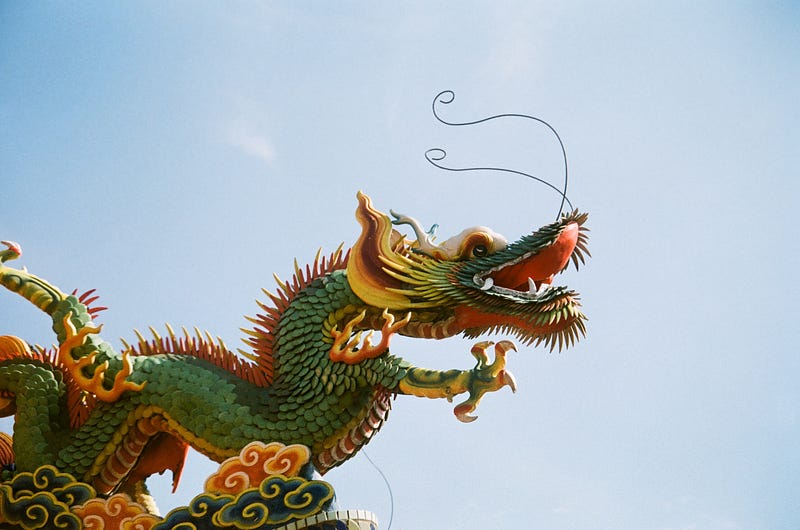
In Chinese mythology, the dragon has been known as a symbol of strength and power for thousands of years. They represent wisdom because they’re often said to be able to change into other forms or take on human characteristics. In some cultures, dragons are worshipped as gods and goddesses, while in others, they’re thought to have magic-like powers particularly related to weather.
During the Ming and Qing dynasty, the Five Claw Dragon was banned as an image used outside the Imperial office believing it would lead to the population aspiring to be more than they were and rising up. This seems to mesh with the idea that authority abhors and fears wisdom (from the Nazis to the Biblical empires of Egypt and Rome).
In Buddhism, the dragon mythology merges with that of the naga which are more regional stories of great and wise serpents.
The Ant — Various Folklores
None preaches better than the ant, and she says nothing. — Benjamin Franklin
Go to the ant, thou sluggard; consider her ways, and be wise. — Proverbs. VI. 6
One bright day in late autumn a family of Ants were bustling about in the warm sunshine, drying out the grain they had stored up during the summer, when a starving Grasshopper, his fiddle under his arm, came up and humbly begged for a bite to eat.
“What!” cried the Ants in surprise, “haven’t you stored anything away for the winter? What in the world were you doing all last summer?”
“I didn’t have time to store up any food,” whined the Grasshopper; “I was so busy making music that before I knew it the summer was gone.”
The Ants shrugged their shoulders in disgust.
“Making music, were you?” they cried. “Very well; now dance!” And they turned their backs on the Grasshopper and went on with their work.
There’s a time for work and a time for play.
In the above fable (retrieved from the Library of Congress), the ant is a long-term thinker and works very hard, sacrificing immediate gratification throughout the harvest season as it gathers food for storage to get the ant colony through the winter.
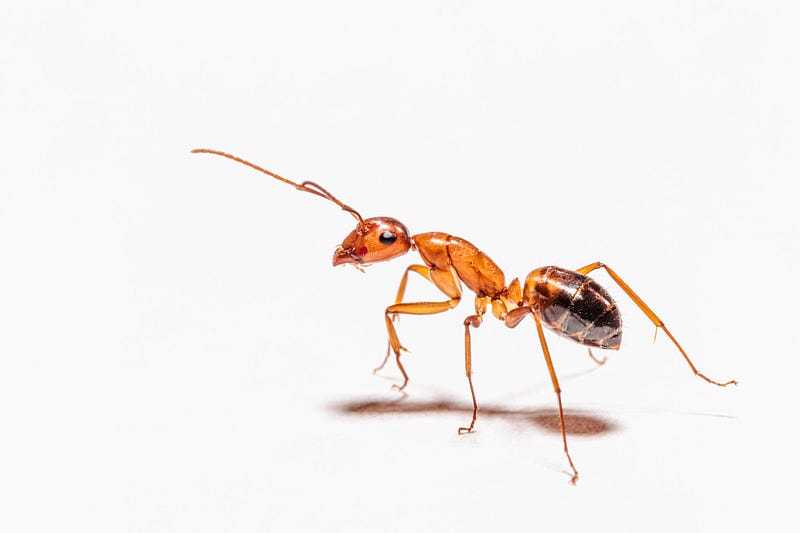
In some versions of the fable, the ant and fellow colony members show mercy and generosity toward the grasshopper, tapping into their own precious food reserves to feed the irresponsible and negligent grasshopper.
Mouse — Christianity
Because of its small size, the mouse is the target for many predators. However, they have survived in nature in various forms — defying extinction, and thriving in various forms across the world. Experience in the form of evolution has given them the wisdom to escape dangers and reproduce frequently so their species continues to survive.
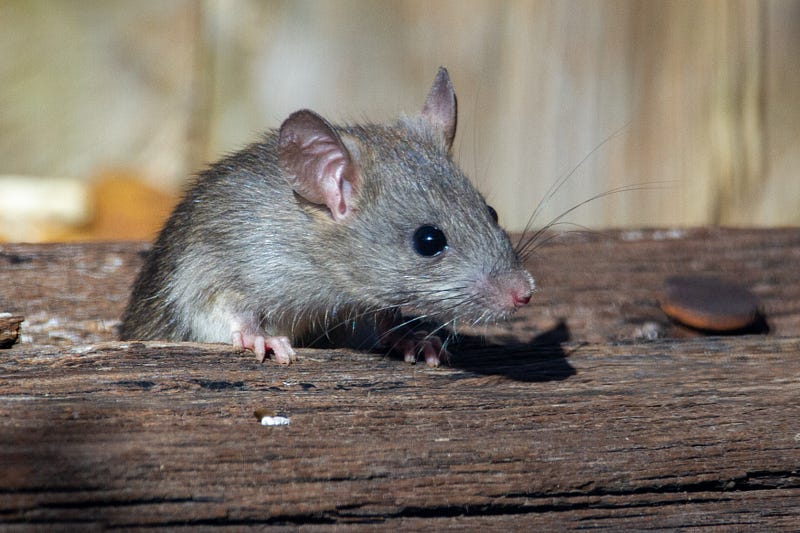
Personally, my cats often bring these beautiful creates into my house (often alive). I am then tasked with catching them and can simultaneously appreciate their skill at evasion and presumably my cats’ hunting ability. Mor than once I have experienced a positively cartoon-like confusion when I have grabbed at the space previously occupied by a mouse to come away with nothing but air.
Despite being tiny, (and possessed of an equally tiny brain) the mouse is one of the most intelligent creatures in the animal kingdom. In fact, they’re capable of remembering up to 20 different places where they can find food as well as about 10 different types of dangers and it's believed they’re capable of quite complex communication. This, along with its wiliness, is probably why it has often been used chosen to represent intelligence and wisdom in Christianity and other cultures.
Fox — Multiple cultures
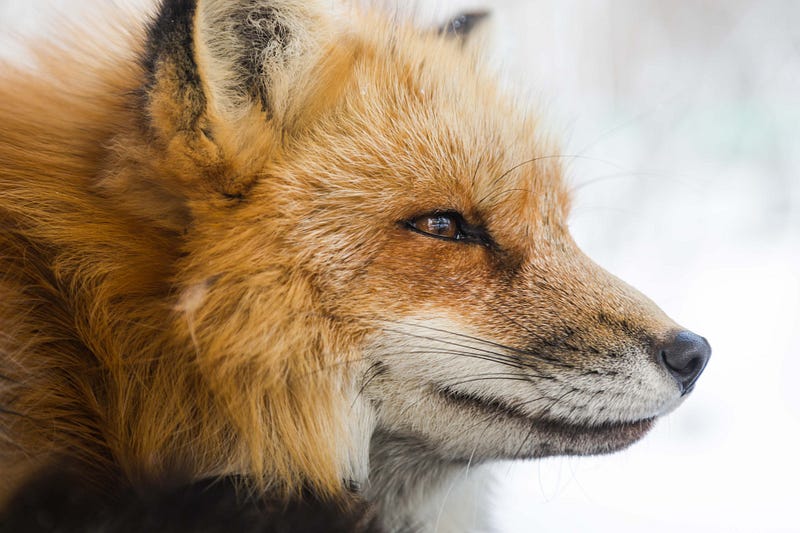
The fox is said to be a very cunning animal. This is sometimes represented as a virtue and sometimes as something more nefarious.
It probably gained this reputation as a pest and adversary to the farmer. Evolving from this is the hunt in Britain where the ability to capture and kill the fox is seen as a challenge despite being outnumbered by men and women on horseback and packs of dogs.
Foxes can be domesticated in the scientific definition — demonstrating their nature to cooperate with not only their own species but other species too. In fact, they can so some extent be trained — reinforcing their intelligence.
When other animals do not find a way to cross the river, the fox is able to find a narrow area to cross, or a trunk to climb onto — modern science backs up their problem-solving capability.
It’s no surprise that the sly fox has a reputation for being cunning and deceitful — with Christianity going as far as to say it has devil-like qualities. However, other cultures have positive representations of the fox which include its value to humankind and as a symbol of wealth. In Japanese culture, the fox is considered a fertility and agriculture symbol.
In Mesopotamian mythology, the fox was among the sacred animals of the goddess Ninhursag. He was seen as her divine messenger.
So the fox’s reputation for wisdom seems to be in the ‘eye of the beholder’. If she is eating your chickens it’s a demonstration of slyness. But to an observer problem-solving and resourcefulness can appear to be a lot like wise decision making.
Tortoise/Turtle

Wisdom is very much related to longevity. We understand the value of life experience and the more we live, the wiser we become. For this reason, the tortoise, one of the animals with the highest life expectancy, is among the most common symbols of wisdom. There are tortoises that have lived up to 250 years, so it’s easy to imagine how much experience they will have accumulated in all that time.
The turtle is a symbol of longevity and endurance, perhaps because it has survived numerous earth changes through the ages. It’s also considered an emblem of Mother Earth and India, China and North America have the legend of the world turtle a cosmic turtle that carries all of creation.
Turtles are also perceived to be relatively placid and on the whole not aggressive. Which, combined with their age and slow and steady approach, probably accounts for their association with wisdom.
A great example of this is in Kung Fu Panda, which depicts Master Oogway as the wise mentor and Neverending Story has Morla the Aged One.
Overall we find the animals that have gained a reputation for wisdom have a more peaceful nature. They are often problem solvers and smart enough to stand out on this trait in the animal kingdom. Often longevity helps to cement their reputation since we have a lay understanding that ‘wisdom comes with age’. Interestingly we have both predators and prey, — carnivores, omnivores and herbivores in the list — perhaps suggesting, at least in how we perceive animals, that acts of violence are not unwise if the cause is survival


