avatarBhavnaa Narula

Free AI web copilot to create summaries, insights and extended knowledge, download it at here

5666

Abstract

b">Butchering marks found in the leg joint indicated that the animal was used for food. However, how it got to the restaurant in the 1st place remains a bit of a mystery. This is especially true given that it’s the only giraffe bone ever to be recovered from the Italian excavation.</p><p id="f9fe">Along with giraffes, the Romans apparently enjoyed camel at least as an occasional delicacy. An excavation of an ancient garbage dump in Rome yielded camel bones that bore marks indicative of Elagabalus’ strange predilection for eating the animal’s heels. Why did he do that?</p><p id="0bf0">Well, according to one biography, the emperor frequently ate camel heels because he was told that the one who ate them was immune to the plague. Using camel parts as medicinal remedies weren’t uncommon.</p><p id="b211">Writing in the 5th Century, the Roman physician Caelius Aurelianus criticized the use of camel’s brain as a remedy for epilepsy which was apparently common among his predecessors.</p><h1 id="3bd8">Weasel</h1><figure id="c92c"><img src="https://cdn-images-1.readmedium.com/v2/resize:fit:800/0*Xn5ndyvTV0anCjXV"><figcaption>Photo by <a href="https://unsplash.com/@magaliiee13?utm_source=medium&amp;utm_medium=referral">Magalie St-Hialire Poulin</a> on <a href="https://unsplash.com?utm_source=medium&amp;utm_medium=referral">Unsplash</a></figcaption></figure><p id="1100">Speaking of folk remedies for epilepsy, weasels weren’t regularly served at Roman feats, but they were believed to be handy to have around for medicinal purposes. Pliny the Elder took some time off from getting drunk with parrots to write that as a treatment of epilepsy, the brains of a weasel were considered very good.</p><p id="6536">For use as a remedy, the brain was dried up and then taken in a drink. Other helpful parts of the weasel were its liver and uterus or testes, which would be dried up and taken with coriander.</p><p id="b252">Weasel flesh, when combined with salt, was supposedly helpful for healing people bitten by snakes. However, by the 5th century, Caelius challenged the idea that weasel bits were curative for epilepsy, exactly as he had done for camel’s brains.</p><p id="0e55">He turned out to be right, much to the relief of camels and weasels everywhere.</p><h1 id="9fb2">Lamb's brain</h1><figure id="f55d"><img src="https://cdn-images-1.readmedium.com/v2/resize:fit:800/0*fBf1tSqno_yQTlwJ"><figcaption>Photo by <a href="https://unsplash.com/@moonboyz?utm_source=medium&amp;utm_medium=referral">Bill Fairs</a> on <a href="https://unsplash.com?utm_source=medium&amp;utm_medium=referral">Unsplash</a></figcaption></figure><p id="c731">The brain was a common food. And if you go to the restaurant Animal in Los Angeles, it still is. The brain was frequently mentioned in Apicius with those young sheep and cows especially featured throughout the ancient cookbook.</p><p id="3c24">One notable recipe includes lamb brains along with eggs, pepper, and interestingly rose petals. Brains were also commonly used to stuff sausages and other meat dishes.</p><p id="cd6b">Apicius’ recipe for Apician jelly includes either the sweetbreads of calf or lamb with a variety of other ingredients including but not limited to honey, raisins, nuts, cheese, and mint. <b>Once the ingredients were combined, they were to be covered and chilled, which in those days typically meant buried in the snow.</b></p><h1 id="1f03">Garum</h1><figure id="fc7c"><img src="https://cdn-images-1.readmedium.com/v2/resize:fit:800/0*Zr0RXl1C8UiSsAjG"><figcaption>Photo by <a href="https://unsplash.com/@hoanvokim?utm_source=medium&amp;utm_medium=referral">Harris Vo</a> on <a href="https://unsplash.com?utm_source=medium&amp;utm_medium=referral">Unsplash</a></figcaption></figure><p id="cb0d">The ancient Romans didn’t use ketchup, but they loved a good condiment.</p><p id="310f">Their favorite was a tasty concoction known as garum or liquamen. Sold in large and small quantities alike, garum was prepared from the intestines of fish and various parts which would otherwise be thrown away, kind of like a Roman version of the McRib.</p><p id="bfc8">The ingredients would be mixed with honey, vinegar, and other additives. Garum is even known to have come in kosher varieties.</p><p id="fd50">According to Pliny the Drunk Parrot Guy, garum was extremely expensive, not like the McRib. As he tells it, ‘’<i>A garum of mackerel from the fisheries of Carthage is the most highly prized. Hardly any other liquid commands such prices, apart from perfume.’’</i></p><p id="ce6c">Given that garum was cost-prohibitive, lower-class Romans typically opted to substitute something called Allec. Originally made from anchovies, Allec was basically the remnants of good garum or was made out of smaller, cheaper fish.</p><h1 id="ecfa">Dolphin, jellyfish, and sea urchin</h1><figure id="62f7"><img src="https://cdn-images-1.readmedium.com/v2/resize:fit:800/0*I0bdiP_ppZ3pH19y"><figcaption>Photo by <a href="https://unsplash.com/@lanceanderson?utm_source=medium&amp;utm_medium=referral">Lance Anderson</a> on <a href="https://unsplash.com?utm_source=medium&amp;utm_medium=referral">Unsplash</a></figcaption></figure><p id="9bd7"><b>Romans loved seafood.</b> They ate all varieties of fish and weren’t above dining on a good dolphin if the mood struck. Dolphin, although not a fish, was a popular ingredient in salt fish balls, which were commonly served in wine sauce.</p><p id="c48c">The recipe typically called for a mixture of fish flesh with spices like parsley, pepper, and mint. Once the ingredients were blended and shaped into balls, they would be poached in wine, broth, and oil.</p><p id="2c43">Fo

Options

r what it’s worth, the dolphin was prohibited for use as food by legislation. However, wealthy citizens found ways around those laws. For example, one Rutilius Rufus was said to avoid those laws by buying from fishermen who used to be his slaves. Let’s give the old slave boss a deal.</p><p id="ed9d">The Jelly wish wasn’t common on Roman menus. But when they did turn up, it was always a part of a salad. The sea urchin was slightly more common. In fact, the same Pompeii excavation that dug up that freak giraffe found the remains of the sea urchin.</p><p id="7cee">Apicius advocated using sea urchins on top of a mega casserole that included ingredients from brains to cheese. They could be boiled or eaten raw. Popular varieties included sea urchins stuffed with eggs and honey or simply dusted with pepper and salt.</p><h1 id="69b8">Dormice</h1><figure id="c688"><img src="https://cdn-images-1.readmedium.com/v2/resize:fit:800/0*gjoNZIN-hJAzXfug"><figcaption>Photo by <a href="https://unsplash.com/@bonniekdesign?utm_source=medium&amp;utm_medium=referral">Bonnie Kittle</a> on <a href="https://unsplash.com?utm_source=medium&amp;utm_medium=referral">Unsplash</a></figcaption></figure><p id="9e85">In modern times, we typically turn to cats that will clean up a mouse problem.</p><p id="e31e">But in ancient Rome, weasels were the animals that most households kept keeping rodents at bay. Door mice, however, which were much larger than traditional mice, were considered ingredients for culinary practices.</p><p id="35d6">Like dolphins, door mice were at least for a time protected by legislation. It didn’t make much of a difference though. Romans continued to hunt these adorable and apparently tasty critters anyway.</p><p id="9ab5">In fact, in order to make sure the supply of yummy, yummy door mice didn’t run out, Romans took to raising them at home. Hand-raised door mice were fattened up ad kept in jars, stuffed with corns, beach nuts, or chestnuts. Once the mice put on enough weight, Apicius recommended stuffing the chubby mice with pork pounded with pepper, nuts, silphium, and broth.</p><h1 id="f109">Blood Pudding</h1><figure id="5a69"><img src="https://cdn-images-1.readmedium.com/v2/resize:fit:800/0*b8BiuY-7U3V6ZFSh"><figcaption>Photo by <a href="https://unsplash.com/@wesual?utm_source=medium&amp;utm_medium=referral">Wesual Click</a> on <a href="https://unsplash.com?utm_source=medium&amp;utm_medium=referral">Unsplash</a></figcaption></figure><p id="ba78">Blood pudding was kind of the pasta with butter of its era. The ingredients were readily available, and the dish was considered very easy to prepare. Sacrificed animals and those used in the arena were repositories of lifeblood, which was an important ingredient in such puddings as well as in blood sausage.</p><p id="fd70">Blood pudding and sausage could be purchased at the market, but the vendors who sold them were typically low on the social ladder. Kind of like an ancient Roman Jackius in the Boxius.</p><p id="254c">Apicius suggests mixing blood with egg yolks, nuts, and spices, then putting the resulting sauce into an intestine and cooking that mixture to perfection.</p><p id="c6eb">Roman sausages, in contrast to black sausages associated with the British, used onion to absorb the liquid rather than oats or other grains.</p><h1 id="300d">Posca</h1><figure id="f7ef"><img src="https://cdn-images-1.readmedium.com/v2/resize:fit:800/0*22V2xtq4-c3X3xVQ"><figcaption>Photo by <a href="https://unsplash.com/@qwitka?utm_source=medium&amp;utm_medium=referral">Maksym Kaharlytskyi</a> on <a href="https://unsplash.com?utm_source=medium&amp;utm_medium=referral">Unsplash</a></figcaption></figure><p id="242d">While the rich drank fancy wine, the poor would enjoy a more pedestrian drink.</p><p id="51be">Without access to the best vino, many Romans drank posca, which was water mixed with vinegar and some variety of seasoning. Posca might include lemon juice, eggs, certain types of fruits, and sometimes wine.</p><p id="9c82">Easy to make, posca was known as the drink of Roman soldiers, which is a great marketing slogan. It was known to energize and refresh the consumer and even disinfected non-potable water.</p><p id="170a">Less appealing than posca was Lora, a wine typically consumed by slaves. As the Mad Dog 20/20 of this era, Lora was made by soaking seeds and other detritus from wine in vinegar, which was meant to seep out any latent flavor.</p><h1 id="68a9">Ostrich</h1><figure id="48c3"><img src="https://cdn-images-1.readmedium.com/v2/resize:fit:800/0*jjsNsJOJpbK5Iix4"><figcaption>Photo by <a href="https://unsplash.com/@camerlin?utm_source=medium&amp;utm_medium=referral">Catherine Merlin</a> on <a href="https://unsplash.com?utm_source=medium&amp;utm_medium=referral">Unsplash</a></figcaption></figure><p id="8ba9">Another animal imported from far away, the ostrich was a rarity on Roman tables.</p><p id="0210">The Roman physician and philosopher Galen found that ostrich was gross. He believed that they were hard to cook, and didn’t like that their flesh was, according to him, full of residue.</p><p id="a0e1">On the other hand, ostrich eggs were highly valued and prized for their size and flavor. Unlike Galen, Apicius found some value in ostrich meat, offering recipes for boiled ostrich and ostrich stew.</p><p id="c597">Emperor Elagabalus, for his part, loved ostriches. According to the history of Augusta, he would sometimes serve them at banquets and often purchase their heads so he could eat their brains.</p><p id="08c0">If nothing else, you must respect this guy’s curious palate.</p><p id="4fe9">Thank you for reading :)</p></article></body>

12 Weirdest Foods from Ancient Roman Cuisine

Make sure you stop eating first

Photo by Jakub Dziubak on Unsplash

When we say Italian food, we often think that many popular and delicious dishes like Tagliatelle pasta, Bolognese sauce, chicken Parmesan, and, of course, pizza.

We rarely think of the dishes that were popular with the Ancient Romans such as dolphin meatballs, parrot heads, and fermented fish guts. The people of Rome routinely chowed down on things most modern-day folk would shudder to even think about putting in their mouth.

Today we’re going to look at the weirdest foods from ancient Roman cuisine. OK but your bib on. We’re about to sink our teeth into some creepy Roman food.

Peacock

Photo by Vivek Doshi on Unsplash

For the people of the ancient Roman world, meat was a bit of a delicacy and it was almost exclusively enjoyed by the rich. Exotic meats like Peacock were even more of a rarity. The bird was typically served by cooks trying to impress wealthy guests.

According to a collection of recipes and food facts from the 1st century called Apicius, the peacock was considered a first-ranked dish. That meant it outranked foods like rabbit, lobster, chicken, and pork in terms of its value as a luxury.

Roman elites also enjoyed the Peacock’s eggs, which were also ranked highest among their counterparts.

Sow’s Womb

Photo by Külli Kittus on Unsplash

Don’t eat too much. Save some womb for this. Sterile Sow’s womb may not sound super appetizing to most, but the ancient Romans really loved it.

To keep their pigs from having piglets, Romans typically had the animals spayed. This would ideally keep the animal’s womb, pristine in both texture and taste.

Apicius details numerous recipes featuring this delicacy, which is often accompanied by things like belly flesh and udders. There were numerous ways to prepare a Sow’s womb. One was to cook it in pepper, celery seed, dry mint, laser-root, honey, vinegar, and broth.

Alternatively, a Roman chef might grill the sow’s womb after coating it in bran and then putting it into a brine. From all this talk, one may have a hankering for womb now.

Parrot

Photo by Zdeněk Macháček on Unsplash

One of the ancient Roman empire’s most famous gourmands was Elagabalus, who was emperor during the 3rd century from 218 to 222 CE. Contemporary writings about Elagabalus said that he loved hosting fancy dinner parties.

Ancient gossip recorded in the Historia Augusta claims he was a gluttonous Maximus who lived to serve people the greatest delicacies. The ancient book even states that he served his own Palace attendants huge platters heaped up with heads of parrots, pheasants, and Peacocks.

The Roman affinity for exotic birds also extended to the Flamingo. Both Flamingo and parrot were prepared by boiling the meat in dill, salt, and vinegar, and later adding ingredients like leeks and coriander. Apicius reports the birds would then be infused with spices like pepper and cumin. Finally, the meat would be sweetened with dates and braised.

Some recipes added additional flavors like mint, celery seeds, and shallots. When it came to parrots Romans just didn't eat them. They also consider them conversation partners. Pliny, the Elder wrote that the parrot was interesting due to its ability to imitate the human voice and actually converse. He noted that ‘’a parrot will duly salute an emperor and pronounce the words it has heard spoken.’’

He also observed that ‘’the parrot is rendered especially frolicsome under the influence of wine.’’ There something they don’t teach you in school.

Giraffe and camel

Photo by Wolfgang Hasselmann on Unsplash

Archaeologists digging at Pompeii uncovered the remains of a giraffe bone that was stuck in the drain of an ancient restaurant.

Butchering marks found in the leg joint indicated that the animal was used for food. However, how it got to the restaurant in the 1st place remains a bit of a mystery. This is especially true given that it’s the only giraffe bone ever to be recovered from the Italian excavation.

Along with giraffes, the Romans apparently enjoyed camel at least as an occasional delicacy. An excavation of an ancient garbage dump in Rome yielded camel bones that bore marks indicative of Elagabalus’ strange predilection for eating the animal’s heels. Why did he do that?

Well, according to one biography, the emperor frequently ate camel heels because he was told that the one who ate them was immune to the plague. Using camel parts as medicinal remedies weren’t uncommon.

Writing in the 5th Century, the Roman physician Caelius Aurelianus criticized the use of camel’s brain as a remedy for epilepsy which was apparently common among his predecessors.

Weasel

Photo by Magalie St-Hialire Poulin on Unsplash

Speaking of folk remedies for epilepsy, weasels weren’t regularly served at Roman feats, but they were believed to be handy to have around for medicinal purposes. Pliny the Elder took some time off from getting drunk with parrots to write that as a treatment of epilepsy, the brains of a weasel were considered very good.

For use as a remedy, the brain was dried up and then taken in a drink. Other helpful parts of the weasel were its liver and uterus or testes, which would be dried up and taken with coriander.

Weasel flesh, when combined with salt, was supposedly helpful for healing people bitten by snakes. However, by the 5th century, Caelius challenged the idea that weasel bits were curative for epilepsy, exactly as he had done for camel’s brains.

He turned out to be right, much to the relief of camels and weasels everywhere.

Lamb's brain

Photo by Bill Fairs on Unsplash

The brain was a common food. And if you go to the restaurant Animal in Los Angeles, it still is. The brain was frequently mentioned in Apicius with those young sheep and cows especially featured throughout the ancient cookbook.

One notable recipe includes lamb brains along with eggs, pepper, and interestingly rose petals. Brains were also commonly used to stuff sausages and other meat dishes.

Apicius’ recipe for Apician jelly includes either the sweetbreads of calf or lamb with a variety of other ingredients including but not limited to honey, raisins, nuts, cheese, and mint. Once the ingredients were combined, they were to be covered and chilled, which in those days typically meant buried in the snow.

Garum
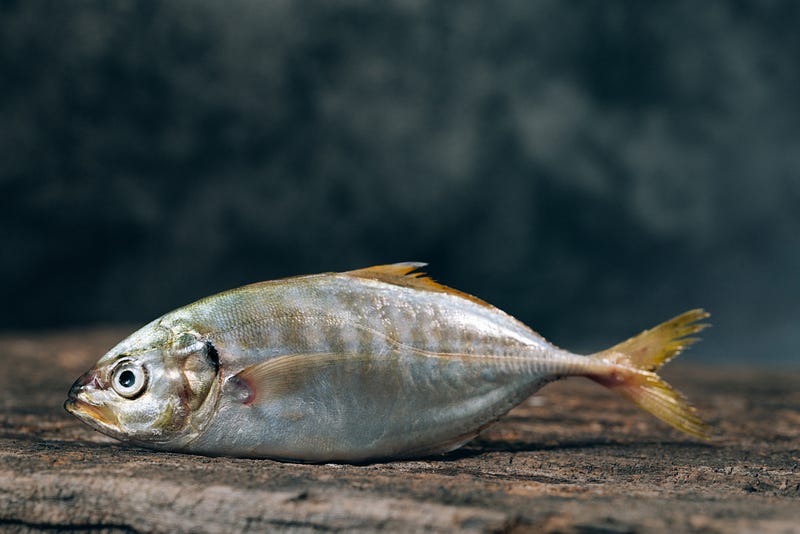
Photo by Harris Vo on Unsplash

The ancient Romans didn’t use ketchup, but they loved a good condiment.

Their favorite was a tasty concoction known as garum or liquamen. Sold in large and small quantities alike, garum was prepared from the intestines of fish and various parts which would otherwise be thrown away, kind of like a Roman version of the McRib.

The ingredients would be mixed with honey, vinegar, and other additives. Garum is even known to have come in kosher varieties.

According to Pliny the Drunk Parrot Guy, garum was extremely expensive, not like the McRib. As he tells it, ‘’A garum of mackerel from the fisheries of Carthage is the most highly prized. Hardly any other liquid commands such prices, apart from perfume.’’

Given that garum was cost-prohibitive, lower-class Romans typically opted to substitute something called Allec. Originally made from anchovies, Allec was basically the remnants of good garum or was made out of smaller, cheaper fish.

Dolphin, jellyfish, and sea urchin

Photo by Lance Anderson on Unsplash

Romans loved seafood. They ate all varieties of fish and weren’t above dining on a good dolphin if the mood struck. Dolphin, although not a fish, was a popular ingredient in salt fish balls, which were commonly served in wine sauce.

The recipe typically called for a mixture of fish flesh with spices like parsley, pepper, and mint. Once the ingredients were blended and shaped into balls, they would be poached in wine, broth, and oil.

For what it’s worth, the dolphin was prohibited for use as food by legislation. However, wealthy citizens found ways around those laws. For example, one Rutilius Rufus was said to avoid those laws by buying from fishermen who used to be his slaves. Let’s give the old slave boss a deal.

The Jelly wish wasn’t common on Roman menus. But when they did turn up, it was always a part of a salad. The sea urchin was slightly more common. In fact, the same Pompeii excavation that dug up that freak giraffe found the remains of the sea urchin.

Apicius advocated using sea urchins on top of a mega casserole that included ingredients from brains to cheese. They could be boiled or eaten raw. Popular varieties included sea urchins stuffed with eggs and honey or simply dusted with pepper and salt.

Dormice

Photo by Bonnie Kittle on Unsplash

In modern times, we typically turn to cats that will clean up a mouse problem.

But in ancient Rome, weasels were the animals that most households kept keeping rodents at bay. Door mice, however, which were much larger than traditional mice, were considered ingredients for culinary practices.

Like dolphins, door mice were at least for a time protected by legislation. It didn’t make much of a difference though. Romans continued to hunt these adorable and apparently tasty critters anyway.

In fact, in order to make sure the supply of yummy, yummy door mice didn’t run out, Romans took to raising them at home. Hand-raised door mice were fattened up ad kept in jars, stuffed with corns, beach nuts, or chestnuts. Once the mice put on enough weight, Apicius recommended stuffing the chubby mice with pork pounded with pepper, nuts, silphium, and broth.

Blood Pudding

Photo by Wesual Click on Unsplash

Blood pudding was kind of the pasta with butter of its era. The ingredients were readily available, and the dish was considered very easy to prepare. Sacrificed animals and those used in the arena were repositories of lifeblood, which was an important ingredient in such puddings as well as in blood sausage.

Blood pudding and sausage could be purchased at the market, but the vendors who sold them were typically low on the social ladder. Kind of like an ancient Roman Jackius in the Boxius.

Apicius suggests mixing blood with egg yolks, nuts, and spices, then putting the resulting sauce into an intestine and cooking that mixture to perfection.

Roman sausages, in contrast to black sausages associated with the British, used onion to absorb the liquid rather than oats or other grains.

Posca

Photo by Maksym Kaharlytskyi on Unsplash

While the rich drank fancy wine, the poor would enjoy a more pedestrian drink.

Without access to the best vino, many Romans drank posca, which was water mixed with vinegar and some variety of seasoning. Posca might include lemon juice, eggs, certain types of fruits, and sometimes wine.

Easy to make, posca was known as the drink of Roman soldiers, which is a great marketing slogan. It was known to energize and refresh the consumer and even disinfected non-potable water.

Less appealing than posca was Lora, a wine typically consumed by slaves. As the Mad Dog 20/20 of this era, Lora was made by soaking seeds and other detritus from wine in vinegar, which was meant to seep out any latent flavor.

Ostrich

Photo by Catherine Merlin on Unsplash

Another animal imported from far away, the ostrich was a rarity on Roman tables.

The Roman physician and philosopher Galen found that ostrich was gross. He believed that they were hard to cook, and didn’t like that their flesh was, according to him, full of residue.

On the other hand, ostrich eggs were highly valued and prized for their size and flavor. Unlike Galen, Apicius found some value in ostrich meat, offering recipes for boiled ostrich and ostrich stew.

Emperor Elagabalus, for his part, loved ostriches. According to the history of Augusta, he would sometimes serve them at banquets and often purchase their heads so he could eat their brains.

If nothing else, you must respect this guy’s curious palate.

Thank you for reading :)

History
Roman
Cuisine
Food
Unique
Recommended from ReadMedium