
12 Unexpected Pick-Me-Up Practices for When You’re Feeling Down
These techniques may sound silly, but they are surprisingly effective at pulling you out of a slump
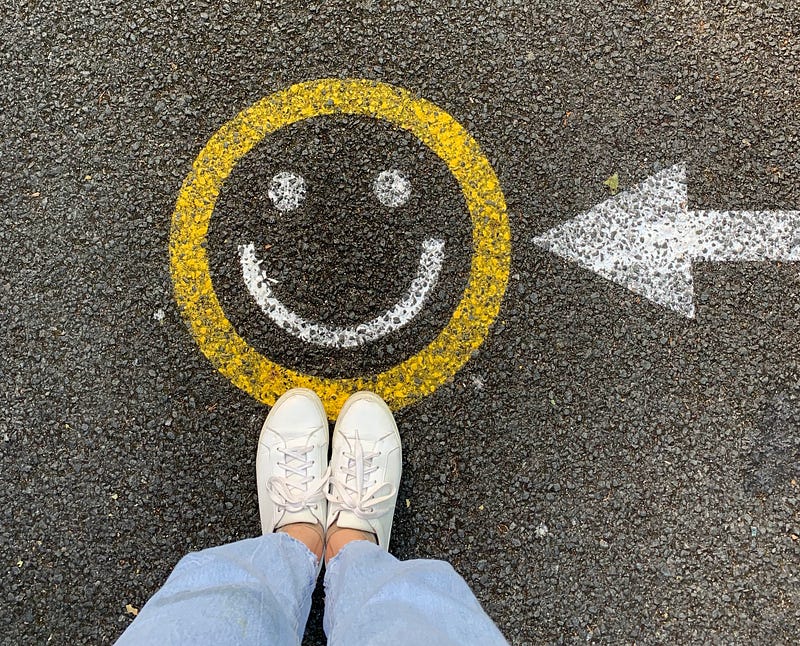
It’s natural to have the blahs from time to time, but new data shows one of the most alarming signs yet of the toll on mental health exacted by Covid-19. Roughly half of adults in the U.S. said they felt “down, depressed, or hopeless” or had “little interest or pleasure in doing things” for several days in the past week. This is up 25% from 2014.
Another study of young Americans found that 68% had little energy; 59% had trouble with sleep; 52% found little pleasure in doing things; 49% had a poor appetite or were overeating; 48% had trouble concentrating; 32% were moving so slowly or were fidgety to the point that others notice; and 28% had had thoughts of self-harm. Not insignificant numbers for sure.
If you’re struggling with a bout of “pandemic blues” — or any other kind of low mood — here are some tips to get yourself back “up”:
Sensory stimulation: Anything that arouses your senses is a fast-track out of “darkness,” in large part because it helps to reset your autonomic nervous system.
- Swing your arms across your body. Slap the opposite side on the upper arm. Doing this while walking around also helps. Fall into a rhythm for a few minutes.
- Try the “Astronaut Walk,” a slow, intentional, exaggerated stomping on the ground. Initially, you may feel ridiculous, but within minutes you’ll likely feel much better.
- Chew crunchy food or gum with verve. (See note above on feeling silly and better.)
- Smell essential oils or anything with a potent smell. Smell is a fast track to stimulate the brain.
- Rock in a rocking chair. (The health benefits of rocking — in addition to depression — are staggering. Give this article a read to learn more.)
- Bounce on an exercise ball or trampoline. Not only is it fun, but bouncing also increases blood flow to muscles that haven’t been used, loosens the overused ones, and triggers the release of endorphins — your brain’s natural calming aid.
- Use shakers or maracas. The sound and the movement work together to rouse you from any malaise.
- Go into nature and bring all your senses to your surroundings. Research in a growing scientific field called ecotherapy has shown a strong connection between time spent in nature and reduced stress, anxiety, and depression.
Paced resistance: This practice can help to bring energy back slowly and safely into your body.
The squeeze ball is a great example.
Get a palm-size ball (a tennis ball or small yoga ball, even your dog’s rubber ball can work) and slowly, evenly squeeze and release it. You can also massage it. As you do, bring awareness to your fingers. Focus on the tension and the release of that tension. Continue for a minute or two.
Multisensory attentional activities: Multisensory attentional activities cross-pollinate the senses, which give an added boost to your nervous system and mood.
Get a small balloon and fill it with some kind of crunchy grain (quinoa, rice, small beans). Hold the balloon with both hands, and slowly roll it forward, squeezing and kneading with each turn. Pay attention not only to how it feels, but also listen to the crunching sound.
Get into your thinking brain: If the blues are causing you to withdraw or disengage, activating your mental processes can help you to rejoin life. In a moment of disconnection or apathy:
- Look around the room and name all the colors you see.
- Count the windows, chairs, or books on a shelf around you.
- Find an object in the room starting with A, then B, then C (work your way through the alphabet).
- Hold and describe an object, speaking out loud.
- Count backward from 20 to one, again out loud.
- Try expressive writing.
Unexpected ways:
- Finger painting.
- Playing with Play-Doh or clay.
- Blowing through a straw.
When the blues kick in, it often doesn’t take much to pull us out of the slump. Simply rejiggering our nervous system, getting our blood pumping, letting our endorphins flow, and allowing the lymphatic system to drain toxins can really go a long way to helping clear our minds and boost our mood.
This said clinical depression is real. If symptoms like the ones above persist for two weeks or more, it’s time to contact a medical professional.