
12 Tips to Help Your Child…

with Homework AND with Life!
From birth onward, YOU have been your child’s primary teacher. When September arrives and they head off to school each year, it seems to be a time of new beginnings — for you and for your children. Memories of our own school years return and we hope to give our children GOOD memories of THEIR school days.
In ‘my’ day, there wasn’t a great deal of homework until high school. How can we help our children navigate THESE days of homework, projects and friendships?
Now, it seems, parents or even grandparents are expected to be ready to help our children with nightly, sometimes difficult, homework.
HOW can we do this?
How will we be able to manage helping with homework after a long day at work or a long day at home caring for younger siblings?
How will you fit in listening to them about their day, supervising baths and reading together at bedtime?
Somewhere squeezed in there is preparing supper for the family, clean up and doing laundry.
It seems impossible!
Yes, it seems impossible as our busy schedule gets busier as school begins!
We get tired!
By evening, we wonder where we will find the energy, time and patience to help with homework!
Good time management skills on YOUR part will keep the household flowing smoothly in order to make learning enjoyable, not stress-filled.

Here are Tips to Help YOU
I hope these tips can help you be successful as you lead your child through a successful, fulfilling academic year. We want learning to be enjoyable for them so that, year after year, they look forward to the entire process of mastering the basics and going beyond.
Tip #1 — Use and Model Good Time Management Skills
If you use good time management at work for your projects or at home to keep things flowing smoothly, help the child learn from you how to use THEIR time wisely. Help them keep their lives flowing smoothly after school as they are expected to change clothes, have a nutritious snack and have some time to unwind and PLAY.
Days and evenings can be calm and well ordered with help from a loving parent!
Tip #2 — Keep a positive attitude
There seems to be a great deal of dissension within school districts presently. Even though strife and discord are swirling around them, it is important to protect our children from becoming involved in all of the emotional ramifications of that dissension.
Also, it is important to work TOGETHER with the child’s teacher to get the best educational outcome for your child.
Do not grumble and complain about homework assignments given to your child either. If you see a problem, discuss it privately with the teacher.
If there is an issue with the school board or the teacher, handle it quietly. The child needs to focus on learning, not issues over which he or she has no control .
Tip #3 — Discover your child’s learning style
If you don’t know about learning styles, get to know what that is about. The book, “In Their Own Way: Discovering and Encouraging Your Child’s Multiple Intelligences’ by Thomas Armstrong. would be extremely helpful to read.
In a nutshell, there are eight styles of learning. The child does best when a parent and teacher understand YOUR child and how they best learn. Not all children’s styles consist of sitting at a desk, writing on workbook pages or even using a computer for many hours a day.
Do some studying to better understand your child so that they can succeed in school and in life.
Tip #4 — Discover your child’s teacher’s homework expectations.
Preferably at the beginning of each year, find out how much time, approximately, needs to be spent on homework nightly. Find out what subjects will be covered. For example, will there be a spellling test on Friday which would necessitate extra study or a practice test at home the night before?
Will there be homework on weekends? If so, how much? Will there be any long term projects or papers to be written? You would need to help the child map out a plan for each step of the process - that would include researching, a rough draft, final copy.
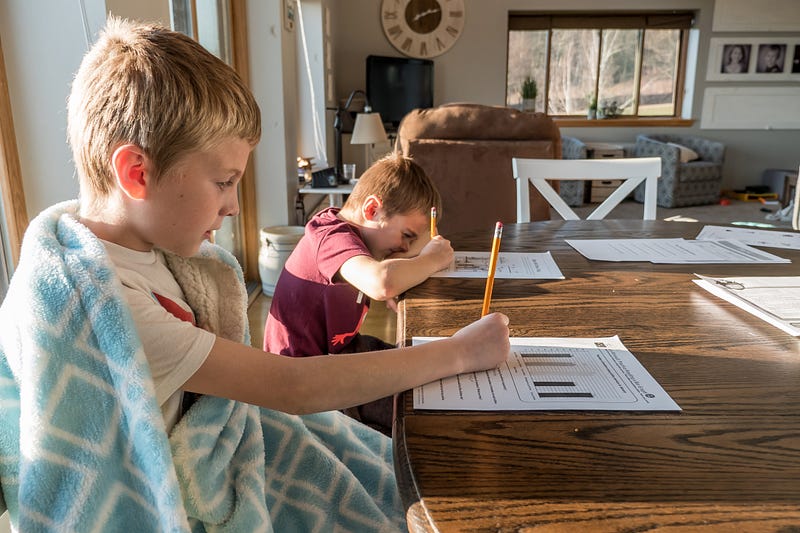
It is very important: find out how to connect with the teacher with any questions?
Tip #5- Make learning practical to the child and have FUN!
We are seeing a decline in test scores in the basics of reading and arithmetic. There are some fun ways to incorporate those ‘subjects’ in home life.
For example, make use of your local library to load up on books of interest to the child, to be read at their leisure. It may be time to limit TV, computer or devise use for ‘required’ quiet reading time. No child will probably choose to do this on their own but would need parental guidelines to help them in this.
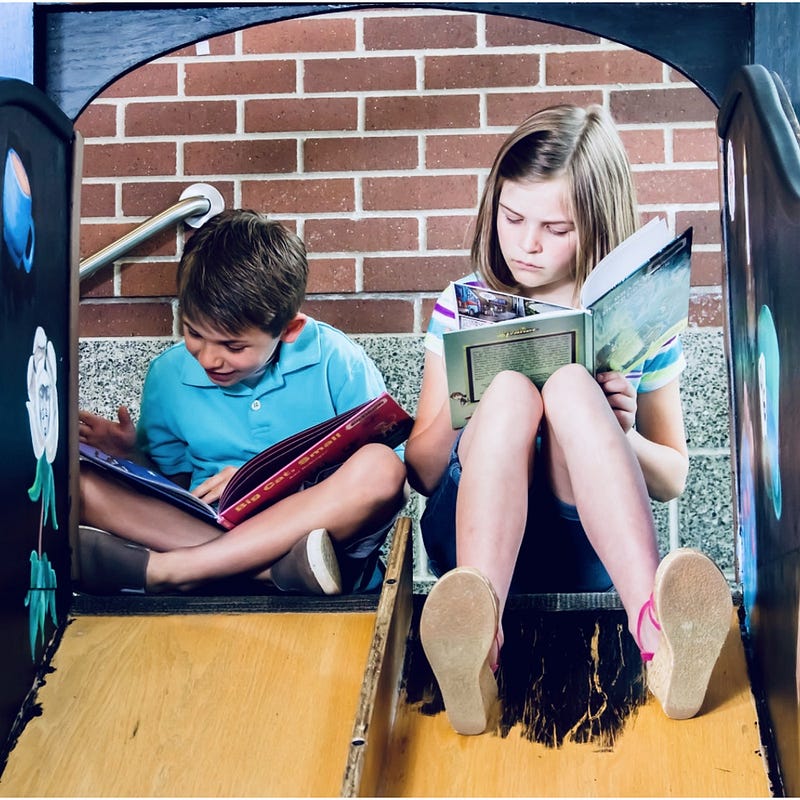
Another example would be to make math practical for the child. Use math in cooking with them or doing carpentry or sewing projects with them. Let your child see that there are PRACTICAL reasons behind what they are learning. Besides, those special times with YOU are so valuable.
#6 Tip — Create a Family Calendar
Posted where everyone in the family can see it, a calendar lets you know who is going where and when. What a good way to discover if your child’s (and your family’s) life is too full of commitments so that there’s no time to breathe, eat dinner together or to do homework.
What a great time to put your child’s skills to work — using calendar dates to practice their numbers. Along the way they are learning the months of the year. Then add a bit of fun with their ART WORK to decorate it. Your budding artist would be thrilled.

#7 Tip — Provide proper nourishment and rest.
Children use a tremendous amount of energy daily, in their work and in their play. If a child is not well rested and nourished, ill health results with a dimming of the intellect and declining school performance.
As a parent, it is OUR responsibility to watch over the health of our children. Given the times in which we live, they also need to be educated to NOT ingest anything that they know to be suspect or unsafe, even if it looks like candy.
Tip #8 — Allow time to chill out after school.
School and/or sports activities are full of noise and activity. Upon arriving home from either, provide some time and space for quietness. We appreciate a ‘down’ time after work. They will, too.
Depending on the child, they may just need to be quiet. Sometimes a listening ear from a parent will be needed. Be sensitive to YOUR child.
An extroverted child will be able to tolerate people, people, people. An introverted child will want quiet and some time alone. Learn WHO your child is so that you can best meet their needs.
Also, depending on what your child needs are, find the perfect time to review backpack contents after school each day, including assigned homework.
#9 Tip — Decide on a specific time for daily homework.
Just like adults, our children have biological clocks, too. What is your child’s best personal time for homework? Do your children enjoy doing homework as soon as they hit the door after school? Or would he/she rather have a snack first? Or does your child prefer to do homework after dinner when the day begins to wind down? Let’s let them see that there is an ebb and flow to each day, teaching them good time management skills
Be sensitive to what is best for them.
#10 Tip — Choose a homework spot that is consistent
Just as YOU have a certain place where YOU like to pay bills or write, your child needs a comfortable and enjoyable place in which to do homework. Let your child have some input. He/she may work best at the dining room table in the middle of family activity. Or he/she may prefer to work in their bedroom, alone where it is quiet. If the latter is the case, provide a desk with good lighting and don’t forget to provide the necessary supplies — paper, pencils, pens and markers.

#11 Tip — Expect and Inspect
Expect the best from your child and then inspect their homework to make sure it was completed neatly, totally and accurately. When we let slide sloppiness and being tardy with their work, that is what will be given.
Expect the best that they can be and do work at their grade level. Don’t do it FOR them but stand by ready to help them so that their frustration doesn’t build and overflow.
When inspecting their work, please do so in a kind and loving manner not like a dictator with a whip in hand. Offer to help when it is needed but don’t hover over them, making them nervous and tearful. Always give some positive feedback!
Expect the best and inspect in love.
#12 Tip — Give a reward
When the child’s homework is completed neatly and in a timely manner, some excellent rewards could be a hug, free time, playing a board game together, a family movie with popcorn or an extra book read at bedtime. We are never too old to have a story read to us.
You’ve done it!
Homework is completed for the evening. The work isn’t done, however.
Now it is time to plan for the next day.

Have your child gather their homework, schoolbooks, clothes, shoes and socks the night before going to bed. That way there will be no stress-filled hurry in the morning before school
Now you have a Plan. Can you do it?
What is the ONE area in which you need to improve in order to help your child the most?
Thank you for using your precious time to read and comment!
If you would like to be added or deleted from this list, please let me know. If you want to be informed every time I post, please subscribe.
Julie KingGood Lu Skerdoo Sharon Meyers, Ed.D. Nikita Rayne Johnson Susie Winfield Paula Thomas Helen Gilmore Rosa Diaz-Casal


