
12 Tiny Habits That Help Me Read 90+ Books A Year
Build a daily reading habit with these *tiny* lifestyle changes and mindset shifts.
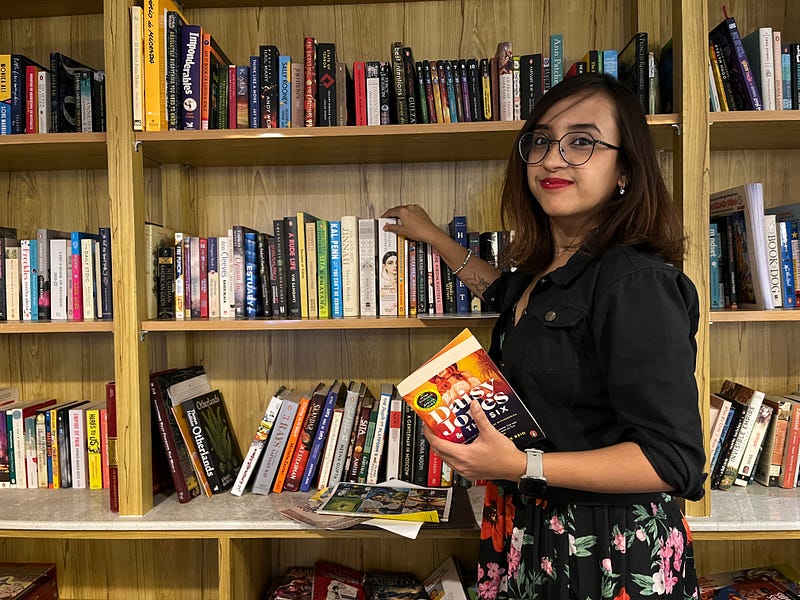
“I love reading but I can’t find time to start a book.”
If that’s something you’ve heard yourself saying for a while now, it’s time to shift your mindset.
As someone who reads 90+ books a year, I’ve understood that building a daily reading habit doesn’t demand *major* lifestyle changes.
You need to have a few tiny habits and stick to them, and watch your productivity as a reader skyrocket.
Excited to finally get over your excuses and start reading more books? Let’s take a look at the twelve tiny habits that help me consistently read 90+ books per year, every year.
1. Have a reading North Star
Reading without a reading goal is fun. But try making one, and see how it boosts your reading productivity.
I committed to a reading challenge in 2018. Before that, I’d read 7 books in 2016 and 20 in 2017.
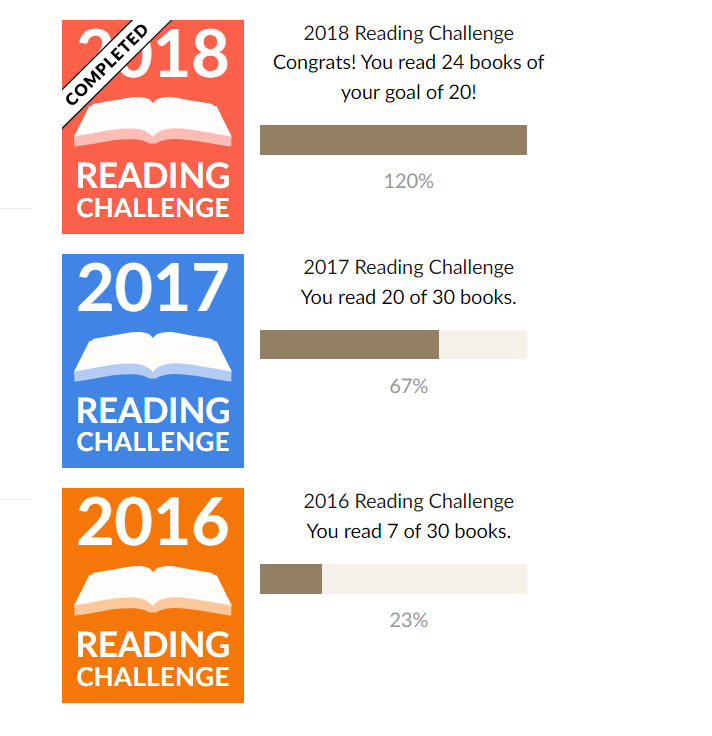
In 2019, I managed to read 81 books, surpassing my reading goal of 50. In 2019, I outdid even this and went on to read 91 books.
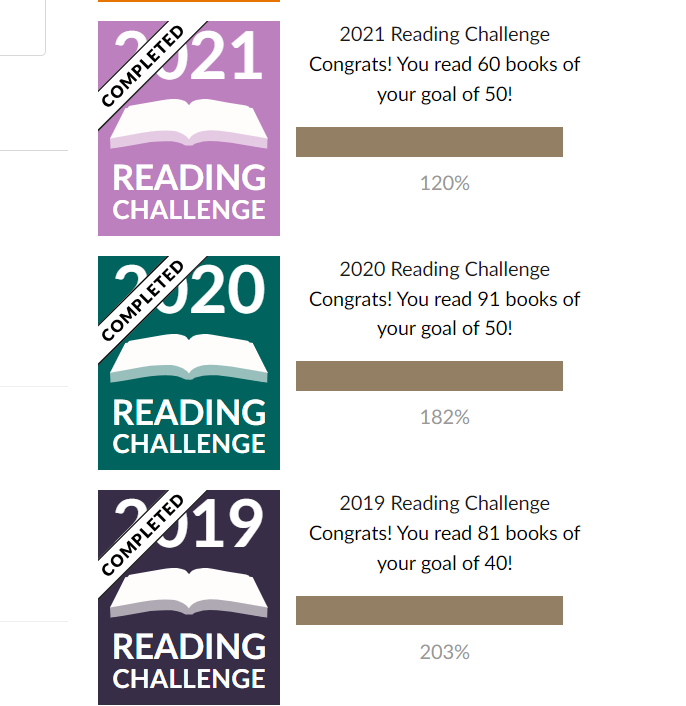
This is the power of having a reading North Star. It holds you accountable and makes you exceed your reading expectations each year.
How you can implement this
Decide how many books you want to read this year. Then break it down by months and days. For example, if you want to read 36 books in a year, the breakdown would be:
- 3 books per month
- 1 book in 10 days, which translates to —
- ~25 pages/day
If only a part of the year is left, then you can divide your goal by the remaining number of days for the same impact. Once you know your per-day goal, stick to the plan by adopting the Seinfeld method. How? Read on.
2. Steal the Seinfeld method
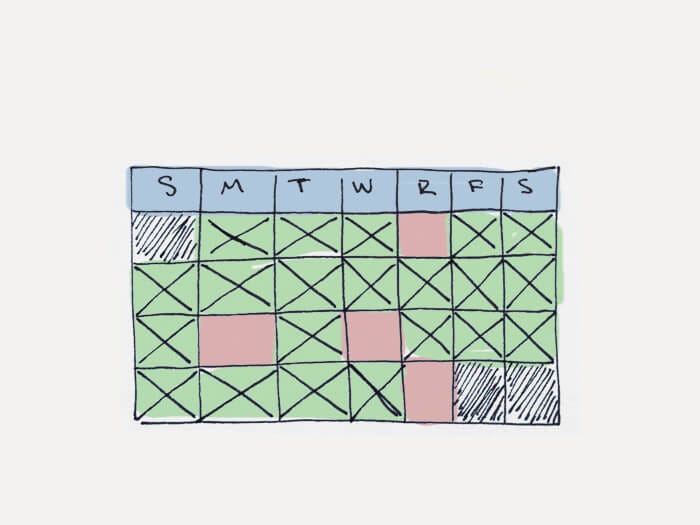
Jerry Seinfeld, one of the most successful comedians of all time, is said to have come up with a strategy to build habits and beat procrastination. What experts now call the “Seinfeld Strategy” is as simple as marking the day on the calendar when you performed a task.
“After a few days you’ll have a chain. Just keep at it and the chain will grow longer every day. You’ll like seeing that chain, especially when you get a few weeks under your belt. Your only job is to not break the chain.” — Brad Isaac, Tips from Jerry Seinfeld
How you can implement this
Stick a calendar on your wall and mark an ‘X’ on the dates for each day you hit your reading goal. You can use even use a digital calendar to mark the days you maintained the reading streak.
The more ‘X’s you see in a streak, the more motivated you’ll get to keep up the streak.
Gamifying your reading habit is a powerful way to build accountability.
3. Read when your brain is the most ready
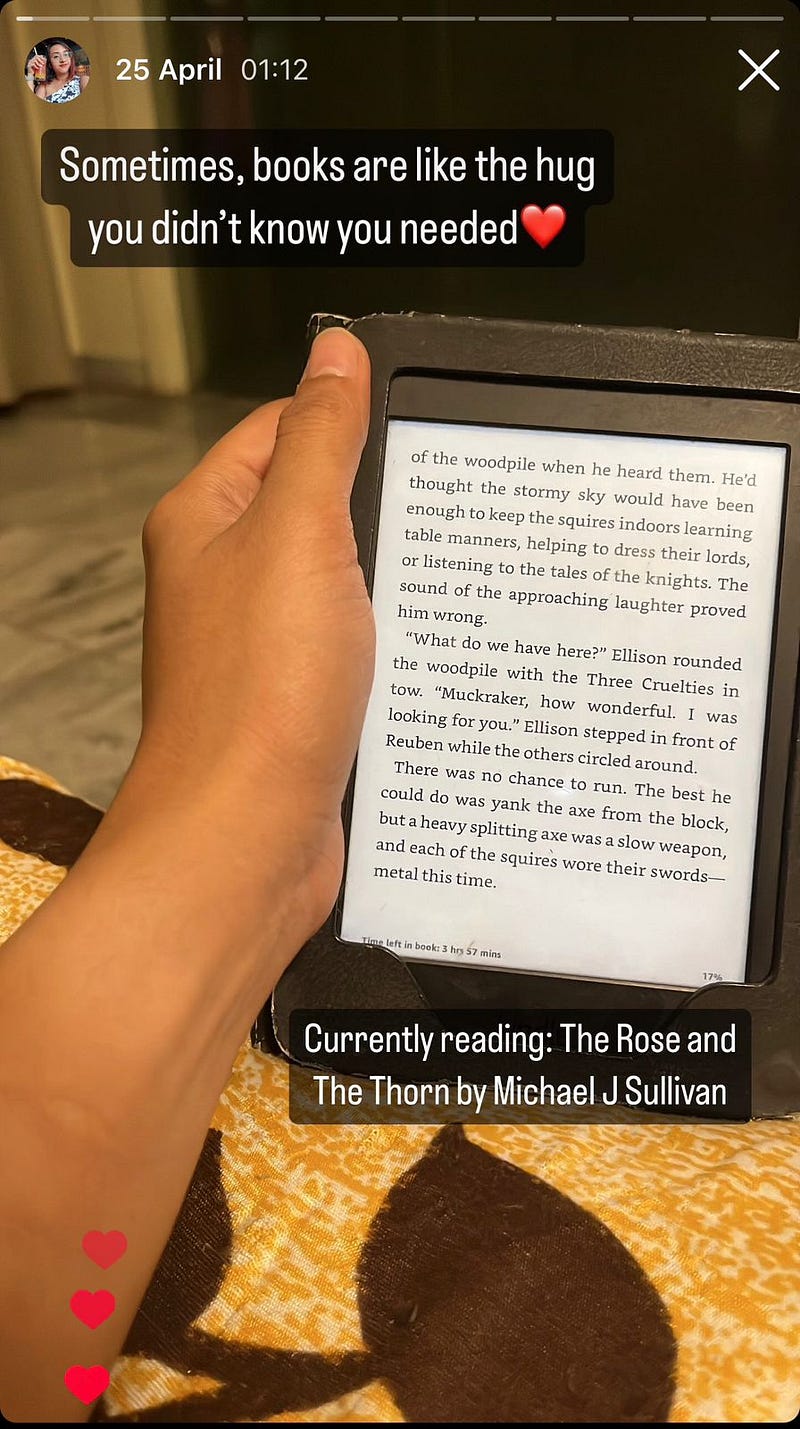
I’ve found it’s easiest to absorb and internalize new ideas when my brain isn’t stressed about mundane happenings throughout the day. This usually means the best time for reading is either after I wake up or right before I’m about to sleep.
How you can implement this
Read for thirty minutes in the morning and thirty minutes at night.
This helps you:
- replace your phone with a book, and finally get over the endless hours wasted in mindless social media scrolling, or adding products to your online shopping cart you’ll never buy,
- achieve your 25 pages/day goal, and
- feel more inspired as you fill your head with fresh ideas every morning and night.
Not taking my phone to bed is the best habit I’ve built in my adult life.
4. Pick up books that ‘flow’
Like every reader, I’ve suffered from reading slumps — long periods where no book seems to make sense and I can’t get any reading done.
Forcing myself to complete reading doesn’t work because I end up staring at a page and reading the same paragraph over and over again.
Reading slumps are the worst. You’d know if you’ve read until here, that they fill you up with guilt and have the potential to ruin your reading goal for the year. To get out of one, picking an easy read is the key.
How you can implement this
If you pick a super tough, research-backed non-fiction book as your first read in months, you might find it hard to continue.
Instead, pick something light, heart-warming, and easy to read. This helps you quickly get into the rhythm of reading daily.
- Check what’s highly recommended by readers you trust, or
- Revisit an old favorite book.
Once you’re in the flow, reading every day will get easier. As you get your reading mojo back, you can slowly move on toward tougher reads.
5. Give the book a chance
When I first picked up The God of Small Things by Arundhati Roy, I couldn’t get beyond the first ten pages. The story seemed to drag on, and my interest just wouldn’t hold.
Two years later when I gave the book another try, it ended up becoming one of my favorite reads of all time.
I can give you many more examples of how I fell madly in love with a book I hated at first, but you get the gist. Most books have a slow build-up. The first few pages don’t completely capture how amazing the rest of the book is.
That’s where most people give up.
They try reading, find it too hard to concentrate, then quit and pick something else. This is a vicious cycle that only has one solution.
How you can implement this
Aim to read at least 25 pages before calling it quits. If you leave before, you might miss the magic.
If the book fails to hold your attention even after the first 25 pages, do this:
6. Don’t hesitate to DNF a book
DNF, or “Did not finish,” is a popular term among online readers.
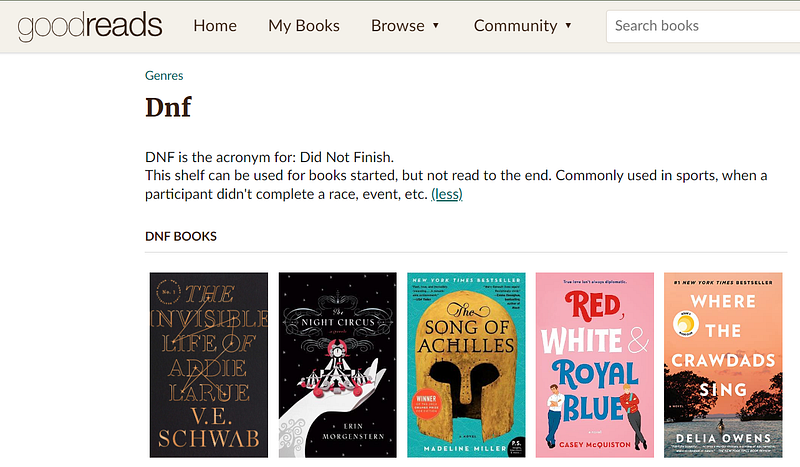
I have about 100+ books on my DNF list.
Books that I thought I’d fall in love with, but didn’t inspire me. Books that I picked up with high hopes that failed to live up to the hype. Books that came with amazing recommendations, but weren’t my type.
Until a few years ago, I used to feel guilty if I couldn’t finish a book.
But of late, I’ve built the mindset that giving up on certain books is okay. You don’t have to finish everything you started. Being a productive reader is all about finding books that inspire and entertain you. There’s no need to force yourself to power through books that aren’t meant for you.
How you can implement this
If you’re unable to get into a book, feel no guilt about leaving it midway. Life’s too short to force yourself to enjoy ‘bad’ books.
7. Turn your phone into a reading productivity device
In 2021, my family suffered through a tragedy that involved the death of a much-loved matriarch. In the weeks that followed, there were multiple family get-togethers where I had to show up and present a strong front.
There were full days in which there was nothing to be done outside of existing in the same room with my extended family. In such times when the conversation is sparse and there’s no agenda on your mind, it’s easy to seek comfort from your phone. You’d end up spending hours scrolling through social media while filling your mind with trash.
I fell into the same trap. In the first few days, my phone usage lay in the range of 8–10 hours. This went on for a while until I realized I needed to break the cycle.
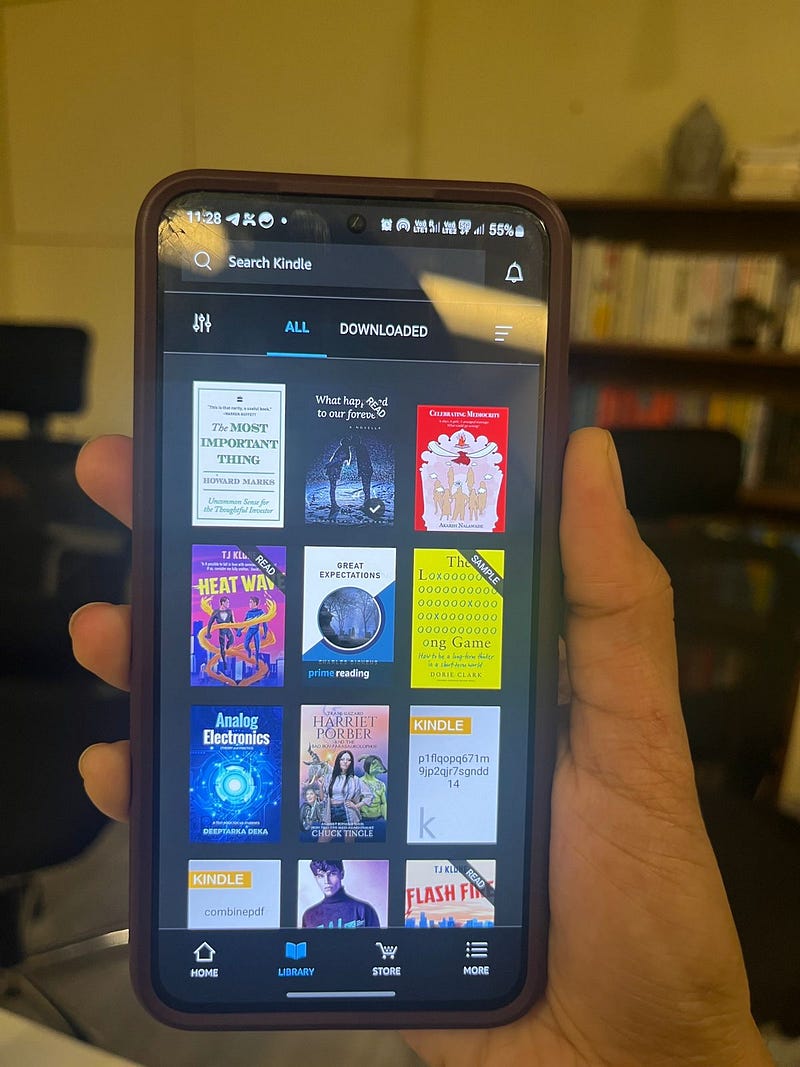
I consciously downloaded the PDF versions of a few books I was interested in. When I started reading on the phone, my brain no longer craved for the instant dopamine hit of social media usage.
And even in one of the hardest phases of my life, I ended up getting a lot of reading done.
This is one of the most underrated productivity hacks that has saved me hundreds of hours and helped me get so much reading done.
How you can implement this
Keep a PDF of a book on your phone. You can also have the Amazon Kindle app or any e-reader that lets you read on the go.
Whenever you’re bored and feel like scrolling socials, open the PDF and start reading. This helps you:
- read even when your book isn’t near,
- finish books faster, and
- get over doom scrolling.
Your phone will turn into a productivity machine with this single hack.
8. Download an audiobook
Audiobooks have truly been a gift. They opened up new dimensions I didn’t even know existed.
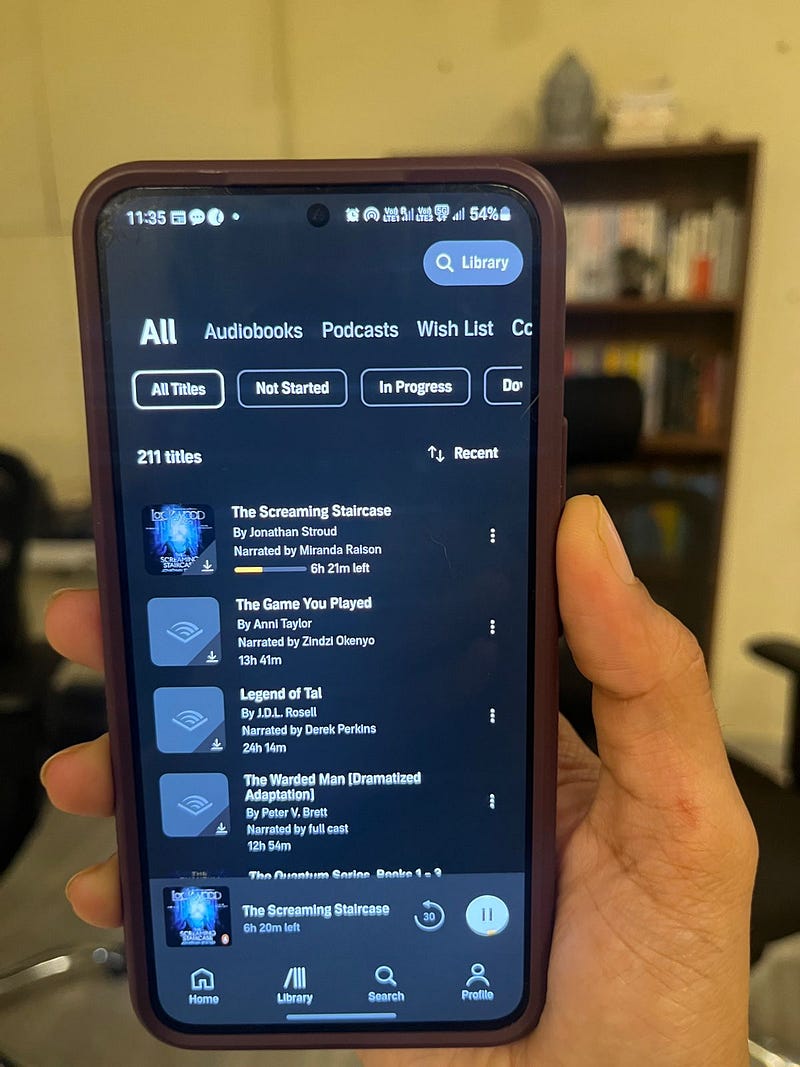
Listening to an audiobook is like having a movie playing out in your head. They have increased my reading productivity 10x, and have made for themselves a special place in my heart.
I’ve also found that listening to an audiobook while reading is a whole new immersive experience.
How you can implement this
Once you get the gist of how to make the most of an audiobook, you can listen to one on your phone while:
- traveling,
- gymming,
- eating food, or
- doing menial chores,
This way, you get your work done, and your brain gets to stay active by focusing on the book.
Pro-tip: Look for audiobooks narrated by the author for an amazing listening experience.
9. Make books your travel companion
Books are a special kind of magic you can take with you wherever you go.
I’ve read books in different corners of the world. When I revisit those books, they bring with them the memories of these lovely trips, making the reading experience even more special.

How you can implement this
A book is your best traveling companion. Read it whenever you get extra time. You can also load your Kindle with ebooks if you want to travel light.
When you do this, you will —
- never get bored,
- increase your knowledge, and
- attract people who share similar genre interests.
10. Don’t try to remember everything
Most people think they must remember everything they read. They pressure their brains into taking note of every important point until things start to get overwhelming.
It’s humanly impossible to remember everything you read in a book. That’s why so many non-fiction readers feel frustrated and give up.
But here’s a mindset shift: you don’t have to absorb it all!
How you can implement this
Read with the intention of broadening your perspective, not with the goal of underlining and highlighting every passage that feels important.
Things will hit your memory at unexpected times.
More on effective note-taking here.
11. Find reader friends to discuss your takeaways
Reading is more fun when done together. But it’s not always possible to find readers with the same level of enthusiasm as you. In this age of the internet, you can turn to online reading communities.
How you can implement this
Find people interested in your book on Goodreads.
- Join review discussions,
- Read their opinions, and
- Share your perspective.
You’ll learn new things when you see other people’s worldviews.
As a bonus, writing reviews for each book you read will help you organize your thoughts and have them handy for future reference.
12. Stop associating guilt with buying new books 💙
I’ve been guilty of the same.
When I have unread books on my shelf, I feel guilty about buying new books, no matter how badly I want to read them.
But waiting to finish every single book you own before buying new ones can actually be counter-productive.
How you can implement this
Shift the focus.
- You’re not “spending” money on books. You’re “investing” in widening your perspective.
- You’re not “wasting” time. You’re “enjoying” learning new things
With this mindset, you’ll feel happy buying new books, even if you have an anti-library back home.
12 tiny habits to read 30+ books in a year, final words
Reading every day doesn’t have to be difficult. You don’t need to spend hours planning or motivating yourself to start.
Some simple mindset shifts and lifestyle changes can get your reading journey started.
Summing up, here are the twelve tiny habits that help me read 90+ books every year —
- Create a reading goal
- Track your reading habits on the calendar
- Replace your phone with a book before going to bed
- Start with an ‘easy’ read
- Give the book a chance
- Don’t hesitate to DNF a book you aren’t enjoying
- Have a PDF on your phone
- Download audiobooks to listen on the go
- Carry a book wherever you travel
- Don’t hyper-focus on remembering everything you read
- Find reader friends to discuss
- Stop associating guilt with buying new books
How many of these tiny habits do you already practice? What new ones are you inspired to try and incorporate into your life? Let me know your insights in the comments.
For book reviews and recommendations, follow me on Goodreads.


