
12 Tips for Starting with the Mediterranean Diet
The Mediterranean diet has gained significant popularity in recent years due to its numerous health benefits and delicious culinary traditions. It continues to be recognized annually as the best diet.
Originating from the Mediterranean region, this eating pattern emphasizes whole, nutrient-rich foods, including fruits, vegetables, whole grains, legumes, fish, and olive oil, while minimizing processed foods and saturated fats.
If you’re looking to get started with the Mediterranean diet, here are some tips to find success.
1. Plant-Based Foods are a Priority
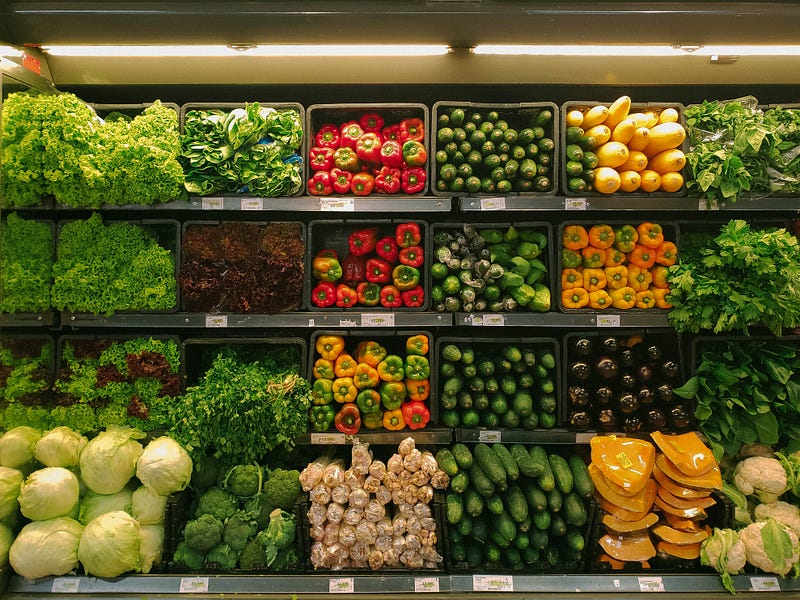
At the core of the Mediterranean diet is a strong emphasis on plant-based foods. Fill your plate with as many fruits and vegetables as possible. The diet emphasizes a colorful plate.
Incorporate leafy greens, tomatoes, peppers, onions, garlic, and other vegetables into your meals. Fresh fruits, such as oranges, grapes, pomegranates, and berries, make excellent snacks or dessert options.
2. Include Healthy Fats
The Mediterranean diet encourages the consumption of healthy fats, primarily derived from olive oil, nuts, and seeds. Olive oil, which is strongly recommended as part of the diet, is rich in monounsaturated fats and antioxidants.
Use it as your primary cooking oil and include it in your salad dressing. Snack on a handful of almonds, walnuts, or seeds for a snack that also adds healthy fat.
3. Opt for Whole Grains
Unlike many other diets, the Mediterranean diet favors whole grains over refined grains. Incorporate whole wheat, brown rice, quinoa, and oats into your meals to increase your fiber intake and promote better digestion.
Whole grains also provide a steady release of energy, keeping you fuller for longer and reducing the risk of blood sugar spikes.
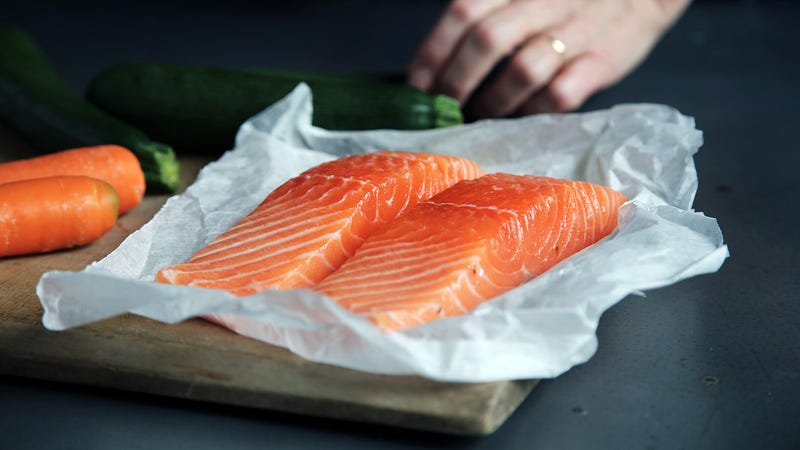
4. Consume Lean Proteins with an Emphasis on Fish
While the Mediterranean diet is primarily plant-based, it does include moderate amounts of lean proteins. Fish are a big staple of the diet and a great source of omega-3 fatty acids.
Poultry, eggs, and dairy products, such as Greek yogurt and feta cheese, can also be consumed in moderation. Limit red meat consumption and opt for lean cuts when you do indulge.
5. Prioritize Herbs and Spices for More Flavor
The Mediterranean diet relies on herbs and spices to add flavor to dishes, reducing the need for excessive salt. Incorporate herbs like basil, rosemary, thyme, oregano, and spices such as turmeric, cumin, and cinnamon into your cooking.
Experiment with different combinations to find your favorite flavors to encourage you to stick to the plan.
6. Enjoy Modest Portions and Mindful Eating
In addition to the specific food choices, the Mediterranean diet encourages mindful eating and moderation. Instead of overeating, savor your meals and pay attention to your body’s hunger and satiety cues.
This approach helps prevent over eating and will help you focus on making the best choices for you.
7. Stay Physically Active
The Mediterranean lifestyle isn’t solely about food; it also encompasses an active lifestyle. Engage in regular physical activity, finding whatever activities bring you the most joy.
Aim for at least 30 minutes of moderate exercise most days of the week to enhance the overall benefits of the diet.

8. Meal Planning and Preparation
Plan your meals ahead of time to ensure you have the necessary ingredients and avoid resorting to unhealthy convenience options. Find a day and time to carve our your grocery run and meal prepping.
This may be a challenge at first but once you find what works for you, you’ll really understand the benefit. You’ll also appreciate how helpful it is during the rest of your busy week.
9. Explore Mediterranean Cuisine
The Mediterranean region is known for its diverse and flavorful cuisine. Take the opportunity to explore new recipes and ingredients. This is a fun way to explore new food and recipes.
You’ll be surprised what you can create that is both tasty and beneficial to your health. The options are limitless!
10. Socialize and Share Meals
The Mediterranean diet is not only about what you eat but also about how you eat. In Mediterranean cultures, meals are often shared with family and friends, promoting a sense of community and enjoyment.
Invite some friends over and show them your new skills and recipes!

11. Hydration is Key
Although it should be key in any diet, water is the beverage of choice in the Mediterranean diet. If you crave variety, infuse your water with slices of citrus fruits, cucumber, or whatever flavors that will encourage you to drink more water. Avoid the sugary drinks like soda.
12. Indulge in Occasional Treats
While the Mediterranean diet focuses on wholesome foods, you don’t have to complete cut out all of the treats you enjoy. If you’re sticking to the diet, you’ll have earned these items!
Whatever it is that you like, treat yourself from time to time. Just don’t overindulge or turn treats into a regular routine.
Getting started with the Mediterranean diet involves adopting a lifestyle of eating and may not feel like you’re on a traditional diet. Embrace all of the food options and make sure you pair the lifestyle with regular exercise.
I hope these tips make your transition into the diet as easy as possible. For myself, following the Mediterranean diet pattern has been super beneficial and helped my health in many ways.
It has helped my blood pressure, ensured I stay at a healthy weight, and has done so without feeling like a chore.
Haven’t joined Medium yet? Consider joining for just $5/month!
If you sign-up, you’ll be able to gain access to ALL my stories. Not just me, but thousands of other amazing writers on the platform!