
12 Thinking Traps Exposed: Outsmart Your Biases
We all have biases. Whether we realize it or not, these biases affect how we think, the decisions we make, and how we perceive the world. Many of these biases cause us to think less logically without even knowing it.
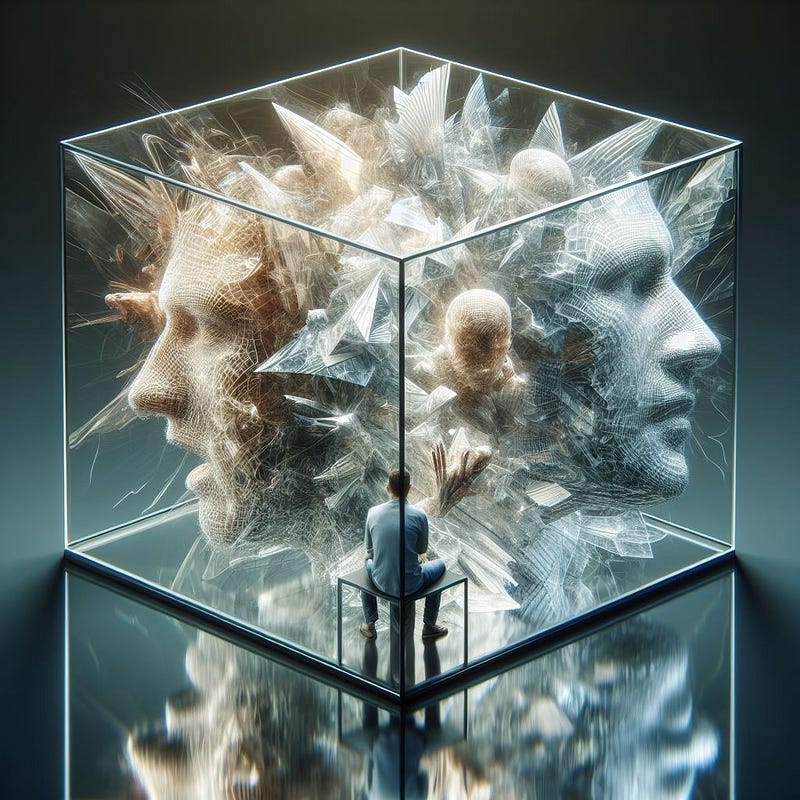
What Exactly Are Cognitive Biases?
Cognitive biases are systematic ways that our minds consistently distort or misrepresent information. They cause us to:
- Interpret information incorrectly
- Hold onto false beliefs
- Make flawed decisions
Even though these biases negatively affect our thinking and decision-making, but they often operate completely outside our awareness. We don’t realize how biased we truly are.
There’s a quote from the book Mistakes Were Made (But Not by Me) that explains cognitive biases perfectly:
“Cognitive biases make us think we know more than we do, can do more than we can, and see more than we truly observe… and these biases lead to mistakes that we don’t realize we’re making.”
In other words, biases limit our self-awareness and cause us to have a false and unrealistic perception of ourselves and the world around us.
Why Do We Have Cognitive Biases?
Many cognitive biases likely developed as evolutionary shortcuts to help us make faster decisions with less effort.
For example, stereotyping is an evolved mental shortcut. It allows us to quickly judge new people as either safe/friendly or dangerous based on our past experiences with others who look similar.
However, in the modern world, many biases do more harm than good. Shortcuts like stereotyping often lead to highly inaccurate, illogical, and unjustified thinking and judgments about others.
While our minds want to conserve energy with biases and shortcuts, overcoming biases improves our reasoning abilities. Recognizing and reducing biases protects us against dangerously incorrect, irrational ways of viewing the world and ourselves.
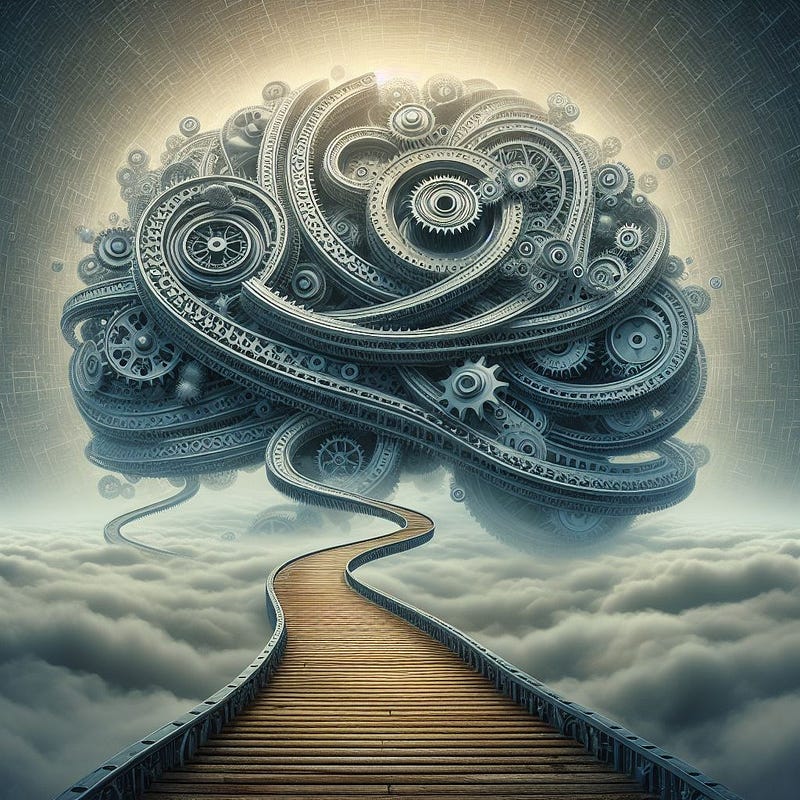
Dozens and dozens of cognitive biases affect human thinking. Some of the most common and impactful biases include:
1. Confirmation Bias
This is the tendency to seek out, favor, believe, and recall information confirming our views. It makes us convinced that our current beliefs and assumptions are correct.
For example, if you believe the world is a dangerous place, you’ll likely seek out news stories about crime to confirm this belief. But you’ll ignore stories about people helping each other.
2. Anchoring Bias
This bias causes us to rely too heavily on the very first piece of information we’re presented with. That initial “anchor” shapes and greatly influences all future judgments and decisions we make.
Here’s an example…
Imagine a salesperson is trying to sell you a laptop. If they start by saying “This computer normally costs $2,000, but I’ll give it to you for $1,000” that $2,000 anchor price will shape your perception of the computer’s value. Even if the laptop is only worth $800, you’ll still view $1,000 as a good deal about the initial fake anchor.
3. Choice-Supportive Bias
People tend to defend and justify their past choices as good and logical, even when those choices aren’t ideal.
For example, if you purchase an expensive car that has many problems, choice-supportive bias may cause you to downplay the faults of the car and defend it as a “great purchase” so you don’t feel regret or question your decision-making abilities.
4. Survivorship Bias
This causes us to focus mainly on people or things that made it past some sort of selection process and overlook those that did not, skewing our perception.
For instance, when we hear stories about very successful entrepreneurs, we don’t hear stories about the countless failed startups and entrepreneurs who lost everything. So we start to irrationally perceive entrepreneurship as less risky and more lucrative than it often is.
5. Bandwagon Effect
This bias causes people to believe or do things because others do, regardless of their own beliefs. In other words, jumping on the bandwagon!
Trends, fads, and the way groups behave compel us to conform without rationally considering facts and information for ourselves.
6. Overconfidence Bias
This common bias causes many of us to have an inflated perception of our abilities, knowledge, competence, and skill level.
Overconfidence explains why the overwhelming majority of people rate themselves as “above average” in areas like leadership, public speaking, driving skills, and more, which simply isn’t possible.
7. Outcome Bias
We judge decisions solely based on the outcome rather than factors the decision maker could control at the time of the decision.
For example, if an investor makes a reckless investment that happens to earn a profit due to luck, we ignore the reckless move and consider them skilled investor because of the positive eventual return.
8. Placebo Effect
Simply believing that something false is real or beneficial can cause us to experience real effects and benefits, despite no active ingredient or condition causing the effect.
Placebos demonstrate the power beliefs have to create reality, especially in contexts like medicine. The mind is quite powerful.
9. Authority Bias
People tend to give more credibility and weight to the opinions and statements of authority figures, even if there’s no actual evidence to support them.
For instance, we give more validity to the statements of doctors simply because of their professional role, even when their opinion proves false or harmful. We incorrectly equate credentials with truth and expertise.
10. Dunning-Kruger Effect
This explains why unskilled individuals suffer from superiority illusions (overestimating their abilities), while highly competent people often underestimate their abilities.
Their vast skill level makes competent people assume tasks are much easier for everyone else than they truly are. Meanwhile, unskilled novices don’t recognize their ineptitude.
11. Selective Perception
People perceive messages or situations selectively based on their learned assumptions, habits, values, and biases. We ignore contradictory information and evidence due to our biases.
For example, your perceptions about someone you meet for the first time will likely be shaped by your gender, racial, and age biases no matter who they truly are as an individual.
12. Blind Spot Bias
This causes us to recognize biases much more easily in others than we do in ourselves. It makes us exceptional at overlooking our biased thinking.
We’re all much more aware of biases like selective perception, overconfidence bias, confirmation bias, etc. in others while failing miserably to recognize those same biases distorting our judgments and beliefs.
How You Can Combat Your Biases
Now that you know what cognitive biases are and some of the most common types that affect our decisions and influence our thinking, here are some tips to help reduce your own biases:
- Question your assumptions and beliefs. Actively doubt your views rather than blindly trusting your intuition. See if you can argue against your position.
- Expose yourself to situations where you’re not the expert. This combats overconfidence bias. Recognize that you likely know less than you think on most topics.
- Ask lots of exploratory questions when assessing information or situations rather than making assumptions. (Who says that? Based on what evidence? What am I missing?)
- When making decisions, consider alternatives and assess them fairly, even if they contradict your current beliefs.
- Get advice and input from people with very different backgrounds and beliefs. This bursts filter bubbles and ensures you’re exposed to contradictory information.
- Accept your limits. We have limited time, knowledge, and mental energy. Mitigate overconfidence by accepting you can’t fully know or comprehend everything.

The first step is simply being more aware of these sneaky mental blindspots. Mindfulness about how our minds operate goes a long way. When possible, use strategic thinking methods like avoiding emotional reactions, considering all evidence equally, and testing your logic and beliefs.
Scrolled this far? You deserve more!
Hit that follow button for juicy content like this delivered straight to your feed.
Plus, Grab my free Substack newsletter for bonus goodies. You won’t regret it! ✨


