
11 Surprisingly Obvious Signs That I’m Actually Autistic
The Autistic Signs That Were Staring Me In The Face
I was diagnosed with both autism and ADHD at the age of 27, and whilst this initially came as a shock, a small part of me always knew that my brain was wired differently. When I look back at my younger self, it is evident that I am autistic, and I am genuinely surprised that the adults in my life did not pick up the signs sooner.
The main reason why it wasn’t picked up by myself or others around me is because I’m so good at masking my autistic traits that I masked my needs from myself. This highly damaged my psyche and has left me in a constant state of autistic burnout.
I have been in therapy for over two years, and after considerable self-reflection, these are the 11 obvious signs that I’m autistic, but only realised once I was diagnosed:
1. My panic attacks were autistic meltdowns.
Growing up, I regularly thought I was experiencing panic attacks, particularly when I felt rejected or couldn’t regulate my emotions, but I now realise that these experiences were autistic meltdowns. At their worst, I was spending nights in the ER, shaking, unable to control my emotions, unable to contain the rage I felt. Although many doctors saw me, none of them were able to recognise that I was autistic, and so I was wrongfully diagnosed with ‘anxiety-induced panic attacks’. It was a good guess but couldn’t be further from the truth. Unfortunately, this is a common experience amongst autistic women where up to 80% of autistic women are often misdiagnosed with borderline personality disorder, bipolar disorder, and, more commonly, depression and anxiety disorders.
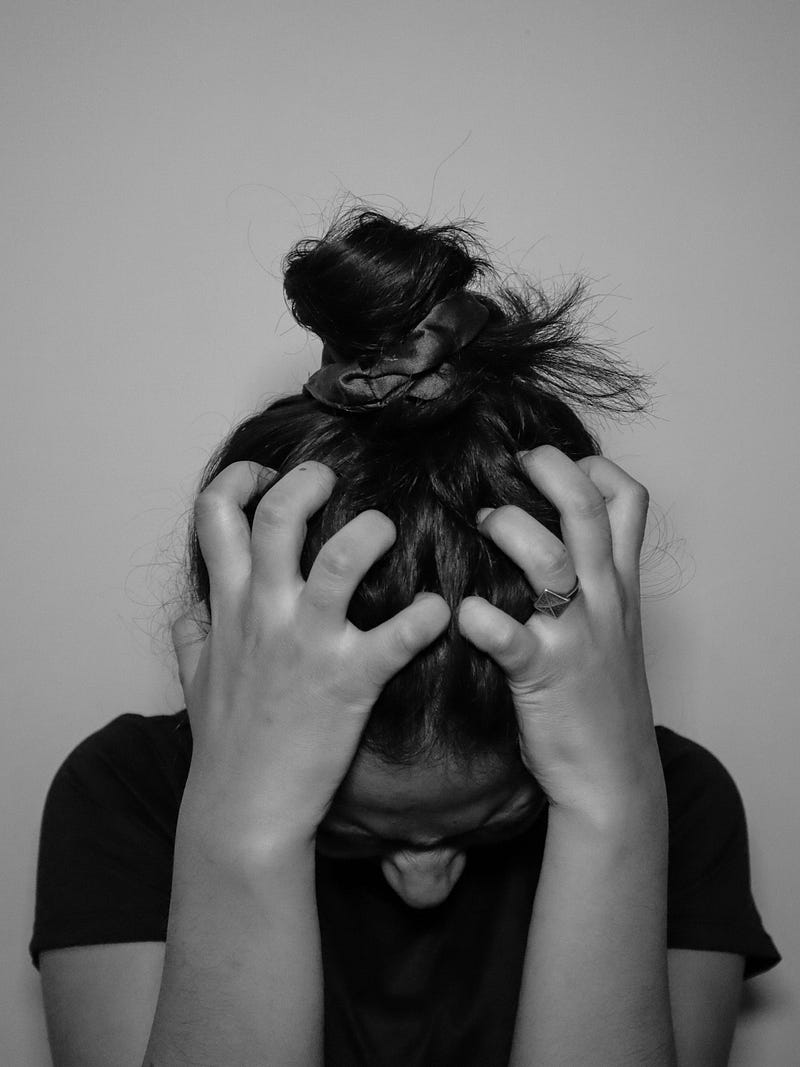
2. There’s a reason why I constantly feel like I’m doing things wrong.
In every aspect of my life, I often feel like I’m doing things wrong or not how they are supposed to be done. At school, it felt like I had to work much harder than my peers to excel and go to university; at work, it feels like my best just isn’t good enough because I can’t socialise with the team, and at home, it feels like I’m not a good daughter or wife because I am struggling to keep up with people’s expectations.
3. Why I seem unapproachable
Women and girls are taught from a young age that we must always seem approachable; we should always smile and make others comfortable. Whilst this can come naturally to neurotypical people, autistic women can struggle with this, and more often than not, many of us are masking extensively to perform to this standard and seem approachable. Many autistic women find this difficult and are often misunderstood as rude, intimidating and unapproachable. I have been told on many occasions that I have a ‘resting bitch face’ and that I need to smile more. I couldn’t change my expressions, and from an autistic perspective, I don’t want to seem approachable as I don’t like social interactions.
4. I’m always overwhelmed because I’m autistic.
When you live in a world that isn’t designed for you and doesn’t accommodate your needs, you can quickly feel overwhelmed. As far back as I can remember, I’ve always felt overwhelmed, but this drastically intensified whenever I went through a period of change and adjustment. When I started university and had to balance my studies, a job, a social life, and relationships, I had many frantic meltdowns because my body and mind were overwhelmed by conflicting priorities. This only got worse as I started to grow older.
5. I’m painfully blunt because I’m autistic.
I’m known for my bluntness, and I will always tell the people around me the truth, no matter how difficult it may be. I’ve learnt over time that many neurotypicals don’t like blunt comments, and this is one of the reasons many people often dislike me.
6. I’m terrible with navigation.
I have always struggled with my lefts and rights, and I have struggled to navigate, mainly when using maps. Even when using Google Maps, I can take the wrong turn and end up in an alley, as I need help understanding directions.
7. I am constantly cracking my joints because they are stims.
I’ve always cracked my toes, and as I became an adult, I started to crack my fingers, ankles, wrists and, on occasion, my back! I looked for an explanation as to why I feel compelled to do this so regularly, and although I did come to discover that it was a form of stimming, I never connected the dots that I was autistic.
8. I avoid large social gatherings.
In high school, large gatherings of my peers would often feel intimidating, and I felt like I didn’t belong because I could never find a group of friends with whom I thought I connected. Instead, I made friends with the other ‘lone wolves’ and would spend every lunchtime with another lone wolf, which I much preferred.
9. I would look for patterns in everything.
I often see faces, shapes and patterns in absolutely everything. I could sit on the toilet, looking at the tiles below, and my brain would start to draw out faces and patterns that would entertain me while I used the bathroom!
10. I’ve struggled with every job I’ve ever had.
I have never stayed at a company for more than two years, and that isn’t always because I’m looking for the next opportunity. By the time I reach the two-year mark, I will be exhausted, uninterested, and burnt out. After working full-time for almost eight years, I’ve realised that working full-time isn’t the healthiest choice for me as an autistic woman. My mind and body need more than two days to recover, so I’ve always struggled with working full-time, and the majority of autistic people don’t work.
11. I can’t drink water.
I can, but it has to be flavoured. I find the taste of water sickening, almost like I can taste my mouth, which isn’t a pleasant experience for me. Everyone around me always thought I was being difficult, but it isn’t just a preference for me; it is a sensory ick!

I hope you found this helpful. Is there anything you’d add? Please comment if you found this insightful or enjoyed reading it, as Medium writers are now paid for engagement, including comments, claps, and highlights!
If you found my content relatable and insightful, please do all three. I love reading your comments; it keeps me going!
I frequently write about the Neurodivergent experience, so follow me for more content and subscribe to be the first to know about my upcoming book! Thank you for all of your support!