
10 Ways to Use a Bullet Journal to Improve Language Learning
My secret to learning languages effectively…

I have been using a bullet journal for a while now and decided to tailor it for language learning. A language journal is simply a notebook where you can write down language stuff that you need to remember! My journal has been an excellent resource that has helped me reach my goal of being able to have a 15-minute conversation with a native Spanish speaker in 90 days! So here are my persoanl10 tips to get you started!
1. Buy a Journal and Some Supplies!
Don’t bother buying a super expensive journal. It will be the information you put in it which will be invaluable. I remember seeing one for nearly £60! However, at the same time, you don’t want one too cheap with thin paper. My personal journal cost only £2.99.
2. Where it all began…
If you are brand new to bullet journaling check out the official website here to help get you started. I have used this style for a couple of years now and have noticed increased productivity not just in language learning, but my day-to-day and professional life too!
3. Write the dates/index in your target language
If you are going to use the journal for language learning than it does make sense to plan your language learning in your target language. I have a mix of Mandarin, Spanish and even Icelandic in my journal!
4. Plan it!
Plan out the next 3 months ahead. Set your goal. I study 45 minutes per day, 5 days a week. Although this does not include my language exchanges or online tutorials, these are included in my monthly planner.
5. Tracker it!
Use a tracker to record all of the days you studied for the allocated time you have given yourself! I also use my tracker to measure sleep, exercise, and diet.
6. Ten words-a-day challenge
In my weekly calendar, I have written ten random words a day — for 5 days. I then review these words at the weekend.
7. Cheat Sheet Pocket
At the back of most journals, there appears to be a pocket. When I first begin learning a language I keep my ‘cheat sheet’ here so I can jump straight into speaking my target language from day one.
8. Useful Resources Log
I have allocated a page to new resources. So when someone recommends an app/website or book I write it down here…before I forget all about it!
9. Vocab lists/Grammar advice/Local Lingo
The front half of my journal is the quarterly, monthly and weekly planner. The middle section is dedicated to vocabulary words and short phrases. The back section is notes, cultural information, and advice from native speakers. Don’t forget to convert some or all of your new vocab words to flash cards. You could use Anki to do this or create paper flashcards.
10. Review
At least once a week spend some time reviewing new and older entries/tracker information and learn from this.
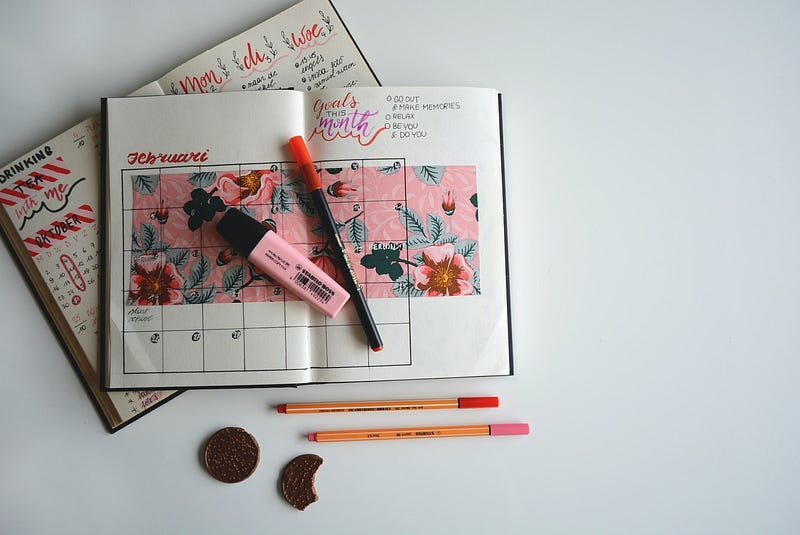
Why Does This Work?
A language journal can help you learn a language in a number of different ways.
- Firstly, the act of just writing down words and concepts helps you remember them better. Handwriting notes mean you are paying extra attention to the information you are recording.
- Secondly, you are more organised and less likely to miss that Italki tutorial you booked 3 weeks ago or remind yourself about that online MOOC you had forgotten you registered for.
- Thirdly tracking process not only helps with accountability, but it shows the progress you are making and where you still need some attention.
- Finally having a language learning journal will make you more productive as you have all the information you need to hand. You can write, track and review set goals, record your progress and gratitude in language learning too. You can review old words before you start to forget them.
Bonus: How to Set Monthly Language Learning Goals in Your Bullet Journal
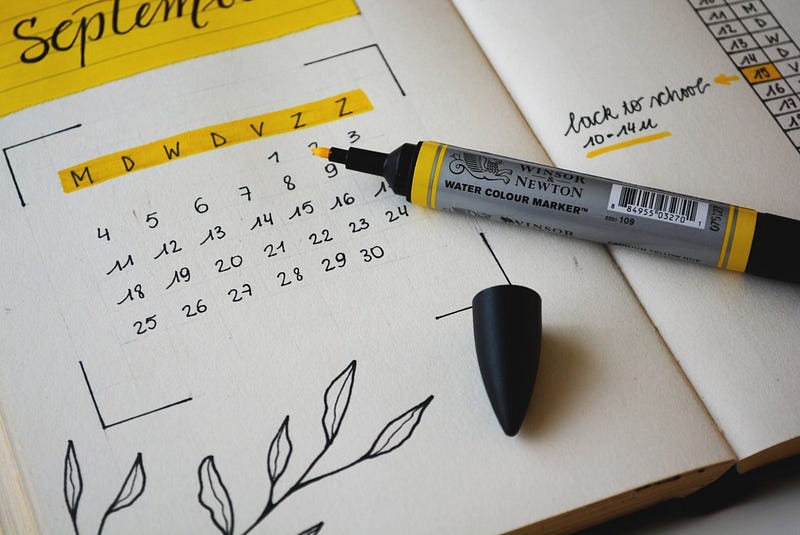
Have you ever planned your language learning goals for the year ahead? Now I am not a fan of New Year’s resolutions, but I do like a plan! A plan for accomplishing my language learning goals, etc, etc… for the next 12 months, but broken down into manageable 28-day chunks with some break days in-between. Daily and monthly goals are part of bullet journaling, but annual goals now they require more planning and organizational techniques.
It’s tempting to choose a language that will really impress your friends and family. However, unless that language is something you really want to achieve, you probably won’t have the motivation to make it a reality. Before setting any language goals it can be really helpful to discover what kind of learner you are? When you are aware of your learning style you can better plan your goals and will be more likely to succeed in achieving them.
MINDFUL LEARNING
I believe in a more holistic approach to languages that incorporate positive thinking strategies and Mindful learning. You should start with thinking about what language you would like to learn and why? Meditate on it and visualize it. What would it be like to be able to speak that language?
SET S.M.A.R.T.T. GOALS
Another common guide to goal setting is the S.M.A.R.T.T acronym. SMART has been used in the world of business for years, although the last ‘T‘ is a fairly new addition. It can be used as a practical guide for setting focused language learning goals. Grab some scrap paper and set some S.M.A.R.T.T goals.
S.M.A.R.T.T. JOURNALING
Got your S.M.A.R.T.T. goals sorted? Now get them written in your journal. I don’t know about you, but I much prefer the physical feel of paper and pens. Need some inspiration check 20 Inspiring Bullet Journals for Language learning and 10 Ways to use a Bullet Journal to Improve Language Learning.
SETTING GOALS IN YOUR MONTHLY SPREADS
The first Sunday of the month is when I create my monthly spread. I take a few minutes to consider any unaccomplished tasks from the previous month and check my language learning goals to check that I am on track.
POSITIVITY PRODUCTIVE
Staying motivated can be really difficult. I’ve found that giving myself regular structured breaks can help energize me and make my language learning goals feel more attainable again. Reward yourself, use affirmations, set daily reminders, take part in challenges, and post in supportive language learning groups. Doing all this will help with motivation, accountability, and energize you towards achieving your set goals. I also keep a list of inspirational quotes, so if I’m having a particularly bad day, I can add a positive boost to my daily pages.
Remember that when it comes to learning a new language, goal setting is only the starting point! You need to be dedicated to your goals. They need to mean something to you. Write that reason in your journal. Take at least 20–40 minutes each day to meeting your language learning goals. You might not always reach your goals for various reasons so don’t be too hard on yourself just pick things up from where you left off and start again. Good luck and best wishes for the year ahead!
This article was original published on Language Learners Journal.
👉 Check out my Lists for writing tips and challenges, discover other stories, publications and awesome new writers too 🖤👉 Subscribe to give my stories a new home in your inbox 💌


