
10 Tips for Managing Your Time as a Student
Spoiler alert: It’s about balance.
I’m in the process of getting a PhD and it’s not easy. But I’d argue that sometimes figuring out how to balance my time is more difficult than the work itself. Two years in, here are some things I’ve learned.
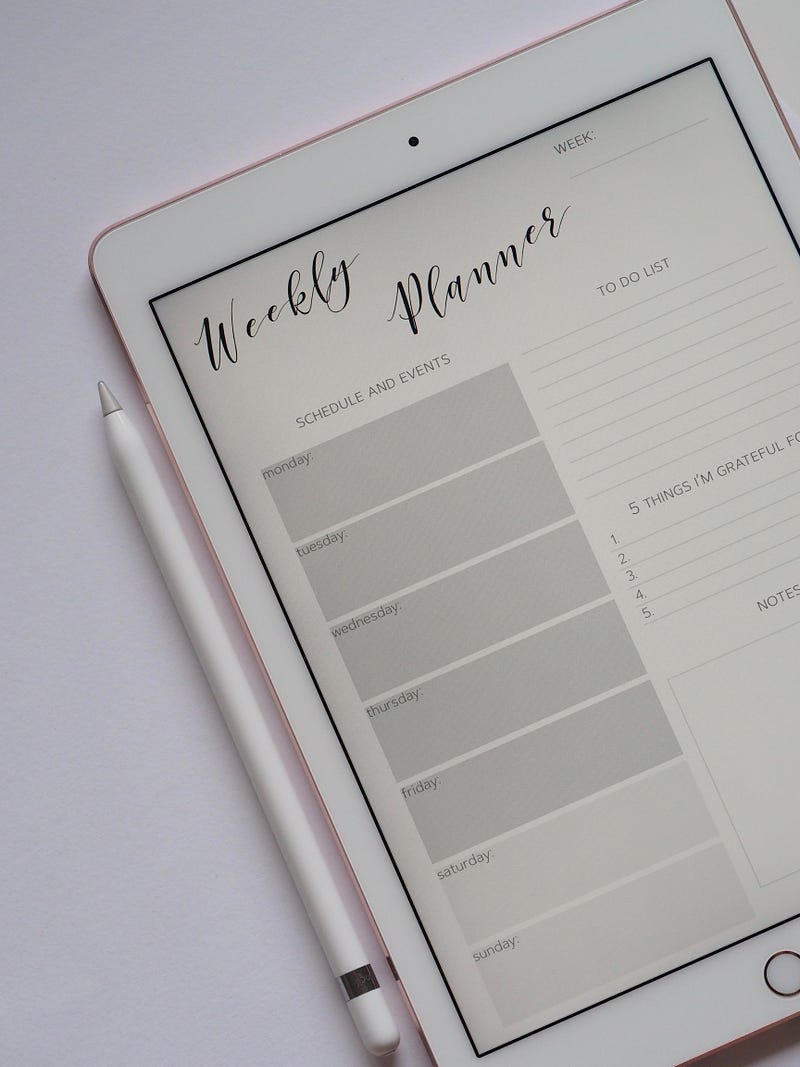
1. Keep a to do list
Write a to do list and keep it visible at all times. Got distracted on Instagram? Glancing up and seeing your list will get you back on track.
2. Prioritize your tasks
I love hand writing my lists and I put a symbol next to the most important tasks of the day. My list is often ongoing week to week, but I always know the items with symbols need to come first.
3. Document the “easy” things
Include easy things on your to do list, and things for your mental health. Currently, taking a walk and making my bed are on my to do list every day.
Crossing things off makes me feel accomplished, and if I’m only documenting my academic tasks, then it’s easy to let personal daily needs slip by the wayside. They’re important too.
4. Take breaks
As many as you need. Figure out what kind of worker you are and lean into that. I work better by concentrating for long periods of time on a singular task, and then taking a decent sized break. Others work better focusing in 30 minute increments with smaller breaks.
Find what works for you and do it.
5. Get enough sleep
If you’re a night owl, it’s fine to work late, but then make sure you can sleep in. The reverse is also fine. But I am so much more productive when I’ve had a good nights sleep, and I think I complete more quality work as well.
6. Do what you feel like doing
You don’t have to do the assignment for your class that’s earliest in the week first. Doctoral programs have a lot of reading, and I’ve found sometimes it's easier to cross the longer ones off the list first. If you do this, take thorough notes and be sure to review them prior to class so the readings are fresh in your mind.
7. Listen to your body
When you’re tired, do easier tasks. Sometimes I’m not in the headspace to process heavy readings. Instead, I take some time cleaning data. Do what you feel like doing, and you’ll slowly cross things off your list.
8. Work with a friend
Especially in the age of COVID-19 with so much of school online, its easy to lose motivation and to feel isolated. Schedule a study date over Facetime or Zoom. You’ll hold each other accountable and get to see a familiar face at the same time.
9. Take breaks from technology
Sometimes you just need a break from the screen. There’s a reason blue light glasses are becoming a trend.
Switch to a handwritten task if you can or print off the next article you have to read. If your eyes are still feeling fatigued after that you probably need a real break. Sometimes a 10 minute walk around the block is all you need to feel refreshed.
10. Remember the “why”
When I’m really struggling to focus, I take a moment to remember why I’m in school. What do you want out of this? Why are you working so hard for this degree? Dedication comes from motivation and motivation is lost when we forget why we’re there.