
10 Thought-Provoking Reasons to Consider Thanos’ Perspective
What do you think?
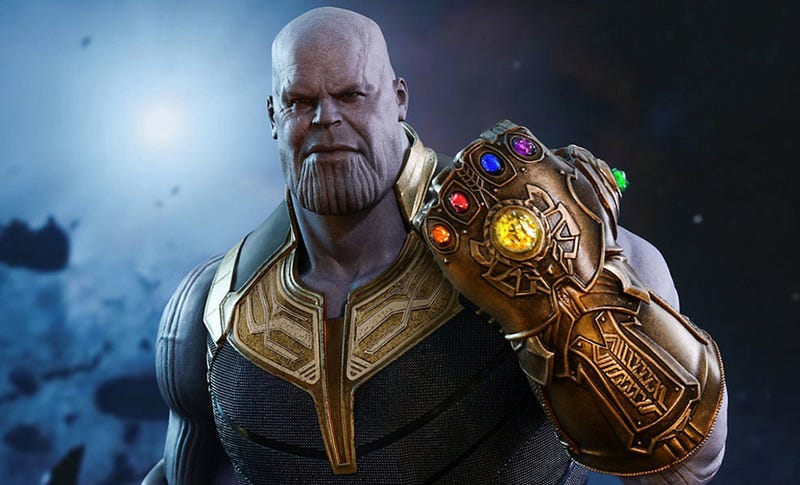
In the Marvel Cinematic Universe, Thanos is often seen as the ultimate villain, with his goal of wiping out half of all life in the universe using the Infinity Stones.
However, when you dive deeper into his motivations and beliefs, there are intriguing arguments that suggest Thanos may not be entirely evil. Here are ten reasons why I believe Thanos’ perspective, though extreme, may have some valid points.
1. Overpopulation as a Real Issue
“The end is near.” — Thanos
One of the central tenets of Thanos’ ideology is addressing overpopulation. While his method of achieving balance is undeniably extreme, the issue of overpopulation is a genuine concern in our world.
With Earth’s population continually growing, it raises questions about sustainability, resource allocation, and the long-term well-being of our planet. Thanos’ extreme solution forces us to confront the potential consequences of unchecked population growth.
Personal Example: After witnessing the strain of overpopulation in my hometown, where resources were becoming increasingly scarce, I couldn’t help but grapple with the gravity of the issue. This experience made me consider alternative approaches, albeit less drastic than Thanos’.
2. The Desire for a Utopian Society
“Perfectly balanced, as all things should be.” — Thanos
Thanos envisions a world where resources are abundant, and every individual can lead a fulfilling life. While his means to achieve this are undeniably brutal, the underlying desire for a utopian society is something many people can relate to.
The pursuit of a better world, where everyone has access to the essentials for a decent life, is a noble goal, even if Thanos’ methods are morally reprehensible.
Personal Example: I’ve always been passionate about humanitarian causes, particularly those focused on providing basic necessities to underserved communities. Thanos’ vision, though twisted, resonates with my desire for a world where everyone can thrive.
3. Challenging the Status Quo
“I’m the only one who knows that… at least I’m the only who has the will to act on it.” — Thanos
Thanos’ actions are driven by a belief that he alone has the will to make the tough decisions required to save the universe. This perspective challenges the notion that powerful entities should be passive observers.
It prompts us to question whether we should be more proactive in addressing global challenges, even if it means making difficult and controversial choices.
Personal Example: Thanos’ determination to take action, despite facing opposition and criticism, made me reflect on instances where I hesitated to take a stand for what I believed in. It encouraged me to be bolder in advocating for change.
4. Critique of Inaction in the Face of Crisis
“You could not live with your own failure. Where did that bring you? Back to me.” — Thanos
Thanos criticizes the Avengers for their inability to prevent the universe from facing catastrophic threats. While his methods are ruthless, his critique raises an important point about the consequences of inaction in the face of impending crises.
It prompts us to consider the responsibility of those in power to take decisive measures to safeguard the greater good.
Personal Example: Thanos’ scathing words served as a reminder of times when I witnessed passivity in the face of significant challenges. It motivated me to actively seek solutions rather than resigning to the belief that nothing could be done.
5. The Burden of Leadership
“I’m inevitable.” — Thanos
Thanos carries the weight of his mission on his shoulders, believing that he alone is capable of shouldering the responsibility.
This notion of leadership as a burdensome duty is a theme that resonates with many leaders who grapple with the immense pressure of making decisions that impact countless lives.
Personal Example: In a leadership role I held, I often felt the weight of responsibility for my team’s success. Thanos’ portrayal as a leader willing to make difficult choices, albeit in an extreme context, struck a chord with my own experiences.
6. The Complexity of Moral Dilemmas
“I am inevitable, and I… am… Iron Man.” — Tony Stark
The conflict between Thanos and the Avengers highlights the complexity of moral dilemmas. It forces us to question what sacrifices are justifiable in the pursuit of a perceived greater good.
Thanos’ character challenges us to consider the difficult decisions individuals and societies must grapple with in the face of ethical quandaries.
Personal Example: The moral dilemmas depicted in the Avengers films encouraged me to reflect on instances in my own life where I had to navigate complex ethical choices.
Thanos’ extreme stance sparked contemplation about the nuances of such decisions.
7. A Warning Against Hubris
“You’re not the only one cursed with knowledge.” — Thanos
Thanos believes he possesses a unique understanding of the universe’s problems, which justifies his extreme actions.
This serves as a cautionary tale about the dangers of unchecked hubris. It prompts us to reflect on the potential pitfalls of believing that we alone hold the answers to complex global challenges.
Personal Example: Thanos’ unwavering confidence in his perspective reminded me of instances where I may have been overly confident in my own beliefs. It encouraged me to remain open to diverse viewpoints and consider alternative solutions.
8. The Value of Sacrifice
“I used the stones to destroy the stones.” — Thanos
Thanos’ willingness to sacrifice even the very tools of his power highlights the concept of selflessness for a perceived greater good. While his interpretation of sacrifice is extreme, it prompts us to reflect on the value of self-sacrifice in the pursuit of a noble cause.
Personal Example: Thanos’ willingness to make the ultimate sacrifice, albeit in a twisted manner, encouraged me to reflect on moments in my life where I had to prioritize the greater good over personal gain.
9. Provoking Ethical Debates
“A small price to pay for salvation.” — Thanos
Thanos’ actions provoke profound ethical debates about the lengths to which one can go to achieve what they perceive as a righteous goal.
While his methods are morally reprehensible, they stimulate discussions about the boundaries of ethical decision-making.
Personal Example: Thanos’ character sparked numerous discussions with friends and colleagues about the ethical implications of extreme actions in pursuit of a perceived greater good. These debates encouraged me to critically examine my own ethical beliefs.
10. A Reminder of the Complexity of Villainy
“In the end, we will remember not the words of our enemies, but the silence of our friends.” — Martin Luther King Jr.
Thanos challenges conventional notions of villainy by presenting a character with a warped sense of altruism.
This complexity prompts us to reconsider the nature of heroes and villains, reminding us that even the most malevolent individuals may believe they are acting in the best interest of the greater good.
Personal Example: Thanos’ character compelled me to reflect on the complexity of human nature and the potential for individuals to justify extreme actions through their own distorted beliefs. It reinforced the idea that understanding the motivations of others, no matter how misguided, is essential for empathy and growth.
To sum up, while Thanos’ actions are undeniably extreme and morally reprehensible, his character serves as a thought-provoking exploration of complex ethical and philosophical questions.
This article does not condone his actions but rather aims to highlight the intriguing discussions and self-reflection that his character can inspire.
Thanos challenges us to examine the fine line between righteousness and villainy, encouraging us to question our own beliefs and principles.
You might also be interested in:


