
10 Things To Keep in Mind When Moving to Germany
#5 Zhe rules are less easy to bend
Move abroad anywhere, and you’ll receive a free welcome pack wrapped in culture shock. As a Dutch person who moved to her neighboring country, I expected the differences to be mild. Still, there are plenty.
The non-exhaustive list below covers ten things to consider when migrating to Germany.
- The bureaucratic stereotype is true. Didn’t make an appointment? You’ll probably be sent away. Getting an appointment may take a while too.
- Respect the paperwork. Set aside a cabinet for the many documents you’ll collect.
- Be prepared to speak German when visiting the authorities. Whether they know English or not, they will not address you in English. Ever. If your German sucks, borrow a German-speaking friend to intermediate.
- Speaking German as a foreigner is a test of character. If you try to speak German, expect to sometimes be harshly corrected or scolded for not speaking it perfectly. When you do speak your German perfectly, expect an answer in English. The other person may want to practise their English. On the other hand, you want to improve your German. Don’t give in and continue to reply in German. It’s not uncommon for entire conversations to go back and forth in both English and German.
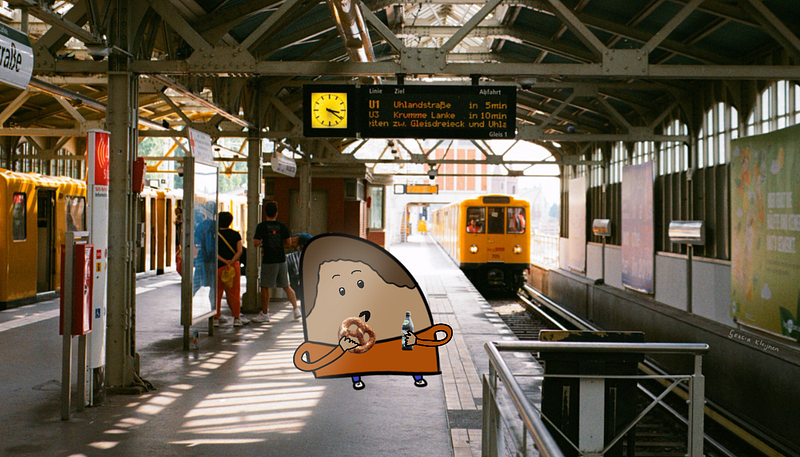
- Zhe rules are less easy to bend. Shortly before I moved to Berlin, I accidentally joyrode and got caught. The ticket controller looked at my ticket and asked me if I had a kid. I looked back confused. A minute later, he pushed a fine into my hands. In the Netherlands, you can get leniency for your first offense. I asked for this at the German public transport company. It was out of the question. At least I tried.
- Cashless payments are not -yet- the norm. Always have some coins on you. Since the pandemic, cashless is finally gaining ground, but not everywhere. It’s the one thing I just can Not get used to in Berlin. It’s why I cheated on my favorite local restaurant with their direct competitor. They do offer cashless.
- Trash is recycled. The trash cans have different colors with stickers that show what you can throw in there. You usually share the trash bins with all other neighbors from your building. Be a good citizen. Rip apart your cardboard box into smaller pieces so that more of it will fit into one container. Put your food rests in a recyclable bag, not in a plastic one. Ignore it, and your landlord or your neighbors will tell you off.
- Be quiet during Nachtruhe. Nachtruhe is literally translated as “night rest.” It dictates when you have to be quiet in your Bundesland or state. No industrial machines, indoor roller skating, or loud music between 10 PM and 6 AM. Especially not on a Sunday. Chances are your neighbors will call the Polizei on you. Storytime: The last time neighbors from the opposite building listened to loud music in the communal garden, a neighbor across opened her window. She calmy shouted, “Please turn the volume down, or I will call the police.” It was only 22:30 PM. I laughed in appreciation.
- Germans are kind. I appreciate how German people are generally reserved and calm. Don’t be surprised if you’re not making friends on day one. It just takes German people some time to warm up to you.
- Finding an apartment with registration in Germany requires lots of paperwork. It won’t be easy. Especially if you’re moving to one of the bigger cities. I wrote a massive, step-by-step flat hunting guide to help you get lucky.

Not yet a Medium member? Get unlimited access to my writing and that of thousands of other writers for $5. If you sign up via the link, I’ll receive a portion of your subscription fee, which would help me out heaps!


