
10 Things Nobody Told Me About Japan
Subtle glimpses into Japan’s hidden side — from a foreign resident’s point of view
Our Story
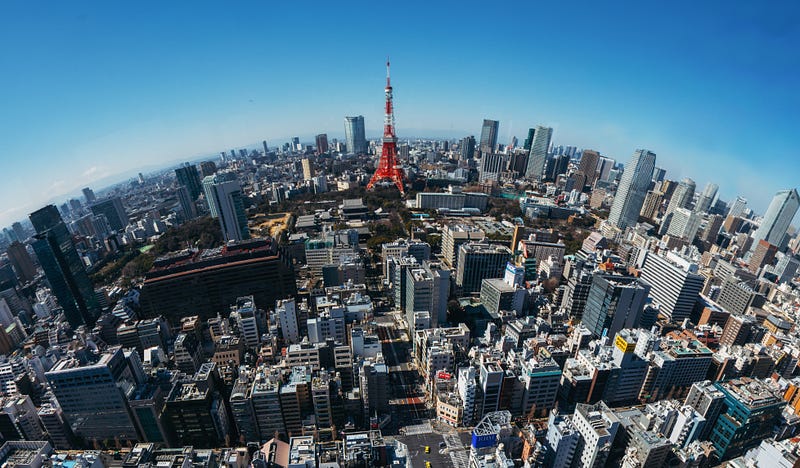
10 months ago my husband, daughter and I moved to Tokyo from London, for a temporary secondment with my work. After a long deliberation on whether we should do it or not, we thought: YOLO — you only live once! It will be good for our careers; our daughter will expand her worldview and learn Japanese; and it will be an adventure for us all!
Announcing our decision to our family was the hardest part; lots of tears and feelings of apprehension and guilt, but having their support and ‘blessing’ was so cathartic. Moving houses was the second one: stressful as it is, the prospect of relocating to another continent makes it even more daunting (we were packing up to 2am the day before our travels, although we were quite organised along the way)! Last but not least, the actual transition to living abroad was very challenging: from sorting out residency papers to setting up a bank account, nothing was simple, easy or familiar; it was (and sometimes still is) a daily battle that almost always leaves you questioning — is this what I really want?
YES!
Moving to Japan was certainly not a walk in the park, but it is worth it! Beyond all the turbulence and hardship we love it here!
Hidden Japan
From world-class restaurants to fascinating sumo wrestling tournaments, from beautiful cherry-blossom watching spots to carefully-crafted gardens, there is a plethora of places to explore and things to learn about this magnificent country. Classed as a quirky and innovative nation, Japan is the source of trend and invention (some useful, others… not so much) across the world, and has left its cultural fingerprint globally. It is renowned for its highly structured, disciplined and traditional society, which sets great importance on loyalty, politeness, personal responsibility and team work. There is also a complex web of social rules and traditions that is overwhelming for visitors and foreign residents too, most of which have been documented in several guides, formally and informally.
But this post is about some subtle glimpses into Japan’s hidden side, that unless you live here, you will never get to know!
1 — The Art of Queuing
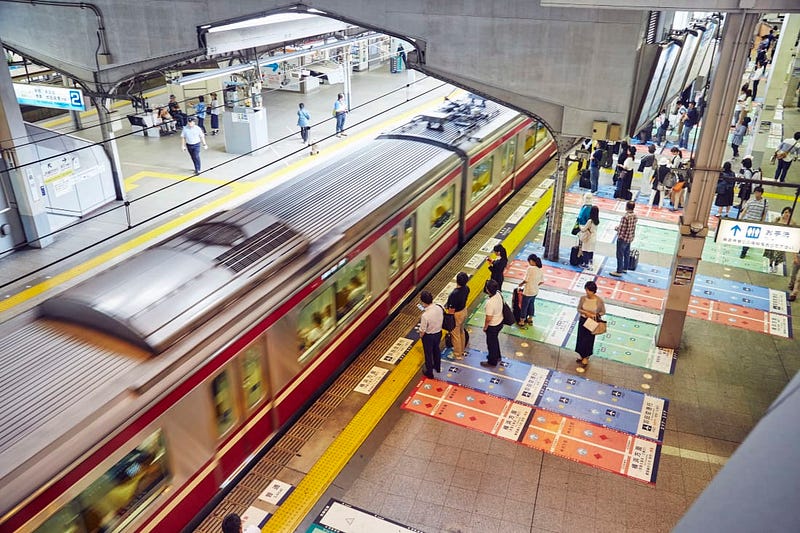
Standing patiently in a line is one of Britain’s greatest prides, but what the Brits don’t know is that the Japanese have taken it to a whole new level. The queuing etiquette is a means of showing respect to the group and is drilled into every schoolchild from an early age. It is then reinforced for every adult: people here are standing politely in lines to board on trains, be seated at a restaurant, get served at a shop or even take the perfect cherry-blossom shot!
Japanese people seem to enjoy the anticipation that comes from standing in line (there is no apparent impatience) and in fact the wait is part of what gives a product or an experience its value — e.g. an 11 hour wait to meet Mickey Mouse is totally acceptable! As it happens, some retailers hire ‘faux queuers’ to pose as dedicated customers so they attract more crowds. And conversely, playing queue roulette is a thing here. “You’ve got to be in it to win it”!
2— “Where do you live?”
A typical dialogue with a new acquaintance goes like this:
- Hi, I am Suzuki; nice to meet you! - Nice to meet you too, I am Semi. - So you are new to Japan! … Where do you live?
In the beginning I thought it was more of an innocent query stemming from genuine curiosity or a sort of ice-breaker/small-talk, but as it was coming up again and again (and again) I now wonder if it has loaded subtext and is a way to stereotype you. This is how it comes across: “if you can afford to live there you must be super rich, averagely rich, or, God forbid, middle class”.
Talking with a stranger seems more like a scripted Q & A than a free-flowing dialogue… Another two examples of these nuance questions are: Where are you from? and What do you do for living?
3 — Umbrella Culture
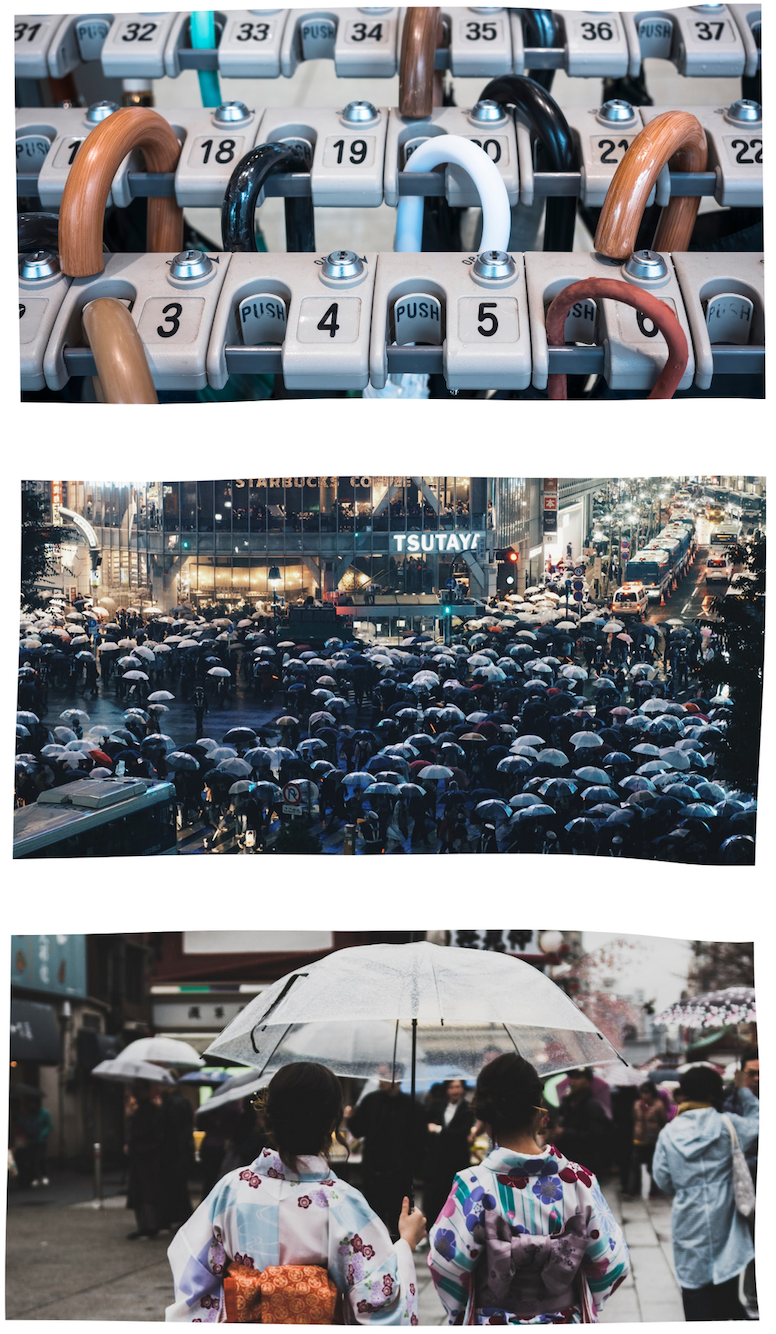
The months of June till July can be a wet affair in Japan and with the temperatures being high, wearing a raincoat is a no-no. So brollies come to the rescue! Although their price tag varies (and it is known how the Japanese love luxurious brands), the most popular ones are the cheapest ones (¥500 = approx. $5) that are easily obtainable from any convenience store and provide clear visibility through their transparent plastic covering to help you navigate through the busy streets of Tokyo.
So far so good!
But what do you do with your umbrella when you go indoors in a restaurant, mall or office? Or when you leave the house and forget your umbrella? Fear not! The Japanese have the solution!
- Umbrella lockers are outside each establishment so you can securely ‘park’ your brolly and pick up on exit — particularly handy for those who splashed the cash on a designer’s one.
- Mi kasa es tu kasa (Kasa = umbrella in Japanese): these cheap see-through umbrellas are part of a societal share system: you can ‘borrow’ one from a stand outside an establishment, and then return it anywhere else. Also most of the shops have a few to lend out to customers so they can get home dry!
4 — Noisy Cicadas
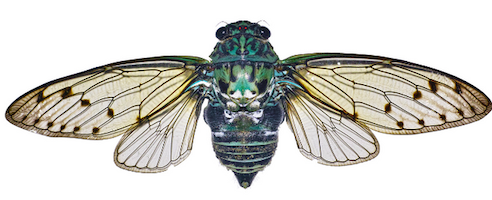
Even with the intense heat and humidity of the rainy season, it is not until the cicadas start screeching that people know: summer is here! While in Greece and other Mediterranean countries their song is somewhat relaxing, in Japan it is far from the case and the cicadas have a penchant for noise pollution.
If there happen to be a few of them clinging to a tree outside your apartment, the noise can be almost deafening. NOT. KIDDING! Japanese use onomatopoeia to describe their (not so melodious) songs, including: gingin, washiwashi, tsukutsuku, kanakana, minmin-zemi (← the noisiest of them all!) and many more. Watch the Sound of Summer to get an idea!
The chirruping of the cicada aggravates the heat until I wish to cut down the pine-tree on which it sings. — Japanese Poem
They are huge (7–10cm) but apart from the noise they cannot bite or harm you. But OMG some of them pretend to be dead on the ground, and if you happen to walk by, they become agitated and start flying around wildly.
5 — iPhone as a Seat Reservation
I was already aware that everyone in Japan is very honest and have read numerous cases where people forget something on the subway and then be reunited with it shortly after. But what struck me was people using their iPhone, or expensive handbags or even designer watches to reserve a table at a food hall while they place an order at the counter…
I dare you do this in your country — it will be gone before you know it!
6 — Office … Siesta!
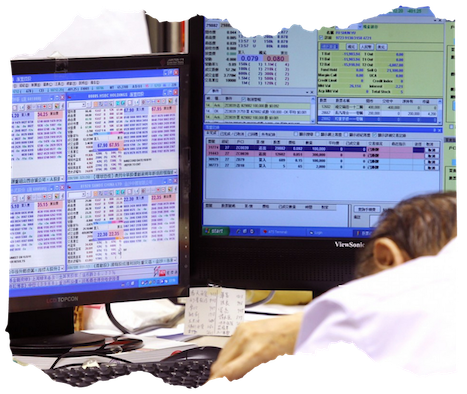
Cultural shock normally brings up negative connotations; however, it does not always have to be that way. Sometimes a cultural shock is an observation or curious musing about something notable in another culture! My first cultural shock was on my first day in the office when I noticed that Japanese people sleep at work! Not at dedicated areas, but at their desk! They mostly make it obvious: after lunch time, they set a 30 minute alarm and take a little power nap. But other times, I would turn my head to speak to my colleague, at say 15:00, only to realise that he is asleep! Then again, attend a meeting (pre-COVID-19) and half the way through, a few people were ‘resting’ their eyes.
Taking a nap at work is perceived as a sign of poor attitude in the UK (and in other Western countries) and may even cost you your job, but not in Japan! Sleeping “while present” is a sign of diligence and hard work ethics (i.e. sacrificing sleep for work). It is also an indication of status and confidence: it shows to your colleagues that you are indispensable to the company and can get away with resting in the arms of Morpheus for a while.
7 — Elevator Etiquette
Riding an elevator can be tricky! I wonder how it did not come up in my cultural induction training before I moved here… In most places around the world, there are no special rules; people just act based on common sense and consideration for others. Japan, on the other hand, has a clear riding etiquette in place that goes like this:
- If you get into the elevator first, congratulations! You will have the pleasure to operate the buttons.
- In that case, stand in front of the panel, and push the open button until everyone gets on.
- Once everyone is onboard, push and hold the close button until the doors shut.
- On your floor, again hold the door so everyone can get out and then step out. The closest person now will take over your duties.
- If you are just a passenger (i.e. you do not get to operate the buttons) and are standing close to the doors, exit the elevator each time it stops, so people behind you can get out. Then enter again.
- Often the youngest (woman) has the “honour” of operating the lift; you will notice people discretely “waddling” towards the back of the elevator and the youngest one becoming the panel controller.
As you can see the key ideas are respect and efficiency.
8— Cat Café Frenzy
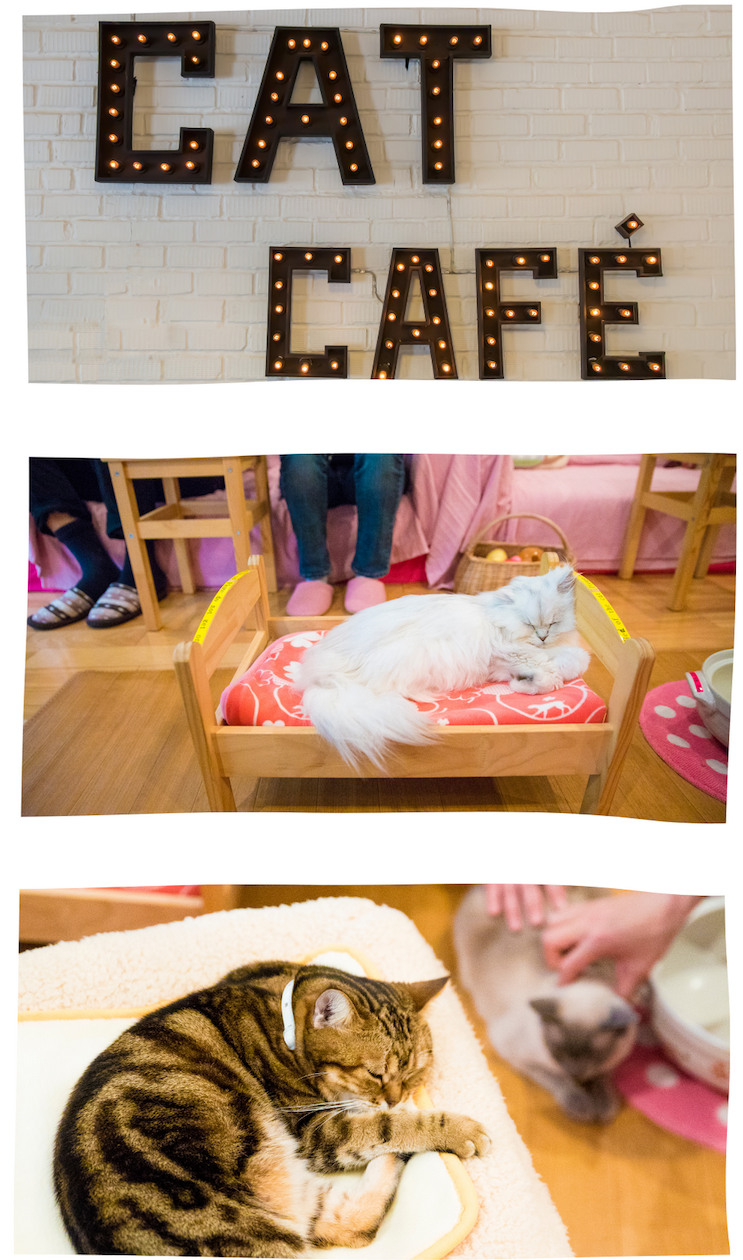
A cat café is simply a business that takes care of cats, and allows patrons to play with them and find some “catisfaction” 😸 in a homely space, evoking the experience of being in one’s apartment through the carefully staged use of furniture, lighting and background music. It is a concentrated niche that caters to a specific demographic of people; those who live in small apartments with restrictive housing codes and possibly alone; but let’s not forget that cats are the country’s favourite animal.
Cat cafés are becoming an international phenomenon, but visiting them in Japan becomes a window into Japanese culture, as cats are loved and revered here and also lend themselves well to ‘kawaii’ (=cute) styling.
PS: Before visiting a café, please make sure that they take the welfare and the rights of the felines seriously.
9 — Exclusive Fruit
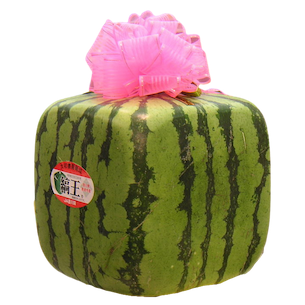
Japan has long been all about the pursuit of perfection, so it should come as no surprise then that the same standards are directed towards fruit by producing some of the most delicious and unusual fruit in the world. From square watermelons and white strawberries, to enormous grapes and lime-looking satsumas, Japan’s quest to create the perfect versions of fruit has yielded some amazing results! But when individual pieces of fruit are given personalised attention, they are accompanied with a very high price tag.
These fruits are considered status symbols, normally gifted to others or even displayed as decoration. Indicatively I will mention: apples for £10 each, a small cart of 10 strawberries for £60, grapes for £100 and watermelons for £200 each… From time to time a news report will surface of somebody paying the price of a small car for a single melon!
Coming from Greece originally I consider myself lucky to have tasted some of the sweetest watermelons, I was sceptical about these overpriced Japanese ones. So I tried once and I have to confess: It was the best one I have ever tasted!
10 — Sakura Everything!
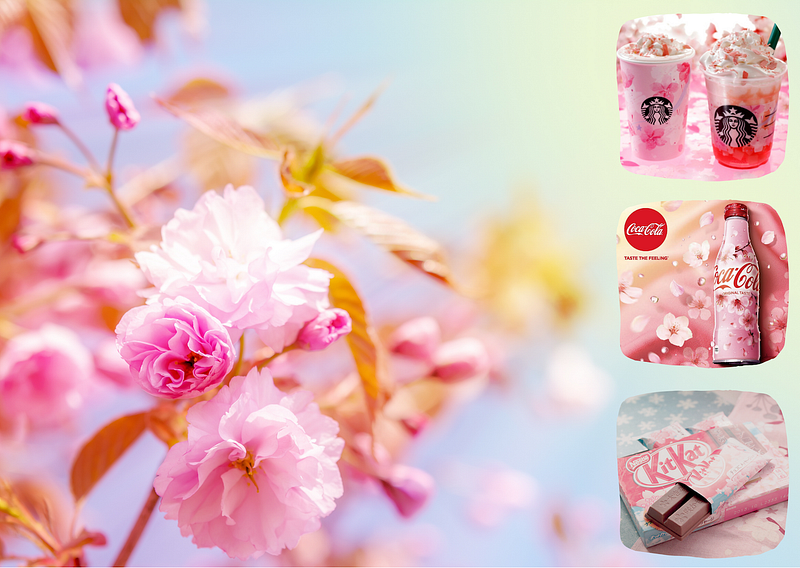
The Japanese L❤VE flowers. Particularly sakura, known as cherry blossom, which only blooms for a couple of weeks during April. People gather under the trees for hanami (→ flower viewing) parties just to admire the colours.
This enthusiasm for pinkness is extreme. Every single brand releases a special cherry-blossom version of its product. From the Starbucks sakura flavoured Frappuccino to KitKats and Coca Cola … we could go on for a while. Meteorologists try to predict when the cherry blossom will bloom, all hotels are fully booked 6 or more months in advance and there are streams of people at the parks trying to get the perfect shot with these delicate flowers!
I have also fallen for sakura but I feel there is a tinge of sadness to the whole affair; the flowers last only for a week before floating off, making it the ultimate symbol of the importance of living in the present, coupled with the beautiful and fleeting nature of life.
We came. We saw. We loved Japan!
Japan is full to the brim of secret sights and surprises, and this list is by no means exhaustive. My family and I are enamoured with Japan because it retains and merges parts of the old world (see geisha culture) with the modern world! Because it is a tranquil place! Because it is exquisitely beautiful! And most importantly: because of its people!
Thanks for reading! Arigato Gozaimasu! 🙏🏻
PS: If you would like to follow our visual Tokyo Story: @verysterndavid.


