
10 Signs Of Low Self-Esteem
Strategies to boost low self-esteem
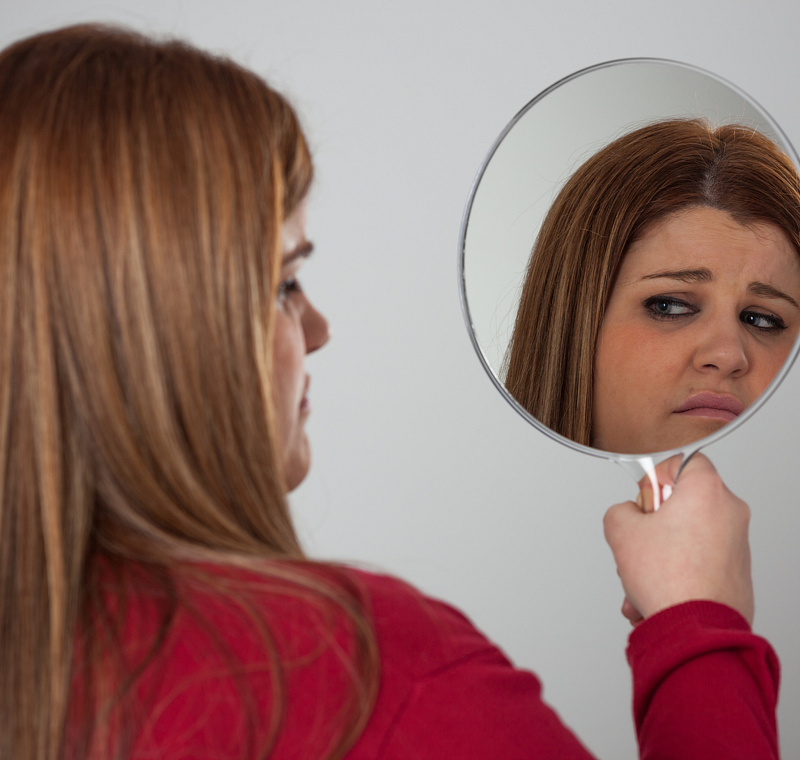
Self-esteem refers to an individual’s general self-value. It’s basically how you feel about your self-worth. Self-esteem may encompass a wide range of things, like your identity, self-confidence, feelings of competence, and belonging.
It plays a significant role in many aspects of life. That is why having low self-esteem can be an extremely serious issue.
Self-esteem involves more than simply being able to say that you like yourself. It implies believing that you deserve the best and respecting your personal opinions, thoughts, feelings, desires, interests, and aspirations.
Self-esteem is not just a factor in how you feel about and treat yourself, but it could also play a part in how you allow people to treat you. It could affect how you feel about yourself, your determination to achieve what you want to achieve in your life, and your ability to create healthy, positive relationships.
In this article, you will go through:
- Signs of low self-esteem.
- Effects of low self-esteem on your mental health.
- How to cope with low self-esteem?
- How to develop self-esteem?
- Strategies to boost low self-esteem.
Signs of low self-esteem
Low self-esteem may affect your feelings, thoughts, and behavior patterns. The signs of low self-esteem may be obvious, but they are less obvious in certain cases.
People who have low self-esteem speak negatively about themselves and go the extra mile to ensure that they are satisfied with their appearance.
In any case, the lack of confidence in oneself and worth can negatively affect someone’s well-being and life.
The most common signs of low self-esteem can be seen below.
1. Poor Confidence
People who have poor self-confidence are more likely to suffer from low self-esteem and vice reverse. Being confident in your abilities lets you know that you can trust your abilities to handle any situation.
Self-confidence means you are confident and at ease dealing with the many challenges you’ll encounter in your life that could play a significant role in overall well-being.
Self-esteem issues can contribute to the lack of confidence. However, poor self-esteem can be a factor in or worsening poor self-esteem. Finding ways to increase confidence in your capabilities and self-confidence could be beneficial.
Learning and practicing new abilities is one strategy that you could try to boost your self-confidence and self-esteem.
2. Inadequate Control
Self-esteem sufferers typically feel they have no control over their lives or the things that happen to them. It could be because they feel they cannot affect change within their own lives or the world. Since they do not have an external location of control, it is possible that they feel that they cannot solve their issues.
Research has shown that if individuals have no control over their actions, self-confidence helps ease certain negative side effects from this loss of control. It also improves mental well-being.
If you’re experiencing feelings of being like you are in control of your life or circumstances, finding ways to boost your self-esteem could benefit your health and well-being.
3. Negative Social Comparison
Comparisons between people can improve a person’s self-esteem or self-worth. But comparing yourself with other people can cause damage to self-esteem.
Self-esteem sufferers may be more inclined to engage in social comparison upward or compare themselves with others they believe are superior to them.
Positive social comparisons aren’t always negative. Sometimes, these social comparisons are a source of insight and motivation to improve. However, when people feel inadequateness or despair, it can affect self-esteem.
Social media could be a factor in these comparisons. If you frequently compare yourself negatively to others using social media like Facebook and Instagram, your self-esteem could start to suffer.
4. Problems with asking for what you need
If someone has low self-esteem, they may find it difficult to seek out what they require. Since their self-esteem is low, it is possible that they feel they don’t need help.
They may also feel ashamed or unqualified because of their need for help and help. Since they cannot prioritize their interests and needs, they cannot live with their self-confidence when in need.
5. Self-Doubt and Worry
After making a choice, people with low self-esteem often feel that they’ve made a wrong decision. They are unsure of their own opinion and are often dependent on others’ opinions instead of deciding based on their own.
This is often the cause of many self-doubts and second-guessing, which makes it more difficult for people who have poor self-esteem to make choices regarding their lives.
6. Problems Accepting Positive Feedback
A study from 2017 released in The Journal of Experimental Social Psychology discovered that low self-esteem was directly related to not being in a position to take or capitalize on compliments made by others.
As they don’t hold confidence in their self-esteem, people with low self-esteem may find it difficult to accept praises from people around them.
Positive feedback is usually received with suspicion and skepticism. The words of praise do not reflect their values, and people with low self-esteem might think that the person is rude or cruel.
7. Negative Self-Talk
Self-esteem issues cause people to dwell on their weaknesses instead of their strengths. Instead of uplifting themselves by positivity, they constantly appear to have some negative things.
They blame themselves whenever they make mistakes and blame themselves for an aspect of them, whether it’s how they look, character, or their capabilities.
8. Fear of Failure
Since they are not confident in their capabilities, people who lack self-esteem are skeptical of their capability to achieve success. Although they may be afraid of failure, they are hesitant or quit quickly, without really doing anything.
The fear of failing can be observed in behavior like expressing anger whenever things don’t go as planned or covering up feelings of inadequacy. They may use excuses and blame external forces or attempt to minimize the significance of the job.
9. Poor Outlook
A lack of self-esteem can cause people to believe that there’s no chance that the future will be much better. The feeling of hopelessness may make it difficult for those self-defeating to commit to actions that can bring positive changes to their lives.
Self-sabotage may also become a typical method of dealing with such emotions.
10. Uncertainty of Boundaries
We usually set the capacity to establish boundaries early in life. Children with caregivers who demonstrate that they are appreciated and respected are more likely to set acceptable boundaries for adult friendships. They also are more likely to have a positive perception of themselves as a whole.
People with low self-esteem can have difficulty establishing boundaries with others. They may be feeling guilty or worry that others will lose interest in them if they attempt to maintain or establish the boundaries.
It can cause problems when people do not respect their privacy or time. A lack of respect for others adds anxiety and makes someone feel less appreciated.
Effects of low self-esteem
Research shows that low self-esteem can be associated with a variety of mental health issues, including:
- Anxiety
- Eating disorders
- Emotional distress
- The panic disorder
- Risky behaviors6
- Disorder of social anxiety
- Substance use
- Stress
Low self-esteem can make it harder to reach your goals and develop healthy, positive relationships. It also plays an important role in expressing some mental health conditions and problems such as depression and anxiety.
Research has also proven that those with low self-esteem are susceptible to suicidal thoughts.
A low self-esteem level can make people more prone to rejection or criticism. Those who have confidence in themselves are more likely to bounce off negative criticism; those with low self-esteem might be more prone to taking it personally. This could make those with low self-esteem more likely to quit when confronted with obstacles or challenges.
Researchers have discovered that self-esteem-deficient people often adopt behaviors designed to preserve their low confidence in themselves. Actions like being sad or apathetic are intended to get the support of other people.
However, these actions can backfire. Instead of receiving encouragement and support, they require improving confidence in themselves.
How to cope with low self-esteem?
Self-esteem issues can affect your mental health, so it’s important to make a plan to improve your self-esteem and find the help you require.
It takes time to build self-esteem; however, there are some ways you can take to safeguard your mental health as you work to boost your self-esteem. The things you can try to help are:
Concentrate on Positive Thoughts
Spend a small amount of time each day with positive, optimistic thoughts. Take note of the small things you excel in and let yourself be happy about these.
Reminisce about the moments in the past that you’ve gotten through something difficult, as you remind yourself, even when you don’t feel at your best, you’ve got the capacity and the strength to conquer the challenge.
Take Care of Yourself
A lack of self-esteem may make you feel like you don’t merit care and respect. Please make a point of reminding yourself that you are worthy of consideration and find that things are a way to demonstrate self-love, no matter how insignificant they seem.
Take time to do something you love. Allow yourself a few moments of relaxation.
Investing in your health and comfort isn’t a luxury or reward that you must get. It’s essential to your mental and physical well-being.
Get Some Outside Support
Talk about your troubles with someone who will give you unconditional help. It could be a family member or friend, or it could be a professional, such as the doctor, therapist or teacher, or a clergy member.
Being surrounded by caring people who respect themselves and want to help you appreciate yourself is a great thing to do when working to increase your self-esteem.
How to Develop Self-Esteem?
If you’re experiencing low self-esteem, there are some things you can try to boost your confidence in yourself. A few of these strategies are:
Be aware of your thoughts
Pay attention to the negative thoughts you encounter each day. If negative thoughts begin to take over, it’s important to identify mental distortions and replace negative thoughts with positive thoughts.
Forgive Yourself
If you find yourself ruminating about your failures or mistakes, it is essential to understand how to accept the blame and get over it. This will help keep you focussed on what you could do better in the future and not focus on the bad things that occurred in the past.
Do self-acceptance exercises
It is essential to eliminate the notion that you must be perfect to be considered valuable. Be open to accepting your current self. It doesn’t mean you do not have goals or issues you’d like to alter; however, it’s important to acknowledge that you are worthy of respect and affection from your friends and family members exactly in the present.
You are Worth It
Think about the accomplishments you’ve done and the accomplishments you are proud of. Take time to be aware of the value of your work and abilities without comparing yourself or dwelling on what you’d prefer to improve.
It’s not necessary to be perfect to feel valued, but learning how to appreciate yourself will assist you in achieving your objectives.
It’s useful to imagine yourself as you would be a friend. What would you do to the person you cherish in the same circumstance? You will realize that you’d show them compassion, understanding, empathy, and kindness in many instances. Therefore, it is important to give yourself unwavering assistance instead of blaming yourself.
Strategies to boost low self-esteem
Here are some suggestions to help you improve your self-esteem:
- Find something you can do that will make you feel great.
- Keep active, and exercise can improve your mood.
- Consider something that you are proficient at.
- Keep a gratitude journal.
- Refuse to believe a negative idea.
- Connect with friends who make you feel confident about yourself.
- Volunteer to assist others.
- Everyone makes mistakes.
- Be proud of your achievements, Both the major and the smaller ones.
Last Words
Self-esteem plays an important role in your ability to reach your goals, establish good relationships with others, and feel confident about yourself.
Everyone struggles with confidence now and then, and low self-esteem may affect the way you feel and cause you to be more vulnerable to mental health problems like depression and anxiety.
If you’re suffering from symptoms of low self-esteem, there are ways you can seek assistance. Talk to your psychiatrist or doctor. Therapists can assist you to alter the patterns of thought which contribute to low self-esteem and increase your confidence in yourself and your talents.
Redefining yourself will take some patience and time; however, you will appreciate and see yourself for who you truly are.


